Matox News

Truth Over Trends, always!

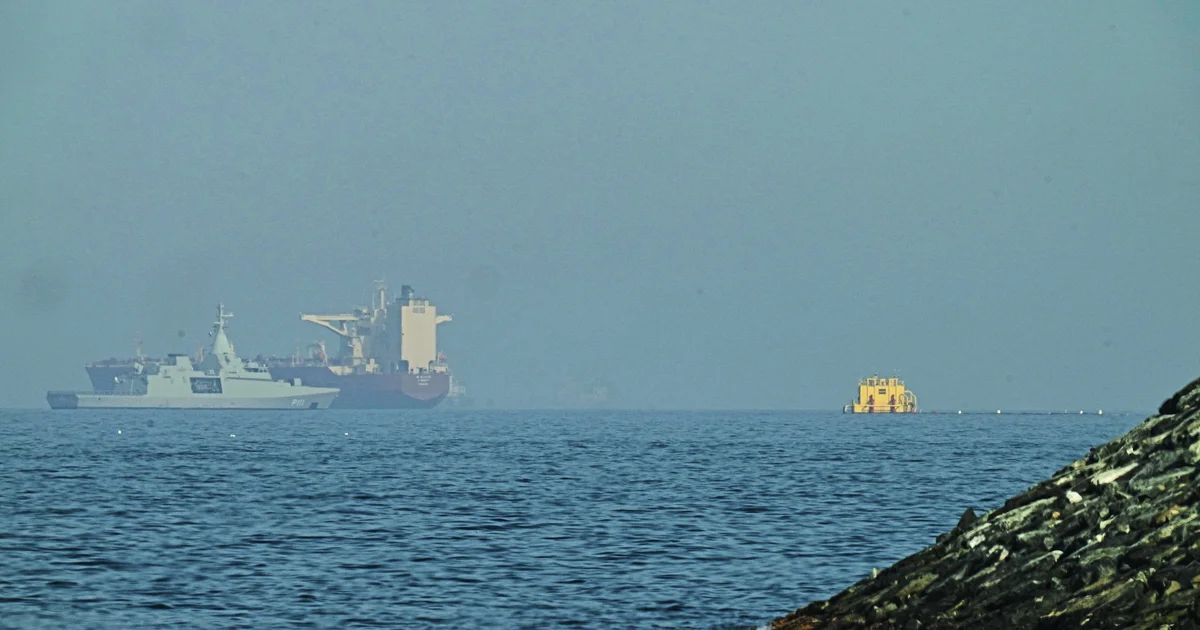
US Navy ships pass Strait of Hormuz after Iranian threats escalate

In a noteworthy demonstration of assertiveness, two U.S. Navy destroyers recently transited the strategically vital Strait of Hormuz and entered the Persian Gulf, amid escalating tensions with Iran. According to defense officials, this maneuver followed a navigational challenge wherein the American vessels had to navigate through an Iranian barrage. Such actions are emblematic of the ongoing power struggles that define Middle Eastern geopolitics, where maritime access and control over vital waterways shape the balance of regional influence.

The decisions to challenge Iranian harassment reflect a broader stance under the current U.S. administration, viewed by many national security analysts as a demonstration of military resolve and deterrence. Historically, the Strait of Hormuz has been a flashpoint—a narrow, tumultuous corridor through which approximately 20% of the world’s oil passes. Control over this waterway has long been a symbol of regional dominance; hence, the U.S. Navy’s assertive passage sends a clear message that Washington remains committed to safeguarding international navigation rights, despite Tehran’s persistent attempts to assert control through intimidation and harassment.

From a constitutional and strategic perspective, these actions underscore the underlying power struggles between geopolitical actors. The U.S., grounded in a broad geo-strategic doctrine emphasizing freedom of navigation, often clashes with Iran’s revolutionary ambitions, which seek to establish regional hegemony. As constitutional experts analyze the legality of such naval movements, figures like Thomas Hobbes and Carl Schmitt remind us that sovereignty, viewed through the lens of modern power politics, is often defined by control over key choke points—such as the Strait of Hormuz—where the state’s ability to project force directly influences its sovereignty and security.

Furthermore, these maritime confrontations serve as a reflection of the broader ideological dichotomy—liberal maritime principles versus revolutionary resistance. The U.S. position, rooted in a belief in an open international economic order, often collides with Iranian revolutionary nationalism, which seeks to challenge Western dominance through asymmetric means. This clash manifests visibly in navy maneuvers, symbolic acts that define how decisions at the top ripple through the fabric of everyday life, affecting energy supplies, regional stability, and global markets. The ongoing power struggle underscores the fundamental question: who ultimately controls the corridors through which global commerce flows?

As history demonstrates, theater of such maritime encounters is more than mere tactical display; it is where the fate of nations is often decided in quiet but decisive battles of will. The recent provocations and responses are a chapter in the ongoing drama—one where the sovereignty of nations is not a static entity but a continually negotiated arena, hammered out in the decisive moments of strategic daring. Political theorists suggest that these actions are less about immediate outcomes and more about reinforcing the narrative of strength that underpins a nation’s destiny. In this arena of power and principle, the stage is set for where history’s next defining act will be written—reminding all that, ultimately, politics remains the arena where the future is forged and the course of history is shaped.
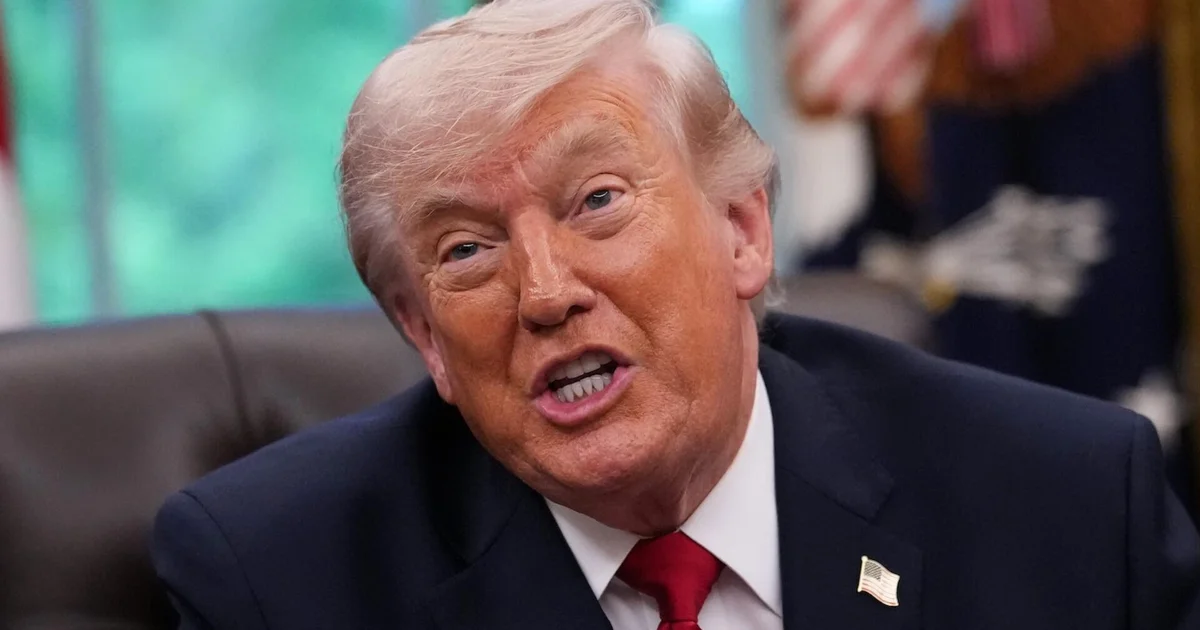

Trump criticizes U.S. Navy, Calls them “Pirates” Near Strait of Hormuz

In a recent provocative statement, President Donald Trump drew sharp criticism, comparing the U.S. Navy to pirates—an outright challenge to the legitimacy and moral authority of American naval operations. This comment was made amidst ongoing efforts to enforce the blockade of Iranian ports near the strategic Strait of Hormuz, a vital chokepoint controlling approximately 20% of global oil trade. The imagery invoked by Trump underscores the intense power struggle that defines U.S. foreign policy in the region, with Washington positioning itself in direct confrontation with Iran in a scene reminiscent of historical maritime conflicts.

The U.S. government has issued stern warnings to shipping companies operating in this volatile corridor, emphasizing that they face potential penalties if they pay tolls or engage in transactions with Iran to facilitate their passage. This policy shift, symbolized by a tough stance on Iran’s economic independence, reflects a broader strategy of economic coercion intertwined with military presence. As observed by constitutional experts and strategic theorists, these measures exemplify a form of economic warfare—a relentless push for geopolitical dominance that aims to diminish Iran’s regional influence without direct conflict. Yet, critics argue that such aggressive tactics risk destabilizing the region further, regardless of Washington’s intent to uphold free navigation and global energy security.

This clash over policy and power is emblematic of a broader struggle for control over the Persian Gulf, a region historically fraught with conflicts over sovereignty, access, and influence. The decisions made by Washington—whether in deploying naval assets, imposing sanctions, or branding adversaries—dictate not only the future of regional stability but also shape the lives of millions who depend on this vital trade route. The strategic calculus involves complex political calculations, often moderated by influential power brokers and elites who seek to project strength and deter Iran’s ambition. With each policy shift, the question remains: are the United States consolidating regional stability or fueling an inevitable cycle of escalation? Underneath these tactical moves lies a fundamental contest—who will write the future of the Persian Gulf?

Historically, maritime conflicts have been decisive in shaping empires and determining world order, echoing figures like Alfred Thayer Mahan and his doctrine of sea power. Today, the United States wields unparalleled naval strength, a modern equivalent of imperial dominance. However, this power is not without contest—Iran’s Revolutionary Guard and regional allies adapt, employing asymmetrical tactics and diplomatic maneuvers to counteract American pressure. The ongoing power struggle generates echoes of Cold War rivalries, where influence and ideology collide on the geopolitical chessboard. In this arena, policy decisions will carve the path of history—how the U.S. navigates this turbulent waterway could define an era, for better or worse.

Indeed, politics is often a stage for grand narrative—the portrayal of strength versus sovereignty, intervention versus independence. As the U.S. enforces its will in the Persian Gulf and challenges Iranian sovereignty, it underscores a profound truth: control over destiny is forged at the intersection of power and policy. In this ongoing contest, every maneuver, every threat, and every compromise writes anew the story of nations vying for supremacy. Ultimately, the outcome hinges not merely on military might but on the subtle art of shaping perceptions and possibilities; for in the theater of geopolitics, the future is scripted by those who wield influence today.

Social Media Auto Publish Powered By : XYZScripts.com


