
Global Tensions Soar as U.S. Military Challenges Iran’s Naval Offensive in the Strait of Hormuz
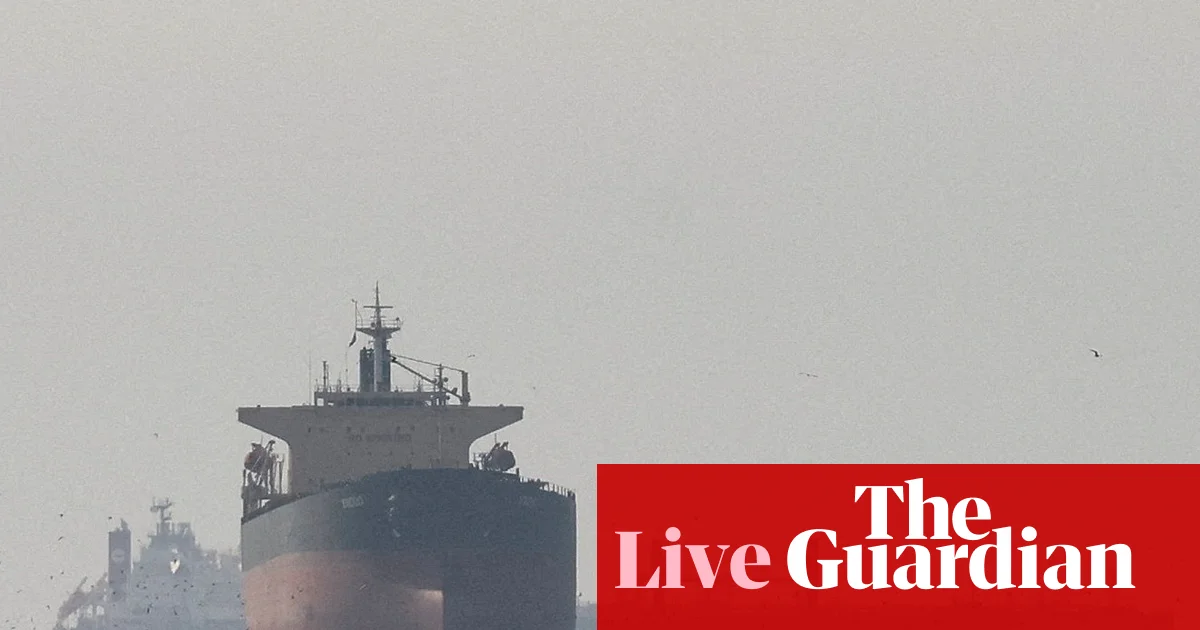
In a dramatic escalation of Middle Eastern conflict, the United States has openly declared its military efforts to secure the vital Strait of Hormuz, a critical choke point for global oil supplies. With over 1,000 cargo ships held hostage after Iran’s self-initiated blockade, the U.S. has responded with a decisive military campaign targeting Iran’s navy—claiming to have destroyed 28 Iranian mine-laying vessels in recent days. Defense Secretary Pete Hegseth has asserted that the U.S. is “decimating” Iran’s military capacity “in a way the world has never seen before”, emphasizing that the U.S. has strategically planned for every possible action to ensure the flow of commerce through this crucial waterway remains uninterrupted.
Historian and international security analysts recognize this as a turning point with profound geopolitical impact. The U.S. has long sought to dominate control over Middle Eastern waterways, but Iran’s recent attempt to blockade the Strait has ignited open conflict. American officials, citing intelligence reports, affirm that Iran’s strategy includes laying more underwater mines, complicating efforts to re-establish free navigation. While Donald Trump has boasted about the heavy-handed destruction of Iranian naval capabilities, many experts warn that this aggressive stance could intensify the ongoing regional chaos, setting the stage for wider confrontation.
Within Iran, questions are mounting regarding the competency and legitimacy of the country’s new supreme leader, Mojtaba Khamenei. U.S. officials, including Hegseth, cast doubt on whether he effectively commands the fractured Iranian regime, describing him as “scared” and “injured” following the U.S.-Israeli covert operations that targeted his family. Such internal instability potentially stimulates unpredictable Iranian responses, analysts say, which could include renewed missile and drone attacks against Gulf Arab states. The repeated warnings from Iran’s leadership about American presence in the region signal a dangerously volatile phase, with the possibility of regional war spiraling beyond control.
Amid this turmoil, the geopolitical landscape is shifting dramatically. U.S. President Donald Trump has threatened “major retaliation” against Iran following Friday’s attacks on Gulf Arab states, including widespread drone assaults at Saudi Arabia. His rhetoric underscores a narrative of decisive U.S. dominance; however, critics from both sides of the political spectrum warn that such provocations threaten to destabilize an already fragile Middle East. Meanwhile, economic repercussions are rapidly emerging—gas prices have surged by more than 60 cents per gallon in key areas like Michigan, with prices at some stations already exceeding $4.30 per gallon. This inflationary shock not only affects consumers but has strategic consequences in swing states like Michigan, where economic stability often influences U.S. national elections. Political analysts warn that the rising energy costs coupled with ongoing military conflicts could significantly impact the forthcoming U.S. midterm elections.
As history unfolds in real time, the eyes of the world remain fixed on the Persian Gulf, where the mighty currents of geopolitics threaten to drown nations in chaos. With each military strike and diplomatic warning, the weight of history’s decisive chapter bears down, forcing nations to grapple with the legacy they forge in a region teetering on the edge of full-scale war. The question remains: will this be a calculated move towards stability or the spark that ignites a broader, multidimensional conflict that reshapes the world order?