Matox News

Truth Over Trends, always!

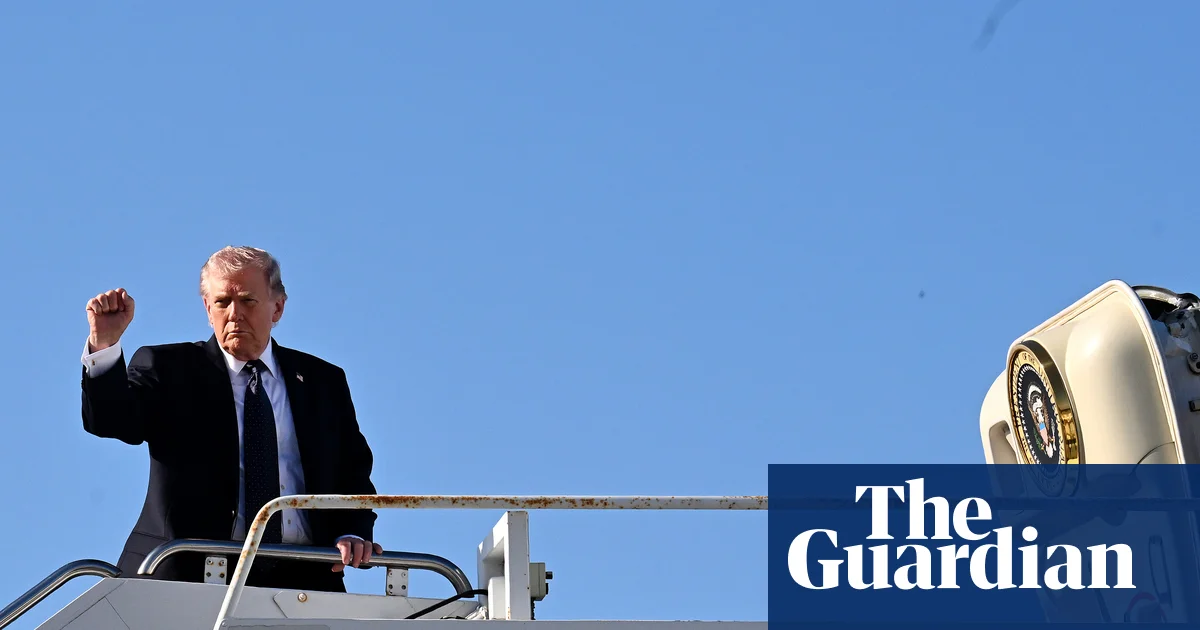
Unclear Iran Strategy Risks Prolonged US Engagement: What's Next?
Unclear Iran Strategy Risks Prolonged US Engagement: What’s Next?

Amidst a sea of uncertainty, the recent surge of military confrontations between the United States and Iran marks a pivotal moment in international relations that could reshape the Middle East’s geopolitical landscape. The United States, under President Donald Trump, has launched strikes purportedly aimed at Iran’s nuclear and military infrastructure, escalating tensions that previously simmered since the assassination of Iran’s top cleric, Ayatollah Ali Khamenei. While Trump’s administration claims these actions are defensive, critics warn they are a dangerous gamble that could ignite a protracted conflict, with dangerous ramifications for regional stability and global security.

What heightens the international concern is the apparent absence of a clear, strategic plan from Washington. Analysts and former intelligence officials argue that the US Government lacks a coherent roadmap for de-escalation or regime change, raising fears of an open-ended conflict that could spiral beyond control. According to Alex Vatanka, a senior fellow at the Middle East Institute, the current focus appears to be on weakening Iran’s leadership rather than achieving specific strategic objectives. Such ambiguity risks transforming what might be conventional conflicts into a prolonged stalemate resembling Cold War proxy battles, with unpredictable consequences for both societies and economies far beyond the Middle East.

The geopolitical impact of these events is profound. Not only does this confrontation threaten to destabilize Iran’s already fragile regime, but it could also ignite broader regional conflicts involving Iran’s allies in Lebanon, Syria, and Iraq. The United Nations and influential analysts warn of the dangerous precedent set by Washington’s aggressive stance, emphasizing that military intervention without a well-articulated exit strategy risks turning limited strikes into a lengthy and costly war. Steven Cash, a former CIA officer, poignantly describes the absence of a plan as “very troubling,” suggesting that Trump’s focus may be more on influencing domestic political dynamics, such as the upcoming US midterm elections, than on long-term stability or peace.

Meanwhile, Iran’s leadership, especially Supreme Leader Ayatollah Khamenei, remains under threat. Though Tehran has retaliated with attacks across the Middle East, there are indications that the regime’s top figures, once seen as unassailable, are now vulnerable. Recent reports suggest that Iran’s approval for negotiations may have increased, with President Trump claiming that Tehran is now open to talks after the US and Israeli strikes. However, these comments come amidst a deteriorating security landscape—an environment where economic sanctions, diplomatic isolation, and military harassment have combined to create a powder keg, waiting to explode at any moment. History shows us that quick military strikes seldom lead to political stability; often, they sow the seeds of further chaos, as witnessed after Iraq and Afghanistan.

As the world watch in suspense, the demand for a clear, decisive international approach grows louder. The choices made in the coming days will not only affect the Middle East but will echo through the corridors of power in Washington, Riyadh, Beijing, and beyond. Will the US follow through on its threats of regime change, risking prolonged chaos, or will it seek diplomatic solutions before history’s pages turn once more, embroiling humanity in a war that could last generations? With each passing moment, the narrative of the 21st century’s conflicts is being written—an ongoing struggle for influence, sovereignty, and survival that will define the future for generations to come.

UN Security Council Backs Trump's Gaza Strategy, Youths Take Note
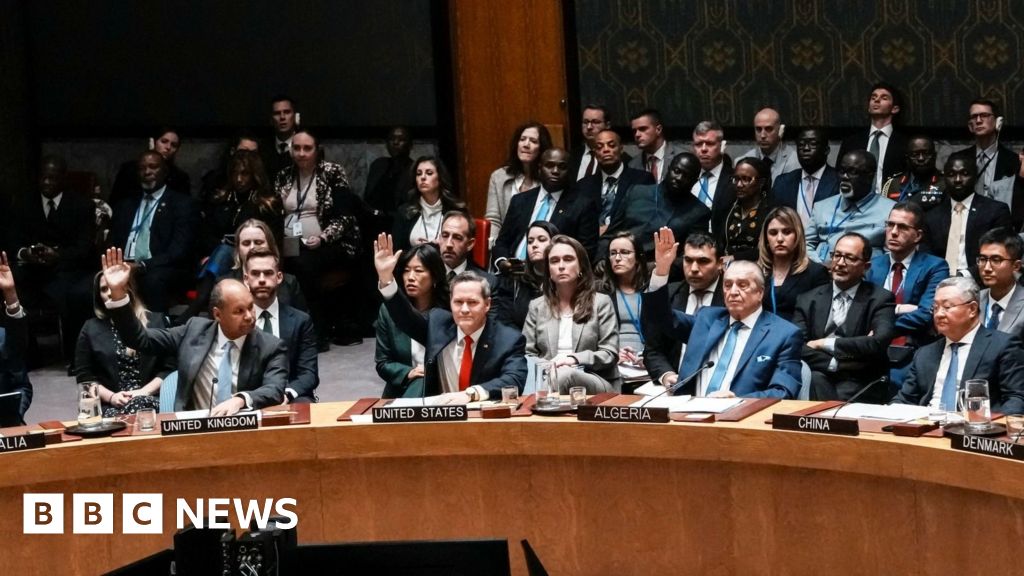
UN Security Council Backs Trump’s Gaza Strategy, Youths Take Note

The United Nations Security Council has taken a decisive step by passing a US-drafted resolution endorsing Donald Trump’s 20-point peace plan for Gaza. This resolution, supported by 13 nations including the UK, France, and Somalia, reflects a significant shift in international approach to the ongoing Israeli-Palestinian conflict. The plan’s core involves the deployment of an International Stabilisation Force (ISF), aimed at disarming non-state armed groups, ensuring civilian security, and facilitating economic reconstruction. The US’s strategic push aims at transforming Gaza’s brutal cycle of violence into a “peaceful” rebuilding process, but critics argue that it risks entrenching external influence over Palestinian sovereignty.

However, this move has ignited fierce resistance from Hamas, which categorically rejects the plan, labeling it as a veiled attempt to impose “international guardianship” that violates Palestinian rights. Hamas officials have condemned the deployment of the ISF, alleging it would disarm and weaken their resistance, turning the group into a “party to the conflict” aligned with Israel and its allies. The group’s rejection highlights a fundamental divide—while international actors seek stability, many Palestinians see this effort as eroding their national aspirations. Historians and analysts warn that such external interventions risk further destabilizing Gaza by undermining the Palestinian Authority’s legitimacy, potentially prolonging the cycle of violence.

The resolution’s implications extend beyond immediate security concerns. It introduces a framework for future Palestinian statehood, a notion vehemently opposed by Israel. The inclusion of potential statehood naturally complicates U.S. and regional diplomacy, with Israel emphasizing a rejection of any plans that threaten its dominance over Jerusalem and the West Bank. The Obama-era Arab Peace Initiative—once a beacon for regional reconciliation—seems to be giving way to new, unpredictable dynamics as Arab countries navigate their relationships with Israel and the United States. The geopolitical impact is profound, redefining alliances and strategies across the Middle East.

Meanwhile, the plan has broader consequences for regional stability. The envisaged ISF’s coordination with Israel and Egypt is a calculated attempt to stabilize the borders and rebuild Gaza’s infrastructure, but it also raises questions about sovereignty and the role of foreign troops within Palestinian territories. The deployment of a new Palestinian police force—operating under a U.S.-backed authority for the first time—signals a possible shift in local governance, although Hamas remains firmly opposed, promising to resist what it calls a “foreign occupation.” The ongoing conflict, marked by the recent ceasefire and the tragic toll on civilians—over 69,000 Palestinians reportedly killed—remains a stark reminder of how fragile peace remains in this turbulent region. Diplomats warn that misjudgments or renewed conflicts could plunge Gaza back into chaos, with the weight of history pressing heavily against hopeful prospects for peace.

As the world watches, the unfolding saga in Gaza embodies a complex interplay of ambition, resistance, and international power. The resolution’s passage is a pivotal episode in a story that stretches beyond the borders of the Middle East—one that could either herald a new chapter of cautious stability or accelerate a cycle of conflict that seems unending. The questions remain: will outside forces foster peace, or will they deepen the divide that has long scarred this land? As history continues to unfold, the fate of Gaza hangs in the balance, a stark reminder that peace is often the most fragile of victories in a region still haunted by its turbulent past.

Brazilian Minister: Recognize Indigenous Lands in Climate Strategy at COP30

As the United Nations Climate Summit (Cop30) unfolds in Belém, Brazil, the global spotlight intensifies on the urgent intersection of climate policy and indigenous rights. Sonia Guajajara, a prominent Indigenous activist turned minister under President Lula da Silva, has emphasized that recognition of demarcation of Indigenous lands must be embedded into the core strategies to combat the climate crisis. Her declaration not only underscores the moral and environmental importance of safeguarding these territories but also highlights a broader geopolitical challenge: how international cooperation, or the lack of it, shapes the future of the Amazon, vital to global climate stability.

  • Guajajara’s call for the recognition of Indigenous land rights aligns with evolving climate diplomacy where protecting natural ecosystems is increasingly seen as a shared responsibility.
  • At the summit, Indigenous communities, Afro-descendants, and traditional farmers have congregated, deliberately demonstrating their indispensable role in generating sustainable solutions, thus challenging the prevailing narratives driven by industrial interests.
  • This activism comes amid warnings that exploitation—particularly by the mining sector—threatens the Amazon’s rivers, notably the Tapajós, which have been contaminated by mercury from illegal gold extraction.

The geopolitical impact of these developments extends beyond Brazil’s borders. Brazil’s Congress, dominated by agribusiness and mining interests, seeks to open vast territories such as Yanomami lands to industrial mining—a move fiercely opposed by environmentalists and Indigenous leaders. The stakes are high; these territories house some of the world’s most critical ecosystems, which are essential to global climate regulation. Historically, such pursuits have often been underpinned by a narrative of economic development at the expense of indigenous sovereignty. However, the summit’s focus indicates a shifting paradigm where environmental conservation and Indigenous rights are now central to international policy discussions.

A pivotal aspect of Cop30’s agenda is the Tropical Forest Forever Facility (TFFF), a pioneering financial mechanism aimed at incentivizing countries with substantial forest cover to resist deforestation. So far, approximately $5.5 billion has been pledged, with Brazil’s President Lula aiming for a total of $25 billion from public funds, supplemented by plans to generate an additional $100 billion through financial markets. If successful, the TFFF could become a vital tool in counteracting global deforestation trends, symbolizing a potential shift from reactive conservation to proactive investment. Nonetheless, recent diplomatic setbacks, notably the UK’s decision not to contribute, cast a shadow over international collaboration, threatening to undermine the summit’s ambitions. Critics argue that this retreat not only hampers the fund’s potential but also damages the fragile trust necessary for sustained global climate efforts. Guajajara expressed her disappointment: “It is regrettable that Britain is not contributing resources,” highlighting the widening gap in international commitment.

This reluctance from advanced economies echoes a broader geopolitical division. China, which has expressed tentative support for the TFFF, maintains the stance that developed nations must bear the primary financial burden for climate mitigation. Historically, this tension reflects the ongoing debate over climate justice: should developing countries shoulder the economic costs of their own development, or should the historical polluters—mainly industrialized nations—fund the transition? As climate analysts warn that the window to limit global warming to 1.5°C is rapidly closing, these conflicting priorities threaten to stall vital progress. According to international organizations, such as the IPCC, failure to bridge these gaps could lead to irreversible environmental and societal upheaval—a stark reminder that the “battle for the Amazon” is emblematic of a larger contest over global influence and responsibility.

As the proceedings unfold amidst peaceful protests and diplomatic negotiations, the weight of history seems ever more profound. The decisions made here—whether for indigenous recognition, environmental finance, or geopolitical alignment—will echo through generations. In the shadow of the Amazon’s towering canopies and the corridors of power, the urgent question remains: *how long can the world ignore the lessons of history before the consequences become irreversible?* The story of Cop30 is still being written, and the final chapters have yet to be penned. Yet, one truth endures; the fate of the Amazon and humankind’s future are intertwined, caught between the relentless tide of progress and the imperative to preserve the planet’s sacred natural inheritance.

Peer Opposes UK Smoking Ban, Talks Strategy with Relative at Tobacco Giant

Amid mounting debates over public health measures, Britain appears embroiled in a high-stakes chapter of its ongoing battle over tobacco regulation. The recent legislative initiatives, notably the proposed generational smoking ban—making it illegal to sell tobacco to anyone born after 2008—have ignited fierce opposition from powerful industry voices and political interests. While the UK government champions this pioneering policy as a bold step towards a smoke-free future, influential lobbyists and some members of the House of Lords are actively working to dilute or derail it. The involvement of private industry, including ties with British American Tobacco (BAT), highlights how economic interests continue to shape health policy, raising questions about the authenticity of claims to public welfare.

Key figures in the debate, such as Lord Strathcarron, have publicly discussed potential amendments to the legislation, including proposals that would merely raise the legal age to purchase tobacco from 18 to 21—an approach critics argue is a superficial modification that ultimately favors industry continuity. Disturbingly, claims that cigars are “harmless” are backed by industry lobbying, despite extensive academic research indicating the mortality risks of cigar smoking can be comparable to, or even surpass, those of cigarettes. Meanwhile, lobby groups such as Action on World Health, co-founded by controversial figures like Nigel Farage, have surreptitiously targeted policy positions by coordinating with industry insiders and influencing public discourse, often under the guise of promoting “freedom” and “market forces.”

International organizations like WHO have warned that watering down public health measures such as the UK’s generational ban could have ripple effects far beyond the Atlantic. The move to protect young generations from tobacco exposure is seen by analysts as a crucial step in countering a global epidemic—yet, the entrenched influence of Big Tobacco and its political allies threaten to undermine these efforts. Critics highlight that the industry’s resistance is driven less by health concerns and more by efforts to preserve lucrative markets, especially as emerging alternatives such as vaping and nicotine pouches continue to grow in popularity. Such conflicts underscore a broader battle for the soul of public health policy, pitting societal well-being against powerful economic interests that prefer to keep markets open at the expense of lives.

As the legislation’s fate hangs in the balance, the international community watches with bated breath. The outcome of this political skirmish will likely serve as a precedent—either affirming a decisive shift towards proactive health reforms or capitulating to the status quo of corporate influence. The stakes are clear: the decisions made within Westminster’s chambers will not only shape Britain’s health landscape but will also send a resounding message to nations worldwide. Will they follow a path toward radical prevention, or succumb to the influence of industry-backed lobbying aimed at preserving profits over people? The page of history turns swiftly, and the story of this legislation is far from over—its conclusion could mark a turning point in the ongoing global struggle for control over health policies amidst the relentless tide of corporate power.

Social Media Auto Publish Powered By : XYZScripts.com