Matox News

Truth Over Trends, always!

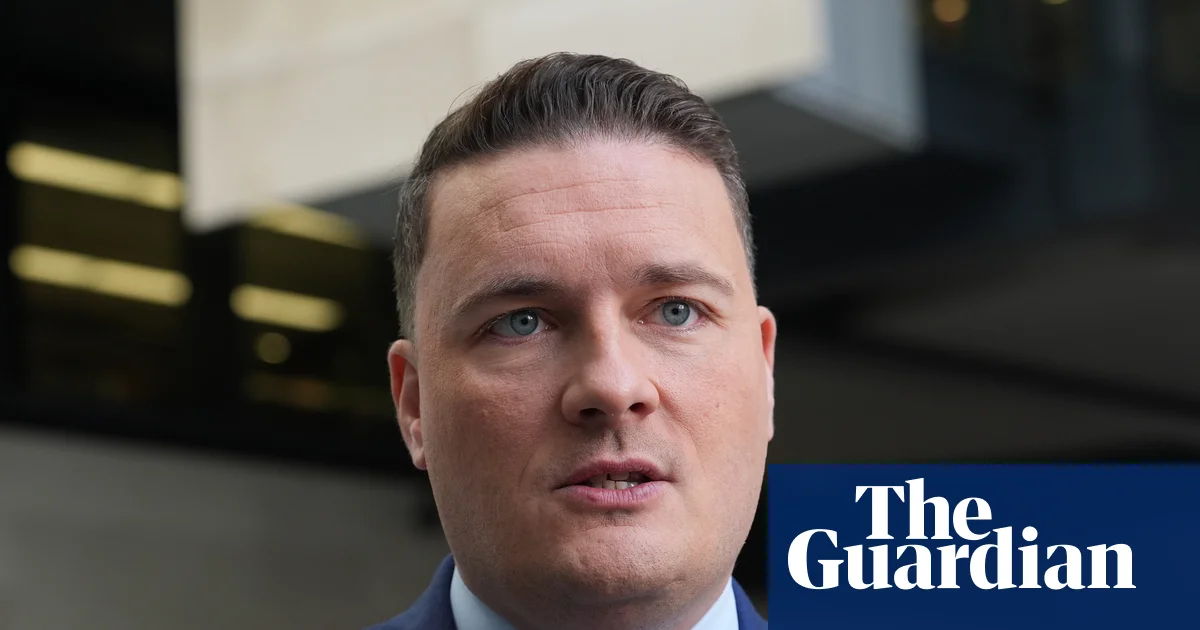
NHS staff battle rising racism reminiscent of the 70s and 80s, warns Wes Streeting

Resurgence of Racism and Its Impact on Society

In recent times, Britain faces a troubling resurgence of racial hostility reminiscent of the 1970s and 1980s. This unsettling trend, characterized by verbal and physical abuse, is not confined to isolated incidents but has seeped into the very fabric of society, affecting families, education, and community cohesion. As sociologists like David Goodhart warn, such demographic shifts and political rhetoric have emboldened prejudiced sentiments that threaten to erode the social fabric that binds us. Teachers, healthcare workers, and ordinary citizens alike are now witnessing a disturbing normalization of such ugly racial discrimination. This social regression not only fosters division but also undermines the moral fabric of the nation, leaving vulnerable communities feeling increasingly alienated and unprotected.

The NHS as a Microcosm of Broader Society

The NHS, often viewed as a cornerstone of British society, now faces a surge in racist incidents that stand as a stark mirror of wider societal tensions. According to prominent social commentators and reports from the Royal College of Nursing, the increasing frequency of abuse directed at healthcare staff—especially nurses and doctors—reflects a broader decline in social civility grounded in prejudiced attitudes. NHS staff, representing a remarkably diverse workforce, are confronting harassment that not only impacts their well-being but also poses risks to families and communities relying on essential healthcare services. The situation is compounded by political rhetoric that often fuels anti-migrant sentiments, emboldening racialized hostility. Historian Heather MacDonald warns that when prejudice becomes normalized in institutions, the societal consequences ripple outward, tearing at the shared social fabric that binds our communities and impacting the generations of families who depend on fairness and dignity in public services.

Strain on Healthcare and Its Consequences

  • Multiple hospitals in England are experiencing unprecedented demand, leading to ‘critical incident’ declarations, especially in Bristol and Weston-super-Mare.
  • Record numbers of patients now face dangerously long waits, with some aged 90 and above waiting over 12 hours in A&E—an ordeal that risks deterioration of health and increased mortality.
  • The approaching winter, coupled with a ‘triple whammy’ of flu, Covid, and industrial action, threatens to overwhelm already strained NHS resources, risking harm to vulnerable populations and family units.
  • Resident doctors plan to strike in protest of pay disparities, risking further disruption of care, which is already compromised by staff shortages and surging demands.

Addressing these challenges requires a recognition that _social cohesion and respect for public institutions are vital_ to overcoming such crises. Sociologist Dr. John Macionis emphasizes that societal resilience depends on fostering empathy and accountability. In validating the struggles of NHS staff and confronting the prejudices underlying aggressive behaviors, society must reaffirm its commitment to fairness, respect, and the collective well-being of families and communities.

A Path Forward: Embracing Society’s Moral Heart

In the face of social tensions and institutional stress, Britain stands at a crossroads. The troubling rise of racism and the ongoing strain on healthcare threaten to fracture the social unity that has historically sustained the nation. Yet, society also bears the moral imperative and the collective strength to forge a more inclusive, resilient future. As social commentators like Phillips and sociologist Putnam suggest, revitalizing community ties and promoting narratives of shared responsibility can heal societal wounds. Healing begins with recognizing the dignity of every individual, supporting institutions that serve as pillars of social justice, and fostering a culture where respect and unity are not just ideals but lived realities. Our societal challenges are formidable, but the hope of transformation remains—a testament to society’s enduring capacity for renewal and moral awakening, if only we choose to uphold the values that make us truly human.
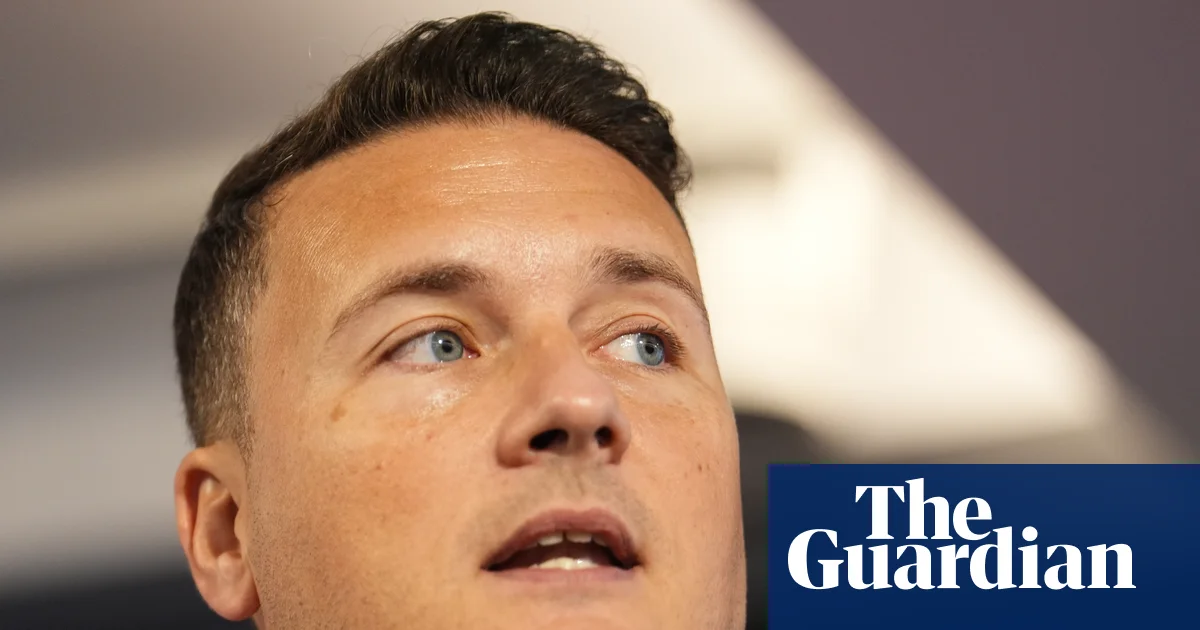
Labour needs to rally and boost youth optimism after Welsh setbacks, Streeting urges

Labour’s Midterm Malaise Signals Broader U.K. Political Challenges

Amidst a backdrop of mounting political disillusionment in the United Kingdom, recent developments reveal a party grappling with the realities of governance, public confidence, and its geopolitical significance. Labour, long considered the historic voice of working-class Britain, faces notable setbacks that threaten to undermine its global standing. A decisive byelection loss in Caerphilly, a seat that had faithfully served Labour for over a century, marks a troubling moment that analysts interpret as an indicator of faltering voter trust. This defeat, coupled with internal party tensions and a declining voter turnout—only 16.6%—illuminate a wider malaise that echoes across democracies worldwide, where parties are struggling to deliver tangible change in the face of economic hardships and shifting societal values.

Internal Struggles and the Future of the Labour Party

The recent leadership shuffle within Labour signals an ongoing ideological and strategic contest that has ripple effects well beyond the borders of Great Britain. New Deputy Leader Lucy Powell, elected with a clear mandate to reconnect the grassroots with party leadership, embodies an attempt to reinvigorate the party’s base. Her emphasis on transparency and member inclusion aims to counteract the decline in electoral enthusiasm, yet questions persist about her practical authority amid internal divisions. This internal dynamic is reflective of a broader struggle within many Western parties: balancing authenticity and loyalty while trying to adapt to economic pressures and a fragmented electorate.

The Broader Geopolitical Impact of UK Political Turmoil

While these battles unfold within the domestic arena, their international significance cannot be overstated. The UK’s political stability bears direct consequences for its role on the world stage, especially in a time of escalating global tensions and the shifting balance of power. As analysts warn of the risks of “learning the wrong lessons,” the possibility of a less predictable or less cohesive British foreign policy emerges. UK decisions today—whether in trade negotiations, defense commitments, or diplomatic alignments—are increasingly influenced by the internal health of its political parties, shaping the way it interacts with allies and adversaries alike.

Historical Echoes and the Weight of the Future

  • Prominent historians have noted that Britain’s political crises often serve as barometers of broader societal shifts. The decline of traditional party dominance reflects a era of upheaval characterized by economic austerity, cultural realignment, and a search for national identity.
  • International organizations, including the European Union and the United Nations, monitor UK internal stability as it navigates the post-Brexit landscape, aware that internal discord can weaken—not strengthen—its influence on the global stage.

The next twelve months promise to be decisive. As Labour grapples with its internal fissures and the populace’s waning confidence, the world watches with bated breath. The decisions made here in Britain could redefine the geopolitical map, tilting it in uncertain, possibly perilous directions. History continues to unfold in Britain’s capital, with each parliamentary vote and policy shift echoing across continents—reminding us that in the interconnected web of nations, no internal political turmoil remains isolated.

Streeting: Rely on doctors, not Trump, for paracetamol advice.

In a recent discussion surrounding a contentious claim made by former President Donald Trump, medical experts are urging expectant mothers to disregard any assertions suggesting a connection between the painkiller and autism. This issue has gained traction as the debate around vaccines and autism continues to polarize public opinion. Health professionals emphasize that scientific evidence does not support such claims and encourage pregnant women to prioritize their health and the well-being of their unborn children.

Trump’s remarks have sparked a wave of reactions, particularly among those who value evidence-based medicine. Experts argue that misinformation can have harmful consequences, particularly for vulnerable populations. It’s essential to rely on credible studies and expert consensus when making health decisions, especially during pregnancy, as the stakes are incredibly high for both mother and child. The prevailing view in the scientific community is clear: there is no proven link between the use of this painkiller and autism, so it’s vital that pregnant women receive accurate information.

The conversation around this topic highlights a broader concern about how misinformation can spread rapidly through social media and political discourse. Youth today are particularly susceptible to these narratives, making it crucial for them to seek out reliable sources of information. As we navigate these discussions, we must foster an environment where facts and research stand at the forefront of public health discussions, rather than sensationalized claims that can undermine trust in medical professionals.

In conclusion, as young people engage with political figures and their statements, it’s important to cultivate critical thinking skills and prioritize factual information. By encouraging pregnant women and the wider community to consult medical experts and rely on established research, we can promote a healthier society that is better informed about the issues that matter most. Let’s champion accuracy in our discussions while advocating for policies that truly benefit public health.

Social Media Auto Publish Powered By : XYZScripts.com