Matox News

Truth Over Trends, always!

Will Stancil shakes up Minneapolis streets

Disruptive Civic Tech and Grassroots Resistance Shake Up ICE Operations in Minneapolis

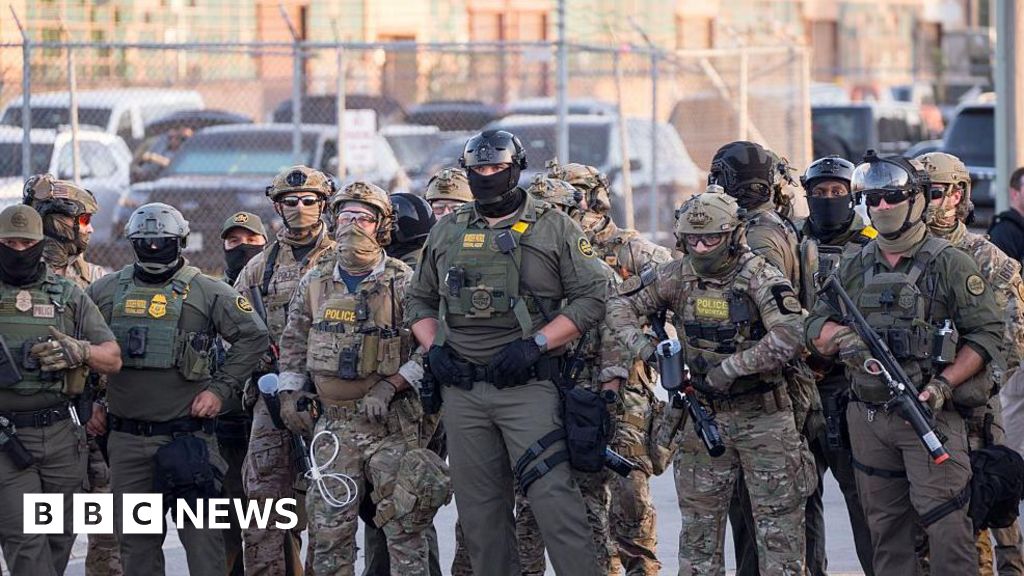
In a landscape increasingly defined by disruption and citizen-led innovation, Minneapolitan activists like Will Stancil are pioneering a new form of urban resistance against federal immigration enforcement. His work exemplifies a broader shift—leveraging technology and grassroots coordination to challenge traditional police and enforcement mechanisms. Through what he dubs “commuting” — patrols by local residents armed with smartphones — communities are creating a novel form of counterpolicing that undermines the authority and operational scope of ICE. This model, while labor-intensive and arguably unsustainable in the long run, demonstrates a potent form of disruptive innovation with profound business and societal implications.

What this movement underscores is a *market*-wide recognition: traditional enforcement structures are no longer singular sources of authority or safety. Instead, decentralized civilian efforts are emerging as a disruptive force, challenging the assumptions of bureaucratic monopoly. As analysts like those at Gartner observe, this model introduces novel risks but also accelerates a shift towards participatory, community-driven security paradigms. In effect, local residents are transforming the concept of “community policing” from a formal, state-controlled police operation to an open-source, collaborative form of civil resistance that could ripple across multiple sectors.

Technology and Media: Amplifying Disruption in Real Time

The backbone of this grassroots revolution is technology. Stancil’s adept use of smartphones to record ICE actions in real time not only provides transparency but also serves as a form of public intelligence. His open engagement with media—ranging from mainstream outlets like CNN and The Atlantic to digital platforms like X—further amplifies the reach and impact of these civil actions. This blend of activism and viral media creates a feedback loop that accelerates societal change and citizen engagement, challenging the complacency of traditional political forces.

  • Real-time documentation of ICE tactics
  • Public exposure of enforcement abuses
  • Mobilization of broader support via social media

Despite critics warning about *OPSEC* vulnerabilities and the risks of making such efforts spectacle-like, it’s undeniable that this form of disruption introduces a paradigm shift for government accountability. As MIT researchers highlight, the ability for grassroots actors to use commercially available technology to undermine state operations signals a major technological disruption—an emerging form of citizen oversight that could redefine civic activism in the digital age.

Business and Policy Implications: A Shift Toward Decentralized Power

The growing success and visibility of these grassroots ICE watches have broader policy repercussions. Traditional enforcement agencies face mounting pressure to adapt or face obsolescence. Simultaneously, local communities are asserting a *business-like* control over their safety through decentralized, scalable networks—precursors to what futurists and strategists like Peter Thiel might describe as a move toward peer-to-peer governance. The challenge for policymakers is how to regulate and integrate these new actors without stifling the innovation or risking escalation of conflict.

Moreover, this model hints at a future where disrupted markets and civic sectors converge, fostering new entrepreneurial opportunities focused on community surveillance, legal tech, and digital transparency. As these grassroots efforts scale, both governmental and private-sector entities will need to reconsider their strategic positioning—either embracing openness and decentralized innovation or risking obsolescence in a rapidly evolving civic tech landscape.

Looking Forward

In this era of technological disruption and civic innovation, the pace of change demands urgent attention. Grassroots resistance like Minneapolis’s ICE patrols is not just a local anomaly but a signpost pointing toward a future where *bottom-up* civic power challenges and reshapes traditional authority. The question for industry leaders, innovators, and policymakers alike is whether they will adapt to this seismic shift or remain passive observers. The coming years will likely see rapid proliferation of similar models across the nation and possibly beyond, making it imperative to anticipate, regulate, and harness this disruptive force before it redefines civic governance itself.
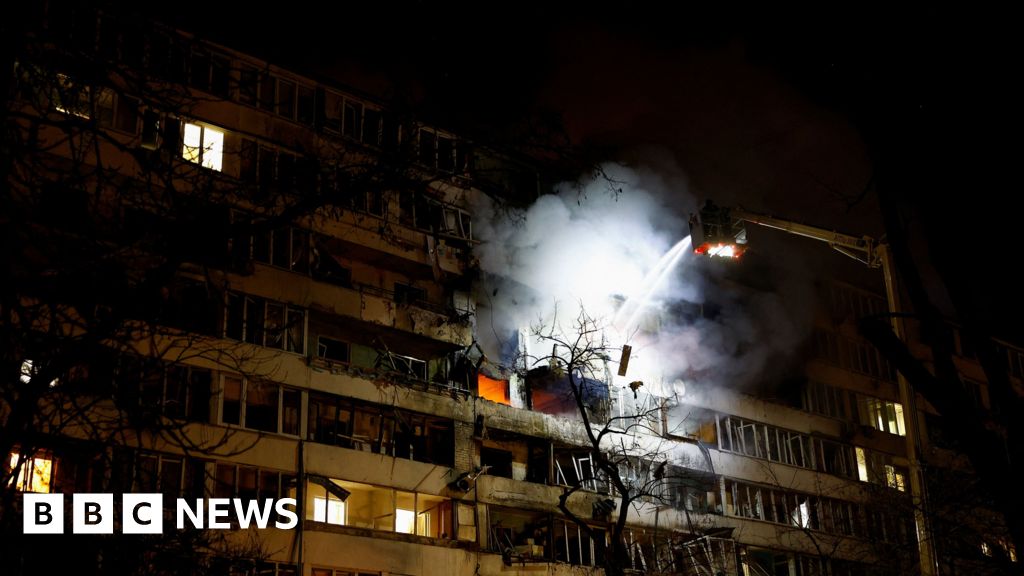
Four Killed in Nighttime Strikes on Neighborhoods—A Wake-Up Call for Our Streets

The recent surge in hostilities between Russia and Ukraine underscores the volatile state of Eastern Europe’s geopolitical landscape. Overnight drone strikes launched by both nations have resulted in tragic casualties and widespread destruction, highlighting a relentless cycle of violence that threatens regional stability. Kyiv reported a “massive” Russian drone assault targeting the Ukrainian capital, causing fatalities, injuries, and damaging critical infrastructure. Meanwhile, Moscow’s accusations of Ukrainian strikes in the Rostov region reveal how this conflict has expanded beyond conventional borders, with civilian lives caught in the crossfire.

This deteriorating situation follows palpable shifts in diplomatic negotiations. Ukrainian President Volodymyr Zelensky welcomed proposed modifications to a controversial 28-point peace plan brokered with the backing of the United States. However, these adjustments were swiftly dismissed by the Kremlin as “completely unconstructive,” exposing deep fissures in the international effort to forge a sustainable resolution. Analysts from the International Crisis Group warn that such dismissals portend a scenario where diplomatic efforts remain deadlocked, prolonging the suffering on the ground and entrenching divisions among allies.

Furthermore, the recent attacks underscore how disrupted energy and civil infrastructure amplify the war’s toll on societies. Kyiv’s authorities have reported multiple residential high-rises ablaze, with emergency services evacuating countless residents amidst ongoing threats. Ukraine’s energy ministry announced a “massive, combined enemy attack” targeting vital electrical and water supplies, a move that risks plunging the nation into deeper hardship during winter. These actions reflect not just military strategies but also a calculated effort to undermine Ukraine’s resilience, a move widely condemned by global observers. The impact of such destruction reverberates beyond immediate casualties, threatening to destabilize civilian life, hinder recovery, and test the endurance of the Ukrainian people.

On the geopolitical stage, the events illuminate how Russia and Ukraine serve as pivots in a broader contest involving Western allies and Eastern powers. US policymakers, including White House spokesperson Karoline Leavitt, express cautious optimism about the diplomatic process, citing hope that a comprehensive plan may eventually materialize. Yet, historical analysts warn that the war’s escalation, combined with entrenched national interests, could entrench a protracted conflict with unpredictable outcomes. Some experts interpret this turmoil as a pivotal moment—the potential for a breakthrough or the slide into further chaos—hinges on external diplomatic finesse and internal resolve.

As the frontlines continue to shift and the war’s toll mounts, the international community faces a profound moral and strategic dilemma. The story unfolding in Ukraine is not just a regional conflict but a defining chapter in the 21st century’s geopolitical narrative. Each decision, each strike, and each diplomatic gesture writes a new line in the chronicles of history—an unfolding drama where the weight of nations and the hopes of millions hang precariously in the balance. The shadows of this crisis threaten to shape the landscape of global power, with consequences echoing long after the fighting ceases, leaving future generations to grapple with the scars of today’s choices, while the world watches in tense anticipation of what tomorrow may bring.

Tragedy on the Streets: Street Racer Hits Crowd at Tampa Bar, 4 Dead, 13 Injured

The High Cost of Reckless Driving: A Tragedy on Tampa’s Streets

In a stark reminder of how wellness and safety can be shattered in an instant, Tampa, Florida recently faced a devastating incident resulting from reckless driving. Early Saturday morning, a police chase that initially aimed to curb street racing spiraled into tragedy when the suspect’s vehicle, after several attempts to evade authorities, lost control and collided with a beloved local bar, Bradley’s. The aftermath: four lives lost and over a dozen injured—an event that leaves the city grappling with grief and questions about justice and safety.

The Tampa Police Department described the scene as “senseless,” underscoring the destructive path that impatience and recklessness can carve through a community. After being spotted by aerial surveillance around 1 a.m., the suspect — a 22-year-old man — was relentlessly pursued across city streets. Despite attempts at a PIT manoeuvre, a police tactic often scrutinized for its danger to bystanders, the driver continued to accelerate, ultimately losing control and crashing into the outdoor patio of a popular LGBTQ+ venue, Bradley’s. The incident highlights a critical tension in law enforcement: how to balance pursuit tactics with the imperative to protect innocent lives, as outlined in recent federal safety reports advocating for less dangerous chase techniques.

While the immediate tragedy unfolded at a venue frequented for its community, the broader narrative extends beyond the specifics of this incident. It raises essential conversations about <a href=”https://portal.cops.usdoj.gov/resourcecenter/content.ashx/cops-r1134-pub.pdf” target=”_blank”>personal responsibilityurban safety, and the importance of cultivating responsible driving habits that preserve free movements$> and prevent catastrophic outcomes. Wellness experts like Dr. Michael Gervais advocate for cultivating focus and mindfulness, especially in high-stakes situations, asserting that a shift in societal mindset—from reckless thrill-seeking to conscious respect for safety—can alter outcomes and foster healthier communities.

  • Prioritize wellness initiatives that encourage responsible driving and community safety awareness.
  • Support policies and technology aimed at reducing street racing and dangerous pursuits.
  • Promote mental health resources for young adults, addressing the underlying causes of impulsive behaviors.

In reflecting on this event, one recognizes that the journey toward well-being and community integrity is ongoing, demanding both accountability and compassion. The narrative of Tampa’s tragedy is a reminder that lifestyle choices extend beyond the individual—they ripple across the fabric of society, shaping environments where resilience and responsibility can flourish. As the city mourns and seeks justice, it also reaffirms a collective commitment to embracing the values that champion life, safety, and personal growth.

In this quest for a better future, it is through hard truths and shared resolve that communities find their way back toward hope. The story of Tampa challenges each of us to be vigilant and committed to fostering environments where life and leisure can coexist safely, inspiring a new chapter where every journey is one of purpose and personal impact.

Trump authorizes National Guard deployment to protect Chicago's streets
Trump authorizes National Guard deployment to protect Chicago’s streets

U.S. Domestic Unrest Sparks International Debate Over Military Deployment

The United States continues to navigate a tumultuous chapter of its history, as federal authorities increasingly resort to military measures to address rising civil unrest and escalating crime. President Donald Trump recently authorized the deployment of 300 National Guard troops to Chicago, citing concerns over what he describes as “out-of-control crime.” However, this decision underscores a deeper rift within the American geopolitical landscape, raising serious questions about the limits of federal power and the sovereignty of individual states.

While Chicago faces mounting protests over immigration enforcement, authorities reported escalate violence, including a shooting incident involving an armed woman whose vehicle rammed into law enforcement and immigration vehicles. These events occurred amidst a backdrop of political division and mounting legal pushback. A federal judge in Portland, Oregon—another Democratic stronghold—temporarily blocked the Trump administration’s attempt to deploy 200 soldiers, warning that such actions risk “blurring the line between civil and military federal power.” Judge Karin Immergut’s ruling highlights concerns among legal analysts that the unilateral deployment of troops for domestic issues threatens the constitutional balance enshrined in U.S. law.

Legal and Constitutional Struggles Mark Biden Administration’s Response

The deployment efforts by the Trump administration have ignited a fierce debate across legal and political circles. Critics argue that using the military to manage civil unrest compromises the foundational principles of American federalism. According to historical scholars, such large-scale domestic military involvement is unprecedented in recent decades—raising alarms about the potential for authoritarian overreach. The National Guard, traditionally under the command of state governors, is now being mobilized by federal authorities, thus challenging the established legal frameworks that limit military intervention within domestic borders.

International organizations like Human Rights Watch warn that such deployments could inflame tensions, undermine civil liberties, and create dangerous precedents. Opposing voices, including Illinois Governor JB Pritzker, accuse Trump of “attempting to manufacture a crisis.” This political fight over control of the public space is more than local; it reflects a broader ideological struggle about the role of government, security, and the rights of citizens. Such policies risk setting a dangerous precedent where law enforcement, backed by military force, could gain extraordinary powers that threaten democratic accountability.

Geopolitical Impact and Societal Consequences

The international community watches keenly as this internal conflict unfolds. The United States, once a bastion of democratic stability, appears increasingly divided, with its federal institutions tested by executive actions that bypass traditional legal channels. Analysts from the Council on Foreign Relations warn that the chaos could weaken America’s global standing, as allies question the stability of a nation where military power is wielded domestically under a partisan banner. The image of bustling cities like Chicago and Portland turning into militarized zones sends a troubling signal, not just to Americans, but to nations watching from afar, questioning whether the U.S. remains a beacon of constitutional governance.

Historians warn that such internal strife risks provoking wider conflicts, both political and social, that could reshape the socio-economic landscape of the nation for decades. As emerging generations of Americans are confronted with scenes of military presence on streets once reserved for peaceful protests, the fabric of civil society faces profound strains. The decisions made today will undoubtedly influence how governments across the world interpret the boundaries of authority, security, and civil liberties in the 21st century.

As the standoff intensifies and the weight of history marches forward, one thing remains clear: how the United States manages its internal tensions will leave an indelible mark. Will it uphold the principles of restrained governance and respect for civil rights, or will it succumb to authoritarian impulses cloaked in the guise of national security? The answers lie in the unfolding story—a story that continues to shape the course of not only American history but the future of liberty itself.

US-Africa Deportations: From Ghana Back to the Streets — What It Means for the New Generation

Migration & Sovereignty: Lessons from West Africa’s Complex Tapestry

In an era where unstoppable global currents of movement define our collective destiny, West Africa exemplifies a continent navigating the turbulent waters of migration, sovereignty, and regional cooperation. Recent events surrounding the deportation of West African nationals—particularly from the US, Ghana, and Nigeria—highlight a shifting lifestyle paradigm rooted in resilience, adaptation, and a sense of shared identity. As young Africans strive for a better future, these stories serve as poignant reminders of how individual journeys are intertwined with larger political and cultural narratives, fueling a desire to reclaim agency over personal health, leisure, and national pride.

Recently, a Nigerian man deported from the US found himself unexpectedly stranded in Togo after being covertly transferred across borders—an incident that exposes the complex realities faced by migrants navigating emerging policies. The deportees, mainly from Nigeria, Liberia, and The Gambia, were flown out under contentious third-country deportation agreements, stirring debate around regional solidarity versus sovereignty. The man’s account reveals troubling details: they were allegedly moved through back routes, after bribing police and without Togolese authorities’ consent, demonstrating how unregulated migration flows challenge the very fabric of regional stability. Despite Ghana’s official stance emphasizing “pan-African empathy”, critics argue that such policies risk undermining sovereignty and individual rights, especially for youth seeking to build lives amidst uncertainty.

This ongoing tension underscores a keystone of youth resilience: the capacity to transform adversity into motivation for activism and cultural identity. Many young West Africans see borders not just as lines on a map but as opportunities for self-empowerment—whether through economic initiative, activism, or regional integration. The Nigerian deportee’s involvement with the Yoruba Self-Determination Movement exemplifies how personal struggles often fuel a broader aspiration for cultural preservation and sovereignty. Despite the risks, young activists draw strength from their collective history, advocating for autonomy while embracing the continent’s interconnected spirit—seeking to redefine lifestyle shifts rooted in community, resilience, and a shared cultural heritage.

  • Highlight regional cooperation: Engage with local and continental initiatives that promote safe migration and job creation.
  • Leverage cultural roots: Foster indigenous languages, arts, and histories to strengthen identity-based wellness among youth.
  • Advocate for transparent policies: Support legislation that prioritizes human rights and individual dignity amidst migration.

As stories like these unfold, the power of lifestyle as a form of resistance becomes evident—youth driven not only by immediate needs but also by an unyielding desire to construct a future rooted in self-determination. With a landscape marked by complex geopolitical shifts, West African youth are increasingly embracing their cultural capitals as engines of change, cultivating wellness and community resilience outside traditional constraints. These narratives illuminate a journey of reinvention: from navigating borderland complexities to forging a collective identity grounded in strength, hope, and the unbreakable bond of shared heritage.

In embracing this mosaic of challenges and opportunities, young Africans are charting a path toward a future where sovereignty meets innovation. Their stories remind us that personal impact—be it through advocacy, cultural expression, or resilience—serves as a vital thread in the larger tapestry of African renewal. As we reflect on this ongoing voyage, it becomes clear: lifestyle here is less about possessions and more about a conscious pursuit of dignity, hope, and autonomy. Embodying the spirit of self-empowerment, this generation is crafting a narrative where resilience is the new revolution, inspiring others to embrace their own journeys and rewrite the story of African greatness.

Social Media Auto Publish Powered By : XYZScripts.com