Matox News

Truth Over Trends, always!

European Allies Mobilize to Strengthen Cyprus Defenses After Drone Attacks on British Base

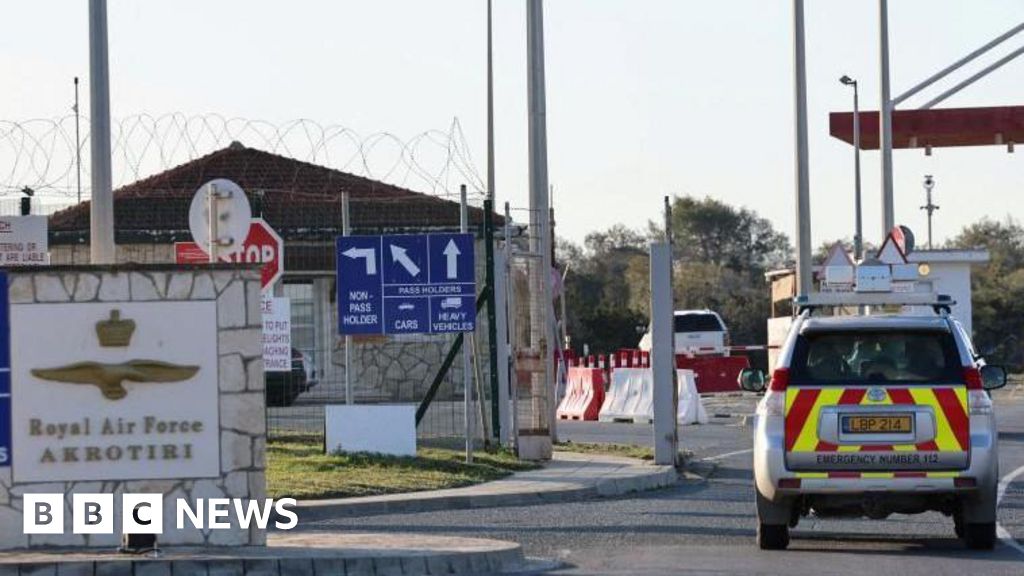
The recent escalation involving Cyprus and the accusations against the Iran-backed group Hezbollah mark a concerning shift in regional stability. The Cypriot government suspects that Hezbollah was responsible for a targeted attack on the United Kingdom’s RAF Akrotiri base, a critical strategic point in the eastern Mediterranean. This incident underscores the increasing reach of Iran-backed factions across the Middle East and their potential to influence international security far beyond their traditional spheres of influence.

As tensions mount, analysts emphasize the geopolitical significance of this development. The RAF Akrotiri base, a key outpost for British and allied operations, plays a pivotal role in overseeing the volatile Middle East and maintaining NATO interests in the region. The suspicion that Hezbollah, influenced by Iran’s regional ambitions, would target such a strategic asset indicates a troubling willingness to challenge Western military presence. Historically, Hezbollah’s involvement in conflicts across Lebanon and Syria has been closely monitored by international intelligence agencies as part of Iran’s broader strategy to counterbalance U.S. and Western influence.

In response, international organizations and regional powers are calling for restraint while carefully analyzing the incidents’ implications. The United Kingdom has condemned the attack, warning of serious repercussions should evidence confirm Hezbollah’s involvement. Meanwhile, the United States and its allies underscore the importance of responding decisively to prevent further destabilization. Many experts, including regional security analysts, believe this event could serve as a catalyst for renewed debates on Iran’s regional strategy and the effectiveness of international sanctions intended to curb its influence. Some warn that failure to address these provocations could embolden terrorist groups and escalate conflicts that threaten not just the eastern Mediterranean but global stability.

Ultimately, the situation remains fluid, with each decision carrying profound consequences for nations and societies. The attack at RAF Akrotiri symbolizes a troubling moment in the ongoing struggle for influence in the Middle East, revealing the fragile balance of power and the potential for small incidents to ignite larger conflicts. As historians and analysts observe from afar, the eyes of the world remain fixed on Cyprus — a seemingly distant but critically significant flashpoint. With every passing moment, the course of history continues to unfold, threatening to reshape alliances and redefine the security landscape in ways yet unseen. The next chapter in this unfolding drama will determine whether diplomacy prevails or if this incident signals a deeper, more dangerous confrontation.
France plans to strengthen its nuclear forces and extend deterrence to tighten security across Europe

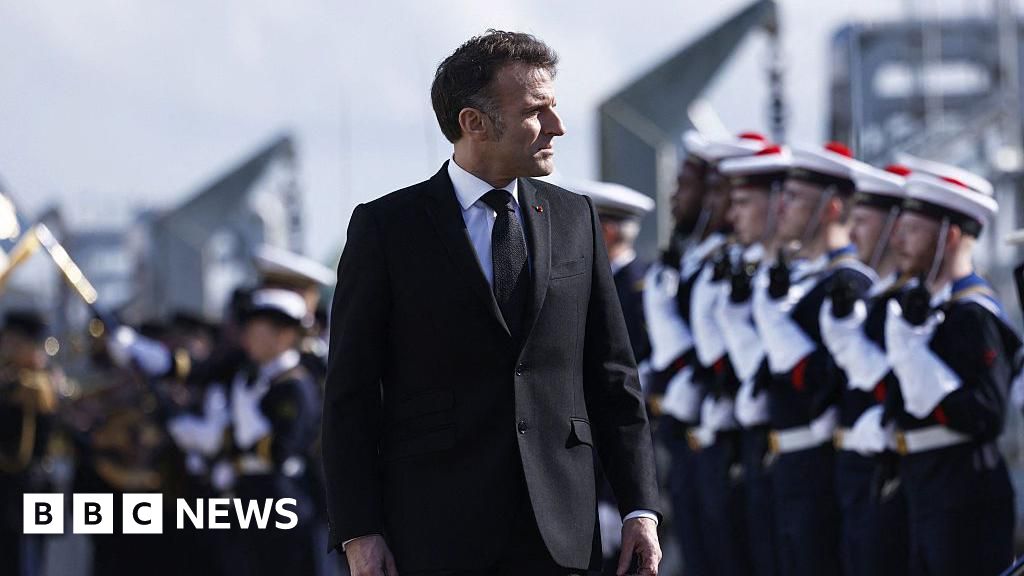
In a move that signals a shift in European and global security dynamics, France‘s President Emmanuel Macron announced that eight countries could soon benefit from Paris’s nuclear protection, a development that has sent ripples across international corridors of power. While the explicit intent is to bolster regional security—and potentially reposition France as a central player in nuclear diplomacy—the decision underscores a complex balancing act: extending protective umbrella without relinquishing sovereignty.

According to Macron, these nations will enjoy nuclear protection, yet all remains under the strict control of Paris. “France will retain sole decision-making power,” Macron asserted in a recent statement. This assurance emphasizes that, even as alliances and security commitments deepen, France seeks to maintain its strategic independence. This approach resonates with traditional Gaullist principles, framing nuclear security as a sovereign prerogative that cannot be shared or delegated. The European security landscape, historically dominated by NATO and the United States, is now witnessing a nuanced reconfiguration, with Paris positioning itself as a pivotal regional power.

International analysts suggest that this move may be aimed at countering the influence of Russia and China in Europe and beyond. By extending nuclear deterrence to select allies, France appears to be creating a layered security posture that could challenge the existing transatlantic dominance. Historian Pierre Lorrain, an expert on French military policy, notes that this move “reasserts France’s unique role as a nuclear power capable of independent influence, signaling a subtle but clear rejection of American hegemony in Europe.” The decision may also foster a sense of sovereignty among these nations, but how this impacts NATO cohesion remains uncertain.

From a geopolitical perspective, the nuclear sharing arrangement reveals broader strategic ambitions. The United States and European Union are closely watching how this development may recalibrate alliances. The shift could inspire other small or medium-sized states to push for independent deterrent options—thus complicating existing security architectures. Conversely, critics warn this could fragment collective defense, weakening established alliances, especially if nations begin to question their reliance on American nuclear umbrella. According to an analysis by the International Crisis Group, sustainable security depends on trust and shared sovereignty, which are challenged by unilateral decisions like Macron’s recent announcement.

As history unfolds, the international community watches with bated breath, aware that such decisions—though carefully couched in sovereignty and security—can have unforeseen consequences. The move by France could either fortify regional security or deepen divisions, depending on how the proposed alliances are maintained and if they evolve into competing power centers. One thing remains certain: the delicate balance of global diplomacy hinges on these choices, and the world’s future may soon be shaped by how these nations and their leaders navigate the treacherous waters of nuclear diplomacy, leaving an indelible mark on the fabric of international security. With history watching silently, the question lingers—who truly controls the ultimate defensive firepower, and at what cost to global stability?

Trump Eyes Meeting Kim on Asia Tour to Strengthen America’s Position

Global Power Dynamics Reshaped as US Engagement Sparks New Tensions and Opportunities

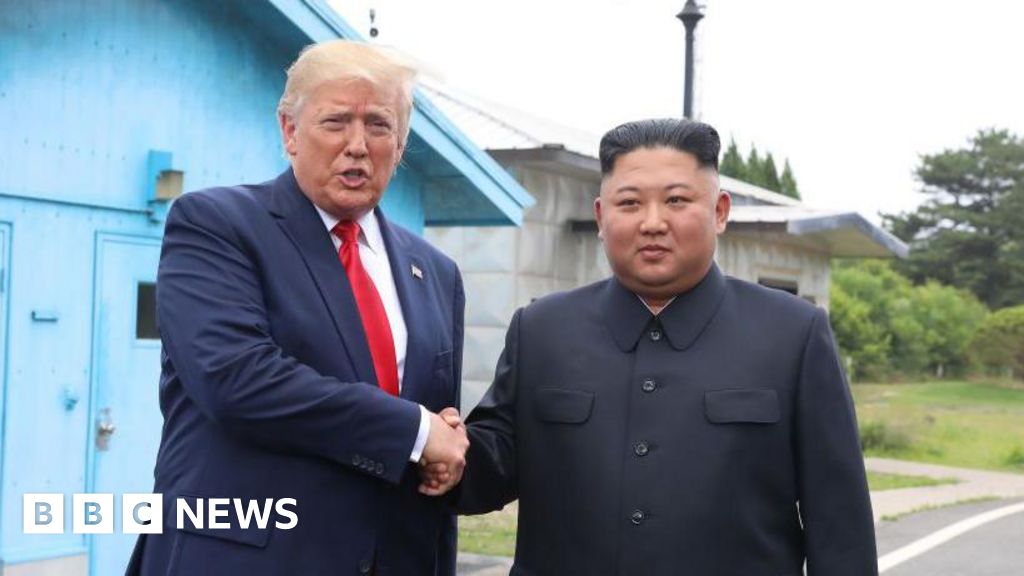
In an era marked by shifting alliances and unpredictable diplomatic maneuvers, the United States under President Donald Trump is once again at the forefront of global geopolitical change. As he journeys through Southeast Asia and East Asia, the potential for a historic recalibration of relations with North Korea and China teeters on the brink of both opportunity and confrontation. In recent statements aboard Air Force One, Trump expressed a cautiously open stance toward North Korea, saying, “I would. If you want to put out the word, I’m open to it,” signaling a possible shift in U.S. policy toward the isolated regime. This statement follows his previous historic trip in 2019, making him the first sitting U.S. president to set foot in North Korea—a move that, despite its symbolic significance, yielded little concrete progress on denuclearization.

Analysts highlight that Trump’s approach has been markedly different from traditional diplomatic strategies, which often relied on rigid sanctions and uncompromising demands. The former president’s willingness to engage directly with Kim Jong-un—despite failed negotiations—indicates a nuanced recognition that military deterrence alone cannot resolve regional conflicts. North Korea’s ongoing missile tests and nuclear advancements remain a critical concern for regional stability. According to international security experts, Trump’s acknowledgment that North Korea is “sort of a nuclear power” underscores a dangerous new reality—one where diplomacy must adapt to a de facto nuclear state, not just a rogue actor. Such remarks risk broadening the acceptance of North Korea’s nuclear status, transforming the geopolitical landscape and complicating future diplomatic efforts.

Meanwhile, China plays a pivotal role in this volatile chess game. Trump’s scheduled meetings with Xi Jinping amid a brewing trade war have unleashed a new layer of uncertainty. Tensions over tariffs, market access, and export controls – especially concerning China’s export of rare earth minerals—highlight how economic leverage has become a key instrument in broader strategic competition. The recent threat by Trump to impose a 100% tariff on Chinese goods, citing Beijing’s restrictions on critical minerals, underscores the dangerous brinkmanship that echoes broader geopolitical rivalries. As the U.S.-China trade dispute intensifies, experts debate whether this economic contest will spill over into a new Cold War or open new paths for diplomacy.

Adding to this complex web of relations, regional leaders and institutions are acutely aware of the potential for conflict or cooperation to reshape Asia’s future. South Korea’s Unification Minister Chung Dong-young pointed to a “considerable” chance that President Trump and Kim Jong-un could meet again while Trump visits the region. Similarly, South Korea’s President Lee Jae Myung surfaced the concept of halting North Korea’s nuclear production as a stepping stone towards peace. Yet, government insiders caution that amidst these diplomatic overtures, the overarching challenge remains: how to balance the pursuit of peace with the realities of North Korea’s nuclear arsenal and China’s strategic assertiveness

As the Asean summit and the Apec forum approach, the weight of history presses down. Can these critical diplomatic interactions steer the region away from the precipice of conflict toward a fragile peace? Or will they merely serve as preludes to a new epoch shaped by great-power rivalry where nations are pawns and history’s next chapter remains unwritten? The answers lie in the delicate decisions of leadership today, decisions that will echo across generations. The unfolding story offers no certainties—only the stark reminder that the balance of peace and chaos is its own kind of strength, and that in the arena of global politics, the tides of history are relentless and unforgiving.

Somalia adopts Swahili in schools to strengthen cultural ties and boost national pride

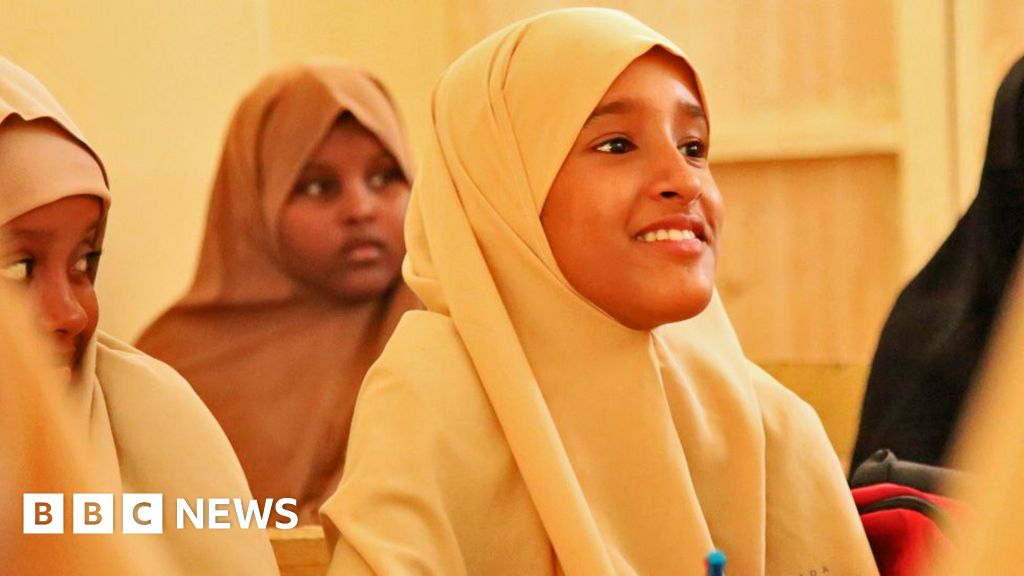
In a move that highlights a broader shift toward regional integration and cultural identity, Somalia has announced plans to incorporate Swahili into its national curriculum. This development unfolds amid a backdrop of decades of conflict, social fragmentation, and evolving regional dynamics. Historically, Somalia’s education system has been dominated by English at higher levels and Arabic at Islamic schools, reflecting colonial and religious influences. The decision to emphasize Swahili, the lingua franca of East Africa, signals a recognition that language is power—an asset for families, teachers, and communities seeking to rebuild trust, expand economic opportunities, and forge regional bonds.

  • The adoption of Swahili aims to foster regional integration, making Somalia more connected with its East African neighbors and facilitating trade, diplomacy, and education exchanges.
  • Swahili, spoken by over 200 million people, is among the world’s top ten most spoken languages, representing a significant cultural and linguistic bridge for Somalia’s youth and working families.
  • Increased use of Swahili is already evident along Somalia’s southern coast and among refugees in Kenya, many of whom learned the language as part of their adaptation after fleeing violence.

This cultural shift underscores a profound demographic and social transformation. Decades of civil war, which erupted in 1991, have led to social dislocation and an erosion of traditional authority, forcing communities—and especially the youth—to adapt in unpredictable ways. The proliferation of Swahili in everyday life, particularly among those who have crossed borders or served in regional peacekeeping missions, exemplifies how social bonds are evolving outside conventional national boundaries. Leaders like President Hassan Sheikh Mohamud emphasize that cultivating Swahili at academic institutions—especially at the Somali National University—will promote regional cooperation and integrate Somalia’s economy more closely with East Africa’s emerging markets.

Critics and social commentators warn that such rapid cultural shifts could ripple through families and societal structures, challenging long-held identities rooted in language and religion. As Historians note, language is often intertwined with cultural sovereignty; thus, the push to prioritize Swahili may provoke tensions among those who cling to Arabic or English as symbols of religious and colonial heritage. However, proponents argue that this multilingual approach could foster a new generation of citizens equipped to navigate a multi-lingual world—one where economic empowerment and social cohesion depend on linguistic adaptability. Education Minister Farah Sheikh Abdulkadir envisions Swahili replacing English as the dominant language of trade and learning, a move seen as both pragmatic and strategic.

Ultimately, how families, schools, and communities adapt in the coming years will determine whether this linguistic pivot bolsters national unity or deepens cultural fissures. It is a testament to society’s ongoing battle between preserving identity and embracing progress—a confrontation familiar across many nations shaping their destinies amidst modern global challenges. As the sun sets over Mogadishu and a new chapter begins, society stands at a crossroads: will it forge a resilient, inclusive future by harnessing the power of language, or will it find itself divided by the echoes of a past reluctant to fade? In this fragile moment, society’s resilience lies in its ability to envision transformation, not just as empty rhetoric but as a tangible hope—an enduring testament to the human spirit’s capacity to reinvent itself amid chaos and change.

Social Media Auto Publish Powered By : XYZScripts.com