Matox News

Truth Over Trends, always!

Kids hitting the gym: empowering the next generation to stay strong and healthy

The New Wave of Youth Strength Training: Reshaping Society’s Views on Childhood Fitness

In recent years, a cultural shift has emerged around childhood physical activity, driven by a growing recognition of the benefits of strength training for children and adolescents. Historically, societal wisdom warned against young children engaging in resistance exercises, fearing it could stunt growth or cause injury. However, contemporary research, endorsed by sociologists and medical professionals, challenges these outdated notions, emphasizing that appropriately supervised strength training can foster long-term health, resilience, and even improved social-emotional development within families and communities. This development isn’t just about physical fitness; it reflects a broader transformation in how society perceives youth, strength, and wellbeing.

Families across the socio-economic spectrum are now integrating strength training into their routines. Parents like Eve Stevenson, a former weightlifting champion and personal trainer, are demonstrating that early engagement in resistance exercises cultivates a sense of empowerment and resilience. Despite opposition from some critics who argue that such activities may be unsafe or unnatural for young children, experts like Jon Oliver of Cardiff Metropolitan University clarify that these practices, when supervised by qualified professionals, align closely with national guidelines and scientific consensus. The social impact of these shifts extends beyond individual families, challenging communities to rethink early childhood physical development and the values embedded within youth sports and recreation.

This movement is also fueled by media, with popular shows like Gladiators reborn on screens and captivating young audiences. Such cultural icons reinforce the idea that strength is a virtue accessible to all ages, not just elite athletes. It fosters a narrative where strength training becomes normalized as a wholesome activity, creating social spaces where families bond through shared activity, challenge stereotypes, and build community resilience. Sociologists note that this evolution is shaping a generation that values physical robustness not for aesthetic perfection but as a cornerstone of mental grit and societal contribution.

Despite the positive prospects, challenges remain. Critics voice concerns over early specialization, injuries, and the pressure to excel prematurely, echoing advice to promote broad motor skill development and fun over performance. Nonetheless, the emphasis on safety, proper technique, and fun—endorsed by experts like Morris—aims to ensure these activities bolster families’ social fabric. As larger societal issues such as youth mental health, body image, and social cohesion continue to loom, the focus on inclusive, supervised strength training offers a hopeful pathway. It is an invitation for communities to nurture strength—both physical and moral—and to reimagine childhood as a time of building resilience rather than compliance.

In the end, society stands at a crossroads, balancing tradition with innovation, fear with hope. When families like Stevenson’s or Hawkins’ foster environments where children see fitness as a normal part of life—an outlet for stress, a source of pride—they are sowing seeds of a society that values strength not just for appearance, but for character. As their stories unfold, they remind us that the most profound strength lies in the courage to redefine what childhood and community can be—built on the unshakable foundation of resilience, hope, and the relentless pursuit of a healthier society.
Truss and Trump rally together: Standing strong for Britain and America

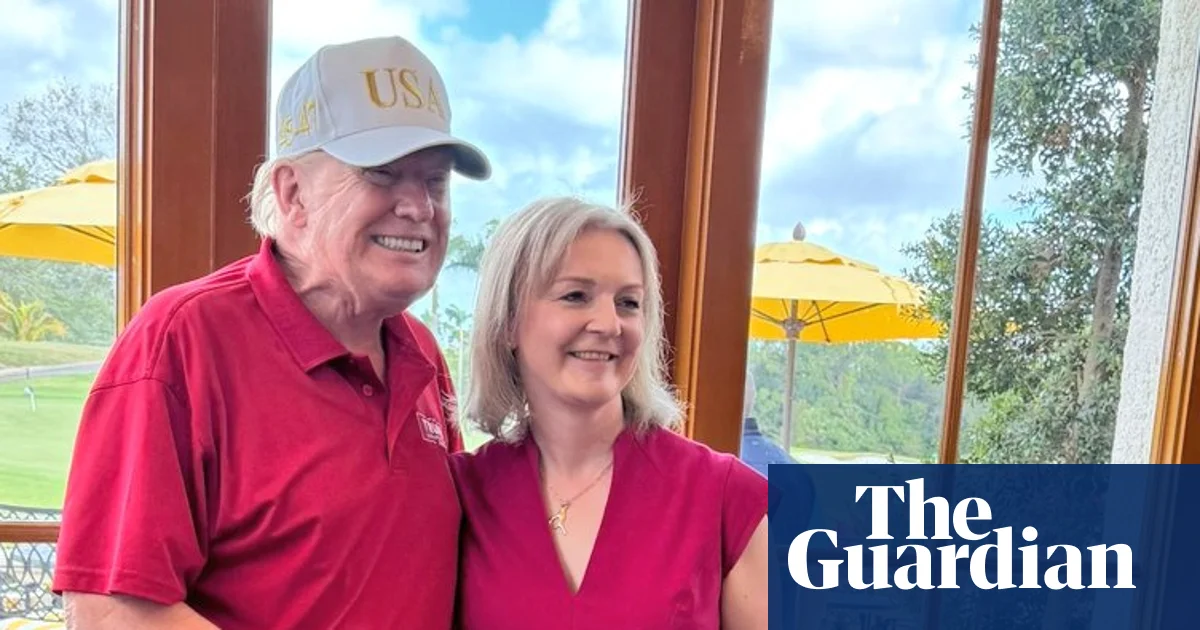
In a clear demonstration of shifting geopolitical alliances and the resurgence of populist sentiment, Liz Truss, the brief and embattled former Prime Minister of the United Kingdom, has reemerged onto the global stage not through policy or leadership, but through symbolic gestures that signal her alignment with American right-wing populism. Her recent encounter with Donald Trump at his Mar-a-Lago estate underscores the increasingly blurred lines between domestic political figures and transatlantic ideological blocs. Truss’s decision to publicly pose with Trump, and her accompanying boast about being “Right about everything,” suggest a calculated move to position herself within the ranks of the America-first movement—a clear sign that her ambitions, however marginal in British politics, are now more firmly rooted in transatlantic alliances.

Her presence at the Conservative Political Action Conference (CPAC) in Maryland last year, where she delivered incendiary speeches criticizing Britain as “failing” and praised the burgeoning ties between right-wing populists worldwide, illustrates how the global landscape is increasingly polarized. Analysts such as Dr. Rebecca Sanderson of the International Institute of Politics emphasize that figures like Truss capitalizing on this mood reflect a broader geopolitical shift, where the traditional power dynamics of Western democracies are mediated through populist rhetoric and anti-establishment sentiments. The rise of such figures signals a fundamental redefinition of ideological borders, with countries like the UK and the US acting as symbols of resistance against what many see as the decline of liberal consensus.

Meanwhile, within the UK, Truss’s attempts to re-establish her influence extend beyond politics into entrepreneurship, with her efforts to launch her own club—The Leconfield—underscoring her desire to cultivate new power bases outside formal government structures. Her association with the property tycoon Robert Tchenguiz and her solicitation of founding members for half a million pounds reflect a speculative pursuit of influence, one that many see as emblematic of a broader crisis of legitimacy in contemporary British politics. Her short-lived tenure as Prime Minister, lasting only 49 days, and her subsequent electoral defeat, mark her as a figure on the fringes of mainstream politics, yet her international positioning indicates her desire to stay relevant on a global scale.

The geopolitical impact of these developments cannot be overstated. As Western democracies grapple with internal divisions and a fragile post-pandemic recovery, the influence of populist actors like Truss and Trump accelerates the disintegration of traditional alliances and norms. International organizations such as the European Union and the United Nations observe these shifts warily, recognizing their potential to redraw power structures and foster instability. History warns us that the rise of such populists often coincides with heightened global tensions and the erosion of diplomatic consensus. As the pages of history continue to turn, the world waits to see whether the current alignment of figures like Truss and Trump will forge a new ideological axis—or push the world toward a precipice from which current global order may never return. In this unfolding story, the delicate balance of peace and chaos remains on a knife’s edge, scripted by the audacious ambitions of those who believe they are rewriting the rules of the game.

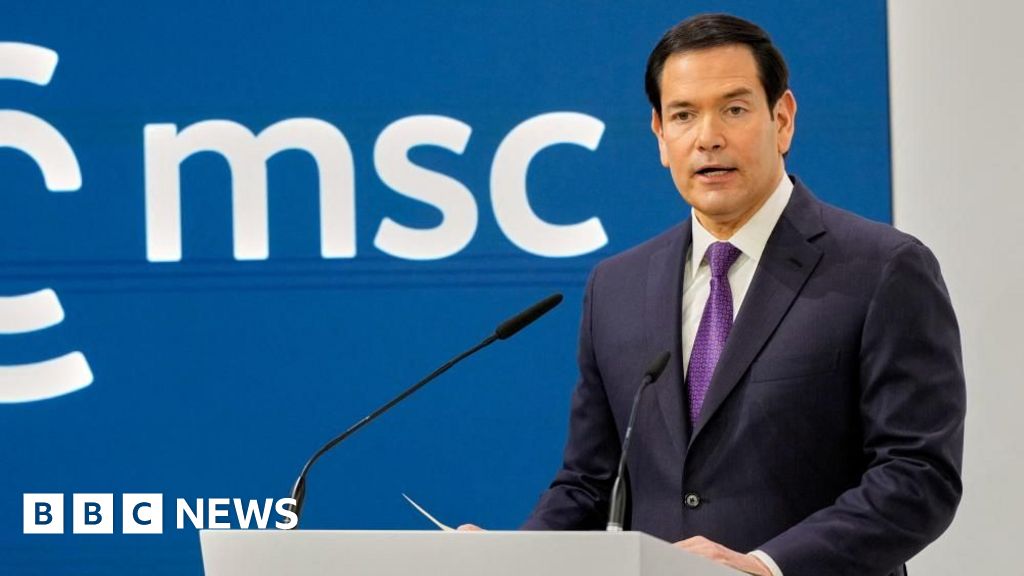
Rubio: U.S. and Europe Still Strong Partners Amid Tensions

In a significant diplomatic move, U.S. Secretary of State Anthony Blinken recently delivered assurances to European leaders, affirming that the Trump administration’s policies do not signal a departure from the longstanding transatlantic alliance. This reassurance comes amid widespread global speculation about shifts under the recent U.S. presidential administration, prompting both alarm and cautious optimism among international analysts. As Europe grapples with an increasingly complex geopolitical landscape, the reaffirmation from Washington aims to solidify mutual commitments in an era marked by rising nationalism and fluctuating alliances.

Experts and historians have long emphasized the importance of the transatlantic alliance as a cornerstone of international stability, particularly through NATO’s enduring presence since its founding in 1949. Analysts such as Dr. Maria Sanchez, a prominent geopolitical scholar, highlight how U.S. policymakers often oscillate between engagement and retrenchment but ultimately recognize the alliance’s critical role in countering Russia’s geopolitical ambitions and maintaining leverage in global security matters. Nevertheless, recent statements from U.S. officials suggest an awareness that the post-Trump political landscape could still influence American foreign policy, which underscores the importance of diplomatic clarity to reassure allies on both sides of the Atlantic.

Furthermore, the European Union and NATO members remain deeply concerned about the potential for geopolitical disruptions stemming from internal American politics. Such fears were temporarily amplified by the tumultuous U.S. elections and policy shifts, prompting European leaders to question the durability of long-standing commitments. The U.S. Secretary of State’s recent comments serve as a strategic gesture to quell uncertainties, especially ahead of crucial NATO summits and European elections. The move also underscores the growing importance of the United States reaffirming its role as a reliable partner—a role that many analysts warn is indispensable in today’s unpredictable international order.

From a broader perspective, international organizations like NATO and the European Union are observing this diplomatic reassurance as a sign that Washington remains committed to a rules-based order and international stability. Yet, many experts warn that genuine trust will only be restored through consistent action and tangible policies, not just words. As some historians argue, the future of the transatlantic relationship hinges on a global environment increasingly defined by competitive powers such as China and Russia. The decisions made in Washington and Brussels today, therefore, carry the weight of history, potentially shaping the trajectory of global alliances for decades to come.

In an era where geopolitical tensions can escalate rapidly, the reaffirmation of alliance commitments remains a pivotal hinge in the balance of power. The world watches as leaders navigate the delicate dance of diplomacy, fully aware that today’s assurances could be tomorrow’s fragile diplomatic fabric. The ongoing unfolding of this story signals that, amid shifting allegiances and rising global threats, the question remains: How resilient are the pillars of the international order, and what price will societies pay when these pillars crack or falter? As history continues to write itself, the fate of the transatlantic alliance—an enduring symbol of Western strength and cooperation—stands at a crossroads, with its future writerly in the hands of those who hold the pen.

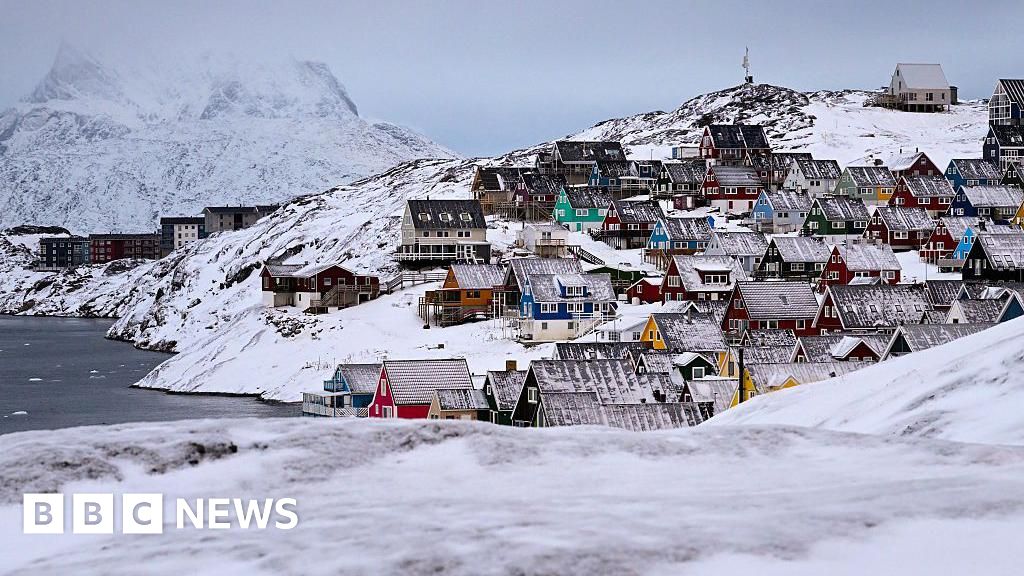
Canada sends top officials to establish Greenland consulate, signaling strong regional ties

The geopolitical landscape of the Arctic is once again at the forefront of international affairs, as nations jockey for strategic dominance amid shifting global priorities. Canada has publicly affirmed its move to demonstrate solidarity with Greenland, amid rumors suggesting the United States may have plans to establish a presence on an Arctic island. This diplomatic stance occurs despite reports indicating that the initiative was in motion prior to former President Donald Trump’s recent suggestion to purchase Greenland—a proposal that stunned global analysts and diplomatic observers. The timing of these developments underscores the multifaceted nature of Arctic geopolitics, where historic territorial claims, resource competition, and environmental concerns intertwine.

Analysts from institutions such as the International Crisis Group and various geopolitical think tanks emphasize that the Arctic has become a strategic arena—not just for resource extraction, but for projecting military power and influence across the northern hemisphere. The United States’ interest in Greenland, long discussed but seldom publicly activated, now appears to be gaining momentum as climate change accelerates ice melt, opening new shipping routes and access to untapped reserves of oil, gas, and minerals. Critics argue that the push for territorial claims in the Arctic echoes Cold War dynamics, with major powers seeking to secure their own interests before others can tighten their grips on the diminishing polar frontier.

Canada’s move to express solidarity with Greenland—a territory long associated with Denmark—comes amid broader concerns of potential encroachments and destabilization. Prime Minister Justin Trudeau has emphasized that this gesture aims to reinforce the importance of multilateral cooperation in the face of emerging threats and unilateral ambitions. Meanwhile, the North Atlantic Treaty Organization (NATO) has remarked that the Arctic’s strategic importance will only grow, urging member states to remain vigilant. For many analysts, including historians specializing in Cold War history, the current maneuvers could very well mark the beginning of a new chapter—a modern-day contest over Arctic dominance that could have sweeping geopolitical impacts.

Yet, the situation remains fluid and unpredictable. Russia continues to assert its own claims under the 2015 Arctic Council agreement, leveraging its military and scientific presence across the region. Meanwhile, China, increasingly vocal about its “near-Arctic” ambitions, is pushing for a role in future resource development and shipping routes. International organizations warn of the risks of escalation, but few agree on a clear path forward. As nations prepare for what many describe as an impending new Cold War in the high latitudes, history warns that these seemingly isolated disputes could spiral into a confrontation with global repercussions.

Ultimately, the decisions taken today in the Arctic are not merely about regional dominance—they reflect a broader contest for global influence in the 21st century. As iconic historian Paul Kennedy and geopolitical analysts observe, the unfolding elements of this silent, frigid struggle may determine the future balance of power. For those who sense the gravity of these shifts, it is clear that the stakes could not be higher—the Arctic, once a remote wilderness, now stands as a gateway to the tumultuous, uncharted corridors of international conflict. The weight of history presses heavily on this icy frontier, which could—in the span of a few decisive years—become the theater of a new, unanticipated global confrontation.

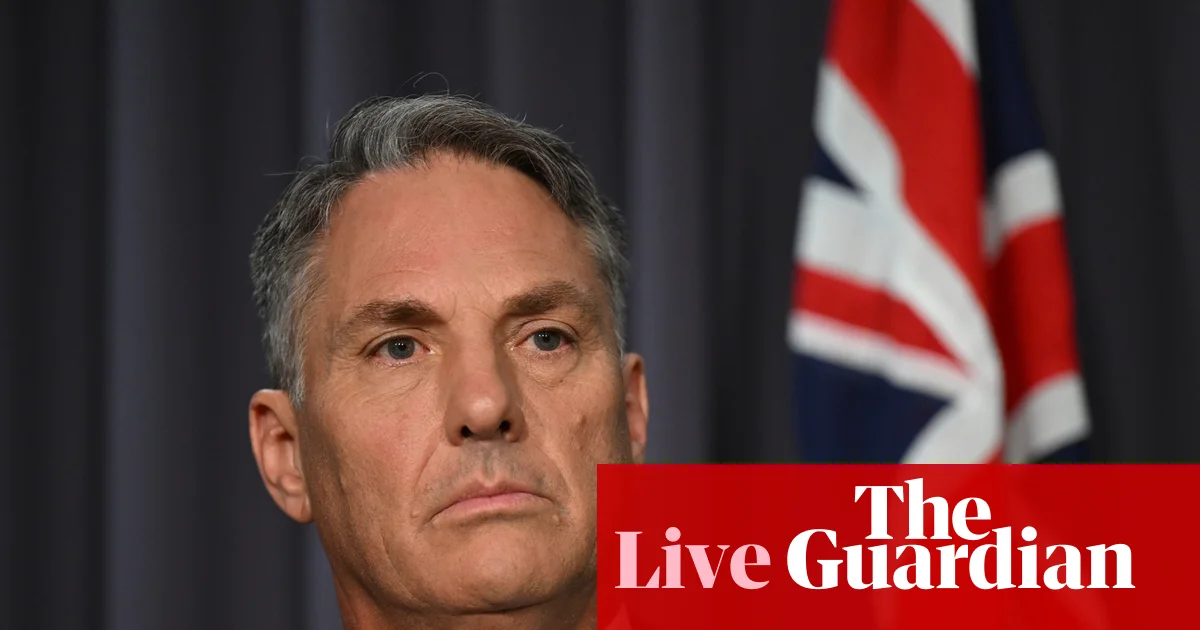
Australian Politics Live: Marles Boosts Herzog’s Visit, Vows Strong Security Measures

The geopolitical landscape of Australia is currently undergoing a complex transformation, influenced by domestic political upheavals and significant international diplomacy. The recent visit of Israeli President Isaac Herzog to Australia has ignited fierce debate within the country’s political circles, highlighting the _deep divisions_ over Australia’s role on the global stage and its domestic policies. This visit, officially sanctioned by the Prime Minister and Governor General, is seen by many as a move to reaffirm alliances in a shifting international climate. Yet, critics—particularly from Labor factions—express profound _concerns_ about the implications of such diplomatic gestures, especially given the ongoing tensions in the Middle East and the internal fractures over Israel’s actions in Gaza.

High-profile critics like Ed Husic, a Labor MP, have voiced _deep concerns_, questioning the moral and strategic wisdom of extending diplomatic warmth to President Herzog amidst the backdrop of Israel’s recent military operations. Husic’s reservations are echoed by various international legal and human rights organizations, such as the UN commission of inquiry on Palestinian territories, which have urged the Australian government to reconsider the invitation in light of the _controversy and violence_. In the corridors of power, Richard Marles, Australia’s Deputy Prime Minister, has defended Herzog’s visit, emphasizing its _importance_ for security and diplomatic relations. Nonetheless, this move exposes Australia’s delicate balancing act—maintaining strong bilateral ties while managing domestic divisions and international scrutiny.

The decision to host President Herzog is not made in isolation but is intertwined with wider strategic concerns. The government has underscored its commitment to _security_ and _diplomatic engagement_, yet this stance arrives amidst criticisms that Australia is _aligning too closely_ with Western allies at the expense of marginalized voices concerned with human rights and justice. Simultaneously, the ongoing political struggles within Australia’s Parliament—most notably, the leadership dispute involving Sussan Ley and the right faction—signal a nation in ideological flux. Analyst voices from global institutions warn that these internal conflicts risk _undermining_ Australia’s credibility and strategic coherence in the Indo-Pacific and beyond.

  • The Australian government has publicly maintained that its _foreign policy_ remains consistent, with Minister Marles affirming, “there haven’t been any changes or shifts in our strategic or tax arrangements.” However, the political maneuvering behind the scenes indicates a nation grappling with _intergenerational_ challenges, especially around housing affordability and tax reforms like the _capital gains tax discount_.
  • Amidst these tensions, the Australian Council of Trade Unions has called openly for _reform_ of property taxes, citing the _”deep unfairness”_ in housing inequality exacerbated by policies enacted over decades—particularly the _discount introduced in 1999_ under John Howard, which has significantly fueled investment in existing housing—further widening disparities and impeding the dream of homeownership for younger generations.
  • On the international stage, figures such as Chris Sidoti, an UN inquiry commissioner, have urged the Australian government to _reconsider_ its diplomatic commitments related to Israel, emphasizing the _moral_ and _strategic_ stakes involved. This internal dialectic — between diplomacy, domestic politics, and societal values — underscores a pivotal question: How will Australia’s leadership navigate this volatile terrain without losing its footing in a rapidly changing geopolitical order?

As history continues to unfold, the weight of these decisions will resonate far beyond today’s headlines. With the internal pressure mounting from within and the global community watching critically, Australia stands at a crossroads—its choices rippling across the Indo-Pacific and shaping the future of international diplomacy. Will it persist in steadfast alliances and domestic policies that favor strategic stability, or will the _internal divisions_ and _international controversies_ fracture its resolve? The coming days will reveal whether this nation can uphold its sovereignty and sense of justice, or if it inevitably becomes entangled in a web woven by shifting alliances and internal discord. In this moment, history’s pen is poised, and the story of Australia’s future is still being written—each decision a stroke in the vast canvas of a nation seeking its place amidst a tumultuous world.

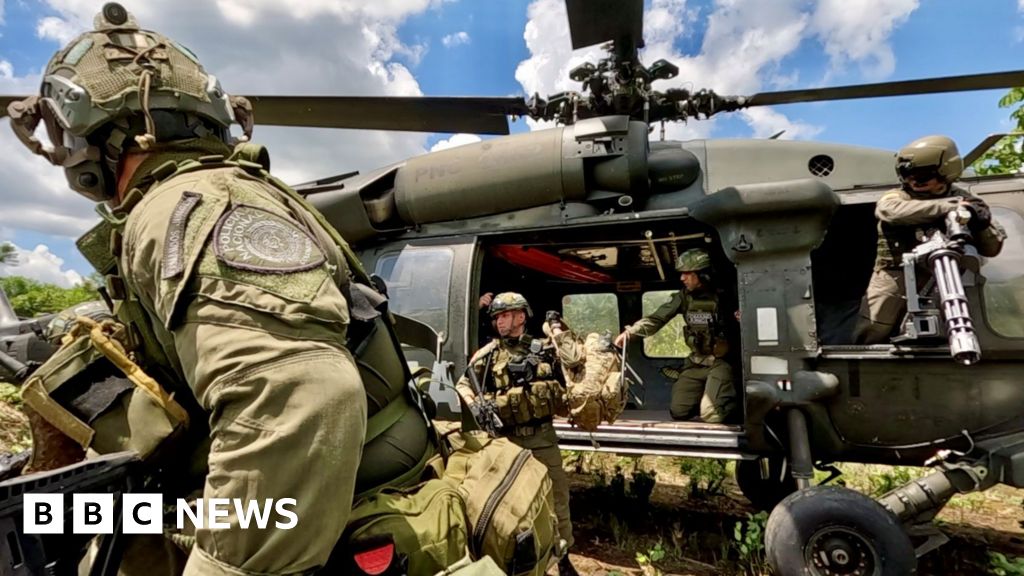
Watch: BBC Reports on Colombian Commandos Staying Strong Against Persistent Drug Gangs

US-Colombia Summit Highlights Strategic Shifts in Latin America

In a significant display of diplomacy and alliance-building, President Joe Biden of the United States and President Gustavo Petro of Colombia recently convened to address shared challenges in the region, with a particular focus on regional security and drug trafficking. These high-level talks mark a renewed commitment from two nations deeply intertwined through history, now confronting contemporary issues with strategic resolve.

The summit occurred amidst an evolving geopolitical landscape, where the U.S. aims to assert its influence in Latin America against a backdrop of rising regional powers and shifting alliances. Critics argue that the meeting underscored the importance of maintaining American dominance through strategic partnerships, especially at a time when drug trafficking remains a persistent threat to stability and public health. The leaders discussed plans to bolster cooperation, including enhanced intelligence sharing, military aid, and joint operations targeting narcotrafficking networks.

In tandem with diplomatic engagements, on-the-ground intelligence operations continue to play a critical role. Recently, journalist Orla Guerin reported from within a Colombian police unit tasked with locating and destroying clandestine jungle cocaine labs—these remote operations are emblematic of the ongoing efforts to dismantle drug trafficking infrastructure. Such units face harsh terrain and sophisticated enemy defenses, illustrating the intensity of the clandestine battle that threatens to spill over international borders. Analysts suggest that these actions are crucial, not only for regional stability but also in curbing the flow of illegal substances into the United States and beyond.

Implications for Regional Security and International Relations

  • Enhanced cooperation between the U.S. and Colombia signals a strategic pivot toward more active counter-narcotics campaigns that incorporate both military and socio-economic measures.
  • The ongoing fight against drug cartels underscores the need for a comprehensive approach—military strikes, community engagement, and international legal cooperation—to effectively weaken these criminal networks.
  • Global institutions, such as the United Nations Office on Drugs and Crime, warn that failure to address these issues could lead to increased violence, migration crises, and regional destabilization, threatening broader international stability.

Internationally, the geopolitical impact of these developments extends beyond Latin America. As the U.S. seeks to maintain influence, some observers highlight the risk of militarization fueling local unrest or empowering authoritarian tendencies, especially in countries like Colombia where government legitimacy remains fragile. Historians and regional analysts caution that the decisions made today could shape the geopolitical fabric for decades to come. Should these collaborative efforts succeed, they could serve as a model for international cooperation against transnational crime. However, failure to adapt strategies or address socio-economic root causes risks entrenching instability and chaos.

As history continues to unfold in the dense jungles and political chambers of Latin America, the weight of choice hangs heavily. The battle against narco-trafficking is more than a fight over illegal substances; it is a defining moment to demonstrate resolve, sovereignty, and the capacity to shape the future. The world watches as these nations forge a fragile path toward stability—an uncertain journey marked by perseverance, diplomacy, and the relentless pursuit of order amid chaos. The next chapter remains unwritten, but its implications will resonate across generations to come.

Brown University Student Shares Resilience: Overcoming Two Mass Shootings and Rising Strong

In the midst of the holiday season, stories of resilience and tragedy weave a somber backdrop, reminding us of the relentless challenge that American youth face daily—the pervasive threat of mass shootings on school campuses. One such story emerges from Providence, Rhode Island, where 21-year-old Mia Tretta reflects on her harrowing experiences, shedding light on the broader cultural shift gripping the nation. Having survived her second school shooting, Mia’s narrative is a stark reminder that safety, once assumed as a given, is now a fragile illusion for countless young Americans. Her harrowing account underscores a critical question: how did a nation that prides itself on innovation and resilience become so desensitized to violence that students must practice *active shooter drills* as part of their routine?

This new era of wellness and lifestyle is marked by an *urgent necessity* to reconsider the very foundation of safety and mental health in schools. The aftermath of mass shootings, including the tragic loss of lives and the lasting physical and emotional scars, ignites debates across political and cultural spectra. Thought leaders such as Dr. Gabor Maté emphasize the importance of addressing underlying societal issues—mental health, gun control, community cohesion—to forge a path toward genuine healing. Yet, despite these expert insights, the ongoing cycle of violence compels schools to evolve into fortified environments, where police presence remains high, and students are equipped with tools for survival rather than true peace of mind. Mia’s story exemplifies a “new normal”—a landscape dominated by *mental resilience* efforts intertwined with visible security measures.*

For those seeking to embrace a lifestyle rooted in *resilience* and *self-reliance*, these events serve as a catalyst for embracing holistic wellness and proactive safety strategies. As cultural critic Camille Paglia points out, there is a value in fostering strength and independence among the youth—a counterpoint to the helplessness often associated with such tragedies. Practical lifestyle shifts include prioritizing physical and mental fitness, cultivating communities of support, and engaging in meaningful political action to advocate for responsible gun legislation.

  • Travel to safe yet inspiring environments—perhaps the scenic landscapes of the American West or the historic beauty of New England—to recharge and gain perspective.
  • Incorporate daily wellness practices such as mindfulness, physical activity, and community service to build *inner strength*.
  • Support organizations that prioritize *youth empowerment* and *gun reform* to channel frustration into tangible change.

Ultimately, the stories of survivors like Mia are not just cautionary tales but also callings to action—an invitation for the younger generation to redefine what it means to live boldly and responsibly. Her courage in sharing her experience at the White House illustrates a profound **personal impact**; not only has she faced her past with resilience, but she also embodies the growing movement of youth demanding change. It reminds us that authentic well-being transcends physical health—it’s about fostering a society where safety and peace are fundamental rights, not privileges. As we reflect on her journey, let us embrace the idea that each day, despite the chaos, offers a chance to forge a lifestyle of courage, resilience, and hope. Those who dare to live consciously, aware of both the vulnerabilities and strengths within, will find in their pursuit a profound sense of purpose—a journey toward embracing life amidst adversity.

Somali-Americans Slam Trump's ‘Garbage’ Comments—Stand Strong and Proud
Somali-Americans Slam Trump’s ‘Garbage’ Comments—Stand Strong and Proud

Geopolitical Shifts Unfold as U.S. Policy Sparks Global Tensions

In an era marked by intense geopolitical realignments, the United States under President Donald Trump has once again sent shockwaves through immigrant communities and international relations alike. Trump’s biting rhetoric targeting the Somali-American community in Minnesota has ignited fears that ripple beyond the local level, illustrating how domestic rhetoric can influence America’s standing on the world stage. His recent comments at the White House, where he declared, “I don’t want them in our country, I’ll be honest with you… their country is no good for a reason,” have been condemned locally and internationally, with community leaders describing his words as dangerous and stigmatizing. Such language not only jeopardizes the safety and integration of immigrant communities but also undermines the moral authority of the U.S. as a leader advocating for human rights and inclusion.

Furthermore, the escalating rhetoric has intensified fears among Somali-Americans, particularly in Minnesota, where the community constitutes a significant demographic. Aj Awer, a community leader, criticized the comments as “not becoming of a president” and warned of the potential for increased radicalization or violence. Analysts from institutions like the International Crisis Group warn that such rhetoric may embolden extremist groups and foster division among societies, ultimately weakening the social fabric of a nation built on diversity. Meanwhile, reports of aggressive immigration enforcement tactics, including federal operations targeting undocumented residents, have added to the climate of anxiety. Observers argue this stance risks alienating immigrant communities and fueling social fragmentation, thereby complicating America’s efforts to project stability and leadership in a turbulent world.

The internal domestic fallout mirrors a troubling trend of recurring accusations of fraud and corruption that the Trump administration has leveraged to justify these hardline policies. In Minnesota, allegations of charity fraud involving Somali immigrants and claims of broad-based “money laundering” have been politicized, leading to an investigation by congressional oversight. Such actions mirror a broader pattern where national security concerns are intertwined with political narratives, complicating efforts to differentiate between real threats and inadvertent stigmatization. Historians like Dr. Kevin B. MacDonald suggest that such policies, if unchecked, could accelerate societal polarization and heighten tensions within immigrant enclaves. Meanwhile, the ending of Temporary Protected Status (TPS) for Somali residents signals a shift toward stricter immigration enforcement, raising questions about the long-term geopolitical impact of these inward-looking policies.

As the world watches, this unfolding chapter underscores the fragility of global stability. The aggressive stance taken by the U.S. not only alienates minority communities but also signals a retreat from its traditional leadership role. International organizations like the United Nations have expressed concern, warning that such divisive policies could destabilize regions already grappling with crisis. The deepening shadows cast by rhetoric, enforcement tactics, and political manipulation threaten to transform domestic discord into an international crisis, rewriting the narrative of American exceptionalism. With history hanging in the balance, the true consequence of these choices remains yet to be written—an enduring testament to the power of words and policies in shaping the course of nations for generations to come.

Europe Finds Its Backbone: Standing Strong Against Russian Aggression in Ukraine

In recent weeks, Europe’s geopolitical landscape has been marred by dramatic disclosures and strategic recalibrations that threaten to reshape the continent’s future security posture. European leaders, led by Kaja Kallas, the EU foreign policy chief, have underscored a stark historical reality: Russia’s record of invasions spans nearly a century, affecting 19 states on 33 occasions. This historical context, drawn from Kallas’s own meticulous research, aims to reinforce a core European concern — that Russian imperialism persists beneath the veneer of post-Soviet diplomacy. Such revelations spotlight the enduring threat posed by Vladimir Putin’s regime, whose refusal to confront its brutal past fuels continued aggression and destabilizes the European order.

Support for this alarm was echoed by other Western leaders, including Germany’s Johann Wadephul and France’s Emmanuel Macron. Wadephul warned that Russia is strategically positioning itself to potentially threaten NATO as early as 2029, amid a ramp-up of nearly one new division a month devoted to targeting Europe and the United States. Macron, describing Russia as “a constant destabilizing power,” emphasized Putin’s relentless effort to revise borders and extend his influence at Europe’s expense. These grave assessments are not mere rhetoric but serve as warnings of an evolving security threat that Europe cannot ignore. Complementing their concerns, UK Prime Minister Keir Starmer stressed that without firm deterrence, Putin’s ambitions to expand once again would inevitably materialize, dragging Europe into a perpetual cycle of conflict.

Meanwhile, the landscape in Washington appears increasingly divided. Unlike the resilient European consensus, US isolationists such as property developer Steve Witkoff and some former Trump officials have discounted Russia’s expansionist motives, proposing a distorted view that portrays Putin as a proponent of peace. Witkoff’s admission that he watched Netflix documentaries to better understand history underscores a troubling trend—a growing skepticism within US political circles about Russia’s true intentions and the threat it poses. Former President Trump’s approach, characterized by offers to reward Russia and avoid severe sanctions, starkly contrasts with European priorities of robust security guarantees. This divergence is shaping a new geopolitical reality, where European security concerns are secondary to a US administration seemingly eager to reconcile with Moscow at any cost.

Crucially, recent revelations of secret US-Russian negotiations—most notably a **28-point plan** aimed at ending the war in Ukraine—have exposed a profound rift. European leaders, including François Hollande and Josep Borrell, decried these plans as an abdication of European sovereignty and a capitulation to Russian demands. Hollande characterized it as a moment of “Europe’s relegation” to a subordinate role under a Russian-American condominium, risking Ukraine’s territorial integrity and future security. Meanwhile, Borrell condemned Washington’s willingness to potentially “sell out” Ukraine’s sovereignty. The plan’s draft, which notably removes critical security guarantees, signals a disturbing trend: the West’s willingness to compromise its principles for a fleeting peace that favors Russian interests.

As history’s pen continues to write, the fate of Ukraine, the stability of NATO, and the moral fabric of European sovereignty hang in the balance. With Putin’s military machine still grinding forward and new diplomatic efforts risking betrayal, Europe finds itself at a crossroads. Will it stand firm against a resurging imperial power, or will inertia and division condemn the continent to a future defined by weakness? As officials weigh options and histories collide, the coming weeks may determine whether Europe continues to play a secondary role in its own destiny or asserts itself as the bastion of sovereignty and security in a world scarred by its past.

Trump praises 'strong' chat with Xi in South Korea
Trump praises ‘strong’ chat with Xi in South Korea

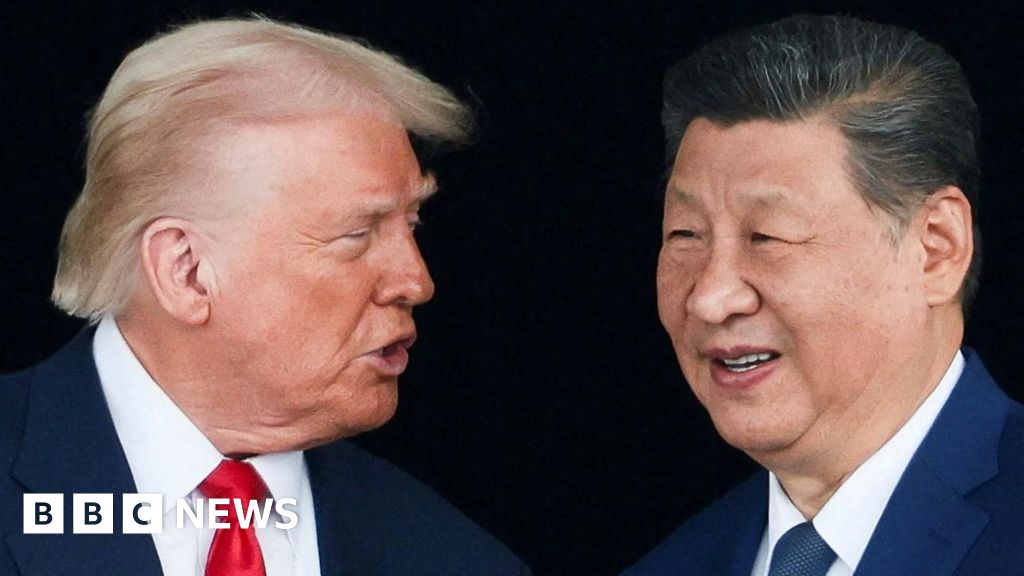
In an era defined by intense geopolitical competition and shifting alliances, the recent meeting between US President Donald Trump and Chinese President Xi Jinping marks a pivotal moment that may signal a tide of strategic recalibration. After a six-year hiatus, the leaders finally convened in South Korea, an event laden with implications for the delicate balance of power on the international stage. While not an outright treaty or comprehensive agreement, the summit has stirred hopes for a de-escalation of trade tensions that have gripped the global economy, revealing how individual decisions at the highest levels can ripple across nations and societies worldwide.

Although the talks did not produce a formal accord, they laid down a strategic framework that analysts and historians are already interpreting as a potential turning point in US-China relations. A key victory for President Trump was China’s agreement to suspend export controls on rare earths—crucial materials that power modern technology, from smartphones to advanced military hardware. The significance of this move cannot be understated; it demonstrates China’s recognition of its leverage and a shift toward engaging more constructively in global trade. Concurrently, Beijing committed to increasing purchases of U.S. farm exports, specifically soybeans, which had been a flashpoint due to retaliatory tariffs. This gesture, lauded by Trump as a major breakthrough, exemplifies how economic incentives and strategic negotiations intertwine to shaping the future geopolitical landscape.

Yet, beneath the surface, the complex chess game between two superpowers reveals entrenched interests and unresolved conflicts. Notably absent from the accord was progress on regulations surrounding TikTok, where U.S. authorities continue to push for extracting the app’s U.S. operations from Chinese ownership—an issue strongly tied to national security concerns. Moreover, the U.S. announced plans to relax tariffs on ingredients used in fentanyl manufacturing, a key issue in the ongoing fight over drug smuggling that has affected American communities and politics. Nevertheless, the continued presence of tariffs exceeding 40% on Chinese imports underscores how unresolved economic tensions remain core to the broader competition. Highlighting the strategic deadlock, Beijing’s permission for Trump to visit China in April symbolizes a cautious thaw, but also a reminder of the fragile diplomacy prevailing between the world’s two giants.

From the vantage point of global analysts and organizations like the International Monetary Fund, this summit is recognized as a critical juncture where decisions made today will ripple through the fabric of international society. China’s leadership, well aware of its strengthened position, entered the negotiations with a tone of measured restraint, clearly knowing its strategic advantage— having learned from previous confrontations, it has diversified its trade partnerships and leveraged its chokehold on rare earths. Meanwhile, Trump’s approach was more unpredictable, marked by tactical concessions and starkly different diplomatic styles, encapsulating the ongoing ideological and strategic contest that dominates the US-China relationship. As world history’s pages turn, the outcome of this diplomatic engagement, seemingly tentative yet undeniably consequential, promises to shape how nations navigate the complexities of global power for generations to come, leaving the informed observer to ponder: how much of the future is truly in our hands, and how much is being written by the strings of geopolitics beyond our control?

Social Media Auto Publish Powered By : XYZScripts.com