
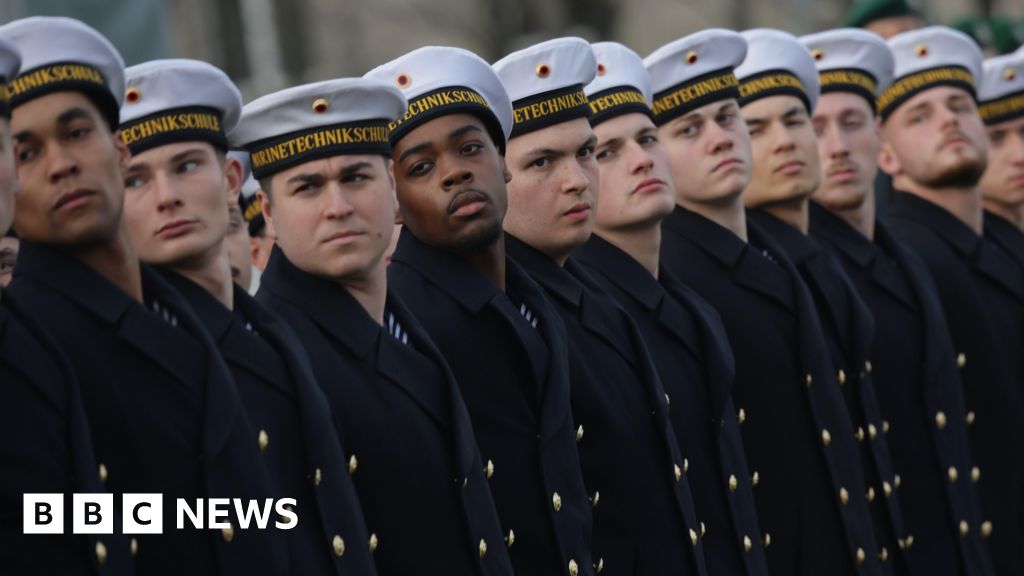

Germany’s Strategic Shift: Reintroducing Conscription in the Face of Rising Threats
In a decisive move emblematic of its shifting geopolitical posture, Germany has announced a comprehensive overhaul of its military policy, aiming to bolster its defenses and position itself as Europe’s most potent conventional force. After months of political debate and strategic recalibration, Berlin committed to reintroduce voluntary military service, starting with a mandatory assessment phase for 18-year-olds. From 2027, all eligible men will also undergo medical screenings, signaling a clear intention to expand the Bundeswehr’s active troop strength to between 255,000 and 260,000 over the next decade. This development underscores a broader realization within the German establishment: the continent’s peace cannot be taken for granted, especially with the evolving specter of conflict in Eastern Europe.
Underlying Drivers: The Geopolitical Chessboard
- Earlier this year, German Defense Minister Boris Pistorius emphasized that there was “no cause for concern” despite the escalation of military readiness, yet international experts remain skeptical. Analyses from NATO allies warn that Russia could launch an attack within the next four years, according to top military officials like Gen Carsten Breuer. This stark warning has prompted Berlin’s ambitious drive to deepen its military capabilities, aligned with President Friedrich Merz’s assertion that “whatever it takes” is now the rule for German defense—an unprecedented stance considering Germany’s Cold War-era reluctance to show military might.
- In tandem, Rheinmetall, Germany’s flagship defense firm, forecasts that the country’s goal to establish Europe’s strongest army is achievable within five years, largely due to soaring demand for military technology, ammunition, and satellite capabilities—driven by the ongoing crisis in Ukraine. Its CEO, Armin Papperger, highlights a rapidly expanding market for military hardware, fueled by rearmament initiatives across NATO nations, many of which have faced increased pressure from the White House to raise defense spending. Such moves not only reshape Europe’s military balance but also position Germany as a critical player in the new era of hybrid warfare.
Societal Reactions and Consequences
However, strong societal currents oppose these reforms. Surveys suggest that while a slight majority of Germans support a reintroduction of military service, opposition among young adults is significant. A recent Forsa poll indicates that 63% of 18- to 29-year-olds oppose compulsory conscription, citing fears of war and a desire for peace. Students like Jimi voice profound reservations: “I don’t want to go to war because I don’t want to die or be shot at,” he explains, reflecting a deep-rooted aversion to violence. Conversely, young recruits like Jason see the military as a means to defend democracy and impose a deterrent effect on potential adversaries, illustrating a divided societal stance that could shape Germany’s future security policies.
Impacts Beyond Germany: A New Geopolitical Arena
The decision to ramp up military strength in Germany resonates far beyond its borders, significantly affecting the European security landscape and altering the fabric of international relations. With NATO’s adversarial dialogue sharpening and Russian territorial ambitions expanding, Germany’s military revival acts as a key strategic pivot—balancing the scales of power among Western alliances and potentially igniting a new arms race on the continent. Historically cautious and post-Cold War reluctant to display its military power, Berlin now faces a pivotal moment in history—one where the choices made today will echo through generations as the continent trembles on the edge of an uncertain future.
As historians and analysts observe, the unfolding trajectory of Germany’s rearmament reflects a broader truth: in a geopolitical chess game dominated by shifting alliances, emerging threats, and the enduring legacy of past conflicts, the decisions made now could determine the course of 21st-century history. Will Europe see peace restored, or will the shadows of conflict lengthen anew? Only time will tell, but the weight of history presses relentlessly forward as nations grapple with the dawn of a new dangerous era.




