
Gaza’s Humanitarian Crisis Sparks Global Reflection on Geopolitics
The conflict in Gaza continues to cast a shadow over international stability, revealing a complex web of humanitarian and geopolitical tensions. Despite a tentative ceasefire, the region remains a battleground of broken borders and unfulfilled promises. Notably, Australian visa holders trapped within Gaza epitomize the international system’s fractured response to the ongoing conflict and displacement crisis. As borders remain sealed and evacuation efforts stagnate, the situation underscores how decisions made in distant capitals — or inaction— deeply affect vulnerable societies and reshape regional alliances.
Since the outbreak of violence, an estimated 600 to 700 individuals with Australian-issued visas remain stranded in Gaza amid a deadly stalemate. Their plight is a stark illustration of the failed international mechanisms to safely evacuate civilians from war zones. The Australian government claims it is doing “all it can” to support its citizens and their families, yet the reality on the ground paints a different picture. Many, like Ahmed Abumarzouq, a Palestinian-Australian living in Perth, see their relatives—particularly teenagers and those in split-family situations—caught in a cycle of bureaucratic limbo, unable to escape the chaos and destruction wrought by escalating military operations.
How international decisions shape refugee flows and societal fractures
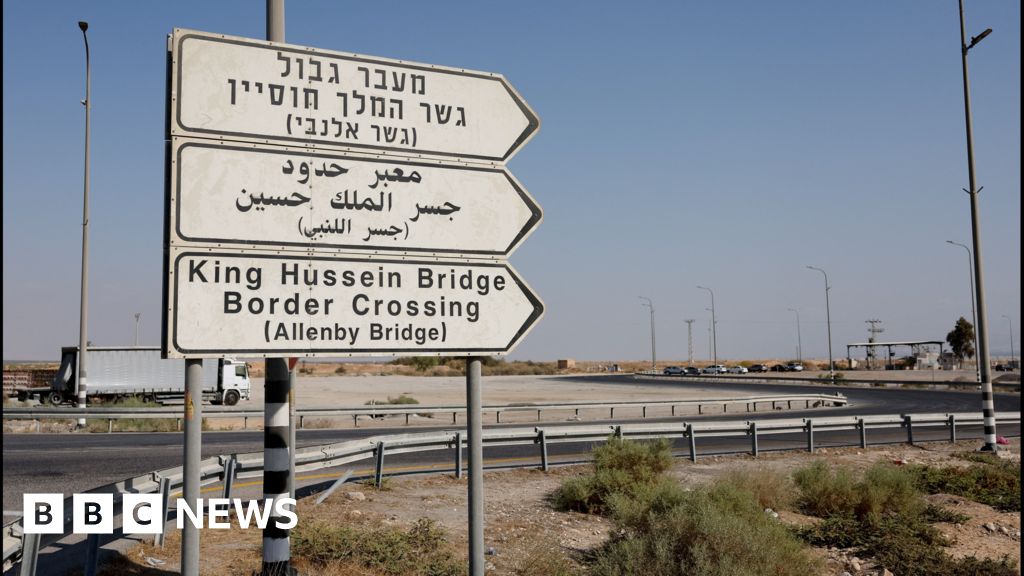
Analysts warn that international diplomacy is at a crossroads. The ceasefire agreement has merely provided a fragile pause in hostilities, not a resolution. As the U.N. and regional powers debate the long-term stability of peace accords, families in Gaza face relentless hardship. The refusal or inability of border crossings—primarily controlled by Israel—to reopen hampers evacuation efforts, fostering a humanitarian crisis that threatens to spill into neighboring regions. Historicians like Mark LeVine caution that prolonged exposure to war will deepen societal divisions and embolden radical factions, reshaping the geopolitical landscape for generations. Meanwhile, Australian officials admit that the “difficulties” of exit highlight flaws within political and diplomatic frameworks designed to protect citizens abroad.
The world’s failing response: a test of international morality
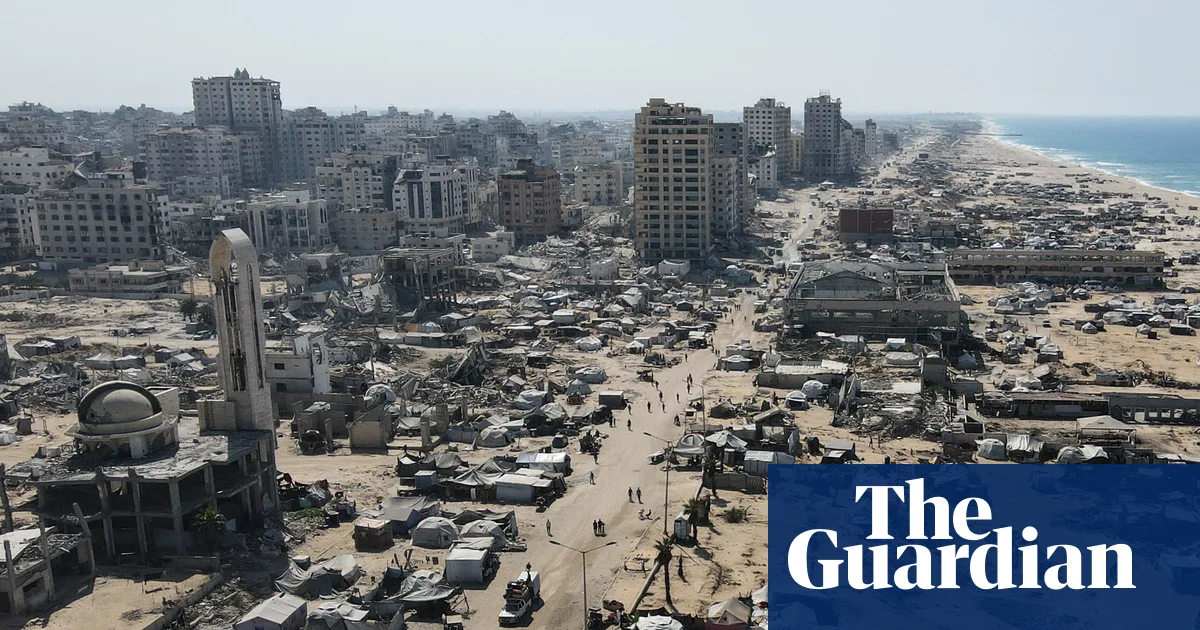
Palestinian organizations and refugee advocates emphasize that many in Gaza are unwillingly displaced—forced from their homes by relentless violence and the strategic might of powerful states. Rasha Abbas, founder of Palestine Australia Relief and Action, reflects this sentiment: “It’s forced displacement. Israel has taken away all security, all safety, and there’s nothing in terms of basic life needs.” With hospitals destroyed, food supplies exhausted, and safety absent, the conflict has become a battleground for global morality. Countries like Australia, the United States, and European Union grapple with their responsibilities and the perception that geopolitical interests often override humane considerations. International organizations warn that, unless collective action is taken, the entrenched suffering will entrench regional instability and fuel future conflicts—destined to echo through history’s corridors as a failure of moral leadership.
The plight of Gaza’s displaced and stranded exemplifies how international decisions—whether to engage, to support, or to turn away—*shape societies*. The current crisis challenges the international community’s capacity to uphold humanity amidst the chaos. As nations weigh strategic interests against moral imperatives, history continues to unfold — a narrative where hope flickers, shadows deepen, and the weight of unresolved conflicts remains heavy upon the pages of history.