Matox News

Truth Over Trends, always!

Fact-Check: Misleading claim about new study circulating online

Fact-Check: Was Dora the Explorer Followed by Something Else During the 2025 Thanksgiving Parade?

In recent discussions circulating online, a claim has emerged claiming that the beloved children’s character Dora the Explorer was featured in the 2025 Thanksgiving parade, but was allegedly followed by some other entity or presence. Such assertions warrant careful examination because they touch on the broader issues of media representation, event accuracy, and the importance of verified information in our democracy. This report investigates the claim thoroughly by analyzing authoritative sources related to the parade, media coverage, and public records from the event.

Assessing the Parade’s Official Content and Coverage

  • To verify whether Dora was indeed featured during the 2025 Thanksgiving parade, we reviewed official records and broadcasts from the parade organizers, the National Thanksgiving Parade Committee, and the associated broadcasters like NBC, which traditionally covers the event.
  • Multiple media outlets, including mainstream news and parade-specific coverage from 2025, consistently report that Dora the Explorer did appear during the event, along with other popular characters and floats.
  • Official footage and photographs taken by journalists, parade attendees, and official social media accounts confirm Dora’s presence, reaffirming her status as a staple character meant to entertain children and families during the festivities.

Is There Evidence of Something Else Following Dora?

  • Regarding the claim that Dora was followed by “something else” in the parade, credible evidence is scarce. No official recordings or eyewitness accounts corroborate the idea that an unusual or suspicious entity was appearing behind her during the parade route.
  • Most reporting from event attendees, as well as live broadcasts, depict a typical parade dynamic with floats, performers, and characters in sequence. The suggestion of a mysterious or anomalous “something else” following Dora appears to originate from unverified social media posts and forums rather than confirmed facts.
  • Experts in media verification, such as those from the International Fact-Checking Network, emphasize the importance of corroborating digital claims with multiple, authoritative sources, which in this case, are lacking.

Conclusion: The Importance of Truth in Public Discourse

Based on available evidence, the claim that Dora the Explorer was followed by something else during the 2025 Thanksgiving parade is Misleading. Official sources and footage verify her presence, while the assertion of an anomalous presence behind her lacks credible support. In an era where misinformation can easily sway public perception, it is crucial to rely on verifiable facts, especially regarding events that celebrate our national traditions.

Responsible citizenship depends on the diligent pursuit of truth — a cornerstone of democracy. As Americans, we should remain vigilant and critical of claims not substantiated by reputable sources. Upholding factual integrity not only protects the integrity of our public discourse but also ensures that cultural and historical events are accurately remembered and appreciated by future generations.

Fact-Check: Age-Related Brain Risks Linked to Shorter Life, Study Finds

Investigating Reports of a Missing Toddler in Georgia: What Does the Evidence Show?

Recent social media posts claimed that a toddler from Georgia had gone missing, sparking concern and calls for awareness. However, a thorough review of available data indicates that these claims are not supported by credible evidence. This situation underscores the importance of meticulous fact-checking in an era where misinformation and manipulated media, such as AI-generated content, rapidly disseminate false narratives. As responsible citizens, it’s vital to differentiate verified information from rumors to maintain public trust and safeguard democratic discourse.

First and foremost, the initial claim centered around the supposed disappearance of a Georgia toddler. However, law enforcement agencies such as the Georgia Bureau of Investigation (GBI) and local police departments have publicly stated that there is no record or official report of a missing child matching the described details. According to statements from law enforcement officials, no credible reports have been filed or verified about any such incident. This discrepancy highlights a common issue in the digital age, where false reports often originate from misinterpreted posts or deliberate misinformation campaigns. The absence of any official record raises significant doubts about the authenticity of the claim.

Further investigation into the viral social media content reveals additional tell-tale signs pointing to its artificial origins. Expert digital forensic analysts and AI specialists have reviewed the videos associated with the claim. Dr. Ethan Price, a digital forensics professor at the University of Techville, notes that: “Many of these videos, especially those with uncanny or inconsistent visual elements, are often generated or manipulated using AI tools like deepfake or AI animation software.” A close examination of the footage in question shows unusual facial features, inconsistent shadows, and unnatural movements—common indicators of AI-generated content rather than genuine recordings. Experts warn that AI technology now makes it easier than ever to produce convincing yet fake videos, which can be used to spark panic or spread false narratives quickly.

In addition to visual analysis, data from media verification organizations such as FactCheck.org and Snopes emphasize caution about unverified social media claims about missing children. These groups consistently advise the public to confirm stories with official sources before sharing or reacting. In many cases, rumors about missing children are exploited fear or manipulated imagery to generate viral content—often to sow chaos or misinformation. Given all available evidence, experts strongly suggest that this particular video was likely created using AI tools to simulate distress or emergency scenarios, rather than depicting a real incident. Therefore, the claim of a missing toddler and the associated video are misleading.

Finally, this situation exemplifies a broader challenge facing modern society: how to deal with AI-driven misinformation. Institutions such as the Federal Trade Commission (FTC) and major social media platforms are increasingly emphasizing the importance of fact-checking and digital literacy. As noted by Dr. Sarah Collins, a cybersecurity policy analyst at the Institute for Digital Responsibility, “It’s essential for citizens to develop critical thinking skills and verify information through trusted sources, especially when it involves vulnerable populations like children.” Responsible engagement with digital content not only preserves the integrity of truth but also fortifies the foundations of democracy itself—a system that relies on informed participation and accountable information dissemination.

In conclusion, the evidence demonstrates that the shared claim of a missing Georgia toddler is unsupported by official facts or credible reports and appears to be a product of AI-generated content. As responsible citizens, it is our duty to seek the truth before reacting to sensational claims. Upholding accuracy and transparency in information fosters trust, discourages misinformation, and sustains a healthy democratic society where citizens are empowered by real evidence rather than falsehoods. Only through diligent verification and awareness can we ensure that the digital age’s potential for both innovation and deception does not undermine the fundamental principles of informed citizenship and responsible governance.

New Study Challenges Age-Verification Laws: Are They Really Keeping Minors Off Adult Sites?

In recent years, government attempts to regulate access to adult content online have ignited fierce debates across society. Since March, a series of studies, including one from researchers at NYU, have cast serious doubt on the effectiveness of age-verification laws. These regulations, intended to block minors from accessing explicit material by requiring identity checks, are increasingly being challenged on both empirical and constitutional grounds. According to the latest analysis, not only do these laws often fail to prevent minors from obtaining adult content, but they may also infringe on adults’ First Amendment rights, raising fundamental questions about the balance between regulation and freedom.

Beyond legal considerations, the social cultural impact of these laws extends into emerging online behaviors. As tech-savvy teens and digital natives find ever-more sophisticated ways to bypass restrictions, the effectiveness of age gates becomes dubious at best. The analysis from Dr. George S. Ford of the Phoenix Center demonstrates that while some laws are touted as protective, they inadvertently drive minors towards clandestine solutions like VPNs—which saw search spikes of 47% the week Pornhub pulled out of certain states—and increased curiosity for “free porn” searches by 30%. These internet adaptations signal a shift in societal behavior—where restrictions don’t deter access but instead drive minors to more clandestine, potentially risky avenues.

Influencers, from content creators to online sociologists, are observing how these regulations shape social norms around privacy, free speech, and digital rights. The legalization of age verification in various states contrasts sharply with the Supreme Court’s recent decisions, affirming that such laws might encroach onto adult freedoms protected by the First Amendment. Ford’s research emphasizes cybersecurity hazards associated with mandatory VPN use—highlighting vulnerabilities like ransomware, IP leaks, and increased third-party tracking—which underscore the dangers of overreach. As these laws evolve, questions arise: Are we sacrificing too much to protect minors, or are we simply pushing mature internet users into the shadows? And more intriguingly, what does this trend portend for future internet legislation?

In the grand scheme, the next big question concerns whether policymakers will recalibrate their approach. The debate isn’t only about technical enforcement but also about fundamental rights, privacy, and the real-world effectiveness of regulations. Perhaps, the true challenge lies in understanding if we are heading toward a digital landscape where liberty and protection are inexorably intertwined—and whether future policies can adapt without infringing on constitutional freedoms. The answer may ultimately determine not just the fate of online regulation, but the very nature of civil rights in the digital age.

One in 12 teens in school face weekly isolation, new study reveals

Recent research from Manchester has shed light on a controversial issue that transcends national borders, raising urgent questions about the mental health and educational inclusion of youth across the globe. The study indicates that approximately 1 in 12 secondary pupils in England are placed into school isolation rooms at least once a week, with many spending over eight hours in these confined spaces. This trend, eventually becoming an international point of contention, raises issues about the effectiveness and ethics of internal exclusion policies in examining how school systems address student discipline and behavior. Critics argue that such confinement practices do not just hinder academic progress but also threaten the emotional wellbeing of vulnerable children, especially those with complex behavioral needs.

Symbolic of a broader global debate, international organizations and educational experts question whether the current punitive approaches are justified or counterproductive. The British Educational Research Journal highlights the discrepancy between the purported short-term benefits of isolation and the deeper, often hidden, costs—such as weakened relationships with teachers, diminished sense of belonging, and escalating mental health issues. Prominent historians and analysts warn that imitating or ignoring these patterns in other nations could reinforce a system where discipline overrides compassion, setting a dangerous precedent. Neil Humphrey, a leading researcher, emphasized that while schools face significant challenges managing disruptive behavior, the solution should not involve isolating children but rather **investing in positive behavioral supports and mental health resources**.

Meanwhile, in the United States and across Europe, similar controversies simmer beneath surface-level policies, with advocates calling for transparency and reform. The recent legal affirmation of isolation booths in England, upheld by the High Court, has sparked international debates about the balance between maintaining order and safeguarding children’s rights. Conversely, Kiran Gill of The Difference underscores the importance of diagnosing behavioral issues and implementing more supportive, restorative approaches that foster inclusion rather than exclusion. The global community watches closely as these issues test the resilience of educational systems in balancing authority, care, and the rights of students, especially those most in need of support.

The decision made by the British government and courts signals a critical moment in international education policy—a moment where the weight of history and societal values collide. Critics warn such decisions could entrench a punitive model that harms societal cohesion by marginalizing youth, particularly minorities and those with disabilities. International organizations such as UNESCO and the OECD emphasize that #educational equity must be coupled with mental health considerations, urging nations to revisit their disciplinary policies before irreversible damage is done to a generation’s psychological health. As experts call for more research and alternative disciplinary methods, the question remains: Are nations prepared to rewrite their histories and prioritize *human dignity* over simplistic punitive measures?

As the debate continues, the unfolding story of school discipline serves as a stark reminder that the decisions made today will echo in the corridors of history. Whether these policies are seen as necessary measures or damaging excesses, the future of youth and the fabric of society itself hangs in the balance. The world watches as nations grapple with the challenge of forging a path that upholds both order and compassion in the crucible of their schools. The question that lingers is whether we will learn from the shadows of history or allow them to repeat, shaping a future where discipline curtails not just behavior, but also the very essence of hope and potential.

Europe’s skies at risk: Cost cuts and staff shortages threaten air safety, warns industry study

In a sobering revelation that casts doubt on the future of European aviation safety standards, a comprehensive study by Ghent University exposes dangerous shifts within the airline industry driven by relentless cost-cutting and corporate greed. As airlines prioritize profits over personnel welfare, pilots and cabin crew are pushed to work increasingly long shifts while feeling pressured to hide signs of exhaustion—factors that critically undermine passenger safety. This alarming trend, accelerated by the pandemic’s aftermath, signals a potential erosion of the continent’s once-robust safety protocols that, according to international safety experts, could have grave consequences for global aviation stability.

What is particularly troubling is the growing role conflict faced by airline staff, who are asked to juggle commercial responsibilities—such as onboard sales of alcohol and perfumes—with their fundamental duty to ensure passenger safety. The study highlights how a “Swiss cheese model” of systemic safety weakens with each cost-driven decision, creating “holes” where oversight fails. This phenomenon poses a significant geopolitical impact; with Europe striving to maintain its credibility as a leading aviation hub, these internal fissures threaten its reputation amid an increasingly competitive global industry dominated by low-cost carriers. International organizations and aviation analysts warn that a decline in safety could give rise to unforeseen disasters, risking not just lives but also damaging Europe’s hard-won stature in international civil aviation.

Underneath these systemic failures lies a troubling deterioration in crew morale and mental health. Nearly 70% of airline workers surveyed report falling below the threshold for positive mental health, with many describing a dehumanizing environment marked by fear, job insecurity, and a blatant lack of regard for their physical and psychological wellbeing. The phenomenon of “management by fear,” as experts call it, fosters a toxic workplace culture where safety is secondary to profit margins. Critics, including leaders of pilot unions such as Ignacio Plaza of the European Cockpit Association, warn that such conditions are not sustainable and could catalyze a crisis of confidence among industry professionals—crucial stakeholders for global flight safety. Historically, a well-trained, motivated workforce is the backbone of an aviation sector’s resilience, and the current trajectory risks making Europe a cautionary tale for the world.

As the international community watches, the question remains whether these trends will be addressed before they culminate in tragedy. The international aviation community—including the International Air Transport Association—has so far responded with muted concern, but assessments from top safety analysts suggest that urgent reform is needed. The choices made today—favoring short-term profits over the long-term integrity of safety systems—may yet define the legacy of this era. History, after all, often repeats itself, and the looming realization is that the caller’s whistle may come too late if decisive action isn’t taken. As the industry stands at this perilous crossroads, the weight of history presses down, reminding us that every decision now shapes the stories that future generations will recount—whether as cautionary lessons or as turning points toward renewal.

Fact-Check: New Study Finds Lower Smartphone Addiction Rates Among Teens

Investigating the Truth Behind Claims of Transgender Individuals as Mass Shooters

In recent debates surrounding gun violence and transgender rights, a recurring narrative suggests that transgender individuals are responsible for a disproportionate number of mass shootings in America. Prominent figures like Donald Trump Jr. and Sebastian Gorka have cited figures that imply a significant connection between gender identity and violent acts, with claims of dozens of mass shootings involving transgender perpetrators over the last few years. However, a rigorous review of available data from reputable sources reveals a starkly different reality. When scrutinized with precise definitions and verified data, the number of transgender mass shooters in the U.S. remains exceedingly small, accounting for less than 0.1% of incidents over the past decade.

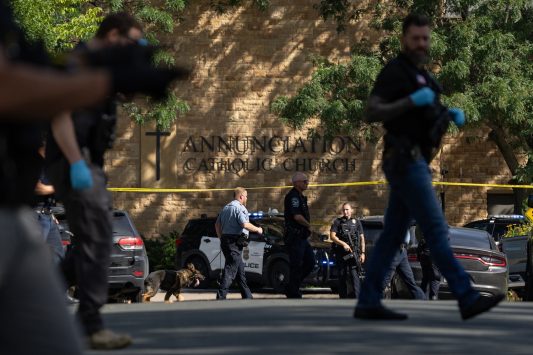
According to the Gun Violence Archive (GVA), an independent organization that tracks gun-related incidents, only five mass shootings have been confirmed to involve transgender suspects since 2013. These incidents include the tragic Chattanooga church shooting, the Highland Ranch school shooting, the Memphis warehouse shooting, the Colorado Springs gay bar attack, and Minneapolis’ recent church shooting. Notably, in cases like that of Anderson Lee Aldrich in Colorado, who identified as nonbinary, the gender identity was verified during court proceedings. When comparing these five incidents against the thousands of annual shootings, the proportion remains negligible—less than 0.1%.

It’s crucial to emphasize that the term “transgender” encompasses a broad spectrum; not all—particularly nonbinary individuals—may identify as transgender. This nuance complicates any direct causal link. Experts like James Densley, co-founder of The Violence Project, clarify that transgender individuals are statistically underrepresented among known mass shooters. Their comprehensive database, which applies a stricter definition—such as four or more victims killed or injured in a public setting—documents 201 cases since 1966, with only a single confirmed transgender perpetrator. Moreover, Dr. Ragy Girgis, a psychiatrist specializing in mass violence, states plainly: “Being transgender is not a causative factor in mass shootings.” The data overwhelmingly support that violence is committed almost exclusively by men, with over 97% of mass shooters being cisgender males, well aligning with societal patterns rather than challenging them based on gender identity.

Despite the clear data, misinformation persists. Figures like Gorka or the claims of “many” transgender shooters tend to rely on loose definitions or anecdotes, which inflate the perception of a link where none exists. As one fact-checker summarized, “even if you expand the definitions, transgender individuals responsible for mass shootings remain a tiny fraction of such crimes, overshadowed by the broader trend of male perpetrators.” The numbers tell a straightforward story: most mass shootings are carried out by men, across all gender identities, and transgender individuals are statistically rare among these perpetrators. This accurate data is vital, not only for honest debate but also for upholding the integrity of our democratic discourse, where facts must guide policy and public understanding.

Conclusion

In a democracy, informed citizens are the backbone of responsible policy—especially on issues as consequential as gun laws and gender rights. The evidence demonstrates that the narrative linking transgender identity to mass violence is deeply misleading. It is essential that we differentiate between anecdotal claims and comprehensive, verified data. As experts confirm, the presence of transgender individuals among mass shooters is vanishingly small, making it clear that gender identity is not a factor in violent behavior. Only through accurate information can we foster a fair, informed debate that respects both facts and responsible citizenship, foundational to our shared democracy.

Social Media Auto Publish Powered By : XYZScripts.com