Matox News

Truth Over Trends, always!

V&A to Spotlight Schiaparelli: The Art, Style, and Innovation Shaping Tomorrow’s Trendsetters

In 2023, fashion’s fascination with extravagance and outré design reached a new peak as Kylie Jenner took to the marble steps of Paris’s Petit Palais, donning an eye-catching outfit featuring a fake lion head attached to her dress. While her statement look might have raised eyebrows at first, it spotlighted a broader shift in cultural values: the rising celebritainment-driven phenomenon of turning fashion into a form of theatrical self-expression. This isn’t just about high society’s whimsy; it’s a vivid reminder of how social media saturation has propelled fashion into a hyper-stylized, image-conscious arena where every look becomes a statement—often fleeting but endlessly viral.

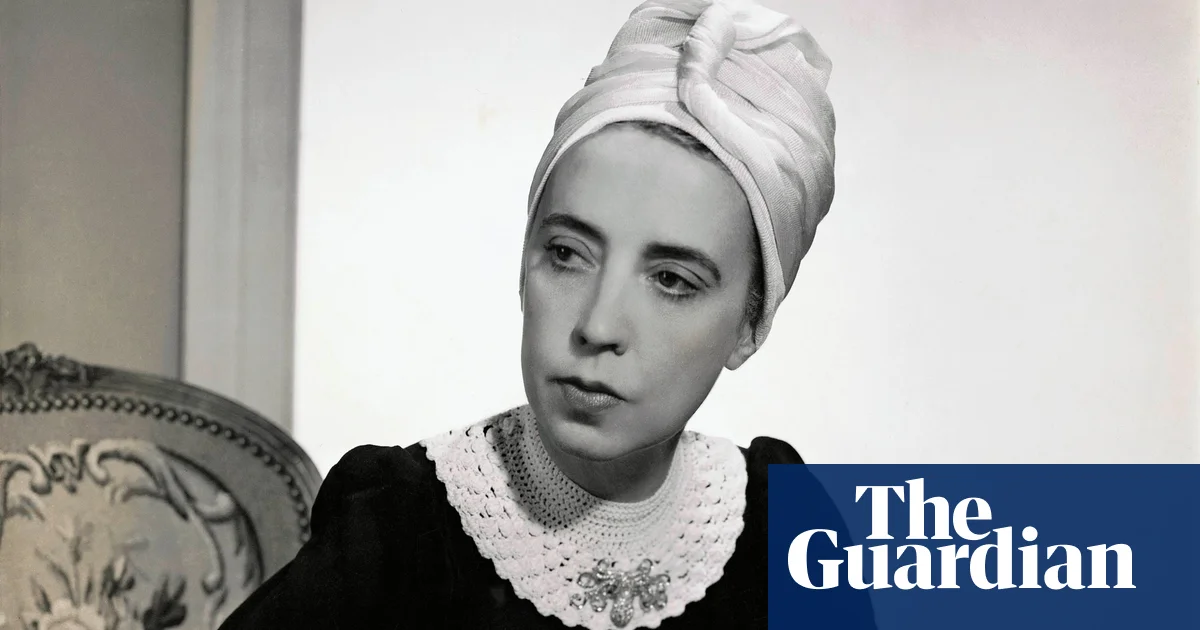
What’s truly notable, however, is that this trend has deep roots in the legacy of icons like Elsa Schiaparelli. The V&A’s latest exhibition on the legendary Italian designer makes this connection clear: today’s BIG moments in fashion—be they red carpet crushes or TikTok trend cycles—are echoes of Schiaparelli’s original approach to culture creation. As Roseberry, designer derrière Schiaparelli’s modern revival, puts it, Elsa was not just a dressmaker but an image-maker and culture creator. Her collaborations with avant-garde artists like Salvador Dalí and her innovative trompe l’œil techniques continue to influence contemporary designers like Martin Margiela and Rei Kawakubo. This synergy between art and fashion exemplifies how design is intertwined with broader societal narratives.

Elsa Schiaparelli and Salvador Dalí collaboration, 1938
Skeleton dress, designed by Elsa Schiaparelli and Salvador Dalí, 1938. This piece exemplifies her mastery of surrealist design, a hallmark that continues to inspire haute couture today.

Fast forward to 2024, and the impact of Schiaparelli’s daring aesthetic is palpable in the brand’s haute couture collections. A recent show featured whimsical pieces like glittery robot babies and trompe l’œil leather and knitwear hybrids that seem to defy conventional textile logic. The brand’s knack for blending wit, humor, and wearable art has secured its status as a cultural powerhouse while resonating with a new generation eager for authenticity tinged with spectacle. Influencers like Bella Hadid and Teyana Taylor have been seen sporting these inventive looks on red carpets, making Schiaparelli a staple of the social media-era wardrobe.

  • The “Schiap pack”—a term affectionately coined in fashion circles—references the brand’s signature couture looks that continue to dominate Instagram feeds and TikTok videos.
  • Designs feature tongue-in-cheek accessories like brass necklaces shaped like lungs or crystal thongs, emphasizing the brand’s mastery of humor balanced with high fashion.
  • The V&A’s retrospective aims to draw over half a million visitors, showcasing how the brand’s edgy, provocative style has seeped into mainstream consciousness, redefining what it means to be trendsetting.

While the spectacle of fashion’s current moment is truly flamboyant, the underlying question remains: are we witnessing a passing trend driven by social media’s short-lived attention span, or is there a deeper cultural shift towards viewing fashion as performance art and personal identity? As designers like Roseberry continue to weave the threads of history and modernity, the next big question becomes: will the future of style embrace even more technological integration and boundary-pushing creativity, or will it settle into a more sustainable, understated aesthetic? The answer might well determine whether fashion continues to serve as a mirror of social values—oscillating between absurdity and authenticity—or transforms into something entirely new.

Swapped Spotify for an MP3 Player for a Week: Breaking Free from the Algorithm Was a Challenge, but Worth It | Life & Style

In a world dominated by instant access to unlimited streams and curated playlists, a newfound appreciation for the analog lifestyle is capturing the imagination of the next generation. This week-long experiment of living without Spotify, Apple Music, or any online streaming service revealed how a conscious shift toward traditional audio devices can profoundly impact one’s sense of connection, mental clarity, and overall wellness. As digital detoxes become more mainstream, inspired by cultural shifts and a desire to rediscover simplicity, many young people are embarking on a journey to reclaim control over their leisure and mental space, shedding the addictive scroll of endless content.

The resurgence of analog—from the revival of CDs, vintage record players like Victrola, to the reappearance of MP3 players such as the Echo Bluetooth unit—signals a cultural reinvestment in tangible, authentic experiences. Wellness advocates like Liz Pelly emphasize that disconnecting from algorithms and embracing the tactile not only fosters a more meaningful connection to music but also offers a form of mental reset from the digital overload many face daily. During this week, the personal impact was palpable: with fewer distractions, the individual reported feeling a deeper bond with the music, associating albums and artists more intentionally rather than passively consuming snippets via algorithmic playlists.

For a generation that’s increasingly aware of smartphone addiction and constant connectivity, these shifts highlight a broader lifestyle movement: a conscious effort to embrace wellness through simplification. Practical daily hacks—such as carrying a portable MP3 device, investing in a retro record player, or downloading podcasts directly via RSS feeds—are empowering youth to regain focus, enhance creativity, and improve overall mental health. Travel and leisure routines are also transforming, with more adventurous young explorers seeking hidden gems and off-the-grid experiences, often armed with vintage tech and a mindful attitude towards screen time. Such typical lifestyle hacks are shared on platforms like The Guardian’s VidaTrend, emphasizing that less often equals more in a fast-paced world.

This movement also deeply influences personal wellness. Studies have linked excessive screen time with heightened anxiety and reduced mental clarity. As young people opt for less digital distraction, they experience greater focus, emotional resilience, and authentic leisure. The journey of a week without streaming underscores that disconnecting from the digital can be an act of self-care, fostering a richer emotional landscape through music in full, intentional listening, and silence. While antiquated technologies might seem counterintuitive in our hyper-connected era, they serve as _reminders that true wellness thrives in balance, not excess_.

As life continues to move at a relentless pace, the importance of embracing the analog offers a lesson: that lifestyle is fundamentally about intentionality. Choosing what to consume, how to spend leisure time, and how we engage emotionally with art becomes a conscious act of self-empowerment. Connecting with tangible objects and simple routines restores a sense of authenticity, making each moment more meaningful. It is perhaps this very process that resonates most deeply—the idea that lifestyle is not just about possessions but a personal journey toward well-being, focus, and inspiration. As individuals take these small but profound steps, they forge a path into a world where balance and authentic connection reign supreme—an evolving landscape where less truly becomes more in shaping a life worth living.

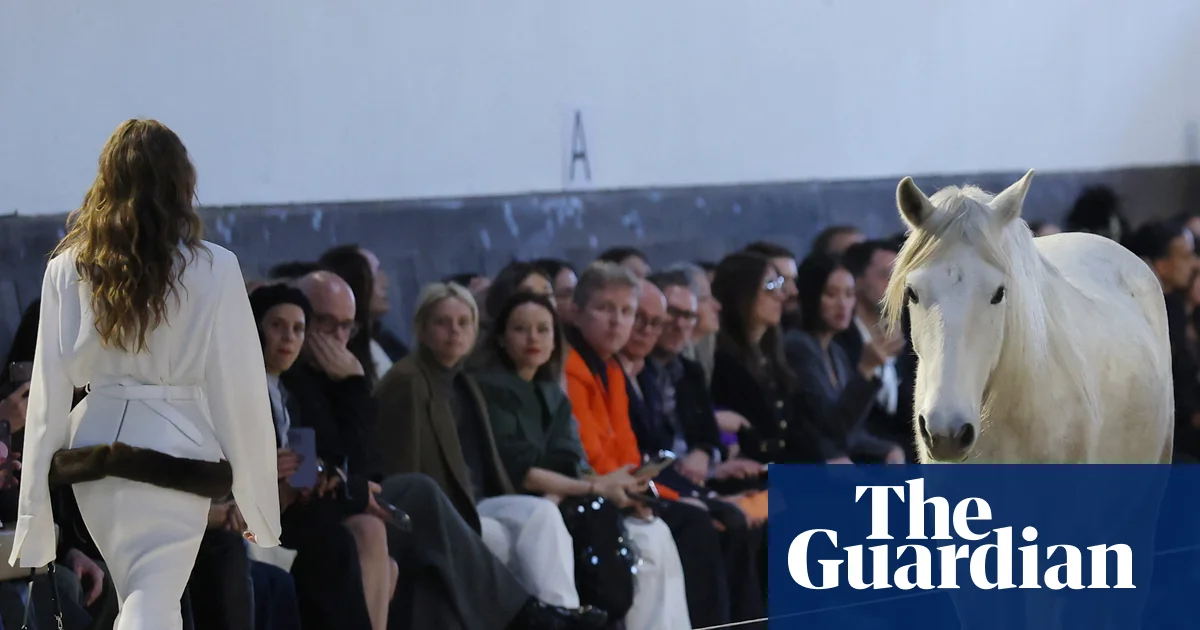
Stella McCartney’s Paris Show Takes Fans on a Rapid Run Through Her Life and Style

In an era defined by rapid shifts and social consciousness, the recent spotlight on fashion industry icons reveals much about where youth culture is headed. Stella McCartney‘s 25-year journey not only symbolizes resilience within a notoriously fickle industry but also exemplifies how the nexus of sustainability and celebrity influence continues to shape conversation among Gen Z and millennial audiences. Her Paris Fashion Week showcase was more than just a collection; it was a cultural event layered with symbolism—from a nod to her childhood on Mull of Kintyre to her commitment against animal cruelty—yet, beneath the surface, it signals a broader societal shift: that values-driven consumption is becoming a defining metric for youth identity.

What’s particularly remarkable about McCartney’s approach is her embrace of cutting-edge

innovations — like turning brewed protein into knitwear. This seemingly niche tech has sparked a movement that extends beyond fashion into social debates about environmental responsibility. Influencers, such as Emma Chamberlain or Lizzo, are amplifying these messages through social media, framing sustainability as not just a trend but a core cultural value. Meanwhile, fashion analysts underscore how such endeavors serve to redefine what authentic luxury looks like, moving away from traditional leather and fur towards ethical, tech-infused alternatives. This evolution repositions youth as active consumers who demand transparency and social justice, effectively transforming fashion into a mirror for societal evolution.

At the same time, industry legends like Pieter Mulier are quietly rewriting the script on leadership and artistic integrity. As he prepares to undertake the helm at Versace, critics are watching how his sculptural, anti-trend aesthetic resonates with a generation craving individuality over conformity. His signature perforated stilettos, now a high-street viral hit, exemplify how high fashion’s forward-thinking impacts mainstream shopping behaviors. This, combined with the recent transition of the fashion world at events like Paris Fashion Week, shows a shifting dynamic—where traditional brands are integrating tech-driven innovation and social consciousness into their core identity. Influential figures such as Oprah Winfrey sitting front-row reinforce the social relevance of these shifts, signaling that fashion remains a battleground for cultural influence and social capital.

Yet, amid the grandeur and symbolism, a fundamental question emerges: as the fashion industry shifts towards sustainability and social activism, who will ultimately dictate what’s considered authentic? Will consumers continue to prioritize these values over mere aesthetics, or might they someday fall prey to new trends that superficially tout social causes without real substance? As youth-oriented trends adapt to an ever-changing social landscape, the next big question is whether this cultural momentum will sustain or if it will be just another chapter in the ongoing story of market-driven activism. In a world where a designer’s statement vest can encapsulate decades of personal history, this cultural evolution prompts us to ask: what is the true future of authenticity in fashion—and society—at large?

Jess Cartner-Morley’s pro tip for your style game: Boost your look in a flash—just throw in a touch of shine!

In a world dominated by instant gratification and fast-paced lifestyles, a shift is quietly underway in how the younger generation approaches fashion and personal expression. Once reserved for red carpet events and high-profile galas, the art of dressing up has become less about extravagance and more about curated simplicity with impactful details. Today, style icons and influencers are championing a new ethos: looking effortlessly polished with minimal fuss. The trend isn’t just about clothing—it’s a cultural statement towards embracing a bespoke, do-it-yourself approach to beauty and style that resonates profoundly across social strata.

This movement champions the idea that accessories and subtle highlights can elevate any basic outfit into a statement of individuality. A delicate glint of hardware on shoes or jewelry—think a simple belt with a striking buckle or a pair of shimmering earrings—transforms the mundane into the extraordinary. Vogue’s Chioma Nnadi recently demonstrated this with her styling, flaunting tailored pieces enhanced by meaningful accessories. The social relevance of this approach underscores a broader cultural shift: the rejection of overly ostentatious displays in favor of understated sophistication. Influencers like @TheFashionBlogger and sociologists studying youth culture highlight this as a move towards authenticity, where personal style becomes a form of subtle rebellion against the throwaway fashion of the past.

Beyond accessories, fabrics that quietly catch light, like silk, are gaining new appreciation as punches of understated glamour. A silk shirt — versatile enough to pair with jeans or tailored trousers — embodies that delicate balance of comfort and class. An overall emphasis emerges: the return of functional elegance. This is simultaneously a practical response to busy schedules and a cultural statement that values self-possession without loud flash. As a result, the humble belt with a metallic buckle has returned to prominence, acting as a simple but powerful tool for defining silhouette and adding structure. Fashion analysts suggest that this reflects a deeper societal desire for control—over time, over personal identity, and over how meaningful self-presentation can still be achieved without draping oneself in overtly showy outfits.

As this movement continues to flourish, the big question remains: what will be the next evolution in this quest for effortless yet impactful style? Will emerging tech, such as AI-driven personal styling or sustainable fashion innovations, redefine what it means to appear polished in a digital world where authenticity reigns supreme?

12 Game-Changing Laundry Hacks Every Young Rebel Needs to Tackle Chores with Ease | Life & Style

In the pursuit of embracing a more sustainable, intentional lifestyle, many young people are rethinking traditional laundry routines—opting for smarter, eco-friendlier choices that make a personal impact on health, leisure, and even home aesthetics. The modern laundry enthusiast is increasingly prioritizing quality over quantity, seeking products and habits that align with a wellness-focused worldview while still maintaining efficiency and style. From investing in durable clothespins to modernizing washing machines with internet connectivity, these small yet significant shifts are transforming everyday chores into moments of mindful living.

Take, for example, the rise of ash hardwood clothespins—a simple upgrade with notable benefits. Unlike standard plastic or wooden variants that discolor, stain, or rust over time, these high-quality clothespins made from ash hardwood with stainless steel springs are built to last. They grip clothes more firmly, resist weathering, and infuse the drying process with a touch of rustic charm. Julia Skinner, a celebrated lifestyle writer, extols their virtues, emphasizing that such accessories do more than just hold laundry—they embody a commitment to sustainable living. Likewise, homes are increasingly equipped with multi-section hampers—designed to revolutionize the chores of sorting laundry. By separating whites, darks, and delicate fabrics at the point of deposit, busy lives are simplified, reducing the stress of post-wash sorting and fostering better garment care.

Technology also plays a pivotal role in this lifestyle shift. The integration of Wi-Fi connected washing machines—like LG’s flagship models—exemplifies how innovation can elevate routine chores into the realm of convenience and personalization. These devices allow users to control cycles remotely via smartphone apps or voice assistants such as Alexa and Google, transforming laundry into a seamless, smarter experience. This not only reduces waste and energy usage but also encourages a more deliberate approach to home management—one that aligns with the modern appreciation for tech-driven efficiency. Similar enhancements include dedicated cleaning tablets, like Affresh, that target bacteria buildup in washing machines—preserving appliance health while safeguarding personal hygiene. This automates maintenance, ensuring every load is not just clean but hygienic, reinforcing the importance of self-care and wellness in daily routines.

Further emphasizing wellness shifts, the market now embraces environmentally conscious detergents branded as vegan, biodegradable, and highly efficient. Products like Dirty Labs Bio Enzyme Laundry Booster and Detergent exemplify this trend, combining sustainability with power. For sensitive skin, they are a kinder alternative, while their concentrated formulas highlight a philosophy of waste reduction—necessitating less product per load and minimizing packaging. Similarly, aromatic products such as Trudon wax melts offer an aromatic layer to home wellness, transforming mundane spaces into fragrant sanctuaries. Fragrance experts, including those highlighted by cultural figures like Oset Babür-Winter, confirm that such sensory experiences can uplift mood and hospitality, making daily routines more about self-encouragement than chores.

To optimize the entire laundry experience, smart accessories are increasingly popular. Items like the Singer fabric shaver and lint remover help maintain garments’ longevity, preventing pilling and textile defects while reinforcing a zero-waste ethos. When paired with containers such as reusable lavender dryer bags—a charming, aromatic alternative found at places like Trader Joe’s—the routine becomes an act of love for both fabric and planet. These small innovations contribute to a lifestyle of refinement, where sustainability is not a compromise but a personal statement crafted into daily decisions, and where modern technology gently nudges individuals toward their best selves.

As the journey of home and self-care unfolds, it leaves a lasting impression: that lifestyle is an ongoing pursuit—an act of embracing purposeful change. Every upgrade, from the simple durability of a clothespin to the intelligent control of a Wi-Fi washer, speaks of an individual eager to enhance their environment and personal wellness. In choosing products that blend efficiency with eco-consciousness and comfort, the modern youth is rewriting the narrative of chores into one of resilience, beauty, and mindful consumption. This dance with daily routines transforms them into reflective rituals, reminding us that in every act of care, there lies a subtle yet potent step towards a life truly well-lived—one where even laundry becomes an understated expression of self-respect and liberation.

Hannah Spencer’s Bold Waistcoat Serves Up Politics with a Trendy Twist — TikTok’s New Favorite for the Youth Style Scene

Viral Colors and Youth Culture: The Rise of “Gross Green”

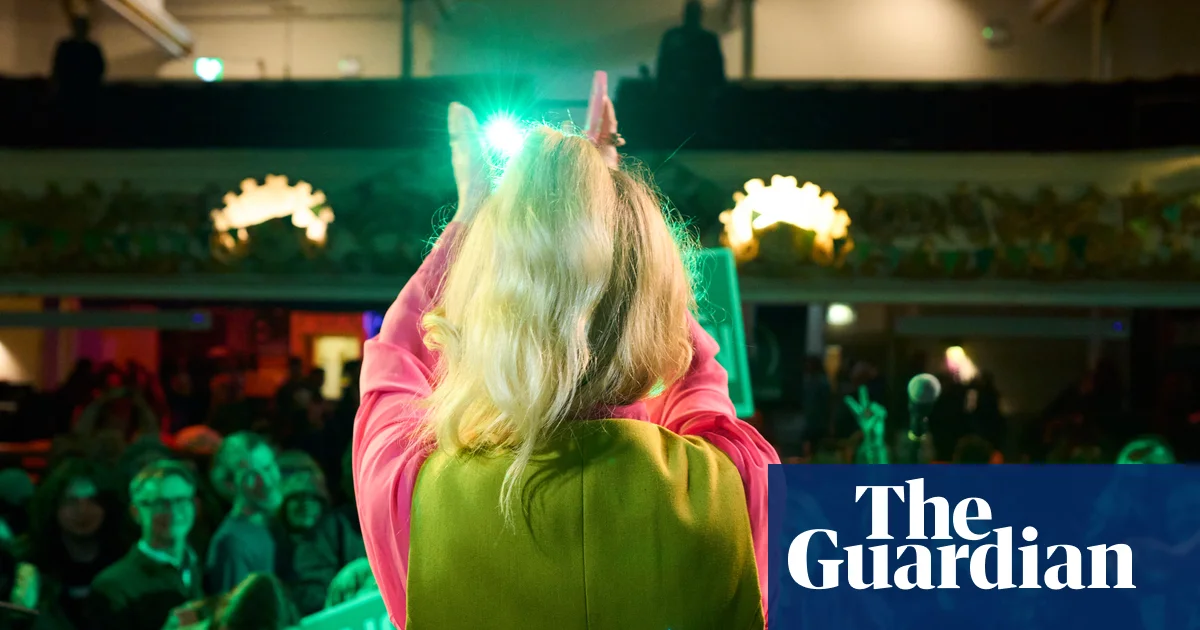
In a world where social media continually reshapes how we communicate, color trends have become more than just aesthetics—they’re now carriers of social identity and political statement. The latest wave? “gross green”. Coined by New York magazine and rapidly making its way onto high street labels and even book covers, this shade of chartreuse isn’t just a color—it’s a mood. It embodies a rebellious, playful attitude that resonates deeply with younger audiences eager to express individuality and cultural alignment through something as simple yet provocative as wardrobe choices. When Hannah Spencer, the newly elected Green Party MP, was spotted wearing this “gross green” outfit during her press conference, she unintentionally became a trendsetter, signaling her awareness of the social zeitgeist.

What’s fascinating is just how intentional and layered this phenomenon is. Spencer, a 34-year-old millennial, appears to understand the social capital in adopting such a viral hue—knowingly embracing a “statement color” that ties her political platform to the broader youth-driven aesthetic. During her brief appearance, she changed her undershirt from one shade of green to another, underscoring the precision with which digital-native figures now curate their image. This shift isn’t random; it’s an astute move to align with the cultural language of her generation. Prior to her, figures like Kamala Harris mastered this art, meme-ing a color into the political landscape with her “brat green”—a summer hit that did more than turn heads; it crafted a viral symbol for political engagement.

These trends underscore a larger socio-cultural shift: the merging of fashion, politics, and social media into a seamless narrative. Influencers, sociologists, and brand analysts argue that in an era of fractured attention spans, symbols—like colors—become vital tools in forging identity and community. Viral colors like Barbie pink or brat green aren’t just a fleeting aesthetic; they serve as social signifiers that bridge generational divides and offer a common language rooted in innocence yet rich in subtext. This phenomenon also reveals how younger generations seek to find meaning in what appears on the surface to be trivial—playing with names and shades as a form of cultural codification that is both fun and strategic.

What is intriguing, however, is the potential for these color-coded movements to extend beyond fashion and into systemic influence. As political campaigns increasingly lean into viral marketing, could these shades redefine how leaders communicate authenticity and relatability? The next question emerges: Will these playful symbols evolve into serious political tools, or are they destined to remain ephemeral markers of youth culture?* With influencers and political figures riding the wave of internet aesthetics, the future of political branding might just depend on our ability to decode the next viral hue—and what it says about the societal shifts at large.

Royal Style on the Rise: How Trendsetting Royals Are Redefining Classic Fashion for the Next Generation

Royal Fashion: The Subtle Weapon of Power and Social Signaling

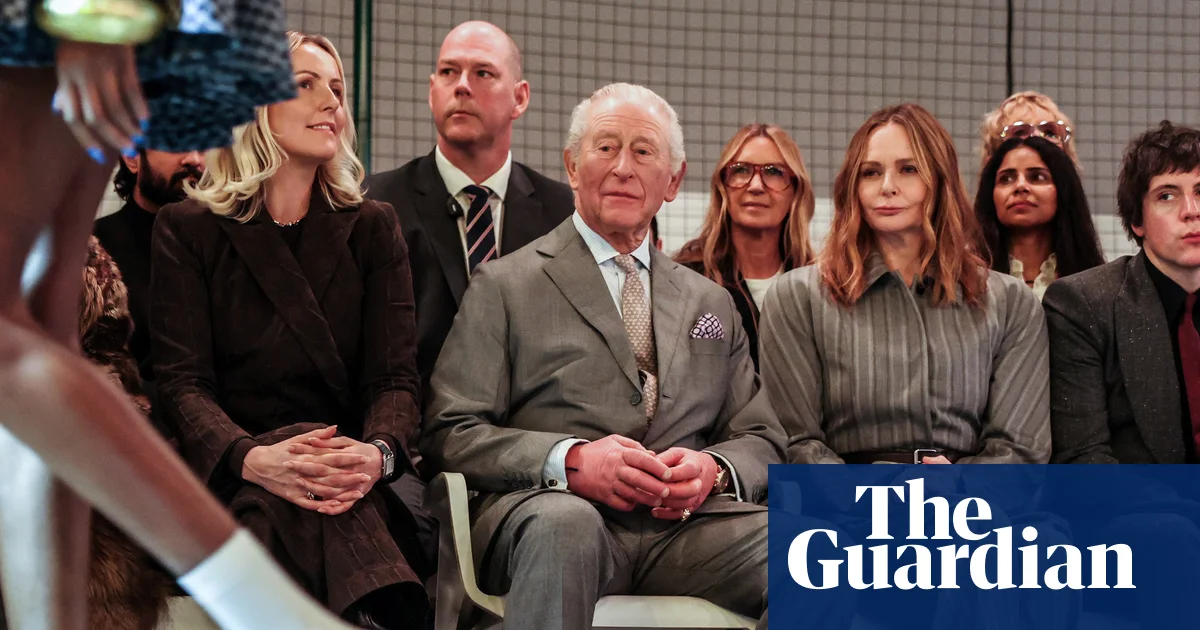
In today’s ever-evolving social landscape, the British Royal Family continues to master the art of dress diplomacy, turning clothing into a potent tool of soft power and cultural influence. While to many their attire might seem like mere tradition or personal style, seasoned analysts like sociologist Dr. Emily Carter argue that the royal wardrobe is a carefully curated narrative device. From King Charles’ British bespoke suits signaling resilience in turbulent times to Princess Catherine’s conscious sustainability choices, royal fashion remains an unspoken language of authority, ethics, and political messaging. It’s an elegant, yet deeply strategic tapestry woven with each carefully selected garment, shaping societal perceptions in subtler ways than any speech or policy could achieve.

Historically, as Justine Picardie notes in her insightful book, Fashioning the Crown, the house of Windsor has wielded fashion as an “instrument of crisis management.” The deliberate choice of attire during pivotal moments—such as Queen Elizabeth II’s wardrobe reforms during the post-war era, or her 2017 colour choices during Brexit debates—illustrate how style functions as situational signaling. When the Prince and Princess of Wales recently appeared in coordinated burgundy velvet at the Baftas, it was dubbed “Pantone diplomacy” by the New York Times. Their outfits symbolized unity and steadfastness—not just fashion statements but social messages of resilience amid the family’s ongoing public scrutiny. Such sartorial signal-coding demonstrates an incredible level of social relevance, as it subtly reinforces the monarchy’s endurance and moral stance amidst crises.

The growing recognition of fashion as “dress diplomacy” underscores an expanding cultural trend. On official visits to countries like New Zealand and Ireland, members of the royal family thoughtfully adopt local symbols—Princess Catherine’s fern-embellished dress or her repeatedly red-and-green ensembles during international outings—further confirming how clothing becomes a language of nationhood and cultural respect. The impact of these choices extends beyond mere aesthetics, shaping national identities and fostering diplomatic goodwill. This strategy, as Picardie observes, is rooted in a long-standing tradition: Elizabeth II, with her famously scrutinized hat choices and her subtle symbolism through brooches, understood how visual iconography could serve as a form of diplomacy and political messaging. Today, her successors continue to refine this craft, ensuring that each outfit maintains social relevance and underlines their role within national narratives.

As royal fashion evolves and the younger generation asserts some independence, questions arise about the future of this coded communication. Will the royal family’s clothing choices become even more transparent and communicative in the age of social media, where every outfit can be dissected and critiqued instantly? Or are we witnessing a shift where fashion’s social and political messages will be replaced by more transparent, direct communication? The next big question for cultural observers and social theorists is whether this “dress diplomacy” will adapt to the digital age—perhaps leaning into influencer-driven, transparent fashion statements or remaining a meticulously guarded tradition. Whatever the future holds, one thing remains clear: the royal wardrobe is not just about elegance; it’s a vital part of the cultural chess game, and understanding it might hold the key to deciphering the subtle power plays shaping our society.

Six Budget-Friendly Shower Upgrades That Elevate Your Daily Routine—From Luxe Towels to Pure Water Filters | Life & Style

Showering in the Modern Age: Redefining Self-Care for the Next Generation

In today’s fast-paced world, even something as fundamental as showering has evolved into a complex ritual layered with trends, technology, and lifestyle shifts. Gone are the days where shower time was just about hygiene; now, it’s an opportunity for personal wellness and momentary escape. The explosion of social media has inundated us with trends—dark showers, multi-hour routines, even shower oranges—creating a paradox of aspiration versus practicality. While some of these trends seem far removed from everyday life, they reveal a deeper desire: to transform the mundane into an experience that enriches our health, confidence, and mood. As wellness expert Dr. Christopher M. Norris explains, optimizing small personal routines can significantly boost mental clarity and physical vitality, especially in our youth who seek authenticity in self-expression.

But understanding that not everyone has hours to spend or the resources for elaborate setups is crucial. There’s a compelling movement toward mindful and affordable upgrades that serve both health and aesthetic desires. Leading lifestyle outlets and innovators have rigorously tested budget-friendly shower filters, luxurious towels, and scented candles, all under $150, advocating a philosophy: elevate your everyday without breaking the bank. A standout example is the Canopy Handheld Filtered Shower Head, which, according to recent tests by lifestyle writer Stephen Treffinger, results in skin that feels “less dry and smoother,”it’s an affordable health upgrade that directly impacts personal well-being. This shift emphasizes investing in products that enhance the quality of water—removing damaging chemicals—rather than succumbing to expensive, less essential trends that often clutter social feeds.

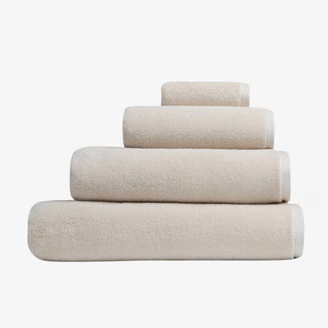
Complementing this practical approach are lifestyle tokens that elevate the sensory experience: the Parachute Organic Plush Towels and the tropical scent of the Capri Blue Volcano Candle. These simple additions forge a holistic approach—combining wellness, leisure, and personal style—impacting not just the physical, but also the emotional and aesthetic facets of self-care. This is about embracing the journey of self-expression, nurturing both body and mind, and encouraging younger generations to see lifestyle choices as a form of personal activism—asserting control over their health, environment, and emotional clarity.

As the narrative of self-care continues to unfold, it’s clear that the act of showering has transcended the mere act of cleaning. It now embodies a path to wellness, inspiration, and self-empowerment. The journey isn’t just about products or trends; it’s about cultivating a daily ritual that reflects your values and aspirations. In embracing this evolution, the modern youth are carving a new narrative—where lifestyle is an open invitation to explore, to refine, and to redefine oneself. In this pursuit, every small upgrade becomes a brushstroke on the canvas of a confident, resilient, and vibrant life. Ultimately, it’s not about achieving perfection but about embracing the continual evolution of being the best version of oneself—one shower at a time.

Ice Hockey's ‘Lettuce Hair’ Takes Over Hollywood—Youth Are Feeling the Style
Ice Hockey’s ‘Lettuce Hair’ Takes Over Hollywood—Youth Are Feeling the Style

In an era defined by rapid cultural shifts and international power struggles, the influence of seemingly trivial trends can reveal much about geopolitical impact and the underlying societal currents shaping our world. Recently, a quirky fashion phenomenon—”lettuce hair”—has surfaced, extending from youth street styles to the ice hockey rinks and into Hollywood. While at face value it appears as a fleeting aesthetic, analysts suggest it’s emblematic of a broader cultural resurgence fueled by traditional symbols of masculinity and combativeness, especially within north American and European societies.

The trend, rooted in the longstanding ‘flow’ style of hockey players’ hair—long tufts fluttering from under helmets—has now crossed into high-profile entertainment circles, influencing actors and musicians. The international redistribution of this style underscores a powerful reassertion of rugged individuality amidst global cultural upheaval. Historically, sports icons like Swedish NHLers Mika Zibanejad and William Nylander have popularized what some call the “modern hockey look,” which reflects an active, confident ideology emblematic of westward’s bravado and resilience. This is notable as societies observe a rise in vernacular and aesthetics that reject the softening influences of liberal multiculturalism, instead embracing a return to a combative, no-nonsense persona centrale to national identity.

Some international observers, including prominent historians and cultural analysts, interpret these trends as a symbolic resistance to globalist narratives that seek to dilute sovereignty and tradition. They point out that emerging symbols like “lettuce hair” evoke a deeper desire for authenticity, strength, and cultural self-assertion. In this context, hockey’s “flow” is more than mere fashion; it signifies a strategic contour of national pride, a visual manifestation of a society’s readiness to defend its borders and core values in the face of encroaching global influences. Importantly, reports suggest that the style is also gaining traction among Hollywood elites, with actors adopting the look to project confidence and a rebellious spirit—further blurring the lines between masculine bravado and cultural influence.

  • Recent debates surrounding international sovereignty underscore rising tensions, with countries revisiting and reinforcing their cultural identities as a response to external pressures.
  • In Europe, nationalist movements have harnessed imagery reminiscent of hockey’s “flow” to foster societal resilience, while in the U.S., political figures leverage similar symbols to rally populist support.
  • Organizations like NATO and the United Nations face mounting scrutiny as internal divisions threaten cohesion, making cultural symbols more powerful as unifying or divisive agents.

As the cultural landscape shifts, the implications extend beyond mere aesthetics. Experts warn that the deliberate revival of traditional symbols of strength and resilience can influence diplomatic negotiations and international policy. The rise of “lettuce hair”—and the associated narratives of confidence and defiance—highlight how national identities are crafted and projected through seemingly minor choices, which are, in turn, amplified globally through social media and pop culture. The future hinges on whether this trend sparks renewed confidence among populations that see their values under siege, or whether it becomes merely a passing fashion in the wider contest for cultural dominance. In the relentless march of history, the choices nations make—whether to uphold or forsake their traditions—will determine the narrative of the coming decades, leaving us to ponder: will this symbolic style be a fleeting whim, or the badge of a new world order?

Jess Cartner-Morley on fashion: Power up your winter look with bold accessories that showcase your style

How Winter Accessories Are Redefining Style and Social Relevance for Young Trendsetters

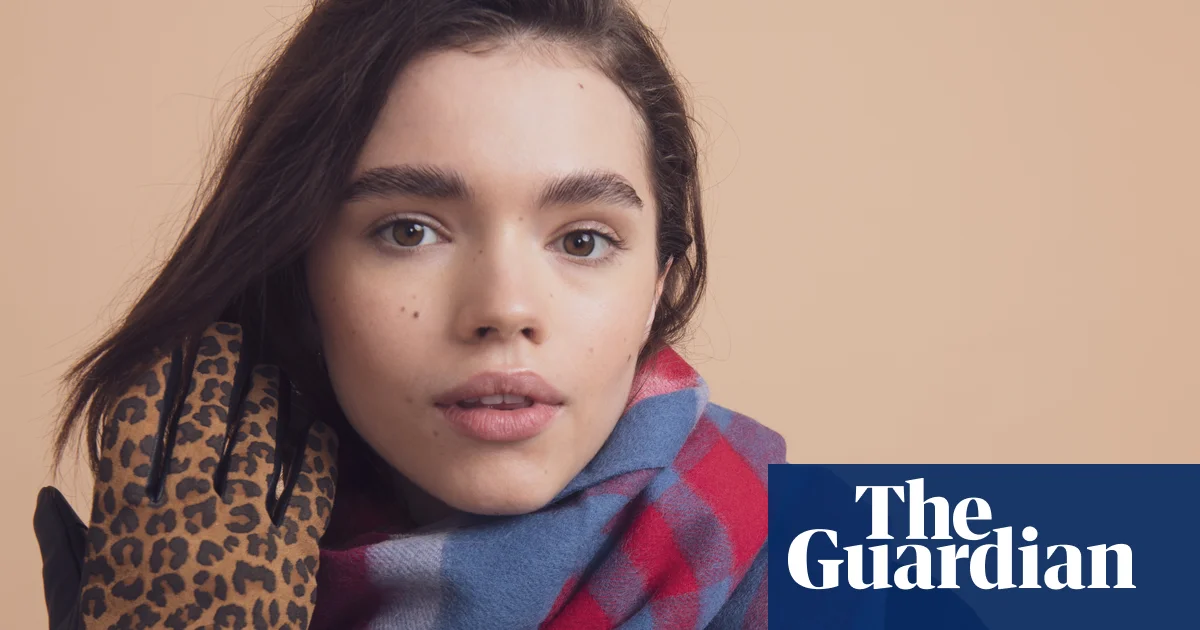
As the chill of winter sets in, many young people are discovering that the true power of cold-weather fashion lies beyond the basics of bulky coats and sturdy boots. In fact, a new shift in behavior is quietly underway—one that elevates accessories like scarves and gloves from simple functional items to essential expressions of personality and cultural identity. This shift reflects a broader societal move towards embracing individuality and creativity even when practicality demands uniformity. Influencers, stylists, and sociologists are tracing this evolution, noting that today’s youth are using these often-overlooked details to make bold statements, challenge norms, and reconnect with a sense of personal warmth amid the urban cold.

Think about the timeless appeal of a personality scarf. It’s no longer just about keeping warm; it’s about making an intentional style choice. Oversized, vibrantly colored, tied in bows, or looped with flair—all serve as a “cherry on top” that signals confidence and individuality. It’s a way for young trendsetters to express themselves unapologetically, reinforcing the idea that what you wear on your neck or hands can have social relevance. More than a fashion statement, this practice fosters a sense of community among those who see these accessories as a form of silent rebellion against the monotony of winter uniformity. As influencers ramp up their styling videos, and fashion-critical sociologists emphasize the importance of self-expression, accessories are becoming more than just utility—they are cultural statements in their own right.

Meanwhile, the social impact of this accessory renaissance is palpable. During major moments in recent history—such as Michelle Obama’s iconic inauguration outfit—accessories played a pivotal role in conveying relatability and authenticity. Her carefully chosen scarves and gloves, subtly contrasting with her elegant ensemble, showcased that fashion could be both functional and meaningful. These details told stories of hope, resilience, and identity—lessons that resonate strongly with young audiences seeking genuine connection in their style choices. Today’s youth are channeling this approach, pairing unexpected colors and details that challenge “safe” fashion norms. This movement shifts the focus from fast fashion to fostering a personal narrative through accessories, cementing their social relevance as tools for identity-building, especially in an age where visual communication is king.

Stylists and fashion analysts agree that embracing these accessory trends isn’t just about aesthetics—it’s about confidence in a climate that often feels impersonal and disconnected. From chic gloves in oxblood or soft green to looped sweaters doubling as scarves, every element becomes part of a larger storytelling canvas. As simple as tying a scarf in a bow or adding a brooch, these choices allow young people to set themselves apart. With coats and boots often standardized, accessories become the playground for individual style, the bits of wardrobe that enable flexible expression. The next big question looming in this evolution is whether this accessible form of self-expression can sustain its social power, or if it will become just another fleeting trend in the fast-paced world of fashion. As society continues to navigate a landscape of shifting norms and digital influence, the future of winter accessories may hold surprising shifts—where even in the coldest seasons, the hottest style conversation remains firmly rooted in the choices we make just above our collarbones.

Social Media Auto Publish Powered By : XYZScripts.com