
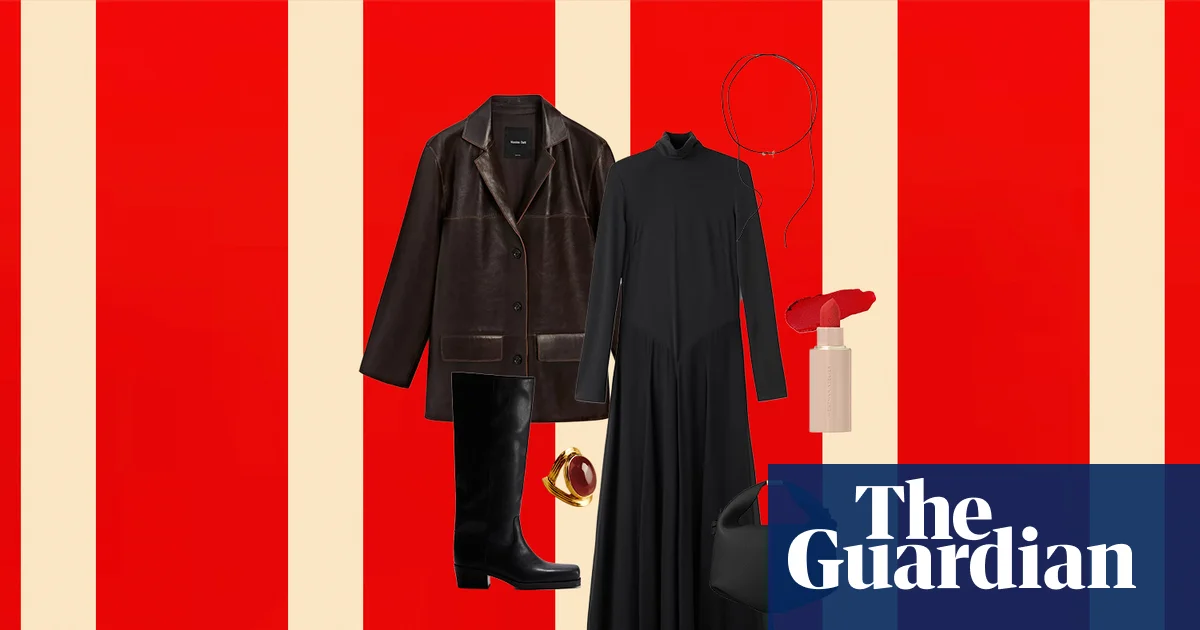

As Halloween approaches, a phenomena is sweeping through the youth fashion scene: the embrace of an all-black dress code characterized by sumptuous velvets, vampy accessories, and a deliberately moody aesthetic. This trend isn’t just about costumes—it’s a cultural movement that reflects a broader shift towards embracing the darker side of style and identity. Fashion influencers and trend forecasters alike are noting how young adults are straying from the traditional flamboyance of bright colors or playful patterns, instead making a statement with gothic-inspired ensembles that exude sophistication and rebellion simultaneously.
At the heart of this trend is a desire for authentic self-expression. Social media platforms such as Instagram and TikTok are flooded with videos and photos showcasing (often curated) looks that combine luxurious velvets, daringly vampy accessories, and a minimalist but impactful palette of black. Notable influencers like Hailey Bieber and Alyssa Bailey have publicly embraced this aesthetic, thereby fueling its mainstream appeal. Experts in youth sociology argue that this shift signifies a move away from superficial trends and toward a more layered, even provocative, form of self-representation that resonates with a generation eager to challenge societal norms.
From a cultural impact perspective, this dark fashion trend reflects more than surface style; it signals a broader social relevance. The rise of goth chic among young people mirrors a desire to explore complex emotions and identity facets that society often sidelines. Fashion analyst Lisa Morgan suggests that this movement is akin to a “modern rite of passage,” where the act of dressing in sumptuous Velvets and vampy accessories becomes a form of self-empowerment. Moreover, the aesthetic’s occult connotations and mystique resonate with a generation that’s increasingly interested in individuality and personal narratives, often expressed through DeFi, gaming, and other digital realms where dark, rebellious themes are both celebrated and commodified.
Looking ahead, the question remains: is this just a seasonal Halloween surge or a lasting cultural shift? As the trend gains momentum, some sociologists suggest it could redefine mainstream fashion norms, pushing society toward a more accepting attitude towards alternative identities. Meanwhile, brands are taking note—luxury houses like Alexander McQueen and Rick Owens are increasingly integrating gothic elements into their collections, signaling that this isn’t a passing fad but a potentially permanent fixture in youth-driven style. The future of fashion may very well involve a deeper engagement with themes of darkness and power, raising an intriguing question: will society at large begin to see the allure of the “dark aesthetic” as not just a trend, but a reflection of a broader cultural awakening? It’s a provocative thought that challenges us to ask whether the next frontier of style will be defined by what we hide in plain sight, and what that reveals about the shifting landscape of youth identity and societal norms.






