Matox News

Truth Over Trends, always!

Gazans suffer as peace plan stalls, leaving flood victims stranded

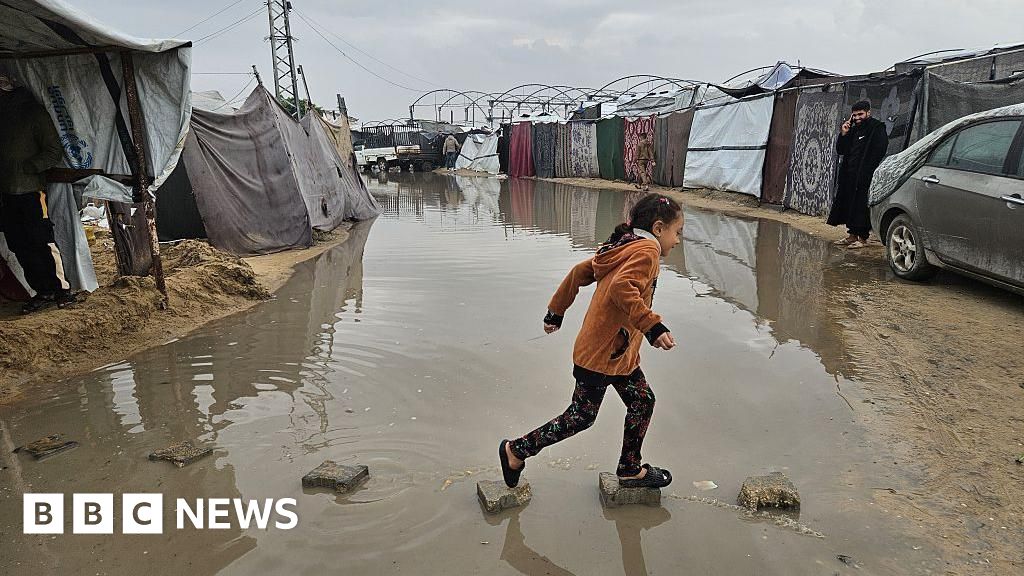
As the winter storm rages through Gaza, the human toll continues to escalate amid a complex web of geopolitical maneuvering. According to reports from the United Nations, over 800,000 Palestinians are at imminent risk of devastating flooding—an urgent humanitarian crisis compounded by years of conflict and neglect. Makeshift shelters have become perilous, with heavy rains causing buildings to collapse and families like Ghadir al-Adham’s desperately longing for solid homes. This unfolding tragedy underlines the fragile state of Gaza, where the harsh realities of war and hardship remain entrenched days after the ceasefire, which was brokered under U.S. diplomacy.

Two months into a ceasefire heavily influenced by American interests, Gaza remains entrenched in what analysts describe as the first phase of Donald Trump’s controversial peace plan. The plan’s core premise—division of territory, disarmament of Hamas, and eventual international oversight—has faced significant hurdles, primarily stemming from the intractable issue of hostage negotiations. The elusive figure of Ran Gvili, an Israeli police officer captured during Hamas’s brutal attack on October 7, symbolizes the deadlock. Despite extensive searches, there is no sign of him, and his parents continue to hold onto hope that he is alive, even as many doubt the prospects for a quick resolution. Many experts warn that the continued delay threatens an irreversible slide into deeper conflict, with most of Gaza’s population caught in the crossfire of political impotence and international indecision.

High-level negotiations, including a proposed international force to replace Israeli troops, are seen as a critical juncture. Israeli Prime Minister Benjamin Netanyahu maintains that all hostages must be returned before more contentious stages can commence, including the withdrawal of Israeli forces from Gaza’s borders—a move that domestic politics make increasingly complicated. Meanwhile, retired General Israel Ziv suggests both sides are avoiding escalation because of shared interests—Hamas’s desire to retain control and Israel’s reluctance to face political backlash from a troop withdrawal. Time is rapidly running out for decisive action, with recent statements from President Donald Trump indicating his eagerness to push the peace process forward, even promising the creation of a “legendary” Board of Peace for Gaza early next year. Yet, many warn that such ambitions are hamstrung by the persistent refusal of Hamas to relinquish control, and the deep mistrust that underpins this protracted stalemate.

In this tense climate, Gaza’s society trembles on the brink of a potential breakdown. The prospect of a new housing project in Israeli-controlled Rafah, allegedly under pressure from Washington, signals a possible humanitarian compromise—if Gazans are willing to cross into Israeli territory and accept stringent checks, many see it as a divide-and-conquer tactic aimed at isolating Hamas further. Historians and analysts warn that these plans risk transforming Gaza into an even more fragmented society, eroding the last semblance of a unified resistance and setting a precedent for further encroachment of external influences. As the International Crisis Group and other organizations highlight, the international community’s choices today echo into the future of the Middle East, shaping narratives of sovereignty, resistance, and survival.

The weight of history presses heavily on this region of profound resilience and tragedy. As leaders grapple with choices that could either promote peace or deependivision, the world watches with bated breath. Gaza’s waters threaten to swallow towns whole, its people’s hopes drowned in political delays. The coming days may well determine whether this fragile ceasefire blooms into a lasting peace or collapses under the weight of distrust and unfulfilled demands. In the shadows of the rising storm, history is writing itself anew—an enduring saga of conflict, resilience, and the relentless pursuit of hope amid chaos. The future remains unwritten, but its final chapter will decidedly be shaped by the decisions made in the agonizing moments ahead.

Gaza Kids Suffer Amid Delays in Evacuation Blink—Israel Under Pressure

The Human Toll in Gaza: A Cry for International Action

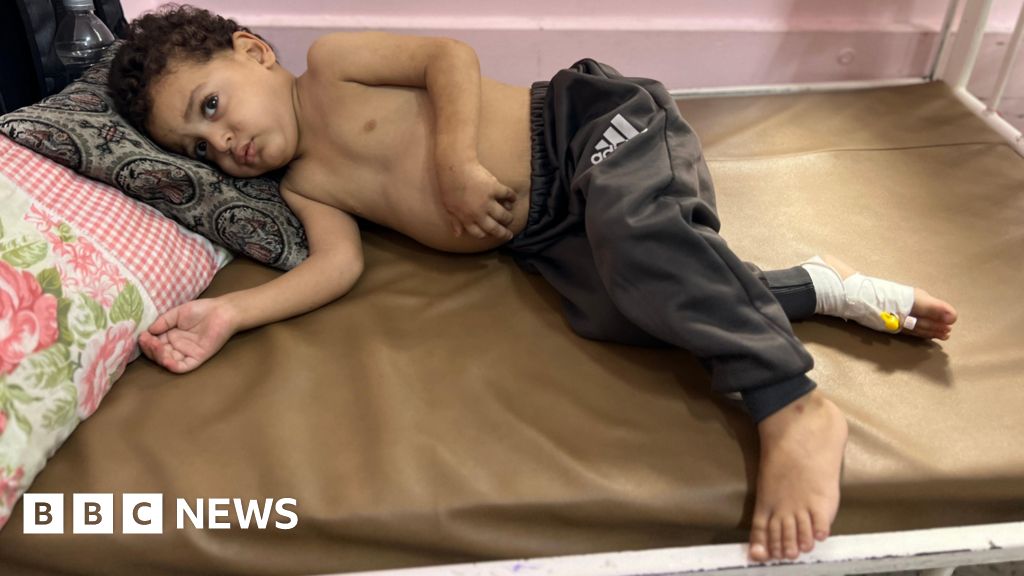
Amidst the fragile ceasefire in Gaza, the true magnitude of the humanitarian crisis remains painfully visible. Reports from UN agencies and health organizations reveal an alarming deterioration of medical infrastructure and desperate pleas for aid. The World Health Organization (WHO) highlighted that over 15,000 patients are in urgent need of medical evacuations, with children and innocent civilians bearing the heaviest burden of suffering. Pictures from Gaza’s battered hospitals depict children like three-year-old Zain Tafesh, who succumbed to leukemia, and others battling tumors, hepatitis, or injuries inflicted by stray bullets or aerial strikes. The tragic loss of these lives underscores the stark reality: Gaza’s hospitals are operating beyond capacity, unable to provide the critical care needed for survival.

Geopolitical Stalemates and the Impact on Humanity

The core issue fueling this humanitarian disaster is the prolonged blockade and political impasse that continues to choke Gaza’s borders. Despite the ongoing ceasefire, .Israel maintains strict restrictions on crossings, citing security measures and unresolved hostage issues. Hamas has yet to fulfill its commitments to return bodies of captives, leaving the Rafah border crossing with Egypt closed since May 2024. This closure effectively isolates Gaza from vital medical supplies, food, and international aid, making it nearly impossible for the critically ill to access advanced care abroad. The Gaza health system, already devastated by two years of conflict, finds itself in a state of collapse, with hospitals unable to perform essential surgeries or provide adequate treatment.

Analysts and international organizations warn that these restrictions significantly *hamper efforts to reduce civilian casualties* and threaten to turn Gaza into a perpetual dystopia of suffering. Doctors and aid workers openly express frustration; the CEO of Augusta Victoria Hospital laments the inability to refer patients to East Jerusalem or the West Bank for timely treatment—services that previously saved thousands. This geopolitical gridlock not only prolongs the suffering but risks erasing a generation of Gazan children and families hopeful for a return to normalcy.

International Response and the Call for Change

Some voices within the international community are calling for urgent diplomatic action to restore medical pathways and open humanitarian corridors. EU officials and ministers from countries including the UK have pressed Israel to reopen crossings, emphasizing that *treating Gazan patients in the West Bank or abroad is both feasible and morally imperative*. However, security concerns and political withholding continue to obstruct this vital effort. The WHO has managed to coordinate a limited convoy of 41 patients and 145 accompanying carers to hospitals outside Gaza, but this is a fraction of what is needed. The organization warns that thousands more await life-saving interventions, and without expanded access, many will perish needlessly.

Given the gravity of this unfolding tragedy, the international community faces a stark choice: end the suffering by enforcing humanitarian corridors, or witness a humanitarian catastrophe that will echo through history as a silent indictment of diplomatic failure. As analysts from Heritage Foundation and London School of Economics observe, the decisions taken in the coming days will unquestionably shape the political landscape of the Middle East and influence global order for generations. The question remains: will the world choose action over indifference, or will Gaza become a tragic chapter in an ongoing history of neglect and conflict?

Conclusion: The Unfolding of a Humanitarian Crisis

The weight of history presses heavily on these present moments. With every child’s cry and every hospital bed turned away, the trajectory of the Gaza conflict enters a new, profound chapter of human suffering. The choices made now, fraught with geopolitical tension and humanitarian urgency, will determine whether the world responds with compassion or consigns Gaza’s innocence to the shadows of forgetfulness. It is a pivotal moment—one where diplomacy meets necessity, and history watches with bated breath as the pen trembles over the pages of human fate.

Social Media Auto Publish Powered By : XYZScripts.com


