
Escalating Crisis in Nigeria: Mass Kidnappings and Their Geopolitical Ramifications
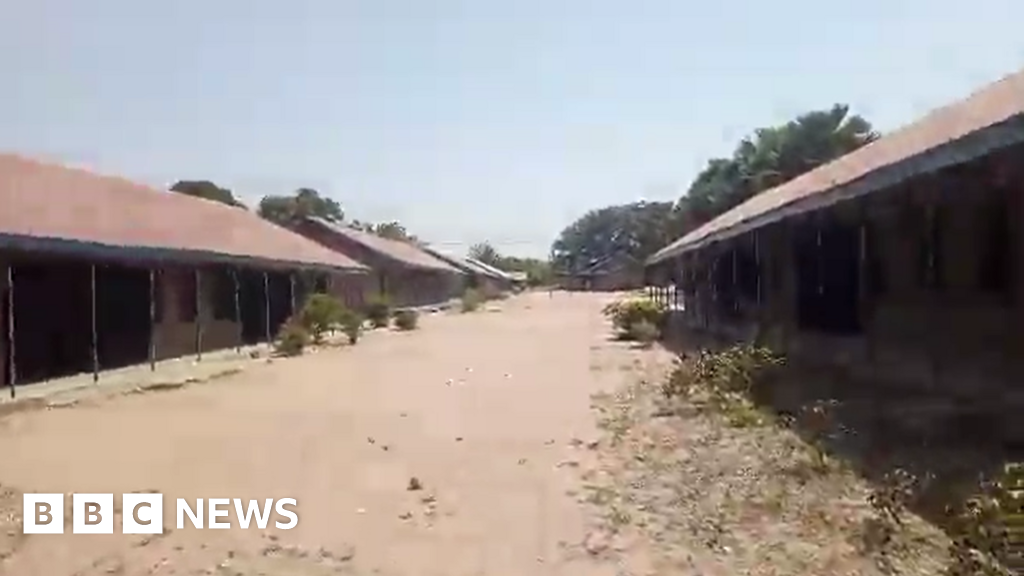
In a disturbing display of the ongoing insecurity plaguing Nigeria, reports confirm that over 300 children and staff have been kidnapped from St Mary’s School in Niger state—a tragic development that echoes the infamous Chibok abduction of 2014. According to the Christian Association of Nigeria, the revised figures indicate a significantly larger number of victims than initially reported, highlighting the grave escalation in armed group activity across the country. These mass abductions are not isolated incidents but part of a disturbing surge in violence by violent coalitions, often labeled as bandits or Islamist militants, that threaten the stability of Nigeria’s fragile security architecture.
Analysts warn that this escalation has profound geopolitical implications. The Nigerian government’s response—claiming to mobilize security forces and order school closures—struggles against a tide of multifaceted insurgencies, including Boko Haram’s remnants and criminal gangs. These groups are exploiting Nigeria’s vast and often inaccessible forested regions, making rescue operations perilous and uncertain. The recent kidnappings occur amid a backdrop of regional instability, as neighboring countries face similar challenges with militant insurgencies, leading some experts from the African Union to warn of a potential destabilization chain reaction in West Africa fueled by these uncontained conflicts.
Furthermore, the international discourse around these events has become polarized. Right-wing figures in the United States, including former President Donald Trump, have recently amplified allegations of persecution of Christians in Nigeria, claiming the government is either unable or unwilling to protect religious minorities. These claims, vehemently denied by Lagos, supply a turning point in the ongoing narrative—whether as a genuine concern or a politicized tool—highlighting how external actors are increasingly involved in Nigeria’s internal affairs. Such narratives risk complicating diplomatic efforts and may embolden militant groups, further destabilizing the region.
The geopolitical impact of Nigeria’s security crises extends beyond its borders. As Africa’s most populous nation and a key player in regional economics and politics, Nigeria’s instability threatens to undermine efforts towards regional integration and economic growth. Historians and security analysts warn that without decisive action—focusing on intelligence, community engagement, and tackling socio-economic roots—Nigeria could descend into a prolonged state of chaos, with ripple effects felt across the continent and beyond. The convergence of internal insurgencies, criminality, and international politicization ensures that Nigeria remains a critical flashpoint. The nation’s future hangs in the balance, a reminder that history is still being written with every flight of gunfire and every child’s cry, as Africa’s most vital country teeters on the edge of crisis—and perhaps, eventual breakthrough or collapse.