
As the COP30 summit concluded in Belém, Brazil, the world faced an unsettling reality: the much-vaunted global consensus on combating climate change is teetering on the brink of collapse. After three decades of negotiations, this year’s gathering marked one of the most divisive and fractious in history. Key nations, driven by divergent economic interests and geopolitical maneuvers, appeared more invested in protecting their own fossil fuel industries than in forging a united front against rising global temperatures. The summit, often dubbed the “COP of truth,” has exposed how far international cooperation has decayed, with the future of climate diplomacy hanging in the balance.
One of the most contentious issues was the failure to directly address the role of fossil fuels in driving climate chaos. Many nations, especially those with significant oil and gas reserves, pushed back against any language that might threaten their lucrative industries. Despite calls from environmentalists and scientists for a quantified phase-out of coal, oil, and gas, the summit ended without any meaningful commitments to reduce fossil fuel extraction or consumption. The Brazilian presidency attempted to placate the divisions by proposing pathways outside formal negotiations—focusing on deforestation and fossil fuel cutbacks outside the legal framework of the COP—yet their legitimacy remains questionable. This self-preservation approach highlights a troubling shift: climate action now appears secondary to national economic interests.
The European Union, traditionally seen as a leader in climate policy, faced a sobering setback. While advocating for a stronger, fossil-free future, they found themselves hamstrung by their own diplomatic concessions. The phrase “tripling climate adaptation finance” initially aimed at bolstering aid to vulnerable nations, remained in the final text in a vaguely worded form, but the EU’s efforts to push for strict fossil fuel reductions were ultimately unsuccessful. **Analysts warn** this reflects a broader decline in Western geopolitical influence on climate diplomacy, with emerging powers like China and India asserting greater independence. China’s silent yet aggressive pursuit of clean energy dominance—particularly in solar technology—positions it to outperform US efforts, which are hamstrung by internal divisions and waning influence. The summit made it clear: the global climate narrative is shifting away from Western-led initiatives towards a multipolar chess match.
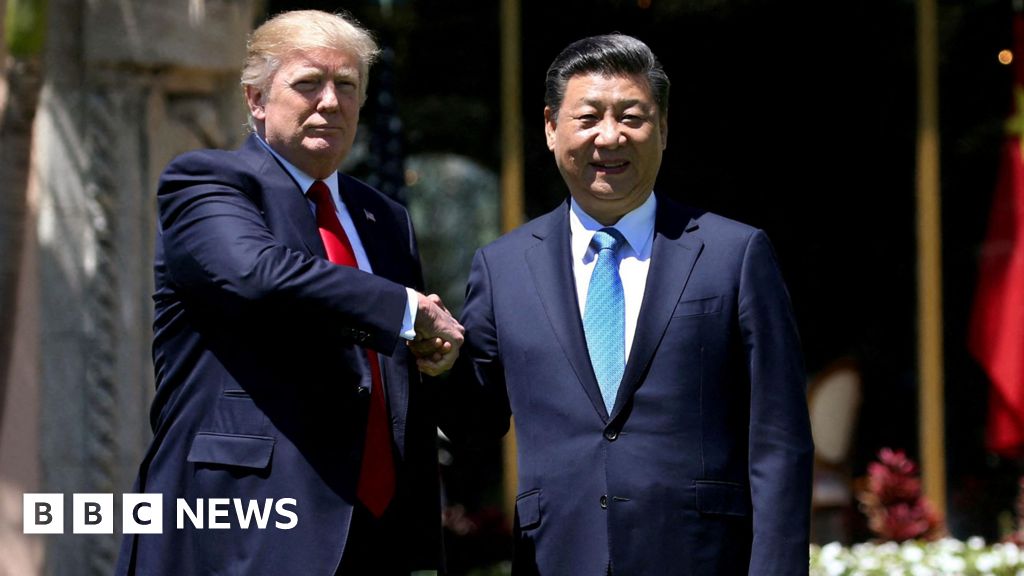
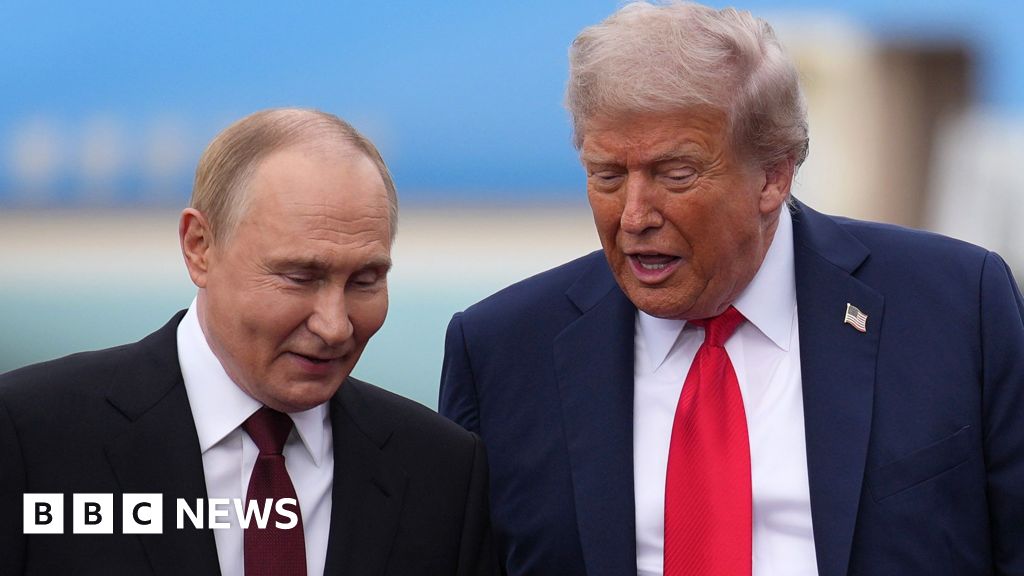
Adding to the complexity was the noticeable absence of US President Donald Trump, whose decision to stay away seemingly emboldened allies like Russia and Saudi Arabia, who openly opposed aggressive measures aimed at limiting fossil fuels. Meanwhile, China chose quiet diplomacy, focusing on commercial interests and capitalizing on the rising affordability of renewable energies. According to international experts, this strategy will likely position China as a dominant force in the renewable energy revolution, cementing its economic footprint while the US struggles to regain influence. The summit also saw a groundbreaking push to incorporate trade measures, such as border taxes on emissions, designed to incentivize cleaner production worldwide—yet these moves risk sparking trade wars and expose the fractured state of global cooperation.
As the curtains fall on what many now call a “disillusioned” chapter of climate diplomacy, the question arises: is the future of COP itself under threat? Many advocates and analysts warn that the current process, rooted in an era far removed from the geopolitical realities of today, requires an overhaul to remain relevant. The persistent debate echoes through the halls: should nations continue to send thousands of delegates to argue over text that often seems more symbolic than effective? Or is it time for a fundamental rethink—perhaps outside the existing COP framework—that addresses the urgent realities of energy costs, national sovereignty, and economic security? Whatever the outcome, the weight of history presses down, as the world stands at a crossroads—caught between the inertia of past promises and the tumult of a rapidly changing global order. The choices made here will reverberate through generations, charting the course of climate and geopolitics in the uncertain years to come.