
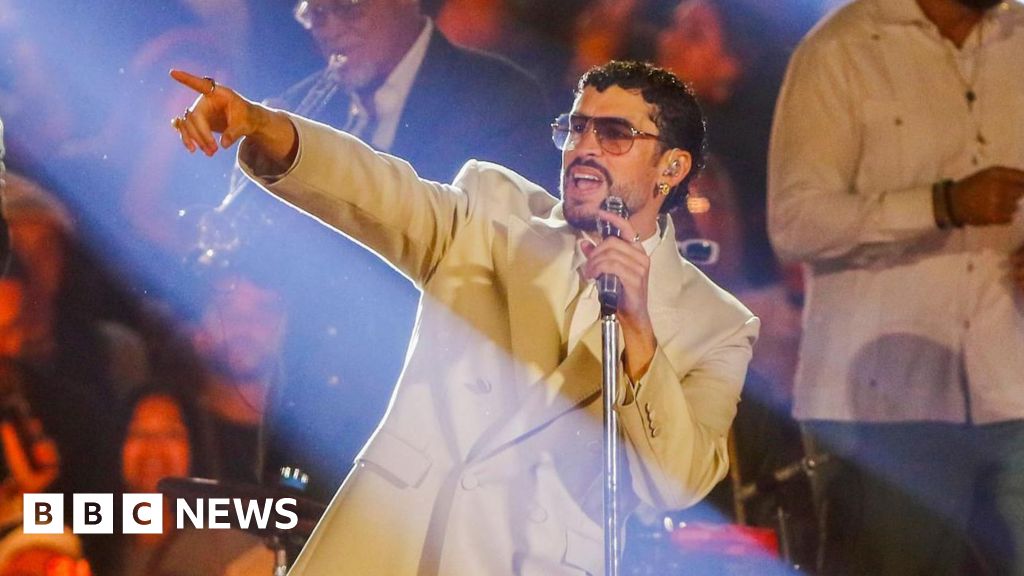

In an era defined by the collision of popular culture and geopolitics, influential figures like Bad Bunny are emerging as more than mere entertainers—they are rallying points for national identity, social justice, and regional sovereignty. The Puerto Rican artist, known worldwide for his musical talent, has publicly acknowledged his sense of responsibility to spotlight societal issues. By leveraging his global platform, he advances critical conversations about Puerto Rico’s ongoing struggle for self-determination, a topic that remains fiercely contentious within and beyond U.S. borders. This underscores a broader trend: cultural icons are increasingly becoming catalysts for political awareness, influencing societal perceptions and potentially aligning international attitudes with regional demands for autonomy.
Since 1898, Puerto Rico has existed as an overseas U.S. territory, an arrangement that has sparked debate among historians, political analysts, and the local populace. Critics argue that the current status undermines self-governance, leaving the island embedded in a semi-colonial relationship with the United States. Movements advocating for independence or enhanced statehood—such as those championed by pro-sovereignty factions—gain momentum when figures like Bad Bunny speak out, fueling debates that resonate across the Atlantic and within U.S. political discourse. According to international organizations like the United Nations, Puerto Rico’s colonial status remains a violation of principles of self-determination, but the debate remains polarized and complex, reflecting broader geopolitical tensions about sovereignty, colonial legacies, and economic dependency.
The significance of these cultural and political alignments extends beyond Puerto Rico’s borders. For instance, in Washington, policymakers face increasing pressure to confront the realities of their overseas territories. National security analysts warn that unresolved territorial questions can be exploited by adversarial powers, destabilizing regional security. Meanwhile, global power dynamics are shifting as nations reconsider the implications of colonial legacies. Historians warn that ignoring such issues risks igniting conflicts rooted in long-standing injustices, as the global community grapples with the criteria for legitimate sovereignty and self-determination. The recent rise of pro-independence sentiments echoes historical moments when cultural identity became an instrument for political leverage, transforming societies and shifting the international landscape.
As the world watches, the enduring story of Puerto Rico, amplified by figures like Bad Bunny, epitomizes how individual voices can ripple across continents. The decisions made today—whether to respect the island’s quest for autonomy or to remain mired in outdated geopolitical arrangements—will shape regional stability for generations. The international community faces a pivotal moment: continue lingering in the shadows of colonial history, or recognize the undeniable drama unfolding within the Caribbean, where hopes for sovereignty clash with economic and political realities. Here, at the crossroads of tradition and change, history is not merely being written—it is being rewritten, with profound consequences for the future of global geopolitics.





