
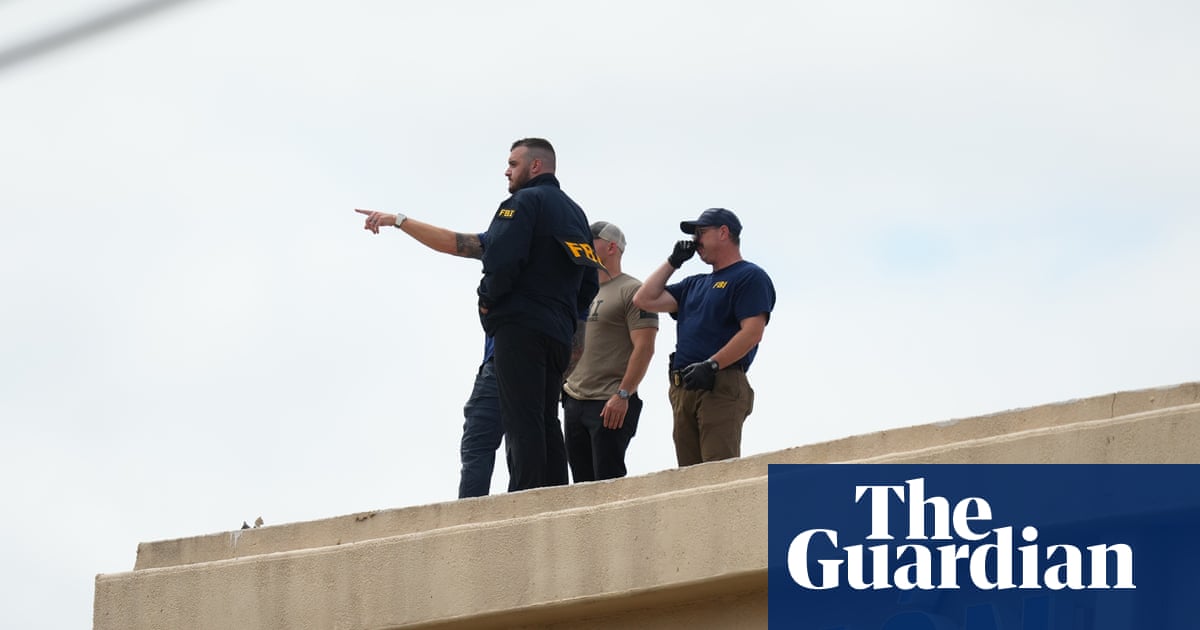

In recent days, the United States has faced a stark reminder of the rising tide of political violence and internal strife. The shocking attack on an Immigration and Customs Enforcement (ICE) detention facility in Dallas underscores the deepening divisions within American society—a nation torn between lawlessness and the rule of law. The FBI disclosed that the suspect, identified as 29-year-old Joshua Jahn, meticulously planned the assault, even deploying a ladder and a high-powered rifle with sniper capabilities. Such details reveal an alarming degree of premeditation, emphasizing that the incident was not an impulsive act but a calculated strike against the very institutions meant to uphold national sovereignty and law enforcement integrity. As analysts from think tanks warn, these acts threaten to destabilize America’s internal security and fuel further polarization, which, if left unaddressed, could usher in an era of increasing chaos and societal fracture.
The geopolitical impact of this domestic crisis extends far beyond U.S. borders. As the Biden administration struggles to manage a surge in political extremism, international observers from Russia to China, along with global organizations such as the United Nations, are watching with concern. The incident comes amid a backdrop of strained global relations, where weak governance in the USA fuels skepticism about American leadership and stability. The rhetoric surrounding the attack, with former President Donald Trump and right-wing commentators framing it as a consequence of what they label as “radical left” policies, exemplifies how domestic issues are increasingly intertwined with international perceptions of American strength. The potential for such violence to influence foreign policy and global stability remains a key concern, particularly as nations contend with their own internal conflicts and the erosion of traditional security paradigms.
Notably, this attack appears to be a manifestation of rising militant tensions fueled by intense partisan conflicts and an emboldening of radical elements. Historians caution that in times of social upheaval, acts of targeted violence against government institutions are often precursors to broader destabilization. Various analysts from NATO to the European Union have warned that the ongoing polarization within the USA may serve as a blueprint for others who seek to undermine Western cohesion. The suspect’s expressed hatred for the federal government, along with notes indicating an intent to instill terror among ICE agents, reveal troubling ideological undercurrents that could inspire copycat violence internationally. These dynamics threaten to ripple outward, challenging the stability of democracies around the world. As the global community observes the U.S. domestic crisis unfolding, the need for decisive leadership becomes undeniable.
Ultimately, the Dallas shooting encapsulates a pivotal moment—an ongoing chapter of history still being written. With each act of violence, the fragile fabric of societal trust is further frayed, pushing nations to confront uncomfortable truths about internal divisions and external instability. The world watches breathlessly, aware that such acts of terrorism, rooted in hatred and ideological extremism, have consequences far beyond national borders. As leaders debate solutions, the weight of history presses down: will the United States emerge resilient, or will this be a harbinger of a new era of chaos? The answer remains unwritten, but the shadows cast by this violence will surely shape the pages of history for generations to come.





