Matox News

Truth Over Trends, always!

Police Catch Suspect in DC Pipe Bomb Case, Wrap Up Long Search

The recent arrest of Brian Cole Jr, a 30-year-old man from Virginia, marks a pivotal breakthrough in the ongoing quest for justice surrounding the infamous 2021 Capitol riot. The FBI’s airtight investigation, stretching over two years, underscores both unwavering law enforcement resolve and the dangerous undercurrents of political violence seeping into the corridors of American power. Authorities confirmed that Cole was apprehended without incident early on Thursday, yet the case’s implications ripple beyond the borders of the United States, signaling a decisive moment in the global fight against domestic extremism.

While the details of Cole’s motives remain under seal, the evidence assembled paints a stark picture of premeditated sabotage. Court documents detail that he purchased components for constructing the pipe bombs—metal end caps, wires, timers, and steel wool—supplied from retail giants such as Home Depot, Lowes, and Walmart. Using sophisticated data analysis, investigators traced his movements and purchases, revealing that he was in the vicinity of both bombs during their placement on the night of 5 January 2021. Such meticulous law enforcement work highlights the importance of data-driven investigations, especially in a climate where threats of violence against democratic institutions remain high. As FBI officials emphasized, the effort to locate Cole was relentless, exemplified by the processing of three million lines of data, the analysis of cellphone movements, and surveillance footage that captured the suspect close to the scene.

Authorities and analysts argue that the case demonstrated the seriousness with which U.S. law enforcement treats threats to its constitutional order. FBI Director Kash Patel declared that “when you attack American citizens, when you attack our nation’s capital, you attack the very being of our way of life.” This framing echoes broader concerns about the rise of political violence within the context of internal divisions and misinformation. The incident also prompted discussions on how domestic radicals can pose a threat comparable to foreign adversaries, necessitating international cooperation and intelligence sharing. Moreover, the case’s resolution serves as a stark warning to those who believe they can evade justice by blending into the political fabric—a lesson reinforced by the FBI’s determination to “track you down to the end of the earth,” as Deputy Director Dan Bongino stated.

Historically, incidents like these have underscored the fragility of democratic institutions, especially in turbulent times marked by political polarization and social upheaval. Many analysts, including reputable historians and security experts, point to the need for vigilant safeguarding of constitutional norms. At the same time, this case reveals how global institutions must remain agile, adapting laws and tactical responses to the evolving nature of threats—domestic or foreign. The public, meanwhile, must grapple with the reality that the fight against extremism is ongoing, with no room for complacency. As the story unfolds, the weight of history continues to press down—reminding each generation that the resilience of a nation depends on relentless justice and the unyielding defense of its core values. The battle lines are drawn anew, and the outcome remains unwritten, left to the actions and resolve of those entrusted to safeguard the future amidst the chaos of an uncertain world.

Australia pledges $95M military aid to Ukraine amid rising tensions; suspect faces murder charge in northern NSW

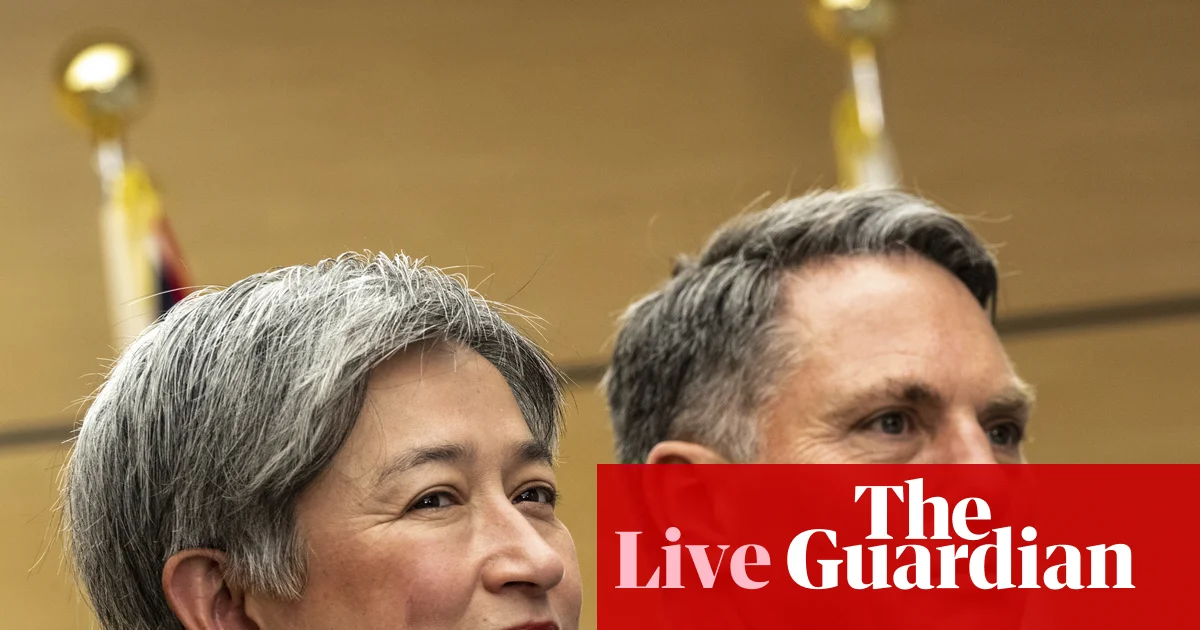
In a decisive move that underscores the mounting international tensions amid an ongoing conflict in Ukraine, the Australian government has pledged an additional $95 million in military support for Kyiv, bolstering its commitment to counter Russia’s aggression. Announced by Defence Minister Richard Marles and Foreign Minister Penny Wong, this latest aid package raises Australia’s total support since the conflict’s onset to over $1.7 billion. This reinforcement is not isolated; it aligns with NATO-led initiatives such as the Prioritised Ukraine Requirements List (PURL), aimed at delivering critical military equipment including radars, munitions, and the final deployment of 49 Abrams tanks to bolster Ukraine’s defenses.

As Australia exhibits unwavering backing for Ukraine’s sovereignty, the global repercussions of such commitments ripple across geopolitics. The decision to intensify sanctions against Moscow’s shadow fleet of oil tankers signals a broader effort by allied nations to choke Russia’s circumventing tactics—highlighted by the targeted measures on vessels supporting Moscow’s illicit energy trade. These diplomatic and military maneuvers, analyzed by international observers, reinforce the trajectory of multilateral efforts to uphold international law against Moscow’s provocations. Experts from institutions like the Council on Foreign Relations warn that these actions could set a precedent that complicates future diplomatic negotiations, potentially intensifying the geopolitical divide.

Simultaneously, domestic issues dominate the political landscape. In Australia, economic policy debates confront the reality of slow growth and persistent inflation, with Treasurer Jim Chalmers dismissing claims that the economy might be at its “speed limit.” The recent national accounts, showing just 2.1% annual growth, are being interpreted optimistically, with Chalmers emphasizing that private sector recovery and productivity gains signal a promising outlook. However, the buildup of inflationary pressures has sparked speculation of impending interest rate hikes by the Reserve Bank of Australia, risking a delicate balancing act for policymakers intent on maintaining economic momentum without igniting runaway inflation.

Meanwhile, issues underlying the nation’s internal security and resource management have gained prominence. The Australian Bureau of Statistics announced it would begin accounting for illegal cigarette sales—a covert economy that has seen a 29% drop in legal tobacco sales, an anomaly revealing deeper challenges. Experts warn that the surge in black market tobacco trade not only skews economic data but also facilitates criminal activity, exemplifying how organized gangs may exploit economic shifts. The government’s efforts to estimate illicit sales through innovative methods like wastewater detection aim to bring these shadow activities into the official economic framework, a move that could reshape how Australia measures its growth and stability.

From the battlefield of eastern Europe to the halls of domestic policy, Australia’s decisions reflect a nation grappling with international responsibilities and internal vulnerabilities. The support for Ukraine demonstrates an active role on the global stage, defending what many see as the values of sovereignty and democracy. At the same time, the challenges at home—economic slowdowns, inflation, and illicit trade—serve as a stark reminder that the weight of history is not only shaped by international conflict but also by the resilience and resolve of societies to confront their own crises. As policymakers navigate these intersecting currents, one thing remains clear: the unfolding story of national and international sovereignty continues to be written, and the next chapter may determine the balance of power for generations to come.

National Guard shooting suspect to face murder charges amid Trump's aggressive immigration crackdown
National Guard shooting suspect to face murder charges amid Trump’s aggressive immigration crackdown

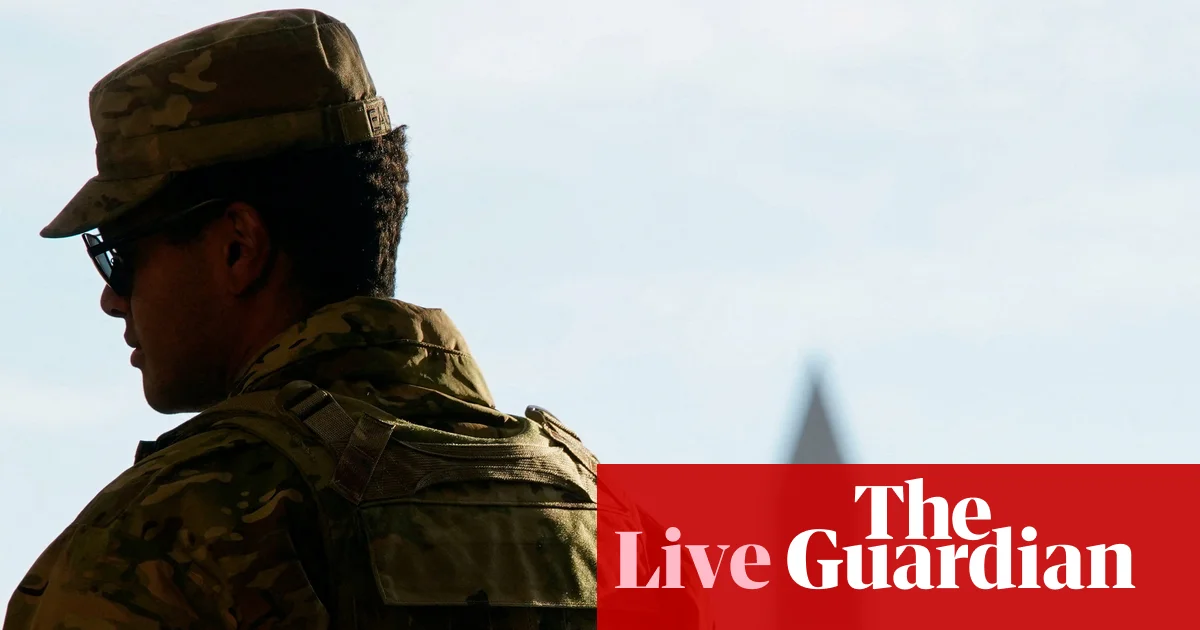
The recent surge of violence and political upheaval surrounding Washington, D.C. has ignited a firestorm with far-reaching geopolitical impacts that ripple across the international landscape. The escalation of violence—marked notably by the deadly shooting of National Guard members during a targeted attack close to the White House—has cast a shadow over what was once regarded as a symbolic safe zone. The attack, suspected to have been conducted by an Afghan national, underscores the complex challenge faced by U.S. authorities, who are now grappling with the security implications of foreign nationals involved in domestic violence. The incident further fuels Donald Trump‘s narrative that America’s borders and national security are compromised, prompting calls for stringent immigration policies.

The international community watches keenly as Trump vows to “permanently pause migration from all third-world countries,” signaling a potential shift away from America’s longstanding commitment to being a haven for immigrants. His promise, announced in a late-night social media post, aims to “end all federal benefits and subsidies to non-citizens” and remove those deemed “not a net asset” to the country. Yet, these aggressive rhetoric and policy proposals defy the legal and societal realities within the United States, where previous bans faced judicial hurdles and legislative resistance. Global analysts and human rights organizations caution that such measures could destabilize international efforts to support refugees and undermine America’s moral standing.

The incident has become a clear turning point, marking heightened tensions between the Biden administration’s policies and the growing nationalist wave, with many fearing increased institutional crackdowns and deepening societal divisions. As the Trump-era policies of mass deportations and immigration restrictions take a renewed shape, international voices—especially within Europe and Canada—warning that America risks retreating into isolationism and xenophobia. Renowned historians such as Professor Laura Sanchez argue that these developments threaten to turn the clock back on decades of inclusive policies, risking economic consequences due to the significant contributions of foreign-born workers, who fuel roughly 31 million American jobs.

This crisis also amplifies the debate about how internal decisions affect societal cohesion and international perceptions. The attack’s suspected perpetrator, linked to Biden’s post-2021 Afghan evacuation program, exemplifies the unintended consequences of rapid resettlements. As Trump calls for reexamining the status of Afghanistan nationals and intensifying immigration enforcement, international observers wonder whether the US is steering itself toward a more insular, security-focused approach—one that risks alienating traditional allies and destabilizing regional geopolitics. Historians warn that such internal rifts, if unaddressed, could lead to long-term societal fragmentation, with echoes that may reshape international relations for generations.

As the dust settles, the weight of history presses down—highlighting a moment where America’s founding ideals clash with burgeoning fears and nationalistic impulses. The choices made by its leaders in this perilous era could either forge a path toward renewed unity or fracture the social fabric beyond repair. The story of this chapter is still being written, but one thing remains certain: the unfolding narrative will influence the world’s outlook on democracy, security, and human rights for decades to come.

Italy to Extradite Pipeline Blast Suspect to Germany—Justice on the Move

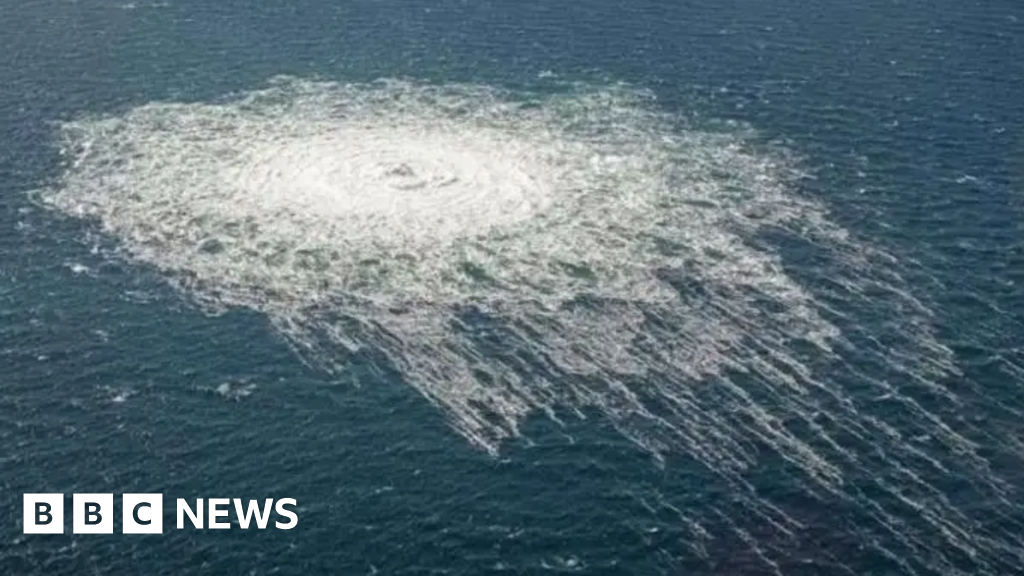
The Nord Stream pipelines, crucial maritime conduits carrying natural gas from Russia to Germany, have become a focal point of international contention following a clandestine attack in 2022. The pipelines, running beneath the Baltic Sea, have long symbolized the intertwined energy dependencies between Europe and Russia. Their sabotage not only disrupted European energy supplies but also ignited a fierce debate over who bears responsibility for undermining European stability and unity. Recently, Italy’s highest appeals court authorized the extradition of Serhiy Kuznetsov, a suspected Ukrainian national, to face charges of sabotage in Germany. This case exemplifies how individual acts, allegations, and international legal proceedings are now deeply enmeshed with broader geopolitical ramifications, pushing nations into complex alliances and divisions.

  • Italy’s top appeals court’s decision to extradite Serhiy Kuznetsov underscores the intensified scrutiny on Ukraine’s role in the pipeline attacks, which Kyiv has vehemently denied orchestrating. Prosecutors in Germany believe Kuznetsov, a former Ukrainian military officer, allegedly coordinated the operation, planting explosives deep beneath the Baltic Sea, an act believed to have potentially altered the trajectory of European energy politics. Though evidence remains classified, the implications for Ukrainian-German relations are profound, revealing the delicate balance between military aid support and accusations of offensive covert actions.
  • Simultaneously, a second Ukrainian suspect, Volodymyr Zhuravlyov, was detained near Warsaw, only to be released by Polish courts which saw his actions as a form of legitimate self-defense amid Russia’s ongoing, brutal invasion of Ukraine. His case highlights contrasting perceptions: some nations view Ukrainian involvement in sabotage as justified resistance, while others see it as an escalation of conflict.

How international decisions and legal proceedings shape geopolitical landscapes

As analysts and history scholars observe, the indictment and extradition of Kuznetsov mark an escalation in how the West perceives and politically navigates the Ukraine crisis. Critics argue that such cases are used to intensify diplomatic pressure on Ukraine and its Western allies, predominantly Germany, which is among Kyiv’s most significant supporters. The narrative surrounding the attack on Nord Stream has become a symbol of the broader struggle between Western interests and Russian influence. Meanwhile, international organizations warn that this legal confrontation could further fracture European unity at a critical juncture, especially as Russia continues its strategic influence campaigns in the region.

The decision to extradite Kuznetsov, viewed by supporters as a step towards justice, is criticized by many Ukrainians and their advocates who see the attack as a hero’s deed to destabilize Russian economic power—an act they celebrate. Yet, other nations worry about the precedent it sets: the criminalization of acts of resistance, which could spiral into wider conflicts or arbitrary prosecutions. The fate of this case remains uncertain, but its repercussions extend far beyond Italy or Germany, emphasizing how individual acts of sabotage now carry the weight of international diplomacy.

As history continues to unfold, the battle over truth and justice in the Nord Stream case underscores a reality where every decision echoes through the corridors of power, affecting societies and the course of nations. In a world teetering on the edge of new alliances and confrontations, it is clear that the recent actions are not just about pipelines or legal technicalities but about the extreme stakes of global influence. The penultimate chapter remains unwritten, and the weight of history presses heavily upon the shoulders of the current generation—witnesses to a pivotal moment where the future of European stability, and perhaps the entire continent’s destiny, hangs perilously in the balance.

Hezbollah suspect faces trial in Germany amid rising security concerns

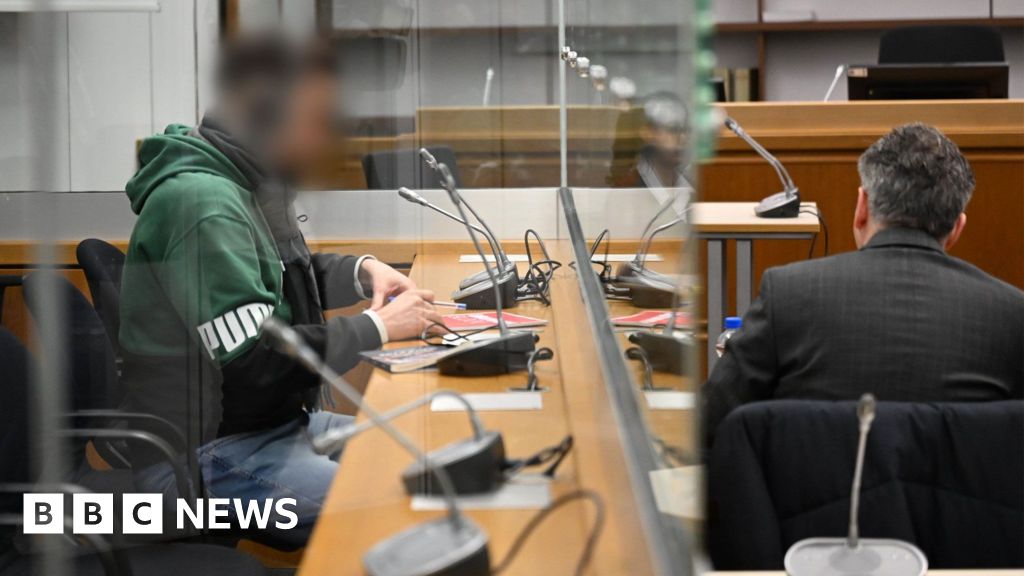
The recent trial of Fadel Z, a Lebanese national accused of assisting Hezbollah’s burgeoning drone arsenal, has cast a spotlight on the organization’s expanding military capabilities and the broader regional implications of its actions. Amidst ongoing hostilities and international concern, this case underscores the sophistication of Hezbollah’s covert operations that stretch across continents and threaten stability in the Middle East. According to German authorities, Z is alleged to have played a vital role in procuring components for Hezbollah’s drone program, which has reportedly amassed over 10,000 units by mid-2024. This development signifies a clear escalation in Hezbollah’s military strategy, transforming it from a clandestine militia into a technologically advanced force capable of offensive operations, with serious implications for geo-strategic stability.

Since launching an extensive drone program, Hezbollah has increasingly utilized European, Chinese, and American suppliers to arm its arsenal, often through front companies registered under false identities. This clandestine supply chain has enabled the group to acquire essential parts such as motors, propellers, and explosives. Prosecutors detail how operations like those of Fadel Z facilitate illicit trade across borders, aiding Hezbollah’s efforts to target Israeli military and civilian sites—most notably, the drone attack on a retirement home in Herzliya during Yom Kippur. Such acts of aggression are not isolated; they reflect an organized campaign backed by regional actors and global trade networks, heightening concerns over the destabilizing influence of Iran-backed militias. Analyst Dr. Martin Shaw from the International Strategic Studies Institute emphasizes that these developments serve to deepen Iran’s footprint across the Levant, challenging Western and regional efforts to contain Tehran’s influence.

Meanwhile, the escalation of violence between Israel and Hezbollah follows recent hostilities linked to Hamas’s October 2023 attack, prompting a deadly cycle of retaliation. Hezbollah’s response with drone strikes and rocket barrages marks a concerning shift in tactics, blurring the lines between state and non-state actors in a conflict that threatens regional and international stability. The conflict’s toll is staggering: Lebanese authorities report approximately 4,000 casualties, many civilians, along with the displacement of over 1.2 million residents, while Israel suffered over 80 soldier fatalities and dozens of civilian deaths. The United Nations and strategic analysts warn that continued escalation could ignite a broader regional conflict, drawing in powerful neighbors and global powers alike. As world leaders deliberate over diplomatic avenues, the decades-long ambiguity surrounding Hezbollah’s true military strength and covert activities remains a pressing geopolitical concern, with experts warning that, if unchecked, such insurgencies could redefine Middle Eastern geopolitics for generations to come.

As courts in Europe examine the depth of Hezbollah’s clandestine network, the global community watches with anticipation—and trepidation. The case of Fadel Z highlights a larger narrative: the intertwining of terrorism, advanced technology, and international trade that fuels ongoing conflicts. The unfolding story of this trial and the ongoing violence illustrates how decisions made behind closed doors can have rippling effects across continents. With history’s weight shifting ever more decisively, nations face an uncertain future—one where the balance of power hangs on the edge of a new technological arms race, teetering on the precipice of a broader regional war that could reshape the very fabric of the Middle East for decades yet unborn.

Polish judge refuses extradition of Nord Stream suspect, calls it a 'just act'
Polish judge refuses extradition of Nord Stream suspect, calls it a ‘just act’

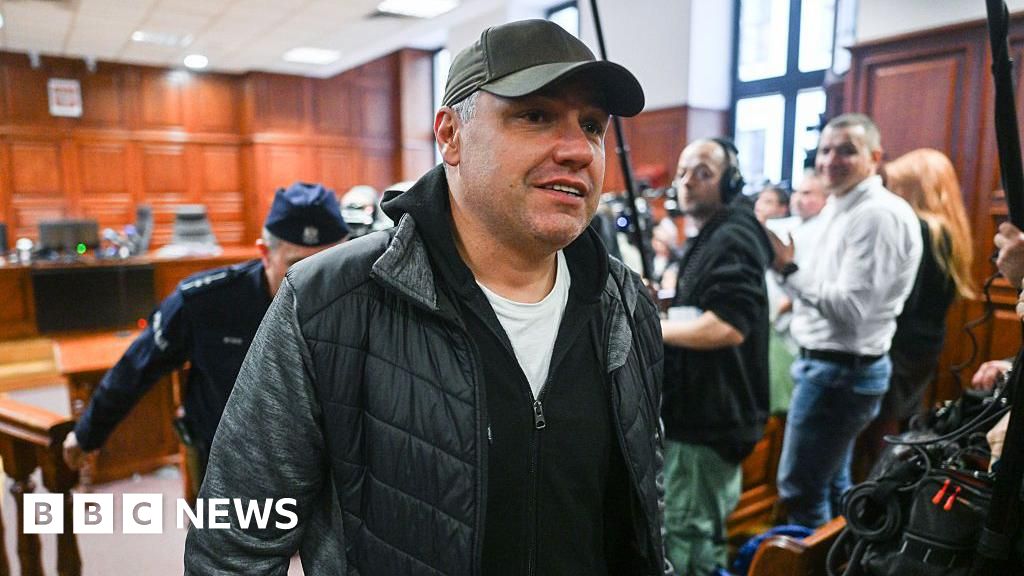
In a development that underscores the escalating geopolitical tensions surrounding energy infrastructure and national sovereignty, a Polish court recently made a highly controversial ruling regarding the suspected sabotage of the Nord Stream pipelines—an incident that has reverberated across Europe and beyond. The court refused to extradite a Ukrainian suspect, Volodymyr Zhuravlyov, accused by Germany of involvement in the September 2022 detonation. The judge’s decision has ignited fierce debates about the legality, responsibility, and geopolitical ramifications, shifting the narrative in ways that threaten to unravel the fragile balance of international diplomacy.

Initially, blame for the explosions was pinned on Russia, given its major stake in the pipelines that crisscrossed the Baltic Sea, connecting Russia to Germany. However, signs of Ukrainian involvement emerged—an assertion vehemently denied by officials in Kyiv. The case takes on added complexity considering Poland’s own stance: a vocal critic of the pipelines, especially Nord Stream 2, which Poland viewed as a geopolitical tool used by Berlin to deepen Europe’s dependence on Moscow. Polish Prime Minister Donald Tusk vocalized support for the court’s ruling, stating that the case was “closed,” fostering speculation about whether political motives are intertwining with legal adjudication. Critics and experts contend that these events could stir a storm of diplomatic retaliation, as nations grapple with the blurred lines between what constitutes acts of war and legitimate resistance in a time of conflict.

The court’s ruling, which highlights the war in Ukraine as a backdrop, sparks provocative questions about international jurisdiction and national sovereignty. Judge Dariusz Lubowski’s passionate speech framed the incident within a context of “justified” acts of defense, citing historical figures such as Aristotle and Saint Thomas Aquinas to justify what, in peacetime, might be viewed as sabotage. His assertion that Ukraine’s alleged actions were a “rational and just” response to “Russia’s bloody and genocidal attack” reveals an underlying political commentary that critics argue could set a dangerous precedent—favoring the view that acts of sabotage during wartime are morally defensible. Such a stance resonates deeply with many analysts warning that it could embolden other nations to justify targeted attacks against strategic infrastructure, risking global destabilization in the pursuit of national interests.

The geopolitical impact of this legal saga extends to Europe’s energy security and alliance structures. Germany’s halting of the Nord Stream 1 pipelines and the delayed entry of Nord Stream 2 represent more than just economic shifts—they symbolize Europe’s grappling with energy dependency and the broader contest of influence between the West, Russia, and Ukraine. The case also exposes gaps in the EU’s legal framework, with judges questioning whether Germany has jurisdiction over acts carried out in international waters, with ownership and responsibility clouded by complex legal and political layers. Analysts warn that the verdict not only complicates efforts to hold perpetrators accountable but also deepens divisions within the European Union—divisions that could be exploited by adversaries seeking to weaken Western unity in the face of ongoing conflicts.

As history turns another page, the story of the Nord Stream sabotage continues to unfold, leaving a trail of questions that threaten to define the new era of international conflict. The decision in Warsaw is more than a legal verdict; it is a snapshot of a world where lines of morality and legality are blurred amid the chaos of war and power struggles. In the shadows of courtrooms and diplomatic corridors, nations are watching as the fabric of trust and sovereignty is tested—reminding us all that in geopolitics, the stakes are nothing less than the future of freedom and stability itself. The weight of history presses down, and the question remains: who will claim the next chapter—peace, or chaos?

Dallas Ice shooting suspect planned attack, FBI warns—youth warned to stay alert

In recent days, the United States has faced a stark reminder of the rising tide of political violence and internal strife. The shocking attack on an Immigration and Customs Enforcement (ICE) detention facility in Dallas underscores the deepening divisions within American society—a nation torn between lawlessness and the rule of law. The FBI disclosed that the suspect, identified as 29-year-old Joshua Jahn, meticulously planned the assault, even deploying a ladder and a high-powered rifle with sniper capabilities. Such details reveal an alarming degree of premeditation, emphasizing that the incident was not an impulsive act but a calculated strike against the very institutions meant to uphold national sovereignty and law enforcement integrity. As analysts from think tanks warn, these acts threaten to destabilize America’s internal security and fuel further polarization, which, if left unaddressed, could usher in an era of increasing chaos and societal fracture.

The geopolitical impact of this domestic crisis extends far beyond U.S. borders. As the Biden administration struggles to manage a surge in political extremism, international observers from Russia to China, along with global organizations such as the United Nations, are watching with concern. The incident comes amid a backdrop of strained global relations, where weak governance in the USA fuels skepticism about American leadership and stability. The rhetoric surrounding the attack, with former President Donald Trump and right-wing commentators framing it as a consequence of what they label as “radical left” policies, exemplifies how domestic issues are increasingly intertwined with international perceptions of American strength. The potential for such violence to influence foreign policy and global stability remains a key concern, particularly as nations contend with their own internal conflicts and the erosion of traditional security paradigms.

Notably, this attack appears to be a manifestation of rising militant tensions fueled by intense partisan conflicts and an emboldening of radical elements. Historians caution that in times of social upheaval, acts of targeted violence against government institutions are often precursors to broader destabilization. Various analysts from NATO to the European Union have warned that the ongoing polarization within the USA may serve as a blueprint for others who seek to undermine Western cohesion. The suspect’s expressed hatred for the federal government, along with notes indicating an intent to instill terror among ICE agents, reveal troubling ideological undercurrents that could inspire copycat violence internationally. These dynamics threaten to ripple outward, challenging the stability of democracies around the world. As the global community observes the U.S. domestic crisis unfolding, the need for decisive leadership becomes undeniable.

Ultimately, the Dallas shooting encapsulates a pivotal moment—an ongoing chapter of history still being written. With each act of violence, the fragile fabric of societal trust is further frayed, pushing nations to confront uncomfortable truths about internal divisions and external instability. The world watches breathlessly, aware that such acts of terrorism, rooted in hatred and ideological extremism, have consequences far beyond national borders. As leaders debate solutions, the weight of history presses down: will the United States emerge resilient, or will this be a harbinger of a new era of chaos? The answer remains unwritten, but the shadows cast by this violence will surely shape the pages of history for generations to come.

Social Media Auto Publish Powered By : XYZScripts.com