
Matox News

Truth Over Trends, always!

Teacher suspended following allegations of inappropriate images involving minors

Societal Impact of Superficial Apologies in Professional Conduct Disciplinary Actions

Recent developments within the professional community reveal a concerning pattern: the finding that Jeremy Gibbs’ apology for his actions was deemed superficial by a professional conduct panel. This judgment underscores a broader societal challenge—how moral accountability and genuine remorse are often missing from public apologies, especially in realms where community trust and social cohesion are vital.

At its core, this incident prompts a reflection on the societal influence of superficial contrition on families, education, and wider communities. When a figure of authority or public standing issues a surface-level apology, it risks eroding the foundational trust necessary for the social fabric to remain resilient. As sociologist Dr. Maria Delgado notes, “Authentic apologies are crucial for healing wounds and rebuilding confidence in social institutions. Superficial responses, however, deepen skepticism and societal disillusionment.” This skepticism extends beyond individual cases, influencing community interactions, school environments, and even policy support, often leaving families feeling vulnerable and distrustful of authority figures.

The challenge lies in cultivating a culture of responsibility and genuine moral integrity. When community members see superficial apologies, it fosters a perception that accountability is optional, which can foster cynicism among youth and diminish the social sanctions that uphold moral standards. Educational institutions, which serve as the bedrock for societal value transmission, must emphasize the importance of sincerity in moral failings. As historian Dr. James Carlton asserts, “Without genuine remorse, efforts at reform are hollow, and society suffers when social cohesion depends on individuals’ authentic acknowledgment of their mistakes.” Institutions need to foster dialogues that promote true understanding and accountability, reinforcing integrity and social trust.

  • The key challenge remains ensuring apologies are sincere and are accompanied by tangible actions that address the root cause of misconduct.
  • Community programs that prioritize moral education and ethical accountability can serve as a catalyst for restoring trust.
  • Strengthening family and educational values rooted in personal responsibility and civic conscience is essential for long-term societal health.

The fallout from superficial apologies resonates with the broader narrative of societal moral decay and disconnection. Yet, amid these challenges, there remains an enduring hope—a possibility for societal renewal grounded in authentic relationships and moral commitment. This is a society where families, educators, and social leaders work together—not merely to condemn superficiality but to foster a culture that insists on integrity, transparency, and true remorse. As social commentators warn of societal apathy, it is equally true that hope lies in collective action, in the unwavering belief that genuine change is possible, one sincere apology at a time.

In the tapestry of society, each thread—each moral act, each heartfelt apology—serves to strengthen the whole. Perhaps it is in recognizing the importance of authenticity and moral responsibility that society aspires to restore the trust necessary for a resilient future—one where families are rooted in shared values, communities thrive on genuine respect, and the next generation learns the true meaning of integrity. Society’s greatest challenge remains not in avoiding mistakes but in transforming superficial responses into opportunities for authentic growth, ensuring that when the next apology is offered, it truly reflects a commitment to moral healing and societal betterment.
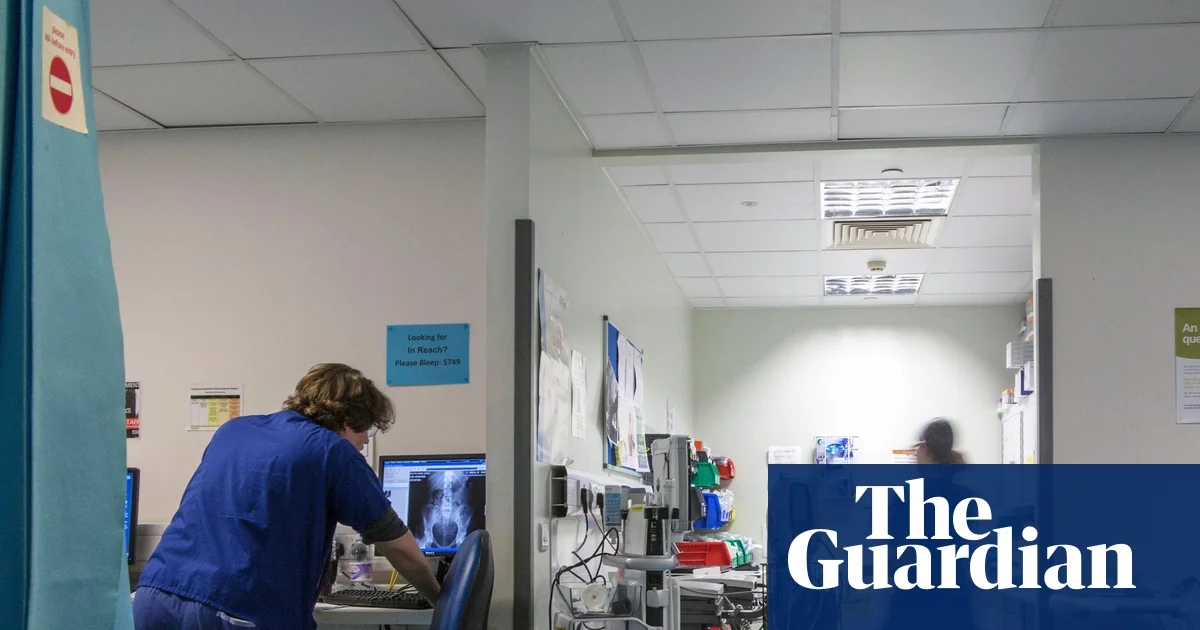
NHS doctor suspended for alleged antisemitic social media posts—Concern rises among youth over hate speech

The recent suspension of Dr. Rahmeh Aladwan, a trainee in trauma and orthopaedics at the NHS, highlights a disturbing intersection of social media misconduct and the broader geopolitical tensions surrounding antisemitism in the digital age. The Medical Practitioners Tribunal Service (MPTS) in the United Kingdom placed her on a 15-month interim suspension amidst allegations that her online posts contained content supporting terrorist organizations such as Hamas, propagated antisemitic conspiracy theories, and even used Nazi imagery. These acts are not isolated incidents but are symptomatic of rising global concerns over hate speech and the erosion of social cohesion, especially within highly sensitive societal institutions like healthcare and law enforcement.

International observers and analysts are now wary of how such incidents ripple beyond the confines of national borders, affecting the public’s trust in institutions and the fabric of multicultural societies. According to prominent international organizations and senior historians, the proliferation of extremist rhetoric online, particularly when backed by figures within societal institutions, poses a serious threat to what national security experts term cultural stability. The case raises a pressing question: How should nations balance the right to free expression with the need to protect communities from hate and extremism? The GMC and MPTS have justified their cautious approach, emphasizing that Dr. Aladwan’s conduct could harm public confidence in the healthcare system and fuel social divisions—an outcome that transcends the UK and impacts the global image of medical professionalism amid geopolitical unrest.

This incident comes at a time when Western nations are grappling with their own internal divides, often exploited by those seeking to manipulate societal fears for political ends. As nations seek to clamp down on hate speech, the broader geopolitical impact becomes evident: policies regarding internationally proscribed organizations such as Hamas have become a flashpoint, affecting diplomatic ties and the fight against extremism. Many analysts warn that permitting unchecked hate speech under the guise of political debate; risks emboldening terrorist sympathizers and radicalizing segments of society, thereby undermining national security. Understanding these dynamics is crucial, particularly as civil rights advocates call for greater oversight, yet critics argue that overreach could threaten free speech and political dissent. The UK’s response, including the ongoing review of Dr. Aladwan’s case, underscores the delicate balancing act between safeguarding societal cohesion and respecting individual freedoms—an issue faced universally, from Europe to the Middle East.

Historically, societal shifts driven by extremism have often left a lasting scar on nations’ collective memories. As historians and international security analysts observe, the current wave of online radicalization mirrors past periods of societal upheaval, often leading to conflict, division, and loss of life. The unfolding case of Dr. Aladwan is, therefore, more than an isolated disciplinary action; it is a stark reminder that history is watching us, and the decisions made today could shape the geopolitical landscape for generations. The fight against hate and extremism is not merely a national concern but a chapter in the ongoing battle for global stability. As institutions examine their roles and responsibilities, the weight of history presses on regulators to carefully weigh free expression against the imperative to defend vulnerable communities. The world remains on a knife’s edge, with the echoes of past conflicts whispering that, in times of rising division, the choices of today may determine whether future generations will remember peace or be haunted by the shadows of extremism.

Social Media Auto Publish Powered By : XYZScripts.com



