Matox News

Truth Over Trends, always!

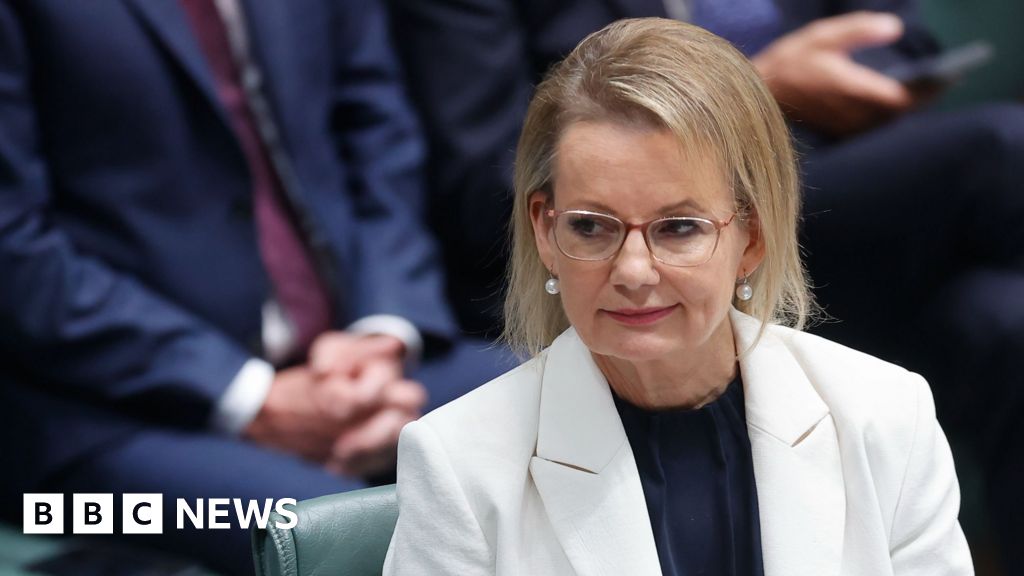
Sussan Ley and the Glass Cliff: Is Australian Politics Still Failing Women?

In an era marked by global upheaval and shifting alliances, the political landscape of the liberal democracies continues to evolve in unpredictable ways. Recently, the Liberal Party in a notable nation elected its first female leader, a historic milestone meant to symbolize progress and renewal amid mounting crises. However, this historic appointment proved short-lived, as she lasted less than a year at the helm, raising questions about internal party dynamics, leadership stability, and the broader implications for the nation’s future amid rising ideological tensions.

The election of the first female leader within the party was seen by many analysts as the start of a new chapter — a move toward greater gender inclusion in high-level political decision-making. Yet, critics warn that the timing could not be worse. The nation faces external pressures from regional adversaries, economic destabilization, and an increasingly divided electorate. The rapid turnover in leadership reflects not only internal party conflicts but also the broader discontent that pervades society. This brief tenure coincides with a period of intense international realignment, as alliances shift and global institutions grapple with new challenges.

International observers, including renowned political scientists and institutions like the International Crisis Group and the Council on Foreign Relations, emphasize that such leadership turmoil has significant geostrategic consequences. The geopolitical impact extends beyond national borders. It influences regional stability, trade routes, and security pacts. As nations vie for influence and strategic dominance, internal political fragility can weaken the capacity to navigate these complex international waters effectively. Historians warn that fleeting leadership in volatile times often precedes larger political upheavals, potentially opening the door for authoritarian forces or destabilizing populist movements.

Within this fragile context, the Liberal Party’s rapid leadership change underscores a critical inflection point for the political status quo. The nation, considered a key player in global affairs, now faces questions about the impact of such instability on long-term foreign policy, economic resilience, and citizen trust. While party insiders might argue that new leadership could reinvigorate the political apparatus, others see it as a symptom of deeper ideological divides and mounting societal unrest. With international treaties, regional alliances, and economic partnerships at stake, the question remains: how will this turbulence shape the course of the nation’s future?

As history unfolds, the world watches with bated breath. The ephemeral nature of leadership amid global chaos serves as a stark reminder: in the arena of geopolitics, stability is fragile, and every decision bears the weight of history — not just in defining nations but in shaping the destiny of civilization itself. The story of the Liberal Party’s brief moment in the sun is still being written, its conclusion yet unwritten, leaving a legacy of lessons — and warnings — for generations to come.
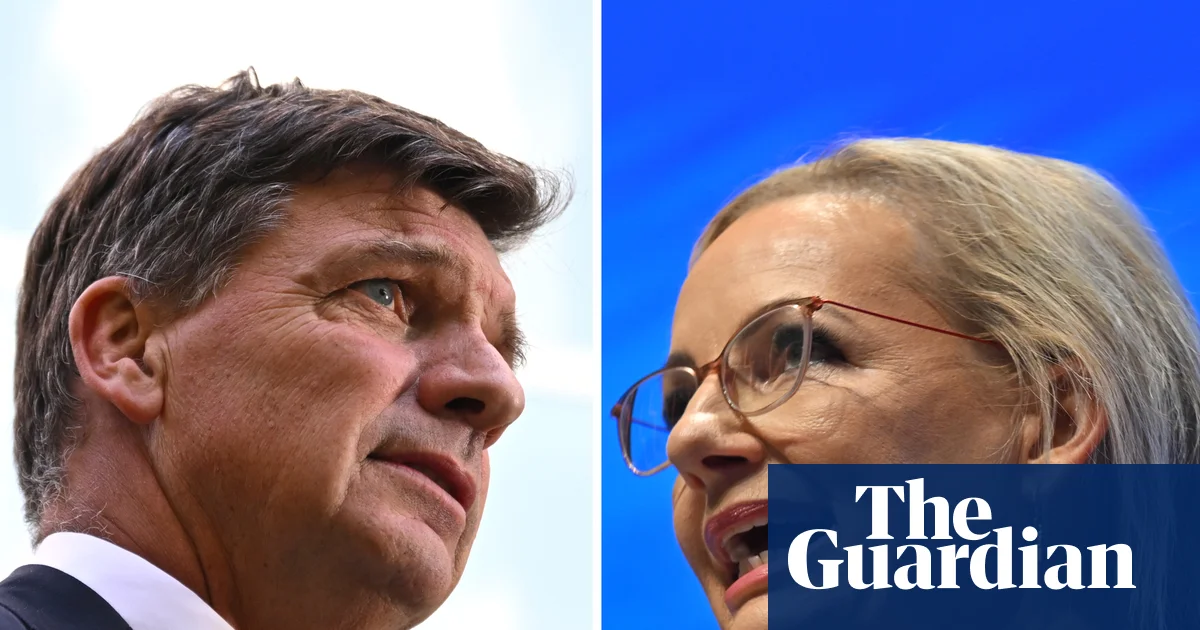
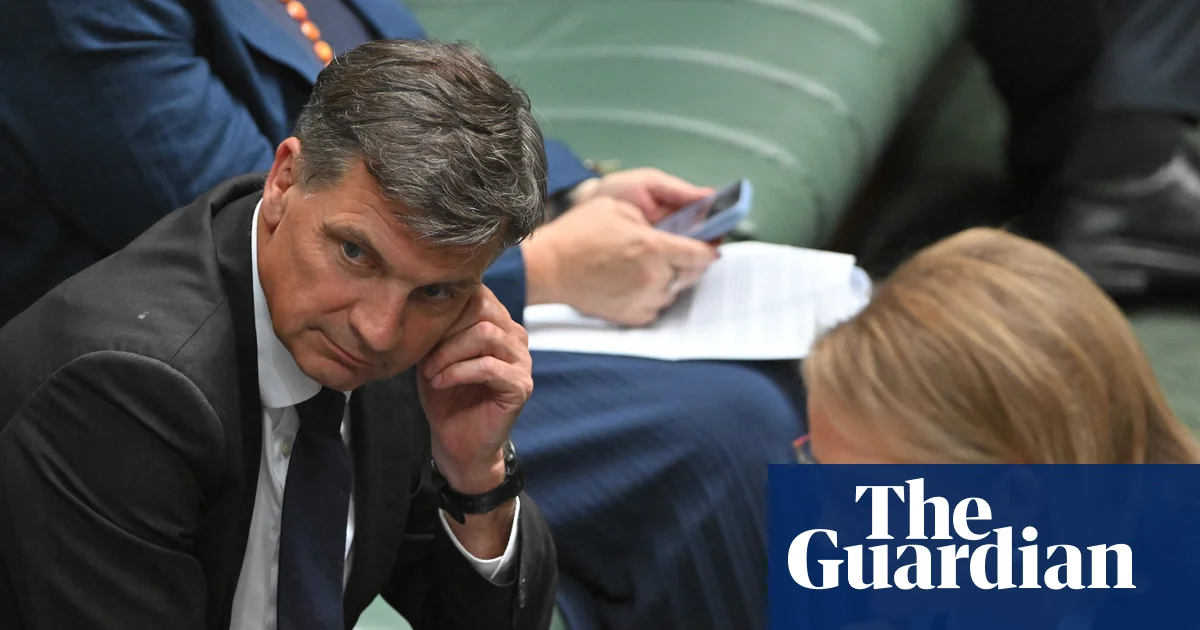
Young conservatives rally behind Angus Taylor in leadership bid against Sussan Ley

Australia’s Political Landscape Shaken as Liberal Party Faces Leadership Crisis

In a dramatic turn of events, Australia’s political arena is witnessing a pivotal moment as the Liberal Party grapples with internal turbulence that could reshape the nation’s leadership. The outgoing leader, Sussan Ley, finds her position under threat amid a wave of resignations and shifting allegiances, signaling a deeper crisis within the party. The mounting tension reflects not only party dynamics but also a wider contest over the future direction of Australia, particularly in response to domestic and international challenges that demand firm leadership. Experts and analysts warn that the outcome of this leadership contest could influence Australia’s policy stance on issues such as climate change, immigration, national security, and economic recovery.

Key figures emerged as the battle lines solidified during this political upheaval. Angus Taylor, a former shadow defence minister known for his conservative stance, has garnered significant backing from influential party members, including Queensland senator James McGrath and opposition figures like Michaelia Cash. Their support underscores a growing divide within the party—between moderates who favored Ley’s leadership and conservatives rallying behind Taylor. The tension culminated when Taylor resigned from his shadow cabinet position to formally challenge Ley, claiming the party has “lost its way” and emphasizing the need for “strong and decisive leadership” to address Australia’s pressing issues. His narrative resonates with many young conservatives across the country who yearn for a return to traditional values and robust national policies, especially in light of international complexities such as regional security and economic resilience.

The leadership election, scheduled to be decided this week at Parliament House, is tightening as both sides claim the support of the 51-member party room. The possibility of a narrow victory hangs in the balance, with Ley maintaining that she still commands “the numbers,” even as critics argue her position has become increasingly untenable. Notably, the broader geopolitical impact of this internal party conflict extends beyond Australia’s borders—potential leadership shifts could influence Australia’s foreign relations, especially its stance toward China, the Indo-Pacific region, and global trade alliances. Historically, Australian parties’ leadership stability has impacted its international posture, with quick leadership changes often seen as destabilizing for diplomatic consistency and economic policy.

As Australia faces these tumultuous internal debates, the international community observes with cautious interest. The contest mirrors global struggles where nations look to their political parties to deliver stability amidst geopolitical turbulence. Analysts from organizations such as the Lowy Institute warn that a leadership upheaval could create a temporary vacuum, affecting Australia’s commitments to regional security pacts and trade agreements. The internal party dispute, while ostensibly about policy direction, symbolizes a broader cultural clash—between traditional conservatism and progressive ambitions—that will indelibly shape the country’s future. As the vote nears, the weight of history presses heavily, reminding all that leadership crises are not merely internal squabbles, but pivotal moments that may define a nation’s course for generations to come.

Angus Taylor allies gear up to challenge Sussan Ley for Liberal leadership soon

In a striking display of conservative instability, Australia’s ruling Liberal Party finds itself at a historic crossroads, with internal tensions threatening to fracture its very foundation. The political landscape has been shaken by a dramatic decline in electoral support, evidenced by the latest Newspoll revealing the party’s primary vote collapsing to an alarming 18%. This figure, a nine-point drop from previous months, has prompted urgent calls for change among party factions, especially as leader Sussan Ley faces mounting criticism and the looming prospect of a leadership spill. Conservative parliamentarians argue that, with support waning, it is only a matter of when, not if, the party will resort to reshuffling its top ranks to salvage electoral viability before the crisis deepens further.

While Ley, buoyed by some moderate voices, remains defiant—stating her job is “not expected to be in question”—the internal dissent has reached new levels of intensity. Supporters inside the party speculate that the fallout from the recent Coalition split over hate speech laws has gravely damaged Ley’s credibility, undermining any claims to stable leadership. Their fears are compounded by the internal power struggles exposed when Angus Taylor, a prominent conservative figure, emerges as a frontrunner for the leadership. According to insiders, Taylor may soon initiate a leadership spill, which would require Ley’s resignation from her current shadow cabinet position and a swift contest for the party’s leadership. Analysts emphasize that such a move could be the party’s last-ditch effort to restore voter confidence amidst a societal landscape increasingly aligned with populist sentiments elsewhere.

Internationally, Australia’s political turmoil resonates beyond its shores, as geopolitical analysts warn of the ripple effects on regional stability and alliances. The U.S. and UK, longstanding partners, scrutinize Canberra’s internal chaos, aware that a weakened Australian opposition could embolden rival powers like China and Russia in the Indo-Pacific. The possibility of leadership upheaval threatens to weaken Australia’s stance in critical multilateral engagements, including the Quad and regional security dialogues. Furthermore, experts observe that Australia’s political lessons echo a broader international pattern: when national parties falter in the face of societal shifts and electoral discontent, the resulting turbulence can have far-reaching consequences, altering regional geopolitics and the balance of power.

Meanwhile, within Australia, the debate shifts to the societal impact of these political upheavals. Moderate voices call for a strategic reevaluation, arguing that the party must embrace reforms to resonate with a generation increasingly attuned to issues like immigration, economic opportunity, and national sovereignty. Historians caution that the current crisis echoes past moments of ideological fissure, reminding voters and leaders alike that history often remembers the decisions made in these turbulent times as defining events—shaping the future course of the nation, for better or worse. As the political machinery grinds into motion, the weight of history presses down on the shoulders of its leaders, who must decide whether to cling to fading factions or forge a new path forward amid the chaos.

In the vast tapestry of history, moments of upheaval are often the dawn of transformation. As Australia faces its latest storm—a potential leadership overhaul in a time of societal and geopolitical flux—the question remains: will this be the beginning of a renewed national resolve or a slide into prolonged instability? The final chapter has yet to be written, but the echoes of this moment resonate across generations, challenging the very foundation of Australia’s political identity in the shadows of an uncertain future.

Australia News Live: Nicole Kidman & Keith Urban Divorce; Sussan Ley Takes a Stand for Frontbench Stability

Global Stability on Edge: Major Geopolitical Shifts Shape the Future of Nations

In an era marked by rapid international shifts, recent developments underscore the precarious balance of geopolitical power and the profound impact of policy decisions on nations and societies worldwide. From contentious domestic policies to explosive rumors of high-profile personal upheavals, these events are more than headlines—they are critical indicators of the trajectories shaping the geopolitical landscape.

At the forefront of recent disruptions, international organizations and analysts warn that the ongoing debates surrounding climate policies, military alliances, and economic strategies are merely symptoms of deeper conflicts. For example, the United Nations has issued a stark warning about escalating tensions in Eastern Europe and the South China Sea, emphasizing how decisions made in Western capitals could either escalate or de-escalate regional instability. The fallout from these choices extends far beyond borders—affecting trade routes, diplomatic alliances, and even the fabric of individual societies. As historian Dr. Emily Watson notes, “historic moments today will likely be scrutinized as either catalysts for peace or harbingers of conflict.”

Within this tense global climate, national leaders and political factions are reacting to pressures with policies that could redefine the international order. In Australia, Sussan Ley has responded to internal criticism by reaffirming her party’s policy priorities—particularly emphasizing the importance of stable governance and a unified front amid the growing regional uncertainties. Meanwhile, domestic labor unrest—highlighted by union leaders vocally opposing corporate attempts to shift blame for systemic failures—mirrors the broader global theme: how societies respond to governance crises. These internal disputes embody an underlying fear: that neglect or mismanagement could destabilize fragile democracies and ignite unpredictable international repercussions.

Meanwhile, signs of human vulnerability remain intertwined with these political struggles. The recent breakup of Hollywood icons Nicole Kidman and Keith Urban, filed for divorce in the United States, may seem like a personal matter, but experts argue it symbolizes shifting cultural values and the erosion of traditional social contracts. As international commentators cite, such high-profile personal upheavals reflect broader societal transformations—especially among youth, who increasingly question established norms and demand authenticity and change. These cultural shifts, coupled with political turbulence, will inevitably influence how nations evolve in the coming decades, shaping policies that either embrace modernity or cling to old paradigms.

The security landscape remains volatile, with international institutions frantically attempting to contain conflicts and prevent a new Cold War scenario. The decisions made today—be it in diplomacy, military postures, or economic sanctions—will echo for generations. As some analysts warn, this period might be remembered as a pivotal chapter: a time when the global community chose whether to build bridges toward cooperation or tear down those already in place. The power is in the hands of leaders and societies alike, and their choices will determine if history honors their judgment as wise or condemn their shortsightedness for unleashing chaos. The pages of history are turning swiftly—you, as the global citizen, must heed the signs that this current decade is molding the very future of humanity, written not in ink but in the enduring fabric of geopolitics itself.

Social Media Auto Publish Powered By : XYZScripts.com