
In a world increasingly aware of environmental impacts and health-conscious living, the humble cutting board has become more than just a kitchen tool — it’s a symbol of lifestyle shifts towards minimalism, sustainability, and personal well-being. For centuries, chefs and home cooks alike have relied on sturdy wooden boards, appreciating their durability and aesthetic appeal. But today’s focus shifts beyond traditional craftsmanship, invigorated by scientific studies and a growing demand for eco-friendly, microplastics-free alternatives. As food writers and wellness experts like Marion Bull emphasize, choosing the right cutting board isn’t merely about size or style; it’s about aligning your kitchen practices with a broader purpose of integrity, health, and sustainability.
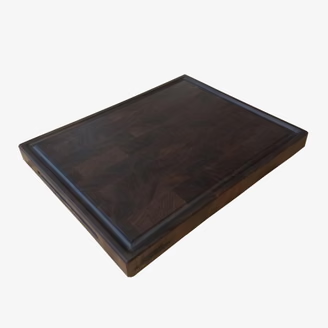
Recent research highlights troubling insights: plastic cutting boards, though affordable, have been shown to shed microplastics into our food, an issue that continues to be studied for its long-term health effects. While some claim that plastic boards are more hygienic, laboratory tests from reputable sources reveal little difference between wooden and plastic boards when it comes to microbiological cleanliness—*proper cleaning is key*. Yet, it’s the environmental footprint that truly tempts us to leap toward plastic-free options. Leading companies, like Brooklyn Butcher Blocks, source all their wood domestically and implement waste-minimizing practices such as composting remnants. Their End Grain Walnut Butcher Block exemplifies a harmonious blend of eco-conscious design and practical durability, offering a perfect size for small kitchens while promising longevity with minimal maintenance.
Choosing the right plastic-free cutting board involves understanding the differences in materials—particularly between end grain and edge grain wood. End grain boards are praised for their self-healing properties and gentle impact on knives, though they demand a higher level of upkeep, including regular oiling and waxing. Conversely, edge grain boards, while more affordable and easier to maintain, tend to show knife marks more readily but still provide a natural, beautiful surface. Modern innovations, like the Material Kitchen’s MK Free Board, incorporate plant-based bioplastics that mimic traditional materials without the microplastic risks, offering us a way to enjoy the best of both worlds—practicality and eco-consciousness.
- Explore versatile materials like bamboo or sustainably harvested hardwoods for a natural feel.
- Prioritize size and weight that suit your cooking habits, opting for something manageable yet sturdy.
- Look for features such as juice grooves and non-slip feet for enhanced usability.
As we adopt these new, mindful choices in our kitchens, we’re aligning everyday actions with a greater vision of personal impact—protecting our health, respecting our environment, and embracing the beauty of well-crafted, sustainable tools. The kitchen, once simply a place of preparation, transforms into a space of intentional living where every chop and slice echoes a commitment to a cleaner planet and a healthier self. Through mindful selection of the right cutting board, we can make a statement that echoes beyond our countertops—an ode to the power of small, meaningful shifts that collectively shape a future where life is not only about what we cook but the stories and impacts woven into every choice we make.