Matox News

Truth Over Trends, always!

Nintendo’s Switch Smashes Records as Highest-Selling Console Ever Among Young Gamers

The Nintendo Switch Sets New Milestones: A Cultural Game-Changer

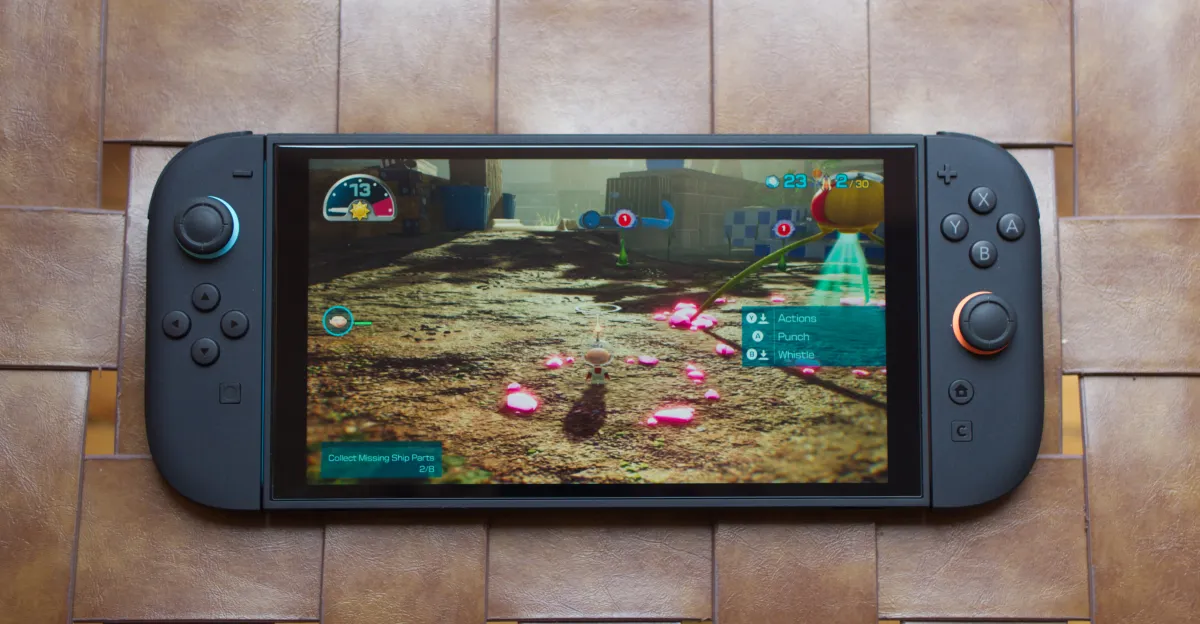
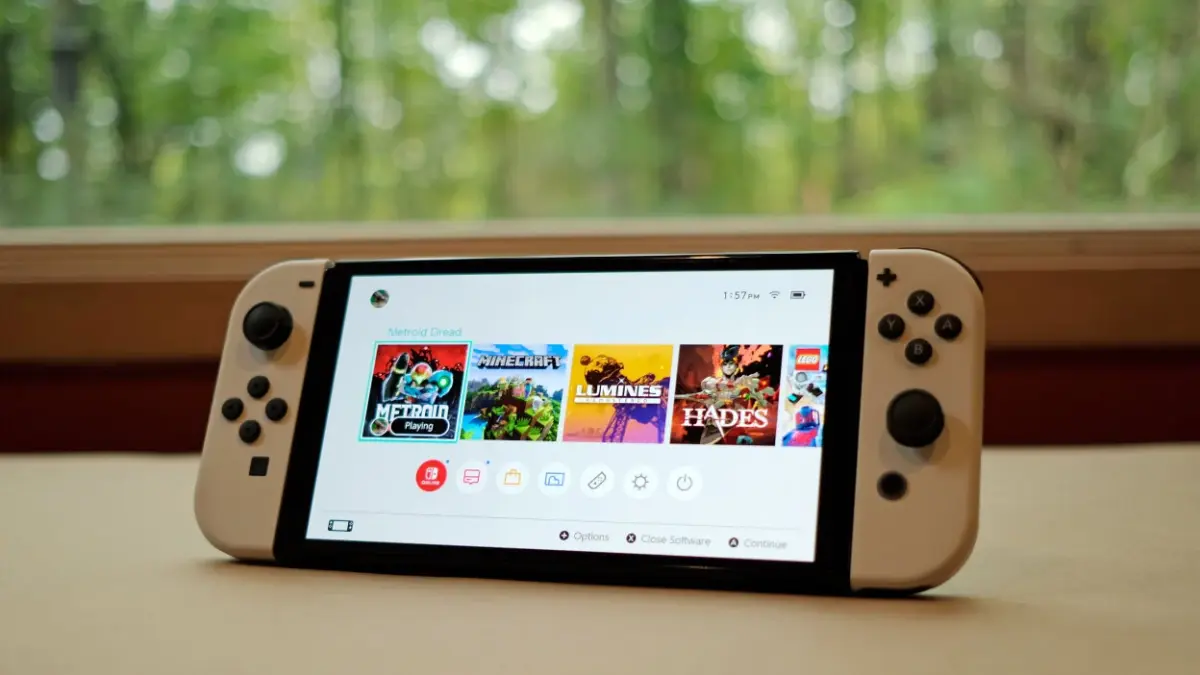
In the ever-evolving landscape of gaming, Nintendo continues to demonstrate why it remains a cultural powerhouse among youth. The company recently announced that their beloved Nintendo Switch has surpassed 155 million units sold, making it the highest-selling hardware in Nintendo’s storied history. This milestone isn’t just a testament to technological innovation—it’s a reflection of a societal shift in how the younger generation engages with entertainment. Unlike traditional gaming consoles, the Switch’s hybrid design—combining portability with home console capabilities—has resonated deeply with today’s dynamic and on-the-go lifestyle, redefining what a gaming device can be.

What makes this success even more compelling is how it exemplifies a shift in social behavior and cultural relevance. The Nintendo Switch has become more than just a gaming platform; it’s a social hub for youth, a portal to shared experiences and online communities. With top influencers, TikTok challenges, and vibrant fan discussions, the console has embedded itself in the fabric of youth culture. According to gaming sociologists, this trend reflects a broader desire among young people for flexible, social, and accessible entertainment that fits into their fast-paced lives. It’s not just about gaming anymore—it’s about creating shared digital identities and cultural moments, a phenomenon that can shape social dynamics for years to come.

Besides its cultural impact, Nintendo’s innovation is also capturing market dynamics with surprising speed. Despite not holding the record for the overall best-selling gaming hardware (that’s the legendary PlayStation 2 at approximately 160 million units), the Switch’s current trajectory suggests it could eventually surpass that milestone, especially with the release of the highly anticipated Switch 2. In less than a year since its debut, the Switch 2 has already sold an impressive 17 million units, outstripping sales figures of past consoles like the Wii U, which struggled with market acceptance. This highlights a generation-driven demand for gaming that prioritizes versatility and innovation—factors that Nintendo has prioritized with aesthetic appeal and engaging gameplay experiences.

  • Top gaming influencers like Pokémon TikTok stars, and streamers on Twitch, have propelled the Switch to viral heights, making it a must-have for youth seeking social connectivity through gaming.
  • Multiple lifestyle brands are now leveraging Nintendo’s success, incorporating gaming aesthetics into fashion and tech accessories, further embedding the console into youth culture.
  • Sociological insights from analysts have noted that the Switch’s success underscores a societal shift: young consumers increasingly favor personalized, portable tech that enhances social bonding and community building.

As Nintendo’s movement demonstrates, this gaming evolution raises an intriguing question: in a hyper-connected, tech-driven society, will the next iteration of gaming hardware shift further into an even more social, lifestyle-integrated space? Could future consoles become less about hardware specs and more about connecting people through immersive experiences? Nintendo’s triumph with the Switch suggests that the hottest trend may not just be in processing power or graphics, but in fostering social engagement and cultural identity—especially among youth. As we look ahead, one thing is clear: the next big question isn’t just what gaming hardware will do next, but how it will shape the social fabric of the digital generation to come.

Trump slams Cuellar for dodging party switch after pardon

Global Tensions Escalate as U.S. Political Loyalty Becomes a Hotbed of Conflict

The recent controversy surrounding Donald Trump and Henry Cuellar has exemplified the deep fissures within American political discourse. The former president’s decision to pardon the Texas Democrat, who faces serious charges—including bribery, money laundering, and conspiracy—has ignited a firestorm that extends far beyond the borders of the United States. In a move many analysts deem as a strategic display of loyalty politics, Trump publicly criticized Cuellar for “lack of loyalty,” asserting that the lawmaker’s decision to seek re-election under the Democratic banner, despite being pardoned, reveals a broader pattern of disloyalty to his supporters and allies. This spat has profound geopolitical consequences, highlighting the ongoing struggle for influence and control within America’s domestic corridors, and raising questions about the international impact of U.S. political stability.

At the heart of this controversy is the accusation that Cuellar, along with his wife, accepted over $600,000 from Azerbaijan’s state oil company and an unnamed Mexican bank in exchange for advancing foreign interests in Congress. Charges filed by the Biden administration suggest a disturbing case of foreign influence, a topic of concern for international security experts who warn that political corruption at such levels can embolden foreign adversaries. While Cuellar maintains his innocence, the

  • allegations of conspiracy
  • bribery
  • money laundering
  • wire fraud

indicate the stakes are far higher than mere partisan theater. Global institutions such as the International Monetary Fund (IMF) and Transparency International have long emphasized how domestic corruption can undermine international economic stability, a warning that resonates amid rising geopolitical tensions. The accusations splinter the U.S. political landscape, reflecting a broader temptation among rivals to exploit America’s internal divisions for geopolitical gain.

Meanwhile, Trump’s vigorous public defense, framing the charges as an “evil quest” by the “radical left”, underscores the asymmetrical nature of contemporary geopolitical conflicts—where ideological loyalty often supersedes rule of law. His claim that Cuellar’s loyalty to border security aligns with American national interests echoes a broader narrative favored by right-wing factions worldwide, warning of “cultural and political infiltration” by foreign or domestic “radicals.” As historians debate whether this marks a new era of loyalty-driven politics or an ominous decline into factionalism, the international community watches with growing concern, wary that U.S. internal chaos could ripple outward, destabilizing already fragile regions.

In this stage of American politics, the relentless emphasis on loyalty has broader geopolitical implications. Trump’s endorsement of loyalty as a paramount value echoes a trend seen in other national governments where trust in institutions is declining. The rise of populist nationalists across Europe, Asia, and the Americas signals a shift toward prioritizing national loyalty over transnational cooperation. As the U.S. grapples with internal divisions and questions of allegiance, the potential for these fissures to spill into international relations looms large. The unfolding story of Cuellar, Trump, and their struggle for influence offers a stark reminder that the tides of history are still in motion, and the coming chapters will determine whether the world moves toward unity or chaos—a future shaped by the choices made in these pivotal political battles.

Switch 2 and Ninja’s Creami: Top deals redefining the week for young tech fans

Tech Industry Transforms Amid Latest Consumer Electronics Deals

The recent surge in consumer electronics deals highlights a market in flux, driven by relentless innovation and disruptive forces. Nintendo’s Switch 2 console bundle has emerged as a standout, signaling ongoing consumer demand for next-gen gaming experiences. Priced at $449.99 during Cyber Monday sales—marked down from $499.99—the bundle includes Mario Kart World, a game valued at $79.99 but effectively offered free of charge. Major retailers like Amazon, Walmart, and Best Buy are eager to consolidate their dominance in the gaming hardware market, as gamers seek immersive experiences that only the latest consoles can deliver.

This move emphasizes the profound impact of strategic bundling in stimulating hardware sales, reinforcing the notion that manufacturers like Nintendo are doubling down on exclusive titles and bundled experiences to maintain a competitive edge amidst an industry increasingly driven by innovation. The fast pace of technological advancements means competitors such as Sony and Microsoft are also ramping up their efforts to capture market share through similar disruptive tactics. Gaming, a sector historically thought to be niche, is now central to the broader tech ecosystem geared toward youth demographics and digital natives. This aligns with insights from industry analysts like Gartner, which predict a rapid escalation in gaming hardware adoption as an integral part of the digital lifestyle.

Meanwhile, the broader consumer tech sector continues to be reshaped by AI-powered innovations. For example, Amazon’s Echo Frames—smart glasses equipped with voice assistants—are now available at a fraction of their original price. Retailers like Amazon offer these discreet, stylish devices for just $114.99, down from over $300. Though some tech enthusiasts might hesitate about adopting camera-integrated smart glasses, these devices symbolize the push toward seamless, wearable tech integration—more than just smart accessories, they represent an evolution in how consumers interact with digital services on the go. Experts like Elon Musk have pointed to the potential of augmented reality (AR) wearables to redefine communication, navigation, and even daily productivity, marking a shift that could rival the disruptive influence of smartphones.

  • Enhanced user engagement through multi-functional devices.
  • Potential for increased data collection, raising privacy concerns.
  • Disruption of traditional hardware segments, creating new revenue streams for big tech firms.

Looking ahead, industry experts emphasize that innovation is no longer optional—it’s fundamental. Companies that continue to push boundaries in hardware, AI, and immersive experiences will dominate the next decade. The current wave of deals illuminates a strategic pivot: leveraging consumer enthusiasm for entertainment and convenience to drive technological adoption and shape new market paradigms. For youth and emerging markets alike, this signals both unprecedented opportunity and cautionary challenges. As Peter Thiel and other visionaries argue, the firms that seize this disruptive momentum will determine not only industry trajectories but also the future of digital culture itself. The clock is ticking—those who harness the power of innovation now will define the technological landscape of tomorrow.

Top Nintendo Switch 2 accessories on major Black Friday deals—grab ‘em before they’re gone!

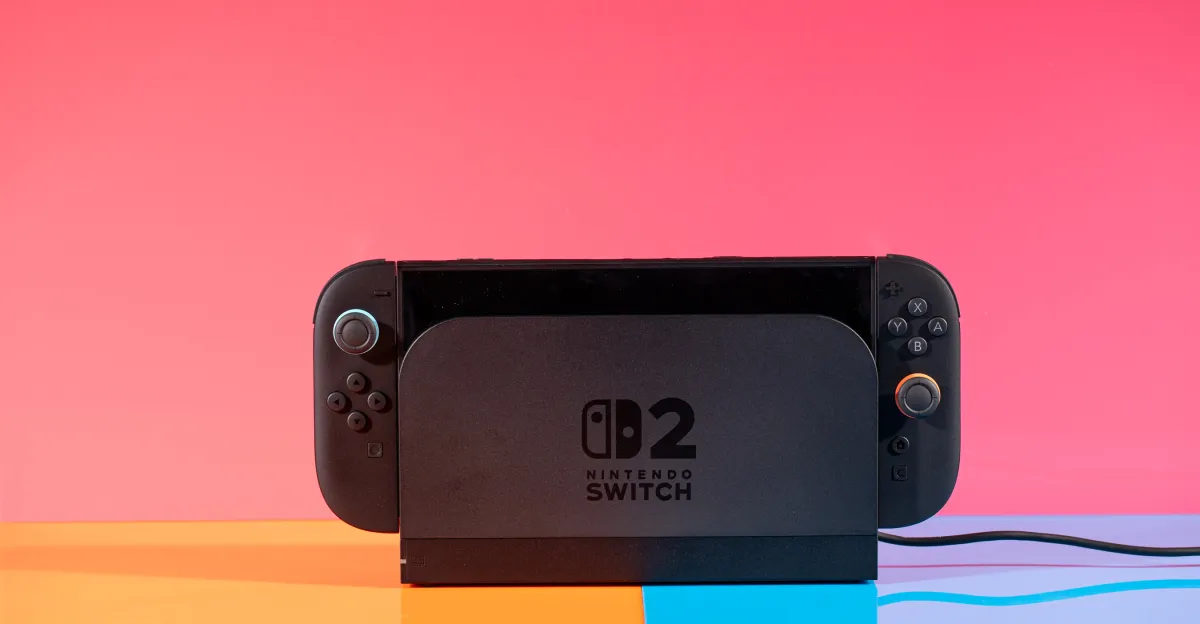
The gaming industry continues to accelerate its trajectory of innovation with Nintendo’s recent release of the Switch 2. Debuted in June at a retail price of $449, this next-generation console is rapidly becoming a game-changer, not only for consumers but also for industry dynamics. The product represents a significant leap in portable gaming technology, integrating advanced hardware capabilities that leverage disruptive innovations in console design. As early adopters flock to secure this high-demand device, it’s clear that Nintendo is capitalizing on a thriving market eager for immersive, portable entertainment experiences.

The Switch 2 stands out by adopting features that challenge existing market standards. Its robust library of exclusive games and enhanced hardware specifications set it apart from legacy systems, promising improved performance, graphics, and user engagement. Yet, despite the hype and absence of discounts on the console itself, a thriving ecosystem of third-party accessories is driving revenue. During the Black Friday sales event, accessory discounts have surged, offering consumers opportunities to upgrade and customize their gaming experience—an industry move that underscores how peripheral markets become critical revenue streams in the console ecosystem.

Industry analysts, including Gartner and MIT researchers, recognize the strategic importance of such innovations. The disruption caused by next-gen consoles like Nintendo’s lies in their ability to redefine user engagement, extend product lifecycle, and challenge dominant players such as Sony and Microsoft. The market shift towards user-centric, portable gaming platforms also signals evolving consumer preferences, emphasizing mobility and versatility over static home consoles. This disruption is anticipated to ripple across related sectors, prompting hardware manufacturers, software developers, and even service providers to reevaluate their strategies in a rapidly shifting landscape.

Looking ahead, technology leaders like Elon Musk and Peter Thiel emphasize the urgency for continuous innovation, warning that complacency could lead to obsolescence. As the gaming industry pivots toward integrated hardware advancements—potentially incorporating AI, cloud streaming, and even virtual reality—the competitive landscape is set to intensify. The race for market leadership in portable, high-performance gaming devices is more urgent than ever, compelling companies to innovate at breakneck speed. For industry watchers and stakeholders, the message is clear: those who adapt swiftly to the wave of technological disruption will dominate the decade’s gaming frontier. The future belongs to those who see innovation not just as a strategic advantage but as an existential imperative.

Nintendo blocks some third-party Switch 2 docks — the reason’s still a mystery

The recent firmware update 21.0.0 for Nintendo’s highly anticipated Switch 2 has sent ripples across the gaming and accessory markets, exemplifying how technological innovation often triggers disruption within proprietary ecosystems. While Nintendo aimed for minor improvements, the update unexpectedly compromised compatibility with popular third-party docks, spotlighting an ongoing battle between console manufacturers’ desire for control and third-party innovators’ push for open ecosystems. This move shifts the industry’s dynamics, prompting accessory companies to quickly recalibrate their strategies—a reflection of the relentless pace of innovation and the high stakes involved in maintaining relevance.

Initially, third-party accessory developers scrambled to reverse-engineer Nintendo’s proprietary handshake protocols, racing against the clock to keep their products functional. Early efforts involved:

  • Adjusting firmware commands
  • Modifying power delivery algorithms
  • Reengineering chips to bypass restrictions

Despite significant progress, the latest Nintendo update appears to have reconfigured the system’s handshake handshake validation, effectively “closing the door” on previous circumventions. This turn heralds a broader industry pattern where tech giants like Apple and now Nintendo are implementing tighter control measures—potentially signaling a move toward a more closed, locked-down ecosystem that limits third-party innovation. Whether Nintendo will follow the model of Apple’s MFi certification, allowing accessory developers sanctioned access through a standardized, fee-based program, remains to be seen. Such a move could catalyze a new wave of disruption, as legitimate players might leverage certification to ensure quality while safeguarding platform integrity, but it also risks stifling independent innovation.

This scenario exemplifies the ongoing tension between disruption and control—a dynamic examined closely by industry analysts and thought leaders across sectors. Experts from MIT and Gartner warn that, without a shift toward more open standards, manufacturers risk alienating the very communities that drive their ecosystems’ relevance. Yet, at the same time, business giants are realizing that protecting their ecosystems can reinforce brand loyalty and revenue streams. The implications are profound: third-party accessory markets, once thriving on flexibility and innovation, may face increased barriers, yet they remain critical to fostering technological innovation and consumer choice.

Looking into the future, the trajectory appears clear: we are entering a phase where control measures become more aggressive, but opportunities for strategic disruption also multiply for those willing to innovate within or around these constraints. Companies that can negotiate certification programs, or develop solutions that seamlessly integrate with proprietary systems, could secure a strategic advantage, turning restrictions into opportunities. As industry leaders like Elon Musk and Peter Thiel have argued, real innovation often emerges from disruption—not compliance. The challenge ahead for accessory makers and developers: adapt rapidly or risk obsolescence in a market that rewards agility and forward-thinking. Ultimately, the next wave of technological evolution will test the limits of control, opening a landscape fraught with both danger and opportunity—a future where those who act boldly will define the new frontier.”

Apple Gives Users a Switch to Tinted Mode, Dialing Back the Liquid Glass Look

Apple Introduces Customizable Liquid Glass: A New Paradigm in UI Innovation

In a move that underscores its relentless pursuit of innovation through user-centric design, Apple has launched a groundbreaking feature allowing users to personalize the appearance of its Liquid Glass interface. First observed in the latest iOS 26.1 beta, this addition offers a toggle between Clear and Tinted modes, empowering users with more control over their visual experience. This development signifies a strategic pivot toward disruption at the forefront of UI customization, aligning with broader industry trends towards democratized control and individualized interfaces.

This step echoes Apple’s previous controversial but ultimately strategic UI recalibrations—most notably the 2021 repositioning of Safari’s address bar. Despite initial backlash, critics like Gartner analysts acknowledged that such changes are driven by principled design evolution aimed at improving accessibility and user efficiency. Now, by enabling users to modify Liquid Glass’s opacity, Apple is continuing to blur the line between hardware, software, and user preference—further disrupting the traditional, one-size-fits-all approach to interface design. Such moves reinforce the notion that future competitive advantage will hinge on flexibility and personalization.

The implications for business are significant. Developers can now seamlessly integrate these user preferences into their apps, as Apple ensures that settings will automatically propagate across devices through an emerging ecosystem of personalized UI options. This is expected to accelerate innovations in enterprise and consumer sectors, where tailored experiences could enhance engagement and boost retention. Meanwhile, industry leaders like Elon Musk and Peter Thiel have long championed the pivotal role of disruptive UI innovations, viewing them as key to maintaining relevance amidst rapid technological evolution. By offering users choice over Liquid Glass’s appearance, Apple is not only refining its competitive edge but also raising the bar for industry standards.

Looking ahead, the strategic significance of this customization feature extends beyond mere aesthetics. As the industry braces for the advent of next-generation interfaces—driven by AI, augmented reality, and advanced haptic technologies—Apple’s focus on adaptive, user-controlled UI could serve as a blueprint for future innovation. Recognizing the industry’s trajectory, institutions like MIT emphasize that *the next wave of disruption will be fundamentally rooted in personalized, predictive interfaces*, capable of transforming user interaction into a more seamless, intuitive experience. In this context, timely adaptation to such advancements is not optional but imperative for business sustainability.

As the public beta rollout progresses, the pressure mounts for competitors to match or surpass Apple’s progressive approach to UI customization. Time will tell whether these features will reshape user expectations or serve as a catalyst for even more radical design shifts across platforms. One thing remains clear: in the quest for technological supremacy, speed, innovation, and user empowerment are the new currency. Industry players must remain vigilant—these innovations signal that the future belongs to those who can rapidly adapt in the face of relentless disruption and turn emerging technologies from trends into transformative realities.

Big-box stores could cut emissions and save millions with rooftop solar—so why aren't they making the switch?
Big-box stores could cut emissions and save millions with rooftop solar—so why aren’t they making the switch?

Global Shift Toward Rooftop Solar in Big-Box Retail: A Geopolitical Turning Point

Amid escalating concerns over energy security and climate change, the United States is witnessing a quietly revolutionary trend: the transformation of its largest retail giants into decentralized energy producers. As nations grapple with the implications of their reliance on fossil fuels, the potential of rooftop solar on big-box stores like Walmart, Target, and Home Depot emerges as a game-changing strategy to harness renewable energy at an unprecedented scale. The figures are staggering: these retail behemoths possess enough rooftop space to power nearly 8 million average homes—enough to have a tangible impact on national emissions and geopolitical stability rooted in energy dependence.

While critics allege that regulatory hurdles, high labor costs, and infrastructure challenges hinder progress, industry experts and environmental advocates argue that the current global crisis demands bold action now, not later. “Every rooftop in America that isn’t producing solar energy is a rooftop wasted,” asserts Johanna Neumann of Environment America. Analyzing developments across the country, she highlights how solar installations on retail giants’ rooftops could, in aggregate, eradicate emissions equivalent to removing 11.3 million gas-powered cars from congested urban corridors. Such initiatives symbolize more than just environmental progress—they threaten to shift the global power dynamics profoundly, reducing dependency on Middle Eastern or Russian fossil fuels, and thus, diminishing the geopolitical leverage exercised through energy markets.

The numbers speak volumes:

  • Walmart, with over 5,000 stores and a rooftop space larger than Manhattan, could theoretically generate enough electricity to power more than 842,000 homes.
  • Target’s 542 locations with rooftop solar currently support 15% to 40% of their energy needs, with tremendous room for expansion.
  • Home Depot, Kroger, and Costco also hold significant untapped solar potentials—highlighting a strategic opening for national and global power shifts.

This transformation is driven by a confluence of economic necessity and environmental urgency. Many analysts, including Cornell University’s Edwin Cowen, warn that the U.S. has been “behind the eight ball” in adopting such solutions, hamstrung by outdated policies that favor fossil fuel subsidies and complicate renewable deployment. Historic opportunities have been missed, and the window for meaningful climate action is now closing rapidly, especially under the mounting pressure of UN reports and international commitments. The reluctance of corporations to adopt rooftop solar is compounded by structural issues like aging buildings and inconsistent regulations, yet those barriers are increasingly viewed as surmountable—if policymakers and industry leaders align their priorities.

As the energy landscape transforms, the geopolitical impact becomes clear: a decentralized, community-integrated renewable network could weaken authoritarian regimes that leverage energy exports for influence, while empowering local economies. Advocates emphasize that the move towards rooftop solar isn’t just about emitting less CO2 but about reimagining how societies generate and share power—ushering in a new era of energy independence. The stories of workers trained to install these systems, often from marginalized communities, reveal a broader social dimension—one where local jobs and economic empowerment collide with global climate ambitions. The future hangs in the balance, and as history continues to unfold, the question remains: will global leaders seize this opportunity before the window closes, or will they let a vital chapter of energy sovereignty and environmental renewal slip through their fingers?

Social Media Auto Publish Powered By : XYZScripts.com