

Global Watchdog Concerns Mount as Tanzania’s Controversial Election Sparks Violence and International Tensions
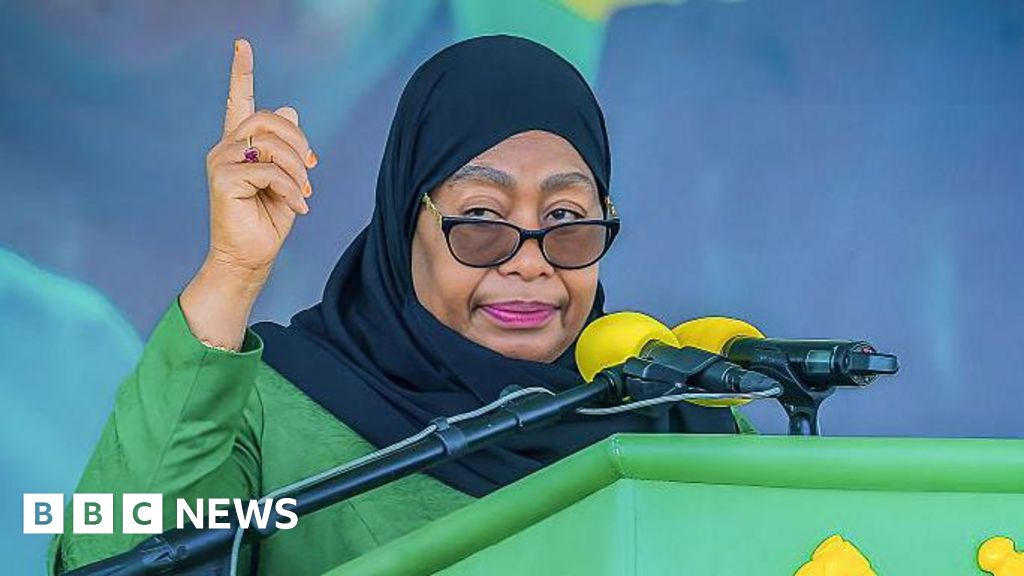
Tanzania has once again become a focal point for international scrutiny amid recent developments surrounding President Samia Suluhu Hassan’s re-election. Held under a cloud of controversy, the election has been branded by opposition parties and numerous international observers as neither free nor fair, casting a long shadow over the country’s political stability and its place within the broader regional geopolitics. The vote, which resulted in an impressive 98% victory for Hassan, was marred by violent clashes, an internet shutdown to obscure the aftermath, and reports of hundreds of deaths—an alarming sign of post-election breakdown and potential instability that resonates far beyond Tanzania’s borders.
International organizations such as the United Nations and European Union have raised serious questions about the legitimacy of the electoral process. While Tanzania’s authorities dismissed criticisms, asserting that the election was conducted in a “free and democratic” manner, credible reports from opposition sources and diplomatic channels point to a different reality. The opposition Chadema party, barred from participation, estimates that at least 800 people have lost their lives in violent protests, with others reporting a death toll exceeding 500. Such figures, if validated, signal a dire humanitarian crisis and underline the risks of unchecked government suppression, especially when dissent is silenced or ignored in the name of political stability.
Regional Dynamics and the Threat of Instability
The repercussions of Tanzania’s turmoil extend beyond its borders, impacting neighboring nations and regional stability. Leaders from Somalia, Zambia, Mozambique, and Burundi attended Hassan’s swearing-in, a display of political continuity and regional solidarity. Yet, beneath this veneer lies a fragile game of internal dissent and external influence. Reports suggest the government is casting blame on foreign nationals and motorbike operators for fomenting unrest, with specific references to Kenyan nationals missing under suspicious circumstances—a detail that feeds international concerns about potential cross-border destabilization and meddling.
The geopolitical impact of Tanzania’s crisis is multifaceted. As the East African nation’s future hangs in the balance, external actors like the European and United Nations are watching closely. Many analysts warn that if the government continues its heavy-handed approach, it risks prolonged instability that could destabilize the entire East African region, fueling refugee flows, cross-border conflicts, and economic downturns. The decision to firm up President Hassan’s rule amid unrest could set a dangerous precedent for other authoritarian regimes in the Global South, illustrating how a fragile political landscape can collapse under the weight of suppression and external scrutiny.
Historical Context and the Challenges Ahead
Since independence, Tanzania has been dominated by the Chama Cha Mapinduzi (CCM), which has never lost an election. The recent polls, however, exposed deep fissures within the political establishment, especially with key opposition leaders sidelined by legal and political obstacles. The detention of Tundu Lissu on treason charges and the exclusion of other candidates highlight a trend of narrowing political space justified by authorities as necessary for stability, but which critics argue merely cements an entrenched authoritarianism.
Titles from renowned historians and analysts, such as Professor David Anderson and international democracy watchdogs, warn that such suppression erodes the foundations of democracy and invites a cycle of violence and repression. The international community’s cautious response, emphasizing restraint and dialogue, underscores the precariousness of Tanzanian politics. As history continues to unfold in Dodoma, the weight of recent violence and the unresolved questions surrounding electoral legitimacy threaten to shape not only the country’s future but also the broader narrative of Africa’s political evolution. With history itself watching, Tanzania stands at a crossroads—an uncertain future that could either forge a fragile new path or succumb to the chaos that credibility and stability might never reclaim.





