Matox News

Truth Over Trends, always!

Syrian Government Strikes Deal with Kurdish Forces to Stabilize the Region

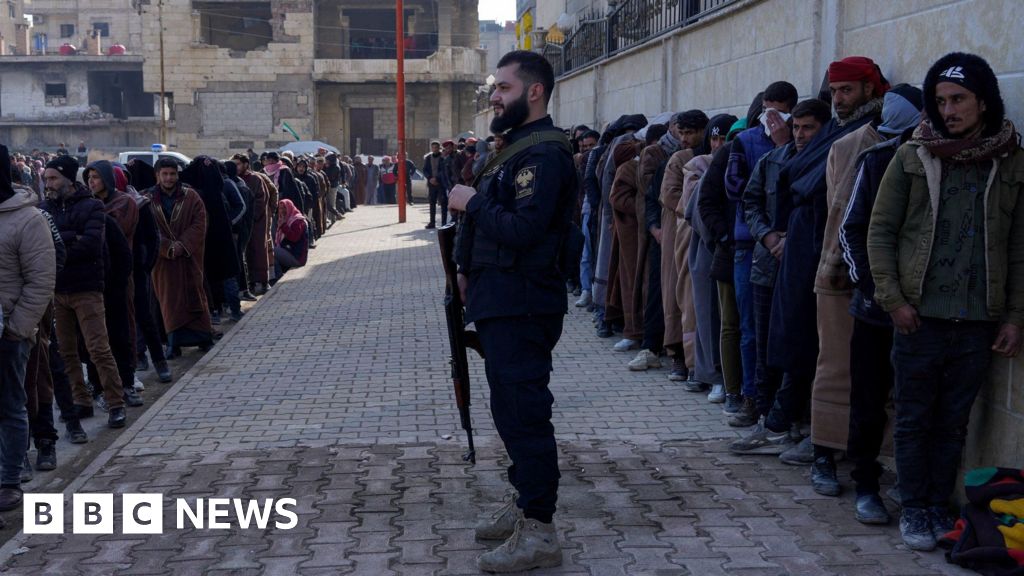
The recent announcement that Syria and Kurdish forces are moving toward stepwise integration marks a significant turning point in the ongoing turbulence of the Middle East. This development signals a deliberate attempt by the Syrian government to regain control over territories historically contested and de facto administered by Kurdish militias. The deal, although complex and fraught with regional tensions, is poised to reshape the political landscape, with profound geopolitical impact extending well beyond Syria’s borders.

According to official statements, the agreement seeks a phased incorporation of Kurdish-administered regions into the Syria state apparatus. For the first time in years, the Kurdish authorities are expected to gradually cede autonomous authority in exchange for formal recognition and integration. This move has been cautiously welcomed by some analysts as a potential pathway toward stability, but critics warn it could set dangerous precedents for ethnic and regional conflicts. As noted by International Crisis Group experts, the core challenge lies in balancing Syria’s sovereignty with the Kurds’ aspirations for autonomy — a delicate dance that could either foster unity or spark renewed unrest.

The geopolitical significance of this deal cannot be overstated. It emerges amid a shifting regional landscape, where Turkey remains wary of Kurdish independence movements, and Russia and the United States continue to exert influence over Syria’s fractured territories. Some international organizations warn that the deal reflects broader trends of major powers consolidating their strategic interests. Historian Dr. Elizabeth Carter notes that this agreement echoes historical patterns of regional realignment following prolonged conflict, but the critical question remains whether it will lead to lasting peace or simply a new chapter of uncertainty.

Within this complex geopolitical chessboard, the decision to integrate Kurdish territories subtly shifts the regional balance of power. For Kurdish populations, this move could bring an opportunity for recognition and development, but it also risks eroding their hard-won gains in autonomy. The tension lies in the ambiguous nature of the arrangement, which some argue leaves vital questions unanswered: Will Kurdish communities truly gain political representation? Or will they become pawns in the larger geo-strategic game? Internationally, some voices worry that this development might embolden other regions to pursue similar integration strategies, potentially unraveling decades of fragile peace.

As history continues to unfold, the decision to see Kurdish forces integrated into the Syrian state underscores an ongoing saga of ethnic identity, sovereignty, and regional power. The world watches as hidden forces and economic interests collide behind the scenes, shaping a future that remains uncertain. With every step taken, the delicate balance of this volatile region teeters precariously — a reminder that the weight of history, at this very moment, is being written in decisions that will resonate for generations to come.
Syrian Voices: Reflections a Year After Assad's Fall
Syrian Voices: Reflections a Year After Assad’s Fall

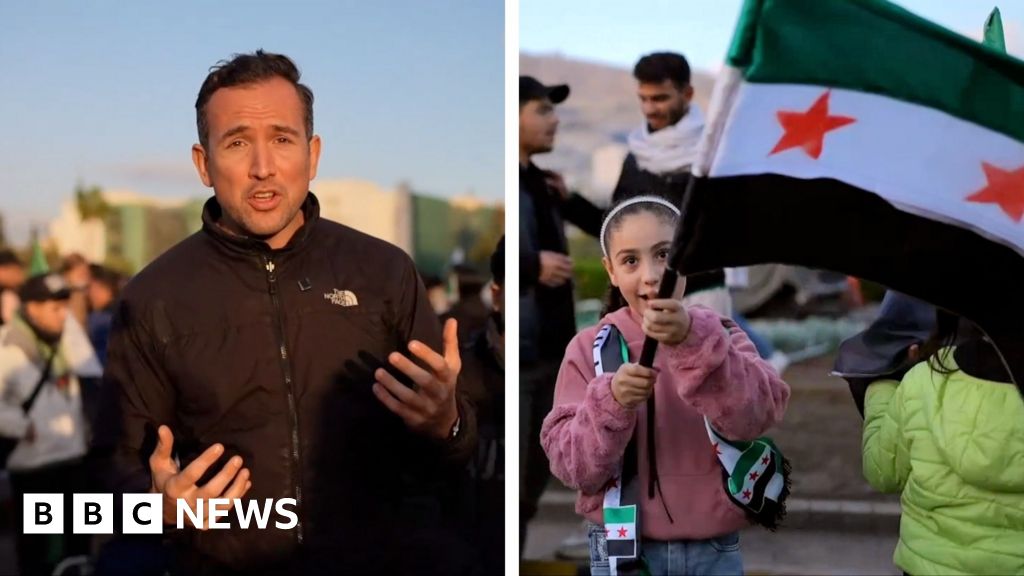
Exactly one year after Bashar al-Assad relinquished power in Syria on 8 December 2024, the Middle East faces an epoch-defining turning point. The departure of Syria’s long-standing dictator, after three decades in control, was heralded as a potential dawn of hope amid a brutal civil war that raged for over 13 years. Yet, the aftermath remains a complex mosaic of social upheaval, sectarian tensions, and geopolitical realignments. The fall of Assad marks a dramatic rupture with the past, but the country’s future remains shrouded in uncertainty, with lessons echoing through international corridors.

The geopolitical impact of Assad’s resignation reverberates far beyond Syria’s borders. Critics argue that the power vacuum risked destabilizing the fragile balance of regional influence, especially as Russia swiftly offered asylum to Assad, reaffirming its posture as the protector of its longstanding ally. Meanwhile, Western powers and the United Nations have been vocal about needs for rebuilding and reconciliation, but concerns mount over the fragile social fabric torn apart by years of sectarian violence. The strategic interests of global players—ranging from Iran and Turkey to Israel—continue to shape the landscape, creating a powder keg that could ignite anew if political stability falters.

Amid the shifting political landscape, the social consequences remain stark. The interim government has vowed to uphold rights for all Syrians, regardless of sectarian identity. Yet, the reality on the ground tells a different story. Reports from Damascus reveal that sectarian violence persists, with hundreds of Alawite and Druze civilians becoming victims of targeted attacks—some carried out by factions related to government forces. The deep wounds of decades-long conflict run deep, challenging the regime’s claims of national unity. Renowned analysts warn that unless comprehensive reconciliation is achieved, Syria risks fragmenting further, becoming a battleground for competing regional and international interests.

Historians and security experts emphasize that the truly significant challenge lies in healing the social fabric and reconstructing governance institutions. The UN, along with international NGOs, are advocating for inclusive peace processes, yet the road to sustainable stability appears arduous. The lessons of the past—how external meddling and internal divisions hindered Syria’s progress—serve as a grim reminder of the need for cautious diplomacy. As Syria’s society endures emotional scars and political fractures, the question remains: will this crisis serve as a catalyst for genuine change, or will history continue to repeat itself, with chaos reigning once more? The unfolding narrative of Syria’s future weighs heavily on the shoulders of global leaders, whose decisions in the coming months could either pave the way toward reconciliation or plunge the nation into further darkness.

In this pivotal moment, the echoes of history grow louder. The Syrian saga, once portrayed as a local conflict, has morphed into a defining chapter of international power plays. The questions that linger are profound: how much longer can a fractured society endure? Will external powers finally commit to a lasting peace, or will their relentless pursuit of influence perpetuate a cycle of destruction? The world watches intently, its collective gaze fixed on Damascus, where history now writes itself into a new, uncertain chapter—one in which the stakes could scarcely be higher, and the outcome remains as elusive as ever.

UN lifts sanctions on Syrian leader as White House visit looms

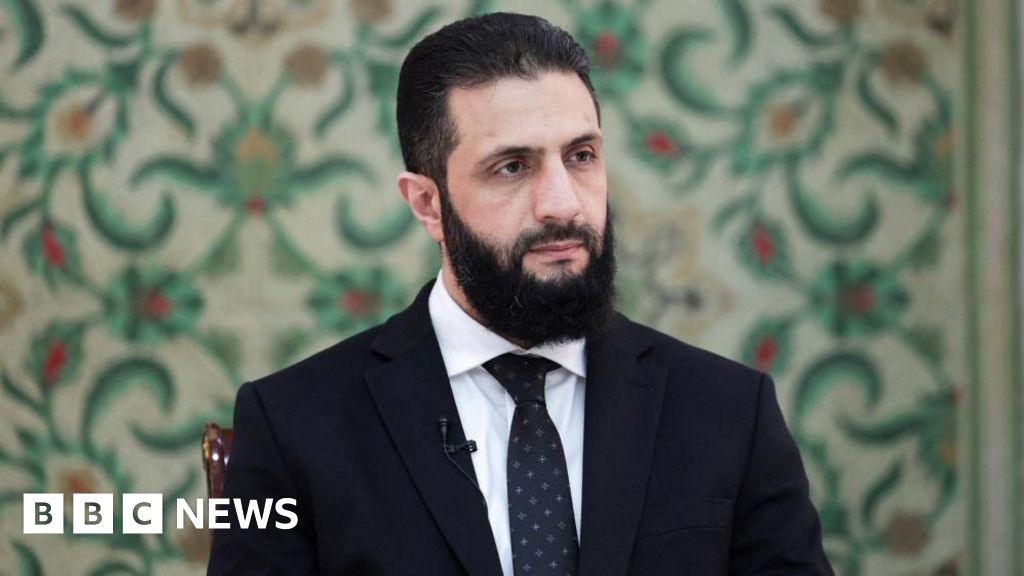
The geopolitical landscape in the Middle East has reached a pivotal juncture, as recent developments signal a significant shift in international recognition and diplomatic engagement with Syria. The United Nations Security Council has voted in favor of a US resolution to lift sanctions on Syrian President Ahmed al-Sharaa, setting the stage for his upcoming White House visit next week. This move marks not only a change in policy but also underscores a broader recalibration among global powers regarding Syria’s future. Once considered a pariah state during its prolonged civil war, Syria now finds itself at the center of a new geopolitical narrative—one that privileges stability and regime consolidation over decades of Western-led isolation.

  • The US has officially recognized the shifting power dynamics by removing Hayat Tahrir al-Sham (HTS) from its list of foreign terrorist organizations, a group that was once linked to al-Qaeda and whose leader, Ahmed al-Sharaa, was previously sanctioned as a terrorist. The decision reflects a strategic pivot in Washington’s approach—viewing Syria through a lens of pragmatic diplomacy rather than exclusively ideological confrontation. Alongside sanctions on Syrian Interior Minister Anas Khattab, the move signals a recognition of the evolving landscape of influence and control within Syria’s borders.
  • The UN’s decision, hailed by Syrian officials as a gesture of appreciation and acknowledgment, underscores a broader shift that has cautious analysts pondering whether the tide of international support has turned decisively in favor of Bashar al-Assad’s regime or, as in the case of Sharaa, an alternative leadership figure emerging from the ashes of conflict.

The symbolism of Sharaa’s upcoming visit to Washington cannot be understated. His first address to the UN General Assembly since the civil war’s peak foreshadows a more concerted effort by Syria to reintegrate into the global community. “Syria is reclaiming its rightful place among the nations of the world,” Sharaa proclaimed, emphasizing his aspirations for legitimacy and influence. Meanwhile, U.S. President Donald Trump has acknowledged the “good progress” made by Sharaa toward peace—a stark departure from past isolationist policies. This shift suggests that the United States and its allies are recalculating their strategic priorities, choosing diplomacy over confrontation in hopes of stabilizing a region long characterized by chaos and conflict.

This latest episode in Syria’s complex narrative raises profound questions about how decisions made in international rooms resonate on the ground. By lifting sanctions and engaging with Syrian figures who have been branded terrorists in the past, the global community’s stance underscores an emerging acknowledgment: alliances are volatile, and today’s enemies can become tomorrow’s partners. Historians and analysts warn that such shifts carry risks—reconciliation may threaten to overshadow justice, and the re-emergence of strongman rule could deepen existing societal divides. Yet, how nations adapt to these fast-evolving geopolitics will indelibly shape the future of the Middle East and beyond.

The story of Syria stands as a testament to the relentless pursuit of power, influence, and stability amidst a landscape of shifting allegiances. As Sharaa steps into the diplomatic arena with Washington, it is clear that the region remains a theater of strategic chess—a place where the weight of history presses heavily upon each move. Future chapters will determine whether these diplomatic gestures herald a new era of peace or mask deeper struggles that threaten to ignite anew. The unfolding drama in Syria reminds the world that history is a relentless witness—watching, recording, and waiting for the moment when an already tense story takes an unforeseen and irreversible turn.

Social Media Auto Publish Powered By : XYZScripts.com



