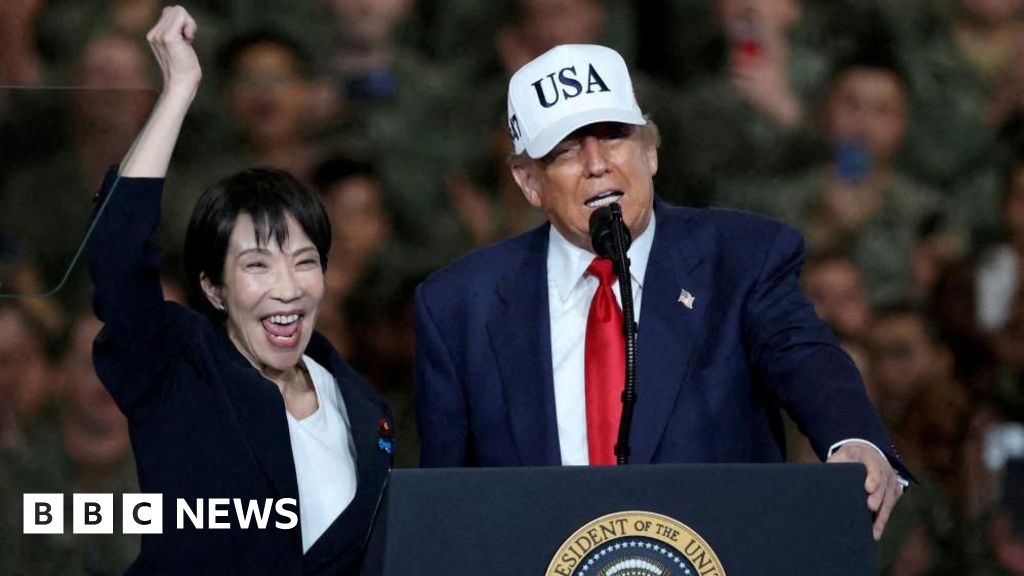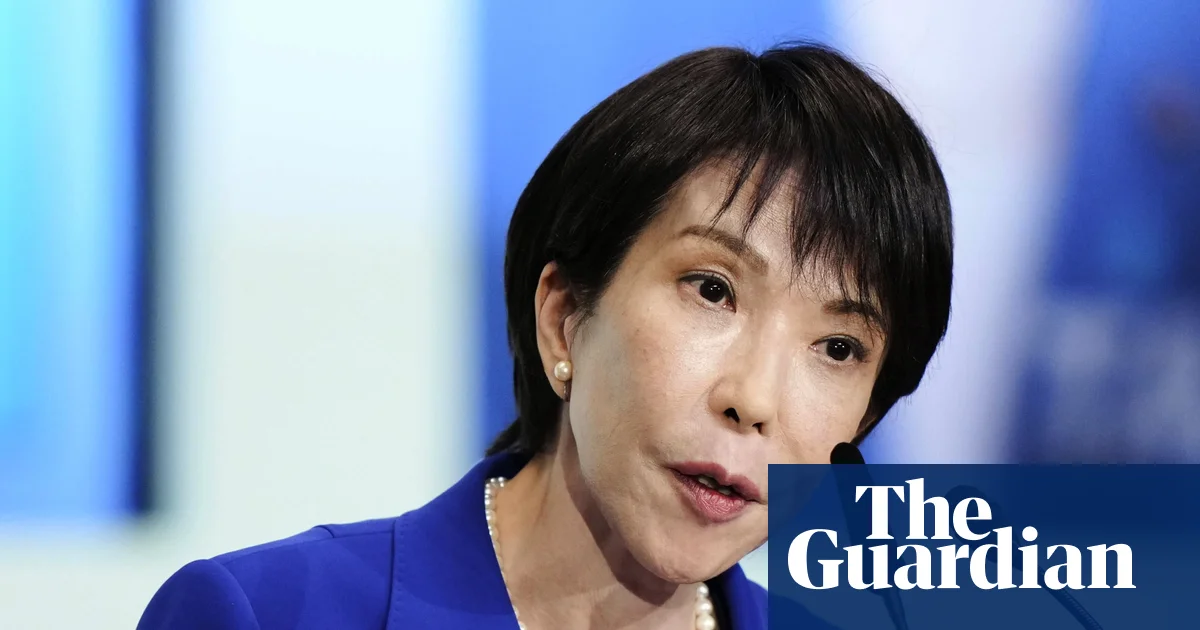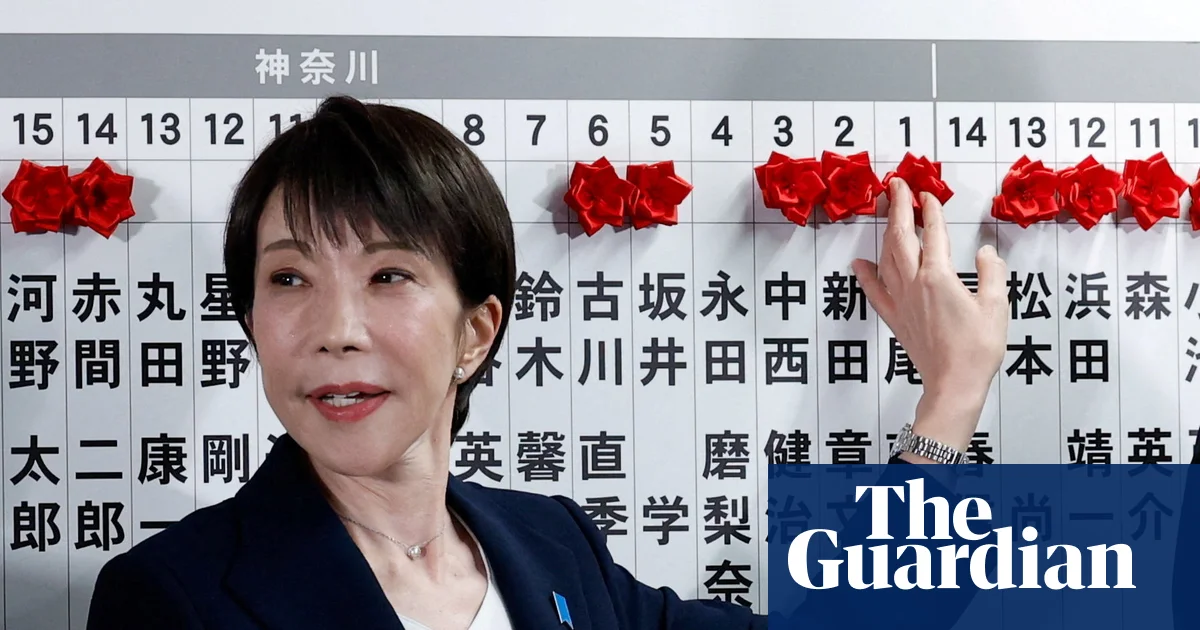

Japan has undergone a decisive political shift, cementing its conservative roots with a landslide victory in recent elections that will undoubtedly shape regional and global geopolitics for years to come. The Liberal Democratic Party (LDP), under the leadership of the newly re-elected Sanae Takaichi, secured as many as 328 of 465 seats in the lower house of parliament—surpassing the 233 needed for a majority—thus establishing a supermajority of two-thirds. This electoral triumph signals not only a domestic mandate for Takaichi’s policies but also a strategic move in Japan’s ongoing response to the complex geopolitical environment of the Indo-Pacific region. The election results, in the face of fierce winter storms and low voter turnout, reflect a societal lean toward stability and a reassertion of nationalist conservatism amidst mounting regional tensions.
However, the victorious leader’s ambitious agenda is shadowed by the mounting economic and diplomatic challenges facing Japan. Takaichi’s pending policy initiatives—most notably a ¥21 trillion stimulus package and proposed suspension of the 8% consumption tax on food—have sparked concern among financial markets, which worry about Japan’s ballooning debt—more than twice its GDP—and the potential for currency volatility. The fiscal policy debate epitomizes a broader question: can Japan maintain its economic stability while pursuing aggressive social spending reforms? As noted by international analysts, Japan’s debt burden remains the heaviest among advanced economies, raising fears that reckless fiscal expansion could ignite turbulence in global markets, especially if coupled with a weakened yen. Yet, Takaichi’s promise to prioritize responsible investment, echoing her admiration for Margaret Thatcher, signals her intention to balance growth with fiscal prudence. The internal political landscape, however, remains dynamic as her victory grants her greater latitude—but also exposes her to external pressures, especially from neighboring nations.
The regional geopolitical stakes are equally high. Takaichi’s assertive stance on Taiwan—including her recent remarks suggestive of potential military involvement if China attempts to invade—has worsened China’s diplomatic posture towards Japan. The Chinese government responded by urging tourists to avoid traveling to Japan, citing “safety concerns,” and halting cultural exchanges—an unprecedented move that signals heightened tensions. The disruption of decades-old “panda diplomacy” and the deterioration of Sino-Japanese ties could have far-reaching consequences, not only for economic cooperation but also for regional stability. Margarita Estévez-Abe, a political scientist from Syracuse University, suggests that with her fresh mandate, Takaichi might use her newfound political space to repair relations with Beijing; yet, her rhetoric and policies hint at a readiness to confront Chinese influence, especially over Taiwan—an issue that remains a simmering flashpoint. As international observers analyze her intentions, the overarching question becomes whether Japan will pivot towards a more belligerent stance or seek diplomatic recalibration amid the pressures from both the US and China.
Looking ahead, the larger geopolitical impact of Japan’s electoral outcome resonates far beyond its shores. A strong, assertive Japan under Takaichi’s leadership could redefine alliances and military postures in the Indo-Pacific, challenging China’s regional ambitions and possibly prompting a faster militarization of neighboring countries. Furthermore, her domestic policies and diplomatic rhetoric will influence global economic flows—especially if her fiscal policies trigger volatility in currency markets. With her clear intent to bolster Japan’s resilience and sustain growth through strategic investments, the world watches as the nation stands at a crossroads between old pacifist policies and a new assertiveness. As history unfolds, the fate of the Indo-Pacific’s delicate balance hangs precariously—each decision, every diplomatic move, echoing through the corridors of power, shaping the future for generations, and etching new chapters into the annals of international history.