Matox News

Truth Over Trends, always!

Anthropic takes DOD to court over supply chain crackdown

Anthropic Challenges Pentagon’s AI Supply Chain Risk Designation: Disruption at the Heart of National Security Tech

The AI landscape is witnessing a consequential clash between innovation, government regulation, and national security interests, as Anthropic, a leading AI firm founded by former OpenAI researchers, announces plans to contest the Department of Defense’s recent classification of the company as a “supply chain risk.” This move underscores the growing tension between emerging AI capabilities and entrenched military policies, with profound implications for disruption in defense technology procurement and strategic autonomy.

According to Dario Amodei, Anthropic’s CEO, the designation is not only legally unsound but also threatens the firm’s core operations and innovation pipeline. Amodei emphasized that most of Anthropic’s customer base remains unaffected, asserting, “the risk designation applies only to AI use within specific Department of War contracts.” This nuanced distinction highlights the industry-wide challenge of balancing government oversight with evolving AI innovation—a challenge that, if unresolved, could stifle private sector endeavors in critical technology sectors. The legal contest aims to redefine the scope of government-mandated restrictions, potentially setting a precedent for other AI firms eager to innovate while navigating complex military oversight.

The contentious issue revolves around how much control the Pentagon seeks over AI systems. The department advocates for unrestricted access to AI tools for “all lawful purposes,” including potentially mass surveillance and autonomous weaponry, which opponents like Anthropic argue contravene fundamental rights and ethical standards. The controversy surrounding Anthropic’s leaked internal memo, in which CEO Amodei criticized OpenAI’s cooperation with the Defense Department as “safety theater,” signals a broader industry debate over security, ethics, and the military’s role in shaping AI standards. This discord reveals an industry at a crossroads—where safeguarding innovation from intrusive regulations is becoming increasingly urgent to maintain competitive advantage and technological sovereignty.

The complexities extend beyond legal and ethical kerfuffles: business implications are profound. With the Pentagon shifting its support to OpenAI—signing a major deal to replace Anthropic—industry insiders warn that government contracts will increasingly favor firms aligned with national security priorities. As noted by analysts from Gartner and MIT, “companies that can demonstrate robust security and compliance protocols will likely dominate defense-related AI markets,” emphasizing that disruption in government partnerships could redefine industry leadership. Meanwhile, Anthropic’s commitment to continue supporting U.S. military operations “at nominal cost” underscores the importance of agility and resilience in a landscape where futures are determined by legal battles and strategic alliances.

Looking forward, the implications extend beyond the U.S. borders. Emerging markets and global competitors are closely watching these developments, recognizing that the enforcement—and potential loosening—of such regulatory policies could shape the global AI arms race. Leading voices like Elon Musk and Peter Thiel warn that “regulatory overreach” risks throttling innovation at a time when technological supremacy may determine geopolitical dominance. The industry stands at a pivotal juncture where the challenges of embedding ethical oversight into disruptive AI systems are surging alongside the race to dominate the next era of warfare and economic power. For stakeholders across tech, defense, and policy realms, the urgency is clear: more than ever, strategic agility and innovation-driven disruption are essential to shape a future where AI not only advances prosperity but also secures national sovereignty amidst rising global rivalry.

Stella McCartney’s Paris Show Takes Fans on a Rapid Run Through Her Life and Style

In an era defined by rapid shifts and social consciousness, the recent spotlight on fashion industry icons reveals much about where youth culture is headed. Stella McCartney‘s 25-year journey not only symbolizes resilience within a notoriously fickle industry but also exemplifies how the nexus of sustainability and celebrity influence continues to shape conversation among Gen Z and millennial audiences. Her Paris Fashion Week showcase was more than just a collection; it was a cultural event layered with symbolism—from a nod to her childhood on Mull of Kintyre to her commitment against animal cruelty—yet, beneath the surface, it signals a broader societal shift: that values-driven consumption is becoming a defining metric for youth identity.

What’s particularly remarkable about McCartney’s approach is her embrace of cutting-edge

innovations — like turning brewed protein into knitwear. This seemingly niche tech has sparked a movement that extends beyond fashion into social debates about environmental responsibility. Influencers, such as Emma Chamberlain or Lizzo, are amplifying these messages through social media, framing sustainability as not just a trend but a core cultural value. Meanwhile, fashion analysts underscore how such endeavors serve to redefine what authentic luxury looks like, moving away from traditional leather and fur towards ethical, tech-infused alternatives. This evolution repositions youth as active consumers who demand transparency and social justice, effectively transforming fashion into a mirror for societal evolution.

At the same time, industry legends like Pieter Mulier are quietly rewriting the script on leadership and artistic integrity. As he prepares to undertake the helm at Versace, critics are watching how his sculptural, anti-trend aesthetic resonates with a generation craving individuality over conformity. His signature perforated stilettos, now a high-street viral hit, exemplify how high fashion’s forward-thinking impacts mainstream shopping behaviors. This, combined with the recent transition of the fashion world at events like Paris Fashion Week, shows a shifting dynamic—where traditional brands are integrating tech-driven innovation and social consciousness into their core identity. Influential figures such as Oprah Winfrey sitting front-row reinforce the social relevance of these shifts, signaling that fashion remains a battleground for cultural influence and social capital.

Yet, amid the grandeur and symbolism, a fundamental question emerges: as the fashion industry shifts towards sustainability and social activism, who will ultimately dictate what’s considered authentic? Will consumers continue to prioritize these values over mere aesthetics, or might they someday fall prey to new trends that superficially tout social causes without real substance? As youth-oriented trends adapt to an ever-changing social landscape, the next big question is whether this cultural momentum will sustain or if it will be just another chapter in the ongoing story of market-driven activism. In a world where a designer’s statement vest can encapsulate decades of personal history, this cultural evolution prompts us to ask: what is the true future of authenticity in fashion—and society—at large?

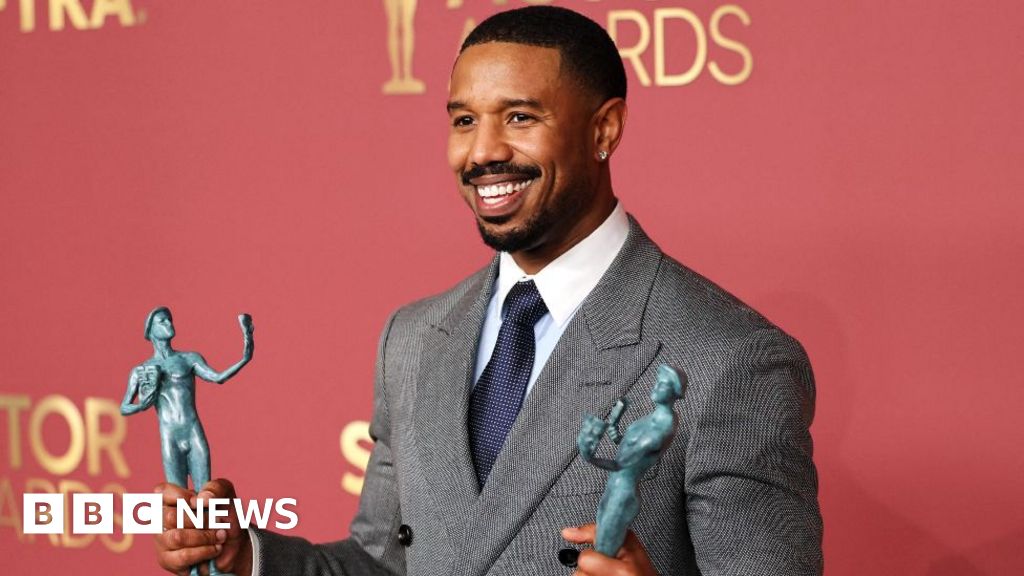
Michael B. Jordan Stirs Things Up as 'Sinners' Takes Key Actor Awards
Michael B. Jordan Stirs Things Up as ‘Sinners’ Takes Key Actor Awards

The recent victory for the United States at the prestigious Academy Awards, where an American actor was awarded Best Actor for his role in Sinners, has inadvertently cast a shadow over the international film community and the broader geopolitical landscape. While Hollywood celebrates another technical milestone, analysts warn that such cultural events are more intertwined with global power dynamics than ever before. Historically, cinema has served as both a mirror and a tool of influence, shaping perceptions and soft power strategies that extend far beyond entertainment.

The Sinners accolade, viewed by some as a reflection of American cultural dominance, coincides with an increasingly tense atmosphere among rival nations. Experts from institutions like the International Crisis Group have noted that the tight competition surrounding awards like these often parallels geopolitical conflicts, where soft power is wielded as a strategic asset. The Oscars race being described as “too close to call” underscores the fragile balance of influence, with countries vying for global cultural supremacy, which translates into political leverage. This phenomenon is reminiscent of the years when Hollywood and Western media were central to the spread of liberal values, often opposing authoritarian regimes seeking to reshape global narratives in their favor.

Moreover, the decision to elevate American talent during a year rife with international tension has drawn scrutiny from geopolitical analysts. Many argue that the global stage—initially designed to recognize artistic excellence—has become another arena for soft power diplomacy, where victories signal more than individual achievement. Some security and geopolitical experts suggest that such cultural triumphs bolster U.S. global influence at a time when alternatives, such as Chinese or Russian propaganda outlets, are aggressively seeking to undermine Western narratives. As one veteran diplomat pointed out, “Cultural icons—whether in film, music, or art—are tools in a larger fight for the hearts and minds of millions.”

In the larger context, the Oscars’ outcome reflects how cultural and geopolitical lines continue to blur. Historic turns, such as Hollywood’s role during the Cold War or China’s recent push into cinematic markets, serve as reminders of the strategic importance of cultural influence. Analysts from the United Nations Educational, Scientific and Cultural Organization (UNESCO) have long warned that the “battle for cultural superiority” shapes international alliances and societal values. With the race still “too close to call,” the world faces a future where artistic triumphs are increasingly perceived as symbols of geopolitical victory or defeat. As history unfolds, nations watch intently, knowing that these seemingly trivial moments may carry echoes of larger conflicts—conflicts that will ultimately define the course of global history for generations to come.

NY Takes on Valve, Slams Loot Boxes as Pure Gambling for Kids

Valve Under Legal Fire for Loot Box Practices: Disruption or Dangerous Gamble?

Valve Corporation, a dominant player in the gaming industry and pioneer of digital distribution platforms, is now embroiled in a high-profile lawsuit rooted in its controversial loot box system. The case underscores a sharply evolving landscape where technological innovation and regulatory frameworks collide, particularly in the domains of microtransactions and virtual economies. Critics argue that Valve’s loot boxes—virtual containers containing randomized rewards—operate akin to gambling mechanisms that target vulnerable demographics, including minors, raising serious questions about industry ethics and long-term impact.

The lawsuit, filed in New York, alleges that Valve’s loot box system violates constitutional and penal laws by effectively engaging users in chance-based financial transactions. Vendors sell keys—costing around $2.49—which grant access to randomized virtual items. Notably, players are then able to sell rare items on platforms like the Steam Community Market and third-party marketplaces, where some items have fetched prices exceeding thousands of dollars. This dynamic has transformed gaming into a lucrative virtual economy driven largely by luck, raising alarms about the disruptive impacts on younger audiences and the potential for fostering gambling addiction.

Innovation with Risks: The Business Implications of Virtual Economies

This case accentuates a broader industry disruption driven by gamification and monetization. Valve’s implementation—resembling slot-machine style mechanics—has propelled the company’s revenue to tens of millions of dollars from loot box sales alone. The controversial system exemplifies a trend whereby game developers harness the power of randomness and psychological engagement to monetize user engagement at unprecedented levels. Analysts note that while this approach amplifies revenue streams, it also invites legal and regulatory scrutiny, threatening to upend the current paradigm of game monetization models.

Furthermore, industry experts like those at Gartner and innovative thinkers such as Elon Musk have highlighted the imminent risks and rewards of such disruptive technologies. The trade-off between innovation and responsibility becomes starkly evident—where disruptive features like loot boxes accelerate revenue, they also risk drawing regulatory bans and public backlash. This spotlight on the legal minefield illustrates that tech leaders must innovate with a keen eye on future compliance risks, especially as governments worldwide examine the potential harms associated with these gambling-like systems.

Industry Outlook: Navigating the Regulatory and Ethical Frontier

As governments explore regulations to curb potentially predatory practices in gaming, the industry’s future hinges on balancing innovation with consumer protection. Stakeholders—including game developers, regulatory agencies, and advocacy groups—are recalibrating their approaches to mitigate risks while maintaining profitability. The case against Valve is also a bellwether for other industry giants who may face similar scrutiny as virtual economies grow more sophisticated and integrated into core gameplay experiences.

Looking forward, the corporate landscape is poised for transformative shifts. The push for transparent, fair, and ethical monetization strategies will likely shape the next era of gaming innovation. Companies that adopt responsible practices and navigate regulatory challenges successfully will not only preserve their market positions but also set standards for sustainable growth. In this environment, delaying adaptation could result in significant operational and reputational costs, signaling a need for urgent, innovative responses to the evolving regulatory climate.

In conclusion, the ongoing legal action against Valve illuminates the critical intersection of technological disruption and societal responsibility. With virtual economies becoming integral to gaming, industry leaders must anticipate a future where regulatory oversight intensifies and consumer trust becomes paramount. The decisive questions are clear: will the industry self-regulate to foster ethical innovation, or will these new frontiers ultimately be curtailed by legal constraints? The coming months could determine whether these disruptive practices evolve into a sustainable driver of value or descend into regulatory crackdowns that stifle creativity.

Next-Gen Wins Big at Baftas 2026: One Battle After Another, I Swear’s Robert Aramayo Takes Best Actor—Hamnet and Sinners Fall Short

In a year marked by tumultuous geopolitical shifts and societal upheavals, the global landscape continues to evolve at a rapid pace, reflecting the profound influence of decisions made by world leaders and institutions. Recent events underscore a potent narrative: the interplay between cultural expression and political realities. Hollywood’s film awards season, for instance, offers more than entertainment; it acts as a mirror to our times. As the BAFTA awards celebrate a diverse array of films and performances, they also subtly signal an underlying conversation about the state of freedom, expression, and societal values. In an era where global tensions simmer and societal divisions deepen, these cultural moments serve as a warning of the influence that ideology, politics, and history wield over perceptions and narratives.

Historian and international analysts point to the ripple effects of geopolitical decisions that shape cultural exports and storytelling. The prominence of films addressing conflict, racial themes, and erasure—such as Ryan Coogler’s Sinners and Chloé Zhao’s Hamnet—carries a dual message. They are both artistic triumphs and indictments of ongoing societal struggles that originate from, or are exacerbated by, international policies and conflicts. The United States, as a dominant cultural power, continues to grapple with its own contradictions over freedom of speech and racial justice, while countries like Nigeria and Norway are making distinctive marks on the global cultural stage. These narratives, reinforced by insights from international organizations like the UN and cultural critics, emphasize that societal unity and progress hinge on confronting uncomfortable truths.

The geopolitical impact of these cultural shifts extends into diplomatic spheres as well. Recent victories and upsets at these awards—such as Robert Aramayo’s unexpected win and Coogler’s historic screenplay accolade—highlight a world increasingly attentive to stories of resilience and identity. In particular, Coogler’s recognition as the first Black recipient of the best original screenplay honors represents a step toward more inclusive narratives, yet it also reflects the ongoing debates about representation and influence. Analysts warn that such progress must be accompanied by systemic change, lest these cinematic victories become hollow symbols amid external geopolitical conflicts. The ongoing tensions in regions like the Middle East and Eastern Europe serve as stark reminders that cultural diplomacy remains crucial—what is celebrated on the screen often echoes larger struggles for sovereignty, human rights, and national self-determination.

As history inscribes each chapter of this unfolding story, the decisions of today’s leaders will sculpt the future of societies worldwide. Warnings from scholars like Samuel P. Huntington and contemporary geopolitical strategists remind us that cultural narratives have the power to either bridge divides or deepen them. The world stands at a crossroads, where echoes of past conflicts resonate with the new digital age’s challenge to truth and unity. With society’s collective gaze fixed on both the silver screen and the shifting global order, the realization looms: the stories we tell and the choices we make in this moment will define the course of history for generations to come. And in this relentless march of time, the weight of history presses ever stronger, reminding us that we are all custodians of an uncertain future, still being written in the shadows and light surrounding us.

Ice Hockey's ‘Lettuce Hair’ Takes Over Hollywood—Youth Are Feeling the Style
Ice Hockey’s ‘Lettuce Hair’ Takes Over Hollywood—Youth Are Feeling the Style

In an era defined by rapid cultural shifts and international power struggles, the influence of seemingly trivial trends can reveal much about geopolitical impact and the underlying societal currents shaping our world. Recently, a quirky fashion phenomenon—”lettuce hair”—has surfaced, extending from youth street styles to the ice hockey rinks and into Hollywood. While at face value it appears as a fleeting aesthetic, analysts suggest it’s emblematic of a broader cultural resurgence fueled by traditional symbols of masculinity and combativeness, especially within north American and European societies.

The trend, rooted in the longstanding ‘flow’ style of hockey players’ hair—long tufts fluttering from under helmets—has now crossed into high-profile entertainment circles, influencing actors and musicians. The international redistribution of this style underscores a powerful reassertion of rugged individuality amidst global cultural upheaval. Historically, sports icons like Swedish NHLers Mika Zibanejad and William Nylander have popularized what some call the “modern hockey look,” which reflects an active, confident ideology emblematic of westward’s bravado and resilience. This is notable as societies observe a rise in vernacular and aesthetics that reject the softening influences of liberal multiculturalism, instead embracing a return to a combative, no-nonsense persona centrale to national identity.

Some international observers, including prominent historians and cultural analysts, interpret these trends as a symbolic resistance to globalist narratives that seek to dilute sovereignty and tradition. They point out that emerging symbols like “lettuce hair” evoke a deeper desire for authenticity, strength, and cultural self-assertion. In this context, hockey’s “flow” is more than mere fashion; it signifies a strategic contour of national pride, a visual manifestation of a society’s readiness to defend its borders and core values in the face of encroaching global influences. Importantly, reports suggest that the style is also gaining traction among Hollywood elites, with actors adopting the look to project confidence and a rebellious spirit—further blurring the lines between masculine bravado and cultural influence.

  • Recent debates surrounding international sovereignty underscore rising tensions, with countries revisiting and reinforcing their cultural identities as a response to external pressures.
  • In Europe, nationalist movements have harnessed imagery reminiscent of hockey’s “flow” to foster societal resilience, while in the U.S., political figures leverage similar symbols to rally populist support.
  • Organizations like NATO and the United Nations face mounting scrutiny as internal divisions threaten cohesion, making cultural symbols more powerful as unifying or divisive agents.

As the cultural landscape shifts, the implications extend beyond mere aesthetics. Experts warn that the deliberate revival of traditional symbols of strength and resilience can influence diplomatic negotiations and international policy. The rise of “lettuce hair”—and the associated narratives of confidence and defiance—highlight how national identities are crafted and projected through seemingly minor choices, which are, in turn, amplified globally through social media and pop culture. The future hinges on whether this trend sparks renewed confidence among populations that see their values under siege, or whether it becomes merely a passing fashion in the wider contest for cultural dominance. In the relentless march of history, the choices nations make—whether to uphold or forsake their traditions—will determine the narrative of the coming decades, leaving us to ponder: will this symbolic style be a fleeting whim, or the badge of a new world order?

Rising Stars Shine: Fresh Talent Takes the Field in Thrilling Weekend Showdown

Mayweather’s Comeback: A Return to the Ring

In a stunning announcement that has electrified the boxing world, former boxing champion Floyd Mayweather Jr. declared he is officially unretiring from the sport and plans to resume his undefeated career. This decision comes on the heels of his highly-anticipated exhibition bout against fellow superstar Mike Tyson, which has been touted as a monumental clash between two generations of boxing royalty.

Mayweather, who boasts an impressive record of 50-0, shared his motivations for returning to the ring. “I believe that I still have a lot to prove,” he stated emphatically in a recent interview. The bout with Tyson is expected to not only showcase their legendary skills but also act as a springboard for Mayweather’s full return. Boxing fans and analysts alike are buzzing with possibilities, speculating on who among the current champions could stand in the way of Mayweather reclaiming his title.

Highlights from Mayweather’s Announcement

  • Floyd Mayweather Jr. plans to fight in a formal setting after his exhibition against Mike Tyson.
  • His record stands at a pristine 50-0, and he aims to extend it further.
  • The upcoming exhibition match is projected to draw millions of viewers.
  • Mayweather indicates his return is driven by a desire to challenge himself and entertain fans.

Commentators and former fighters have expressed mixed reactions to the news. Oscar De La Hoya, a longtime rival, noted, “It’s remarkable, but I hope he knows what he’s getting into.” Others, however, are excited to witness a resurgence of one of the sport’s greatest athletes. The anticipation builds as fans eagerly await further details on Mayweather’s next move and the ramifications for the boxing landscape.

As the boxing ring transforms into a battleground of generational talent, it serves as a reminder that sports are not merely about competition but about connection. The energy and unity in the arena during a fight, the roar of the crowd, and even the thrill of victory and agony of defeat—these experiences transcend mere statistics. Mayweather’s return could reignite a passion for the sport, proving once again that, irrespective of outcomes, sports have the remarkable ability to bring people together and inspire greatness.

Source link

Lindsey Vonn's Olympic bid ends in crash as Breezy Johnson takes gold for Team USA
Lindsey Vonn’s Olympic bid ends in crash as Breezy Johnson takes gold for Team USA

The recent alpine skiing race, marked by the dramatic crash of American skier Lindsey Vonn, underscores not only the peril inherent in high-stakes sports but also reflects broader themes of resilience, international competition, and the shifting landscape of global leadership. Vonn’s bold decision to compete despite a torn ACL—claiming her injury was “100% torn” and her determination to replicate her 2010 Olympic gold—embodies the fiercely competitive spirit that dominates international sports today. Her defiance, showcased through social media and gym training videos, inspired fans worldwide and highlighted the intense personal sacrifices athletes make on the global stage.

Yet, the crash exposed more than just individual resolve; it revealed the inherent risks that accompany the pursuit of national pride and international dominance in sports. Commentary from British Olympian Chemmy Alcott and experts on the BBC highlighted the brutal conditions of the piste and the perilous nature of alpine downhill racing, especially amid unpredictable weather changes. The fact that the snow was melting due to midday sun and long delays added an unpredictable element that could tilt the outcome against even the most skilled competitors. Such risks—metaphorically echoing geopolitical tensions—underscore how nations push their limits in pursuit of supremacy, often at the expense of safety and stability.

Analysts and international organizations have long warned of the *”costs of relentless competition,”* both in sports and geopolitics. The incident at the race becomes a pressing reminder of *how decisions and risks taken on the international stage* directly influence societal perceptions and policy directions. The crash of Vonn, with another skier, Cande Moreno, similarly injured and airlifted, symbolizes the volatile nature of modern competitive environments—where prestige is often achieved at extreme costs. As one historian, Dr. Laura Mitchell, notes, “Such moments are turning points—reminding us that even in the pursuit of glory, human vulnerability remains paramount, and the price of ambition can be high.”

In a broader geopolitical context, this event mirrors the dynamics of *renewed global rivalry and uncertain stability*. Countries are investing heavily in their athletes and national image, paralleling strategic investments in military and diplomatic spheres. The *“risks,”* both physical and political, are interconnected—what happens in the icy slopes of a ski course today echoes in the corridors of power tomorrow. As international analysts pace the shifting chessboard of power, the question remains: how much longer can nations continue to push boundaries before the inevitable reckoning?* The story of Vonn’s crash is not merely about sports; it is a poignant chapter in the ongoing saga of a world balancing on the edge of progress and peril, where every fall echoes across the geopolitical landscape—reminding us that history is still unfolding in the most unexpected of arenas, often with devastating consequences.

Young Stars Shine as Future of Sports Takes Center Stage

North Carolina Triumphs in Classic Rivalry Showdown

In an exhilarating clash that echoed through college basketball history, the North Carolina Tar Heels claimed a dramatic victory over the Duke Blue Devils on Saturday night. The game, held at the Dean Smith Center, ended with a sensational last-second three-pointer that sent the home crowd into a state of frenzy. This victory not only marks another chapter in the storied rivalry but also highlights the intense passion that characterizes collegiate sports.

North Carolina’s late-game heroics were led by standout player Caleb Love, whose sharpshooting catapulted his team into the spotlight. Commenting on the victory, Love expressed, “It was a team effort, but we never doubted ourselves. We knew we could pull through.” As the clock wound down, moments like these made a decisive impact. A foul from Duke’s *Jordan Goldwire* gave *Love* the opportunity to seal the game. Their victory was so electrifying that the fans surged onto the court to celebrate, demonstrating the unyielding spirit that defines the rivalry between these two powerhouses.

However, the celebration was met with controversy. Duke’s head coach Jon Scheyer expressed his discontent over the chaotic situation, stating that multiple staff members experienced physical altercations as fans flooded the floor. Coaches on both sides are all too familiar with the environment of this fierce rivalry, but the spike in hostility raises questions about fan conduct in such tense moments. Scheyer mused, “People deserve to enjoy the moment, but safety should always come first.” His sentiments highlight an ongoing discussion on the fine line between passion and aggressive behavior in sports culture.

  • Caleb Love: 28 points, 5 three-pointers made.
  • Jordan Goldwire: Defensive standout with 3 key steals.
  • North Carolina’s victory adds another chapter to their legendary rivalry with Duke.

As the dust settles over this fantastic encounter, it’s essential to recognize that sports often serve as a unifying force, transcending the final score. Whether clad in Carolina Blue or Duke Blue, fans rallied together, echoing the sentiments of eagerness, anticipation, and ultimately shared humanity. Sports not only challenge us but also remind us that, at their core, they foster connections and rekindle pride within our communities.

Source link

Bad Bunny takes the Super Bowl stage — what's next for the superstar?
Bad Bunny takes the Super Bowl stage — what’s next for the superstar?

In an era defined by the collision of popular culture and geopolitics, influential figures like Bad Bunny are emerging as more than mere entertainers—they are rallying points for national identity, social justice, and regional sovereignty. The Puerto Rican artist, known worldwide for his musical talent, has publicly acknowledged his sense of responsibility to spotlight societal issues. By leveraging his global platform, he advances critical conversations about Puerto Rico’s ongoing struggle for self-determination, a topic that remains fiercely contentious within and beyond U.S. borders. This underscores a broader trend: cultural icons are increasingly becoming catalysts for political awareness, influencing societal perceptions and potentially aligning international attitudes with regional demands for autonomy.

Since 1898, Puerto Rico has existed as an overseas U.S. territory, an arrangement that has sparked debate among historians, political analysts, and the local populace. Critics argue that the current status undermines self-governance, leaving the island embedded in a semi-colonial relationship with the United States. Movements advocating for independence or enhanced statehood—such as those championed by pro-sovereignty factions—gain momentum when figures like Bad Bunny speak out, fueling debates that resonate across the Atlantic and within U.S. political discourse. According to international organizations like the United Nations, Puerto Rico’s colonial status remains a violation of principles of self-determination, but the debate remains polarized and complex, reflecting broader geopolitical tensions about sovereignty, colonial legacies, and economic dependency.

The significance of these cultural and political alignments extends beyond Puerto Rico’s borders. For instance, in Washington, policymakers face increasing pressure to confront the realities of their overseas territories. National security analysts warn that unresolved territorial questions can be exploited by adversarial powers, destabilizing regional security. Meanwhile, global power dynamics are shifting as nations reconsider the implications of colonial legacies. Historians warn that ignoring such issues risks igniting conflicts rooted in long-standing injustices, as the global community grapples with the criteria for legitimate sovereignty and self-determination. The recent rise of pro-independence sentiments echoes historical moments when cultural identity became an instrument for political leverage, transforming societies and shifting the international landscape.

As the world watches, the enduring story of Puerto Rico, amplified by figures like Bad Bunny, epitomizes how individual voices can ripple across continents. The decisions made today—whether to respect the island’s quest for autonomy or to remain mired in outdated geopolitical arrangements—will shape regional stability for generations. The international community faces a pivotal moment: continue lingering in the shadows of colonial history, or recognize the undeniable drama unfolding within the Caribbean, where hopes for sovereignty clash with economic and political realities. Here, at the crossroads of tradition and change, history is not merely being written—it is being rewritten, with profound consequences for the future of global geopolitics.

Social Media Auto Publish Powered By : XYZScripts.com