Matox News

Truth Over Trends, always!

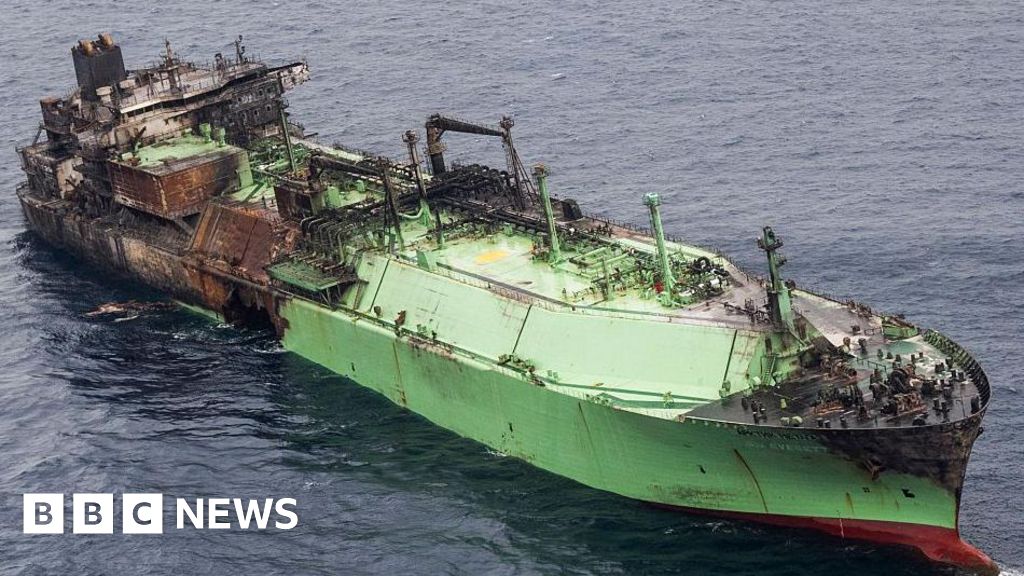
Italy warns Arctic Metagaz Russian tanker may blow up in Mediterranean, raising security alarms

In recent weeks, the international security landscape has witnessed a troubling escalation of maritime conflicts that underscore a rapidly shifting geopolitical environment. According to reports from Ukrainian security services, notably the Security Service of Ukraine (SBU), three vessels operating in the Black Sea have been targeted, with catastrophic consequences. The most alarming of these incidents involved the vessel Dashan, which was reportedly subjected to “critical damage” — a stark indication that the maritime domain is becoming an increasingly contested and dangerous arena amidst ongoing hostilities in Eastern Europe.

Less than two weeks after these Black Sea attacks, a new incident emerged in the Mediterranean Sea: the oil tanker Quendil was hit, raising questions about the broader scope of maritime destabilization. Experts from various international organizations have pointed to these targeted assaults as a strategic move that complicates the balance of power in vital global shipping corridors. Experts like geopolitical analysts and military strategists warn that such covert assaults could not only disrupt global energy supplies but also serve as provocations meant to test the resilience of international maritime law and security arrangements. The United Nations and NATO have both expressed concern, yet the incidents reveal a more complex chessboard where traditional alliances are strained by emerging conflicts and asymmetric tactics.

The significance of these attacks goes beyond the immediate damage to vessels; they represent a deliberate attempt to reshape regional security dynamics. Some analysts argue that these strikes are part of a broader campaign to establish new influence zones in strategic choke points, where ongoing tensions involve Russia, Ukraine, and NATO members. The targeted vessels, often seen as symbols of international commerce, are now also tangible symbols of the **vulnerabilities** that global maritime trade faces in an era of hybrid warfare. According to historians specializing in modern conflicts, these incidents mark a *turning point* in the use of unconventional methods to project power and unsettle economic stability across major sea routes.

How the international community reacts to these provocations will profoundly shape the future of global security architecture. The European Union, U.S., and Russia are under intense scrutiny, with some voices warning that failure to contain these maritime strikes could trigger wider escalation. The Nord Atlantic Treaty Organization (NATO) has signaled readiness to bolster maritime defenses, but critics suggest that existing frameworks are ill-equipped for the asymmetry of modern hybrid threats. As maritime authorities and intelligence agencies scramble to identify perpetrators, the broader question looms: **are we witnessing a new phase of conflict where the seas become battlegrounds for geopolitical dominance?**

In the shadows of these escalating tensions, history reminds us that conflict on the seas often foreshadows larger regional upheavals. As ships vanish or are damaged in remote waters, the echoes of past maritime crises linger—reminding everyone that these waters are more than just routes for commerce; they are the arteries of power. How nations respond in the coming weeks will determine whether this chapter in maritime warfare remains isolated or morphs into a broader, more intense confrontation that could threaten global stability — a story still being written by the relentless currents of history itself.

US seizes Venezuelan oil tanker, Trump calls it a win for America

US Seizes Venezuelan Oil Tanker in Bold Show of Force

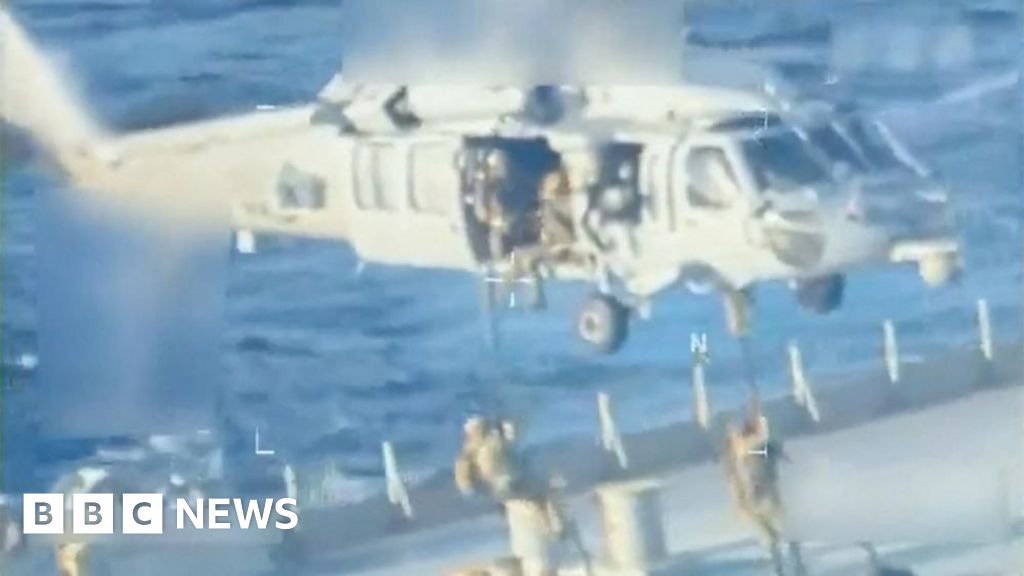
The recent interception of a Venezuelan oil tanker by U.S. forces off the coast of Venezuela signals a significant escalation in the ongoing confrontation between Washington and Caracas. President Donald Trump announced the operation, claiming the vessel was the largest ever seized and was involved in transporting sanctioned oil linked to Iran. This move, under the pretext of cracking down on illegal oil smuggling supporting foreign terrorist organizations, underscores the U.S. administration’s relentless attempt to exert economic and military pressure on the Maduro government. The seizure was a coordinated effort involving multiple agencies, including the FBI, Coast Guard, Department of Defense, and Homeland Security, utilizing assets like the USS Gerald Ford, the world’s largest aircraft carrier, deployed to the Caribbean last month.

Venezuela swiftly condemned the seizure as an act of international piracy, with President Nicolás Maduro asserting that his nation would never accept becoming an “oil colony.” These exchanges are but the latest chapters in a broader geopolitical chess game where Venezuela’s vast oil reserves make it a crucial resource prize for global powers. Historically, analysts warn that such aggressive maneuvers threaten to destabilize regional security and fuel further conflicts, especially as oil prices respond to fears of supply disruptions. The seizure has already impacted global markets, pushing Brent crude prices higher amidst speculation of increased volume restrictions and risks for maritime shippers in the region.

From Sanctions to Seizures: U.S. Strategy and Global Repercussions

The Trump administration’s rejection of Maduro’s government has taken a decidedly aggressive tone, rooted in accusations that Caracas traffics narcotics into the United States. These claims bolster Washington’s narrative of a corrupt regime hell-bent on undermining regional stability. Meanwhile, Venezuela charges that the United States is seeking to loot their resource wealth. Such accusations reflect a broader struggle over resource control, with international organizations warning of the dangerous precedence set by unilateral military actions in sovereign waters. Historians like William Blackstone have long argued that the extension of maritime force outside traditional frameworks risks igniting larger conflicts, a warning that now resonates as the world watches a new proxy battleground unfold in the Caribbean.

  • The seizure involved a vessel named Skipper, reportedly flagged under Guyana but accused of falsifying its registry, raising questions about transparency and legality.
  • Diplomatic protests erupted from Venezuela, condemning the operation as a breach of sovereignty, with Interior Minister Diosdado Cabello branding the U.S. as “pirates”.
  • U.S. officials claim that the operation was aimed at disrupting illicit networks supporting hostile regimes and terrorist groups like Hezbollah and the Quds Force.

Amidst these tensions, President Maduro’s wry response at a rally—singing “Don’t worry, be happy”—underscored the fraught state of U.S.-Venezuela relations. His statement further highlights how diplomacy has become a battlefield of rhetoric, with Caracas viewing American military mobilizations as an infringement on its sovereignty. As the Caribbean becomes a chessboard for geopolitical influence, military buildups and covert operations threaten to ignite a broader regional conflict, with unpredictable global consequences. The world is now witnessing a pivotal moment: a clash over resources, sovereignty, and ideology, where history is not merely being written but forcibly reshaped in real time, leaving nations to grapple with the fallout of decisions that could echo for generations to come.

French Forces Intercept Oil Tanker Tied to Russia’s Shadow Fleet

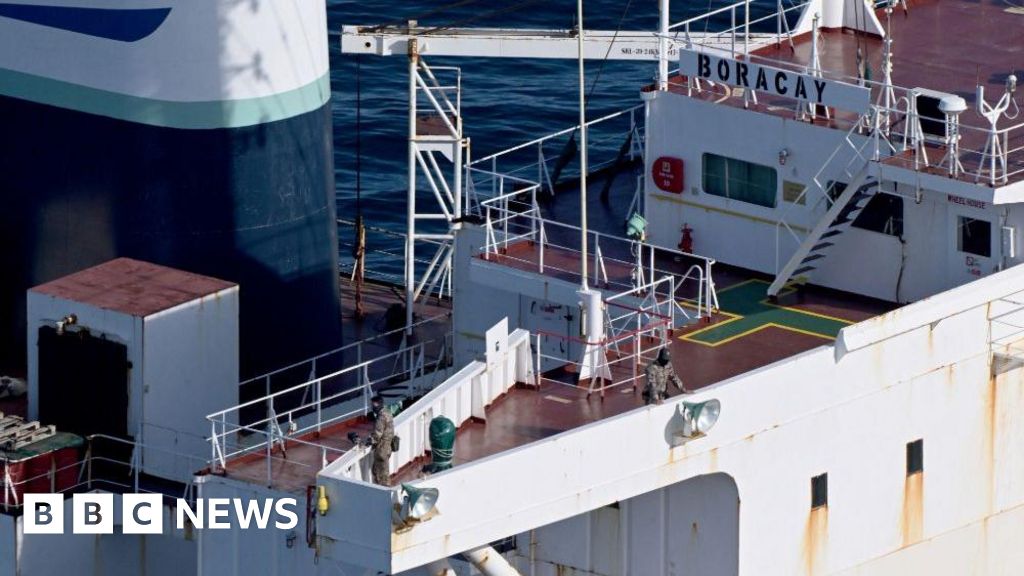
France has taken a bold step in addressing what many analysts now describe as Russia’s clandestine tactics to bypass international sanctions. French soldiers recently boarded the Boracay, a vessel linked to Moscow’s so-called “shadow fleet”—a complex network of ships designed to obscure Russia’s energy exports amid ongoing sanctions imposed due to the war in Ukraine. This operation, believed to be one of the most significant interdictions yet, signals a heightened commitment by European nations to crack down on illicit maritime activity used to circumvent Western restrictions.

The vessel, marked by multiple flags—including Benin, UK, and EU sanctions—had been tracked sailing from the Russian port of Primorsk toward India, passing through strategic points in the North Sea and the English Channel. Its movements, coupled with reports of it being detained earlier this year for sailing without a valid flag, underscore the broader challenge faced by Europe and the West: how to enforce sanctions against a fleet that is deliberately complex and highly adaptable. France’s investigation into the vessel’s conduct, alongside calls for increased maritime vigilance, reflect a strategic pivot aimed at exposing Russia’s covert export mechanisms.

European Union leaders, convening amidst rising tensions, are sharpening their focus on hybrid warfare and energy security. At the Copenhagen summit, EU officials discussed the alarming trend of drone incursions and cyber-attacks, which are increasingly attributed by some experts to Russian hybrid tactics designed to destabilize and intimidate. Danish Prime Minister Mette Frederiksen explicitly linked recent drone disruptions at airports to Russia, framing it as part of a broader pattern of hybrid conflicts designed to challenge Western cohesion and resilience. Numerous countries on the EU’s eastern flank, including Poland and Estonia, face the brunt of such threats, prompting calls for a multi-layered “drone wall”—a defensive system intended for rapid detection, tracking, and neutralization of hostile UAVs.

International analysts, including those from NATO and renowned military think tanks, warn that these hybrid strategies signify a *turning point* in modern conflicts—one where conventional warfare is supplemented (or replaced) by covert operations, cyber attacks, and economic manipulation. The existence of Moscow’s shadow fleet, estimated to encompass between 600 and 1,000 vessels, underscores Russia’s resolve to continue evading sanctions and sustain its energy exports despite intense global pressure. How these maritime and hybrid tactics evolve in the coming months could very well determine the future balance of power in Europe’s east and during broader geopolitical conflicts.

As history unfolds amidst increasing militarization and intelligence operations, the world witnesses a critical juncture. The decisions made—by Europe, by NATO, by global institutions—will echo through decades, shaping the future of sovereignty, security, and international law. The relentless chess game on the high seas and in the skies continues, reminding us that, in the chess match of mighty nations, every pawn, every move, and every secret operation could turn the tide of history—an unfolding saga where the stakes are nothing less than the very future of freedom itself.

France probes oil tanker linked to Russia’s covert fleet

Shadow Fleet and Drone Incursions Highlight Europe’s Geopolitical Tensions

Recent investigations by French authorities into a suspect oil tanker reveal a disturbing layer of hybrid warfare that threatens the stability of Europe. The vessel, known as Boracay, which was flagged in Benin and previously operated under the name Pushpa, is suspected of being part of Russia’s clandestine shadow fleet. This fleet is often used by Moscow to circumvent international sanctions by employing vessels whose ownership and operations are deliberately obscured. As European countries face a series of unexplained drone flights and airspace violations, the incident underscores the intensifying struggle for control over critical maritime and aerial domains, an unprecedented battlefield in modern geopolitics.

The drone sightings over Denmark in September, leading to airport closures in Copenhagen and Aalborg, mark a clear escalation in what officials now term a hybrid war. These drones—likely launched from ships in close proximity—were almost certainly larger, fixed-wing or delta craft that require substantial launch platforms, pointing to a sophisticated level of planning and resource deployment. Denmark’s Prime Minister, Mette Frederiksen, publicly accused Russia of threatening European security, framing the incident as part of Moscow’s broader strategy to destabilize the continent. Meanwhile, NATO and European allies have responded by deploying anti-drone defenses, and upcoming EU summits are now focusing on countermeasures such as the development of a “drone wall” to deter future incursions, revealing a shift toward militarizing new technological threats.

As investigations unfold, the shadow fleet emerges as a key element—one that significantly impacts global oil markets and international sanctions enforcement. The UK, the EU, and other nations have identified vessels like Boracay as integral to clandestine oil trafficking routes that skirt sanctions. The vessel’s history is emblematic: from being detained by Estonian authorities as Kiwala earlier this year, over uncertainty about its registry, to a recent transfer to the Russian fleet, the vessel signifies how Russia’s economic war efforts rely on deceptive shipping practices. Analysts warn that such fleets enable Moscow to evade sanctions, maintain its oil revenues, and fund military operations, thereby challenging Western efforts to isolate Russia economically.

The geopolitical impact of these developments extends beyond immediate security concerns. They highlight a shifting balance where maritime and aerial domains become new theaters for geopolitical competition, with Russia actively testing Western defenses and probing the vulnerabilities of allied nations. The example of vessels like Astrol-1 docking in St. Petersburg or the Oslo Carrier-3 carrying steel from Germany to Lithuania illustrates a complex web of economic and military signals. International organizations, including NATO, are now warning that these covert activities could escalate into open conflict if not decisively countered, creating a tense atmosphere reminiscent of Cold War stratagems but in the age of advanced technology. As history continues to unfold on this shadowy stage, it remains undetermined how long Europe’s resolve can withstand the relentless pressure and deception embedded in Russia’s hybrid tactics, leaving the world poised on the brink of a new era of unconventional warfare where the rules are continually rewritten.

Social Media Auto Publish Powered By : XYZScripts.com