Matox News

Truth Over Trends, always!

Ford taps F1 tech and rewards to craft $30K electric truck for young drivers

Ford’s Bold Shift: Disrupting the EV Market with Innovation

In a move that underscores the relentless pace of disruption in the automotive industry, Ford is charting a new course with its Universal EV platform (UEV), signaling a strategic pivot aimed at revitalizing its EV business amid recent setbacks. After incurring a significant $19.5 billion loss in December, Ford has ended its production of the battery-electric F-150 Lightning, abruptly shifting focus to more affordable, scalable electric vehicles designed for efficiency and mass-market appeal. This move signals a clear response to investor pressures and a recognition that innovation must translate into viable business models capable of competing with electric giants like Tesla.

At the heart of Ford’s new strategy is a ground-up architectural overhaul: the UEV platform. This “clean sheet” design emphasizes modularity, lightweight construction, and manufacturing efficiency. Built upon aluminum unicastings—a technique borrowed from Tesla and Rivian—this platform minimizes parts and assembly time, driving down costs while maximizing durability and performance. Experts at MIT and analysts from Gartner acknowledge that such innovation in manufacturing could redefine profit margins in the EV market, allowing Ford to produce a broad array of vehicles including trucks, sedans, crossovers, and commercial vans from a single, versatile platform. The implication is profound: a tectonic shift in manufacturing economics that could make EVs more accessible, changing the landscape for competitors and consumers alike.

Disruption through Efficiency and Software Innovation

  • The UEV system employs single-piece aluminum components and a downsized, high-efficiency battery, offering about 15% more range—roughly 50 miles—compared to traditional gas-powered trucks.
  • The move to a zonal architecture—a departure from scattered ECUs—reduces complexity, cost, and weight, enabling ford to develop its own software stack for vehicle control.

According to Alan Clarke, who led Ford’s team of ex-Tesla engineers, the platform is designed around efficiency and affordability: “It’s built around making long-range EV travel accessible to more people.” This focus on cost-effective mass production is a game-changer, especially as traditional automakers struggle with scaling EV manufacturing profitably. The integrated control modules and proprietary software developed by Ford provide a strategic edge, giving the company full control over vehicle functions, sensor integration, and user experience— capabilities that can rival Tesla’s vertically integrated approach.

Implications for Industry and Market Dynamics

The innovation embodied in Ford’s approach highlights a broader trend of disruptive potential sweeping through the auto industry. If successful, Ford’s UEV could serve as a template for legacy automakers seeking to compete with Tesla’s dominance by reducing costs and increasing flexibility in manufacturing. Market analysts from Gartner forecast that a shift toward unified platform architectures and integrated software will accelerate overall EV adoption, pushing industry standards towards modular, scalable designs aligned with the evolving needs of consumers and commercial fleets.

Yet, challenges remain. As Peter Thiel and other tech investors warn, “innovation alone isn’t enough”; the ability to massively scale, maintain quality, and develop a robust software ecosystem will determine whether Ford can capitalize on these technological advancements. In the near future, industry leaders must innovate relentlessly, embracing disruption or risk being left behind. The next 12-24 months are crucial as Ford’s new EV strategy begins to take shape, setting the stage for a new era of automotive competition rooted in innovation, efficiency, and software supremacy.

In this high-stakes race, Ford’s bold move underscores a fundamental truth: the future belongs to those who innovate with purpose and execute at scale. As investor confidence, consumer expectations, and industry standards evolve rapidly, the urgency to disrupt and adapt has never been greater. The coming years will reveal whether Ford’s paradigm shift will trigger a seismic shift across the industry or serve as a cautionary tale for complacency in the face of technological upheaval.
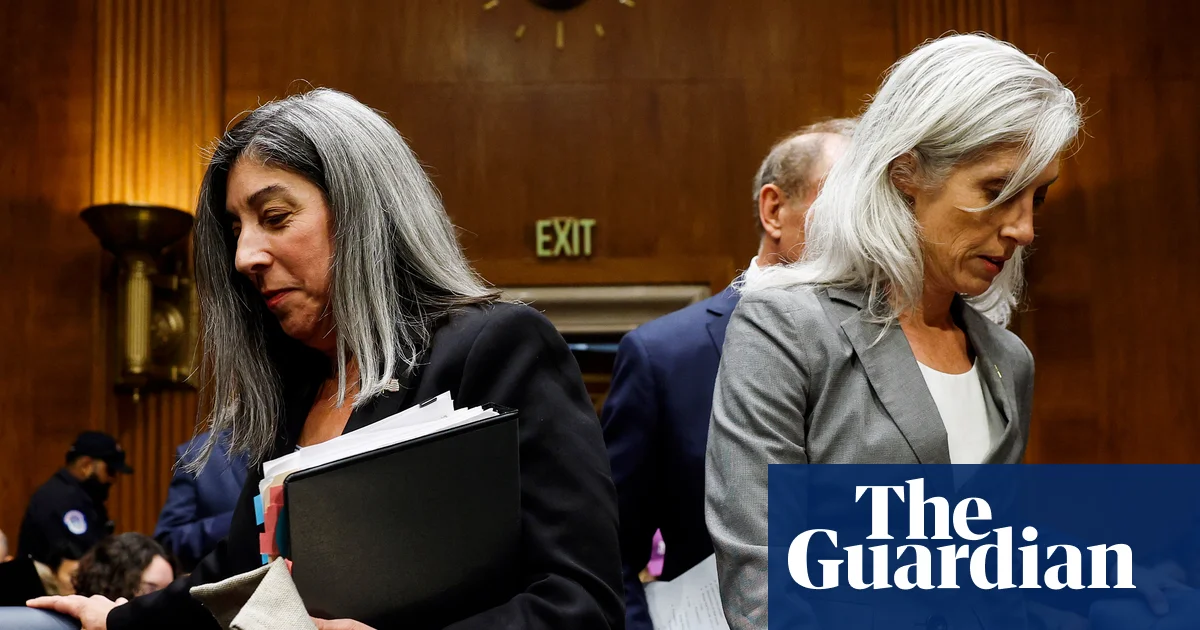
Newsom taps ex-CDC insiders to shape California’s new health defense system

California Reinvents Public Health in a Society Divided

In a decisive move emblematic of an evolving cultural shift towards scientific innovation, California’s governor Gavin Newsom has appointed two prominent former Centers for Disease Control and Prevention (CDC) officials to lead a new state initiative aimed at modernizing public health infrastructure. This initiative, known as the Public Health Network Innovation Exchange (PHNIX), seeks to bridge the divide between scientific integrity and societal trust—a challenge that resonates deeply within communities grappling with misinformation, vaccine skepticism, and the erosion of shared moral consensus. Sociologists like Richard Sennett warn that societal cohesion hinges on **trust in human institutions**, yet current social tensions threaten to fracture the fabric that holds families, education systems, and communities together.

The appointment of Dr. Susan Monarez and Dr. Debra Houry highlights California’s stance amid national debates on public health policy, particularly in the wake of conflicts with the Trump administration. Monarez, who was dismissed from her CDC leadership role less than a month into her tenure after refusing to step down, clashed with the prior administration over vaccine policy, demonstrating a broader societal tension over individual rights versus government mandates. Both Monarez and Houry voiced concerns before Congress about vaccine agendas under secretary Robert F Kennedy Jr., emphasizing the importance of *trustworthy, science-based health policies* in preserving public safety. This effort underscores a societal acknowledgment that families and communities rely on transparent leadership to navigate the moral dilemmas of modern health crises.

According to Newsom, PHNIX aims to _“bring together the best science, tools, and minds to _advance public health,”_ reinforcing the significance of **technological innovation** and **information infrastructure** in restoring societal confidence. Yet, beneath this progressive veneer lies a deeper question about how social issues like vaccine skepticism impact family health, educational stability, and community cohesion. As sociologist Charles Murray argues, societal strength depends on shared moral values that foster **trust in scientific expertise**—a principle now under scrutiny in an era marked by misinformation and cultural polarization. These social tensions threaten to destabilize the very fabric that sustains societal order, from school classrooms to neighborhood streets.

At its core, California’s bold strategic shift signals a societal effort to reclaim integrity in a fractured social landscape. As Newsom positions California as a bastion of scientific resistance against what he perceives as federal overreach, communities are placed at a crossroads—either embracing a future rooted in evidence-based policies or succumbing to the path of division and distrust. The challenge for families and youth alike is profound: how to cultivate a society where science serves as a moral anchor in a world of shifting cultural norms. As history warns us, societies that ignore this delicate balance risk unraveling their social cohesion. Yet, dreams of societal renewal also persist, nurtured by the hope that through unwavering commitment to truth and stability, communities can emerge stronger—ready to forge a future where trust is restored, and society’s moral compass is reoriented toward unity.

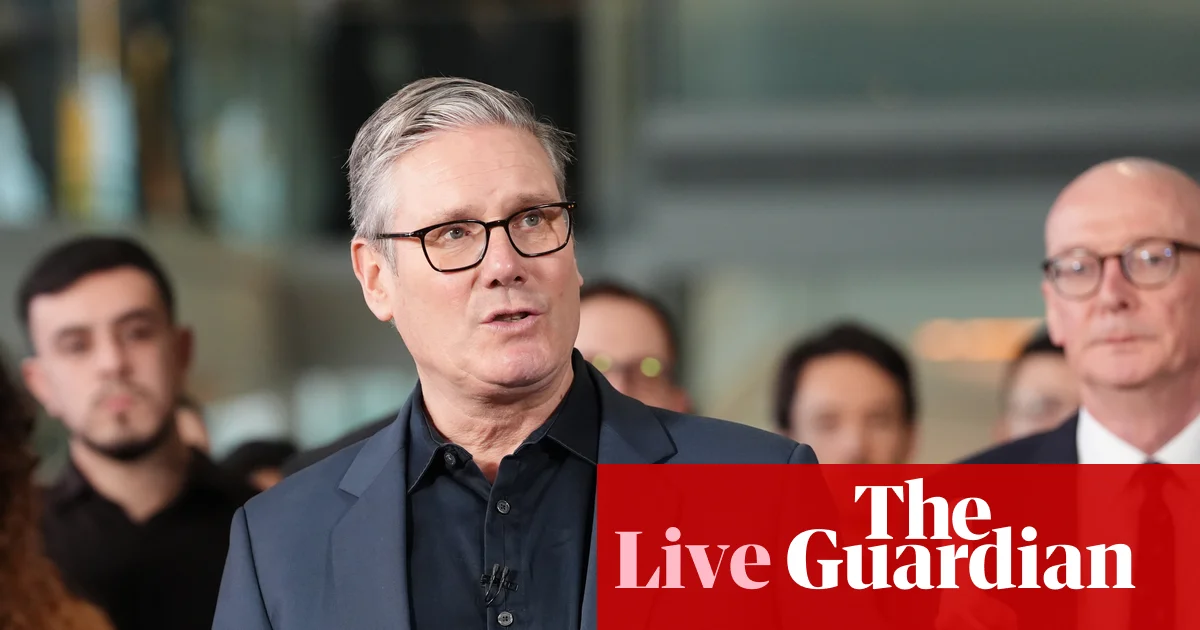
Labour Taps Members for Next Leader Amid Party Power Play – UK Politics

Uneasy Winds of Change Blow Across the Global Horizon and UK Political Landscape

As Britain charts its turbulent course amidst mounting European diplomatic tensions and internal political upheaval, the global framework under which nations operate faces undeniable flux. In a significant diplomatic gesture, Prime Minister Keir Starmer is hosting a high-stakes summit in Downing Street, bringing together European leaders and the controversial Ukrainian President, Volodymyr Zelenskyy, signaling yet another chapter in the ongoing saga of East-West tensions. This assembly is not just about regional security but reverberates far beyond, highlighting the delicate balance of power within NATO and EU corridors amid the ominous shadow of an unsettled European strategic landscape. According to international analysts, such gatherings are pivotal, potentially reshaping alliances and NATO’s strategic posture in the face of renewed hostilities and diplomatic unpredictability, especially considering the specter of Russia’s ambitions.

Meanwhile, London’s political arena pulses with new energy, as Keir Starmer unveils a bold £725m initiative aimed at integrating 50,000 young Britons into the workforce through expanded apprenticeships. This move is widely viewed as a calculated economic and social maneuver, designed not only to address youth unemployment in the long-term but to bolster Britain’s economic resilience against the backdrop of global instability. Such policy decisions underscore how internal domestic strategies are increasingly intertwined with the broader geopolitical narrative. With the government also fostering localised control over funding and expanding regional cooperation, the move signals an intent to fortify the nation’s labor market, aiming to emerge from economic uncertainties stronger and more autonomous. Notably, these reforms seem to also serve as a political counterbalance amid concerns over internal leadership stability and upcoming party leadership contests within Labour, hinted at by recent insider polls and strategic surveys among party members.

Within the UK’s splintered political spectrum, the potential for a leadership reshuffle remains palpable. Reports indicate that Labour Party insiders are secretly canvassing elite opinion, contemplating whether to pursue an internal leadership challenge potentially within the next year. Such maneuvering is not merely about personality debates but about signaling a shift in policy directions—a move perceived by many as a safeguard against the perceivedLeft-leaning drift represented historically by figures like Jeremy Corbyn. Crucially, behind closed doors, figures such as Angela Rayner and Lucy Powell are seen as front-runners for a renewed leadership bid, aimed at presenting the party as a formidable challenger capable of seizing electoral victory in a volatile political climate. Meanwhile, policy questions about principles versus pragmatism are dividing party ranks, echoing broader concerns about ideological purity versus electoral pragmatism in the context of Britain’s upcoming general election. The unresolved dynamics of this leadership shuffle cast a long shadow over Britain’s internal stability—a mirror to the wider geopolitical uncertainties that threaten global order.

The Weight of History Yet Unfolding

Throughout this turbulent day, history’s relentless march continues, with the world hanging on the precipice of transformation—fragile yet unyielding. As Britain navigates its internal strife, with power plays hinting at a potential upheaval, its global posture remains intertwined with the stormy geopolitical currents rippling across Europe and beyond. In the shadows of these shifting alliances and domestic power struggles, one truth is emerging: the decisions made today will echo through the corridors of history, shaping nations and societies well into the twilight of the 21st century. How long this fragile equilibrium will last is uncertain, yet as history writes its own unwritten chapters, the weight of tomorrow rests with those courageous enough to steer the course. This unfolding story is far from over—a testament to an age where the tides of power and principle collide in the crucible of a new epoch.

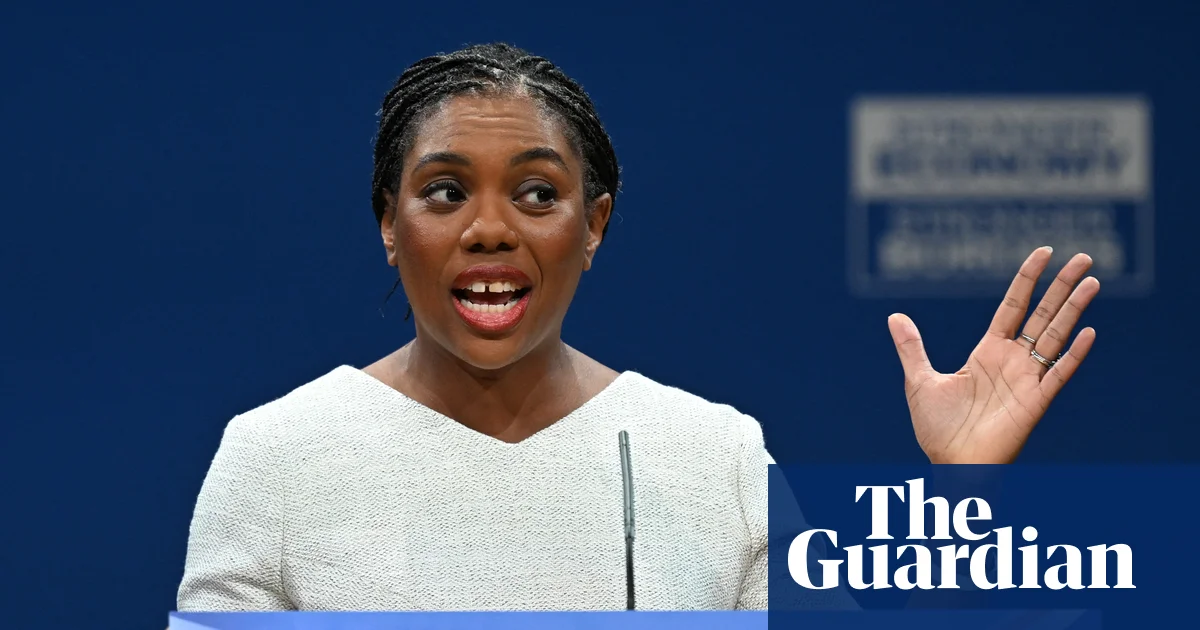
Badenoch taps into tax cuts, humor, and pig-wrestling to fight for her future at Conservative conference—episode inside

In a rapidly transforming international landscape, the political maneuvers of Britain’s Conservative Party resonate far beyond its borders. During her recent party conference, the leader unveiled ambitious domestic policies, such as plans to scrap stamp duty, aimed at revitalizing the economy and stimulating homeownership. However, what drew less attention was the conspicuous absence of discussion regarding the most pressing threat confronting her party—the rising tide of global instability and shifting geopolitical tensions. As analysts break down the tone and substance of her speech, the underlying question persists: can mere policy promises contain the larger, more complex forces at play?

International organizations and political historians warn that political strategies focused primarily on domestic issues may not be enough to shield nations from the multifold threats that now define our era. The European Union, alongside the United States, faces persistent challenges from aggressive state actors pursuing regional dominance, economic coercion, and cyber warfare—factors that threaten to reshape the global order. For the UK, this means that internal political battles—such as leadership contests within the Conservative Party—must now contend with a geopolitical environment where security and diplomatic resilience are paramount. Yet, recent conference season has largely focused on traditional party politics rather than addressing the broader, turbulent international context.

The question of leadership purity amid these external pressures echoes throughout British political discourse. Veteran analysts and international institutions underscore the significance of internal stability in the face of global upheaval. As Robert Jenrick and other potential rivals challenge the current leadership, many believe that the party’s future hinges on broader strategic vision—one that goes beyond tax cuts and campaign rhetoric.

  • Experts from Chatham House highlight the interconnectedness of domestic policy and international security.
  • British political commentators from Financial Times suggest that leadership debates now serve as a reflection of the nation’s preparedness to engage with an unpredictable world.

Regardless of internal contests, the larger consequence is whether the UK will emerge resilient or fragmented amidst a constellation of global crises that seem to intensify each day. As the echoes of policy promises fade into the cacophony of international conflict, the act of leadership—both political and strategic—remains the defining challenge of our time.

History watches, and history’s weight presses down heavily. In the unfolding chapters of the 21st century, the decisions made within these political chambers may well determine not only national fate but also the trajectory of global stability. Will Britain, under its current leadership, rise to meet the formidable challenges ahead? Or will it falter, lost in the shadows of a shifting world order that continues to redefine what is possible—and what is at stake. As the world teeters on the brink of unpredictable change, one thing remains certain: the future is still being written, and time waits for no nation.

Social Media Auto Publish Powered By : XYZScripts.com