Matox News

Truth Over Trends, always!

Chinese dance troupe’s Australia tour sparks bomb threat targeting PM

Threats Against Australian Leadership and the Shifting World Order

In a startling escalation of internal security threats, reports have emerged that organizers of a controversial performance were instructed to cancel their events or face far graver consequences — specifically, explosive attacks targeting Prime Minister Anthony Albanese’s residence. This alarming development underscores the persistent volatility in domestic security, as well as the broader implications for international stability and sovereignty. The incident echoes troubling patterns globally, where extremist factions leverage violence to influence political landscapes, often with unintended consequences for national security and diplomatic relations.

Security agencies in Australia have responded swiftly, condemning the threats while reaffirming their commitment to protecting the nation’s leaders. Experts and international observers suggest such threats are symptomatic of broader ideological conflicts fueled by external players seeking to sway political outcomes. Historically, terrorist groups and radical factions have targeted prominent political figures to destabilize governments or send symbolic messages. As noted by regional security analysts, this pattern aligns with recent trends where threats are not merely isolated acts but components of complex geopolitical games involving proxy conflicts, ideological battles, and influence operations. These developments come at a time when Australia finds itself increasingly entangled in global strategic shifts, particularly amidst rising tensions between Western alliances and authoritarian rivals.

The incident also raises concerns about how societal divisions and partisan conflicts can be exploited by extremists to foment unrest. The Australian government’s proactive stance underscores the importance of safeguarding democratic institutions from internal threats masked as ideological expressions. Meanwhile, international organizations, such as INTERPOL, continue to monitor similar threats worldwide, warning that violence against political leaders could escalate if root causes remain unaddressed. Historically, such threats have not only endangered individual lives but also served as catalysts for policy shifts—sometimes leading to harsher security laws or, conversely, societal divisions that threaten cohesion.

The weight of history is clear: when violence targets the core of national leadership, it signals a deeper crisis that reverberates through international borders. As nations grapple with internal radicals, the geopolitical impact inevitably influences diplomatic relationships, especially with allies concerned about regional stability.* The decision by the threat actors to attempt attacks at Albanese’s residence reveals a disturbing intent to send a message—one that echoes through the corridors of power, warning that no leader is immune. In such turbulent times, the world watches as the pages of history are written, ominously reminding us that these moments are more than isolated incidents—they are reflections of a shifting global landscape where the lines between domestic dissent and international chaos blur, leaving societies to grapple with the uncertain future that lies ahead.
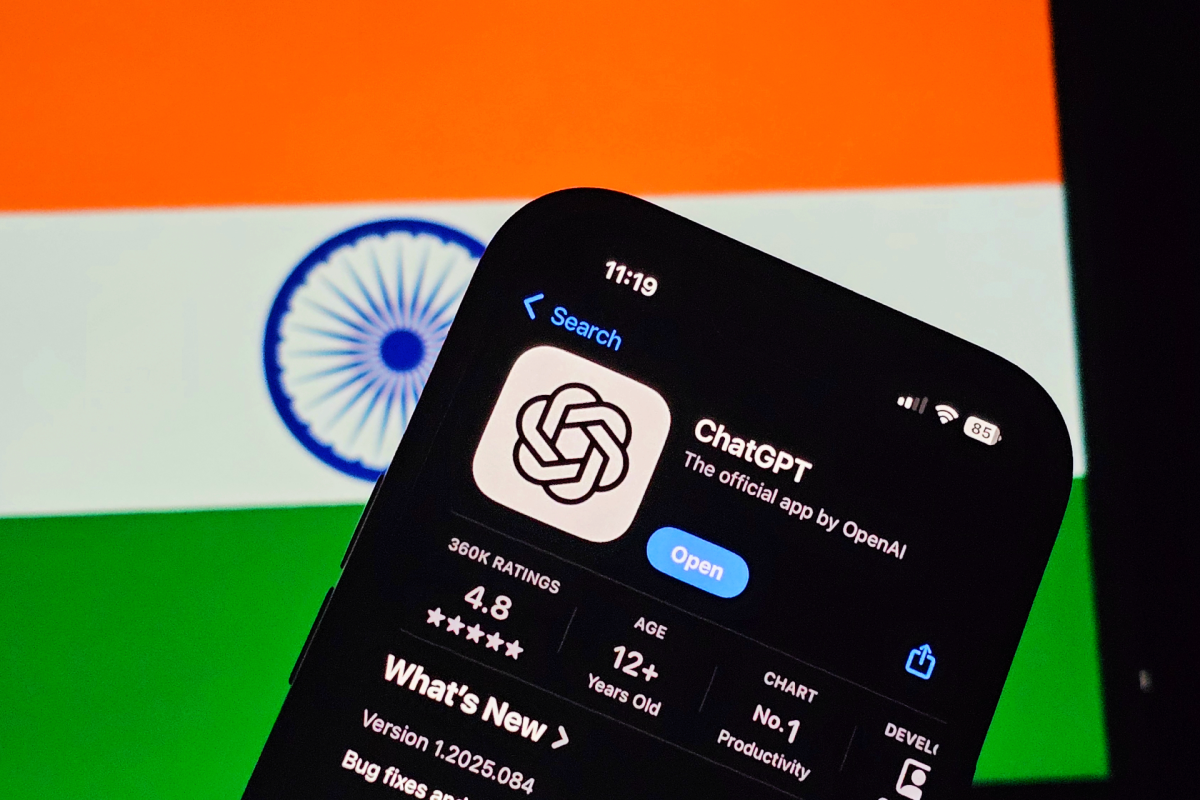
OpenAI teams with Tata for 100MW AI hub in India, targeting 1GW growth

OpenAI Sets Strategic Milestone with Tata Group Partnership in India’s AI Revolution

In a move signaling disruption and innovation in the global artificial intelligence landscape, OpenAI has announced a groundbreaking partnership with Tata Group to develop a robust AI-ready data center infrastructure in India. This partnership is a core component of OpenAI’s Stargate project, which aims to build scalable, enterprise-grade AI infrastructure on a global level. Starting with an initial capacity of 100 megawatts, the collaboration is set to expand to a staggering 1 gigawatt, positioning India as a key hub for AI innovation and enterprise adoption.

Leading industry analysts, including Gartner and MIT research teams, emphasize that this strategic shift underscores the importance of localized data processing for large-scale AI deployment. Hosting AI models domestically reduces latency—vital for delivering real-time solutions in sectors such as finance, healthcare, and digital governance—while enabling compliance with India’s data residency laws. Notably, the move positions OpenAI at the forefront of industry disruption, with capabilities rivaling the world’s largest AI data centers, exemplified by tech giants like Google and Amazon, who have already demonstrated the business potential of massive infrastructure investments.

Innovation Driven by Strategic Infrastructure and Enterprise Collaborations

The partnership is more than just a hardware upgrade; it symbolizes a paradigm shift in enterprise AI adoption. TCS’s HyperVault data centers, backed by approximately $2 billion in planned investments, will serve as the backbone for OpenAI’s local operations. This infrastructure will enable deployment of advanced AI models like GPT-4 locally, significantly improving turnaround times, data security, and compliance for Indian enterprises. Large-scale AI training, which demands intensive GPU clusters, underscores the scale of this operation, reflecting the company’s long-term ambitions for India as a regional powerhouse.

  • Deployment of ChatGPT Enterprise to streamline Tata’s workforce, empowering hundreds of thousands of employees with AI-driven tools.
  • Standardization of AI-native software engineering through OpenAI’s Codex tools, sparking a wave of innovation within Tata Group’s diverse portfolio.
  • Certification programs launched by OpenAI to upskill Indian professionals, ensuring a ready workforce equipped to harness the AI revolution.

Leading voices like Sam Altman have highlighted India’s rising influence, with over 100 million weekly ChatGPT users, driven by a surge of student, developer, and entrepreneurial activity. This rapid adoption rate signals an urgent window of opportunity for global AI firms to embed deeply into India’s digital economy. The collaboration also aligns with Tata’s vision to culturally and technologically position itself as a leader in AI, a move echoed by industry insiders as a disruptive force that could redefine enterprise software standards across Asia and beyond.

Future Implications and Next Steps

As OpenAI ramps up its local footprint, including upcoming offices in Mumbai and Bengaluru, the company’s strategy signals a recognition that AI’s future is rooted in regional infrastructure and enterprise integration. The partnership with Tata and the HyperVault platform signifies a critical inflection point—where innovation meets strategic deployment, and global AI leadership is renegotiated. With AI’s disruptive potential only accelerating, India is poised to become an engine of the next wave of digital transformation.

Market observers and industry leaders must remain vigilant. The acceleration of AI infrastructure development underscores the urgent need for regulatory clarity, ethical standards, and innovations that safeguard user interests. As giants like OpenAI position themselves for dominance, delay or complacency could render other players obsolete in this rapidly evolving landscape. The question is no longer whether AI will reshape industries—it’s about who will lead the charge. The future belongs to those willing to invest boldly now, shaping a world where AI drives unparalleled economic growth, technological breakthroughs, and societal transformation.

The rise of the ‘scam state’: Southeast Asia’s booming illegal industry and the new wave of cybercrime targeting youth

Unmasking the Monster: How Southeast Asia’s Scam Industry Threatens Power and Prosperity

In recent years, cryptic economic undercurrents have surged beneath the surface of southeast Asia’s vibrant landscape, revealing a dark infrastructure that is reshaping not only regional stability but also defining issues of personal security and economic freedom. The dramatic demolition of KK Park, one of the continent’s notorious “scam centres,” signifies a fragile attempt to open a window into this clandestine world—a world rooted deeply in _conflict zones_ and _lawless borders_, where opulence and impunity walk hand in hand. These hubs, often sprawling and openly visible, symbolize the extent to which corruption and illicit financial networks have become intertwined with state power, painting a narrative of *blatant impunity* that is hard to ignore.

What makes this industry particularly insidious is its *evolution* from simple phishing scams to an *industrial-scale political economy.* Experts like Jacob Sims, a Harvard fellow specializing in cybercrime, describe a shift where online fraud has transformed into a *massive illicit market*, grossing hundreds of billions annually—roughly mirroring the drug trade in scope. The industry relies heavily on _advanced technologies_ such as generative AI, deepfake video calls, mirrored websites, and *sophisticated misinformation tactics* to manipulate victims globally. Recent estimates reveal that, in 2024, cyber scams in the Mekong sub-region generate about $44 billion annually, representing 40% of the formal economy—making it not just a criminal enterprise but an *economy unto itself*. Such figures underscore a stark reality: these illicit networks are *driving regional economic shifts* and exerting *enormous influence* over policy and governance.

This rise has serious personal implications for individuals worldwide—victims entrapped in “pig-butchering” scams, where authentic relationships are cultivated online before victims are pressured into fraudulent investments, often in cryptocurrencies. The regret and financial devastation for victims are profound, with many losing *more than half of their net worth*, sometimes totaling hundreds of thousands of pounds. This *human toll* reveals how *technology* and *greed* have become tools for exploitation, fueled by scammers who harness deepfake videos and AI translation to deceive even the most cautious. From a personal health perspective, such scams foster stress, anxiety, and financial strain, reinforcing a need for better *digital literacy* and *preventive education*. To truly understand and combat this industry, awareness must extend beyond borders, involving clients worldwide and policymakers committed to rooting out these *global illicit networks*.

Despite efforts to dismantle these operations, their **publicly visible** scale and *interwoven political connections* suggest a disturbing compromise of sovereignty and law enforcement. Experts argue that visible scams are often mere *”performative”* acts—aimed at appeasing international pressure without risking the fundamental interests of powerful *criminal-elite networks*. The ongoing existence of enormous compounds, diplomatic cover-ups, and *state co-optation* signals a *systematic failure*—a reflection of a *scam industry* that has become entrenched, profiting off *conflict*, *border chaos*, and *weak governance*. This situation demands a reassessment of our *values* and *priorities*, emphasizing that the fight against such corruption must also be a personal journey—one of resilience, knowledge, and refusal to accept *an economy of exploitation*.

Reflection

As society stands at this crossroads, the path forward invites each of us to consider how our choices—whether in safeguarding our digital lives or advocating for *transparency*—connect to the broader narrative of _power, integrity,_ and _independent prosperity_. The story of Southeast Asia’s scam industry is not just about illicit money—it’s a lesson in vigilance and responsibility, urging us to embrace a lifestyle rooted in _truth_, _empowerment_, and _ethical awareness_. The challenge remains: will we continue to be passive spectators, or will we become active participants in fostering a world where *justice and integrity* hold sway? The journey of lifestyle, after all, is a reflection of our collective willingness to uphold these principles, transforming us from bystanders to builders of a resilient future.

Key Takeaways:

  • Understand the scope: The scam industry is a major economic driver in the region, comparable in size to the illicit drug market.
  • Stay vigilant: Technological advancements make scams more sophisticated—education and awareness are your best defenses.
  • Recognize the systemic issues: Many scam hubs operate with state complicity, highlighting the importance of advocacy and international pressure.
  • Personal impact matters: protection of personal wealth and mental health should be prioritized amid these evolving threats.
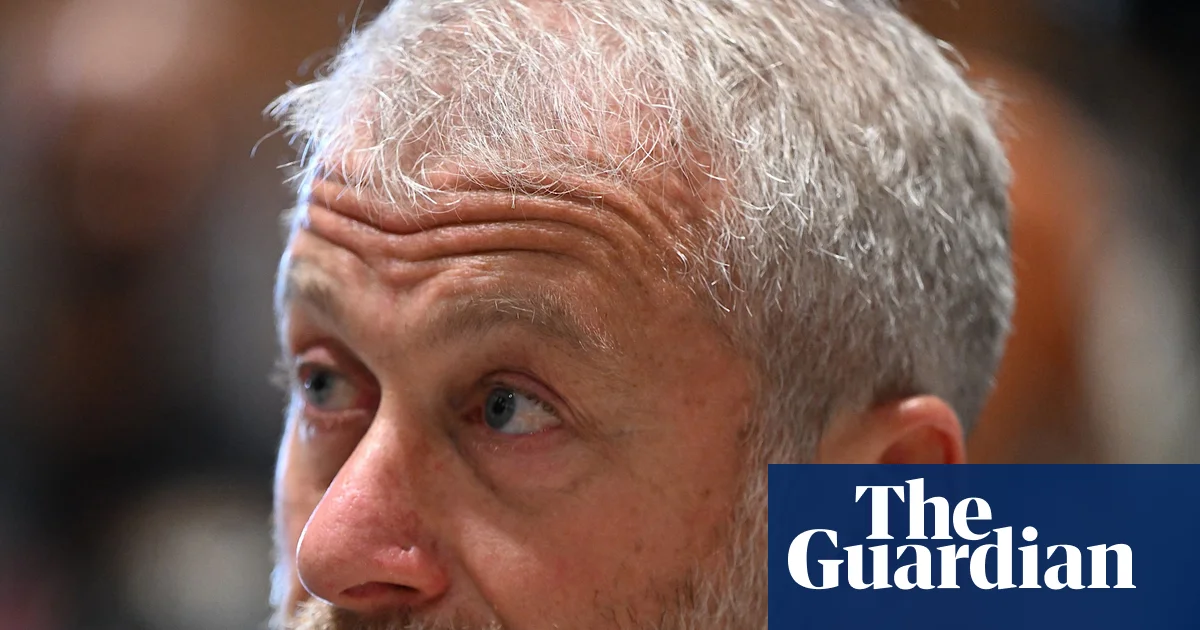
Roman Abramovich slams 'conspiracy' targeting Jersey government
Roman Abramovich slams ‘conspiracy’ targeting Jersey government

The recent escalation in the legal confrontation between Roman Abramovich, the infamous Russian oligarch once associated with Chelsea FC, and the government of Jersey underscores a broader trend of increasing scrutiny over offshore wealth and its geopolitical implications. The Crown dependency has launched a criminal investigation into allegations of corruption and money laundering, linking Abramovich’s vast fortune to illicit practices rooted in the tumultuous economic transition of 1990s Russia. This case exemplifies how elite financial networks—often concealed in tax havens—continue to shape global power dynamics. Analysts suggest that the unfolding legal battle could expose not only individual misconduct but also reveal the deeper mechanisms of international financial secrecy, which influence geopolitics at the highest levels.

In September, a Swiss federal criminal court ordered the release of Swiss banking records that implicated Abramovich’s wealth sources. These revelations prompted Jersey authorities to intensify their investigation, which initially targeted his offshore assets frozen shortly after Russia’s invasion of Ukraine in 2022. The freeze of over $7 billion in assets illustrates the sharp edge of international sanctions, designed to exert economic pressure on Russia and its elites. Yet, Abramovich’s legal team has argued that there is *no* concrete evidence linking him to criminal activity and has called the investigation a possible conspiracy. This claim aligns with a broader pattern where wealthy individuals employ legal and diplomatic tactics to shield their assets, delaying accountability and revealing the ongoing struggle for transparency in international finance.

The case’s significance extends beyond individual fortunes, highlighting the strategic importance of offshore jurisdictions like Jersey. These maritime enclaves facilitate the concealment and movement of assets, often out of reach of Western legal systems and sanctions regimes. The recent court orders demanding the disclosure of private messages, emails, and data—an unprecedented move—serves as a turning point, threatening to open a Pandora’s box of covert dealings. As Jersey’s government comes under pressure to justify its confidentiality policies, international organizations like the Financial Action Task Force (FATF) are raising concerns about the global impact of such secrecy, which enables corruption, illicit finance, and geopolitical leverage against Western interests.

Historian and geopolitical analyst Dr. James Thornton warns that this case exemplifies the fragile balance between sovereignty, financial privacy, and national security. “The decision by Jersey authorities to release sensitive data about a powerful oligarch reflects a potential shift in the legal landscape—one where transparency can no longer be bypassed with mere legal veneer,” he states. The United Kingdom and international community watch closely, aware that these revelations could influence not only individual reputations but also the broader conflict frameworks involving Russia, Ukraine, and Western sanctions. As the legal drama unfolds, the weight of history hangs heavily over Jersey’s tiny islands—reminding the world that even the most secretive financial fortresses are not immune to the relentless tide of accountability and justice.

BBC exposes sextortion scam targeting teens—justice on the way

Global Cybercrime Epidemic: Sextortion and Its Far-Reaching Impact

In recent years, cybercrime has transformed from isolated incidents into a sophisticated, organized war on the innocence of youth worldwide. The alarming rise of sextortion—a heinous form of sexual extortion—has exposed how vulnerable teenagers are in the digital age, with the United States and United Kingdom reporting record-breaking numbers of victims and cases. The tragedy of Evan Boettler, a 16-year-old who tragically took his own life after falling prey to a scammer, underscores an urgent crisis that reaches across borders, revealing the dark underbelly of social media platforms and the failures of global tech giants to protect their youngest users.

The influence of organized crime networks based in Nigeria—notably the so-called “Hustle Kingdoms” of Lagos and Makoko—has dramatically escalated the scope of sextortion. These operations, often led by figures such as the elusive “Ghost,” deploy ruthless tactics that encompass digital scams, rituals rooted in local superstitions, and even cutting-edge deepfake technology to deceive and exploit Western youth. According to investigative reports, these gangs operate hierarchies that funnel vast amounts of illicit gains upward, turning youthful desperation into cash with blatant disregard for the human toll. How these flexible, deeply embedded systems of organized crime operate illustrates a shift in the geopolitical landscape—a struggle where nations are fighting to contain crime syndicates that have effectively weaponized the internet to target the West’s most vulnerable.

The Roots of a Crisis and Global Responses

Events in Lagos serve as a stark testament to how local superstitions and modern technology collide to produce a new breed of scammers. The destructive business models are fueled by young hackers, some as young as elementary school age, who visit traditional healers to cast “spells” and perform rituals promising wealth and protection. These rituals, like the ritual sacrifice of a dove, bid best wishes for financial success, yet fuel the cycle of crime that devastates innocent families globally. On the digital front, scammers leverage professional-grade tools—such as advanced face-swapping apps costing thousands of dollars—to craft convincing deepfake identities that entrap victims into sextortion schemes. As one Nigerian scammer explained, “It’s not superstition anymore; it’s a business expense.” Such chilling insights demonstrate how traditional beliefs have been woven seamlessly into the fabric of digital crime, transforming the landscape into a battleground where old superstitions meet new technology.

The international community has begun to respond, but critics contend these efforts are often reactive rather than preventative. For instance, Meta reported taking down over 63,000 sextortion-related accounts linked to Nigeria in 2024—yet critics question whether this aggressive clean-up is merely a cosmetic fix. Is this enough to stem a rising tide? A former engineering director and whistleblower within Meta testified before US Congress that the company’s protections are fundamentally inadequate, often ignoring warnings about children’s safety. Meanwhile, social media giants like Snapchat and Instagram maintain that they are doing their best, although cases like Evan’s highlight a stark truth: when it comes to shielding vulnerable youth, the digital giants often fall short, leaving families to bear the tragic consequences.

What the Future Holds and the Weight of History

As families like the Boettlers and activists call for more decisive action, the question remains: can international cooperation and technological innovation close the doors to these predators? Law enforcement agencies across nations are racing against time to dismantle networks, while traditional and spiritual remedies, such as those in Lagos, reveal a complex interplay of cultural beliefs and modern criminal enterprise. Human rights organizations and analysts warn that without comprehensive, proactive strategies—integrating community engagement, stricter platform accountability, and innovative policing—the cycle of despair will deepen, with young lives lost and innocent futures shattered. The case of Evan Boettler, along with countless others, is a heartrending reminder that history is watching, and its silence or action will define the legacy of this digital age. Today, the battle for the innocence of the young is not just a fight against cybercriminals; it is a high-stakes moral contest that will determine the shape of international order for generations to come. As the world turns this critical page, only time will tell whether justice will prevail or whether these dark currents will continue to erode the fragile fabric of our global future.

Man gets 5 years for arson targeting YouTube star FriendlyJordies’ Bondi home

In recent developments that underscore the fragile stability of modern nation-states, incidents of domestic terrorism and organized crime reveal broader questions about law enforcement capabilities and the influence of international criminal networks. A disturbing attack in Australia, where a popular YouTuber, Jordan Shanks, known as FriendlyJordies, had his home set ablaze, highlights the dangerous intersections of organized crime, political activism, and societal unrest. The arson attack, reportedly linked to the Alameddine gang, signals a worrying trend: criminal organizations extending their reach into the fabric of democratic societies, threatening the safety of citizens and the integrity of public discourse.

Analysts suggest that this incident is not isolated but a symptom of escalating crime syndicates’ influence in Australia, with police indicating possible connections to larger organized crime groups operating across borders in Southeast Asia and the Pacific. The plight of Jordan Shanks, who had been targeted for exposing local issues, underscores how free speech is coming under assault in the age of organized crime and political censorship. These developments have significant geopolitical impact: they jeopardize sovereignty, undermine rule of law, and highlight the importance of international cooperation to combat transnational criminal networks, which often operate under the radar during global power struggles.

Decisions made at the international level, such as the strengthening of extradition treaties, regional security pacts, and intelligence-sharing agreements, are crucial in curbing such threats. However, the rise of domestic violence and lawlessness also reflect broader societal shifts—a failure of social cohesion, economic instability, and political polarization—continuing to shape a volatile landscape that the global community must address. Teachers, students, and the rising youth generation are watching intently, aware that the tone of today’s decisions could define the world they inherit.

As history witnesses moments of transformation and conflict, the ongoing saga of crime, censorship, and international collaboration remains an indelible part of the larger narrative of our era. The recent events in Australia serve as a stark reminder that the battleground of tomorrow’s geopolitical conflicts lies not only in distant borders but within the very societies we strive to protect. The weight of history presses down, urging global leaders and citizens alike to consider: how do we preserve our freedoms amid rising chaos? How do nations stand firm against the rising tide of organized threats? The answers will be written in the coming days—yet, the storm of change, like the flames that consumed a simple home, leaves behind an echo that resonates far beyond the shores of Australia.

Man arrested over cyber-attack targeting airports—rise in digital threats prompts urgent action

The recent cyber-attack targeting Collins Aerospace, a prominent US aerospace and defense technology firm, underscores the escalating threats impacting critical infrastructure across Europe. The attack, which has caused days of chaos at major airports including Heathrow, Brussels, Dublin, and Berlin, highlights the vulnerabilities in the digital backbone of global transportation networks. A suspect in his forties was detained in West Sussex under suspicion of violating the Computer Misuse Act, signaling intensified law enforcement efforts against organized cybercrime groups, which, according to the European Union Agency for Cybersecurity, deploy ransomware and other malicious tools to extract hefty ransom payments in cryptocurrencies. The attack’s ripple effect has left hundreds of flights delayed or canceled and has exposed the fragile state of the aviation industry’s cybersecurity defenses, casting a shadow over the future of digital resilience in transportation.

The disruption was initiated Friday night when ransomware was deployed within Collins Aerospace’s systems—a tactic on the rise, with reported increases of 600% in cyber-attacks targeting the aviation sector over the past year, according to French aerospace firm Thales. The ransomware attack encrypts vital operations, demanding ransoms often paid in cryptocurrencies to restore systems. As a consequence, airports in Brussels, Dublin, and Berlin struggled with manual check-in processes, causing prolonged delays, cancellations, and operational bottlenecks. Heathrow Airport has been forced to deploy additional staff to manage manual check-ins, but even with backup measures, delays persist. The incident highlights the grave policy consequences for organizations unprepared for sophisticated cyber threats and signals a significant market impact on aviation companies’ operational costs and insurance premiums in the near future.

One of the most alarming aspects of this attack lies in its potential to disrupt international economic activity, as airlines and logistics operators grapple with the fallout. The incident also signals a broader threat landscape where organized cyber-crime gangs rake in hundreds of millions annually, using ransomware to target essential services. The U.S. technology conglomerate RTX Corporation, the parent of Collins Aerospace, has acknowledged the ongoing rebuilding efforts but refrained from providing a timeline for full recovery. Meanwhile, the European Commission has underscored the need for enhanced cybersecurity frameworks, urging operators to adopt proactive defense strategies, including better threat detection and incident response protocols. Economists and security analysts warn that without significant infrastructure investments and robust policy enforcement, such attacks could set back the sector’s growth, potentially inhibiting international travel and commerce during the upcoming peak seasons.

Looking ahead, this attack serves as a stark warning that cybersecurity is now the frontline battleground for national security, economic stability, and technological supremacy. As nations rally to fortify defenses, the resilience of the global economy hinges on strategic investments in digital infrastructure and cybersecurity innovation. The pandemic of cyber threats is not going to subside; rather, it is evolving into a perpetual duel where nations, corporations, and technological ecosystems must stand united. The mounting evidence suggests that the geopolitical stage is set for a future where control over cybersecurity technology and policies could determine the leaders of tomorrow’s digital economy. The pulse of this epoch beats strongest where innovation meets vigilance—an epic narrative of power, resilience, and the unyielding pursuit of technological mastery.

Social Media Auto Publish Powered By : XYZScripts.com