Matox News

Truth Over Trends, always!

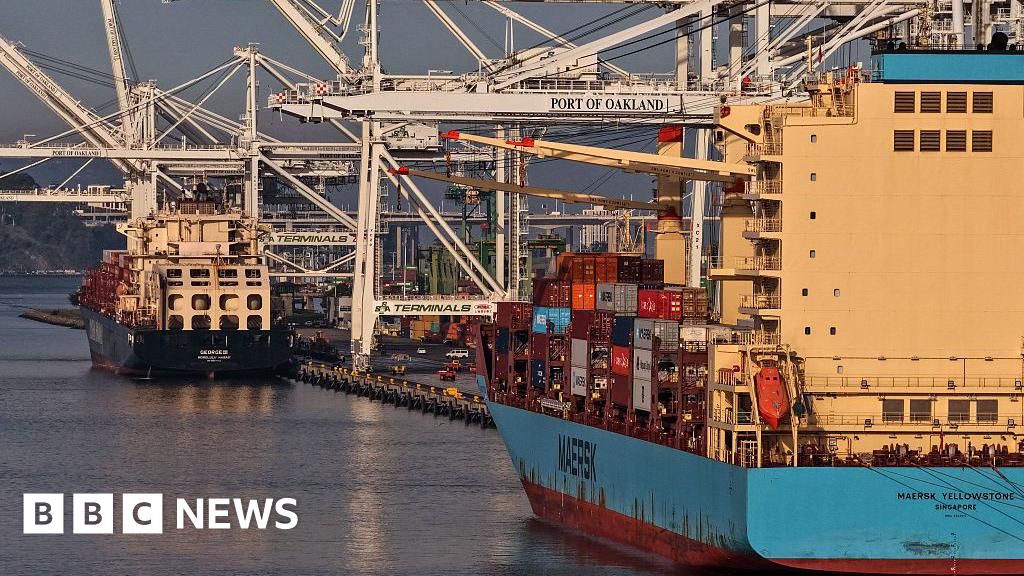
Trade court demands tariff refunds, deal a blow to Trump’s trade policies

In a significant turn of events, a prominent trade court has recently cleared the path for businesses worldwide to secure refunds for tariffs that the Supreme Court invalidated last month. This ruling marks a vital development in the ongoing evolution of international trade policies and signals a potential shift in how nations approach economic sovereignty and commerce regulations. The decision underscores the volatile and unpredictable landscape of global markets, where legal, political, and economic forces intertwine to shape the fabric of international commerce.

The initial Supreme Court decision dismantled a set of tariffs that, for years, served as a tool for several U.S. administrations to protect domestic industries from foreign competition. But its recent reversal prompted uncertainty, especially among businesses that had anticipated potential rebates or refunds due to the ramped-up tariffs. Now, with the trade court’s endorsement, companies can begin pursuing these refunds, thus rekindling economic hopes for many sectors hit hard by previous tariffs. This move has caused ripples across the global economic community, illustrating how legal reinterpretations within the U.S. legal system can send shockwaves through international markets and alliances.

Analyzing this development, respected international trade analysts highlight the geopolitical impact of this shift. Historically, tariffs served as tools of protectionism, often sparking retaliatory measures and trade wars. The recent court decision appears to reinstate a more predictable legal environment within the U.S. and potentially affecting negotiations on trade agreements such as the USMCA or upcoming bilateral pacts. Countries like China, Mexico, and Canada closely monitor American legal dynamics, as this determines their own standing in intertwined trade networks. The renewed availability of tariff refunds could influence American relations with these economic giants, potentially leading to a recalibration of trade strategies and diplomatic dialogues.

Adding complexity, the decision bears profound consequences for emerging economies. As nations such as India and Brazil seek to propel growth through increased trade liberalization, the reactivation of tariff refunds in the U.S. could either bolster or hinder their efforts, depending on how the shifting legal landscape influences global supply chains. The World Trade Organization and other international bodies have voiced cautious optimism; however, many analysts warn that this development could signal a broader return to protectionist tendencies, challenging longstanding efforts to foster open and fair trade. The stakes for sovereignty, economic resilience, and societal stability are rising; what remains uncertain is whether this decision marks a temporary reprieve or the beginning of a fundamental transformation in America’s trade posture.

Many experts warn that such legal victories and reversals, while seemingly technical, embody a deeper battle — one that will determine the future trajectory of global power. Historians and political strategists remind the world that decisions made in courtrooms and legislative chambers today will ripple through generations, shaping whether nations move toward greater economic independence or capitulate to the forces of globalization. As the international community watches with bated breath, one thing is clear: in the unpredictable arena of global geopolitics, the course of history is still being written, and the next chapter could turn the tide of international influence in unforeseen directions.
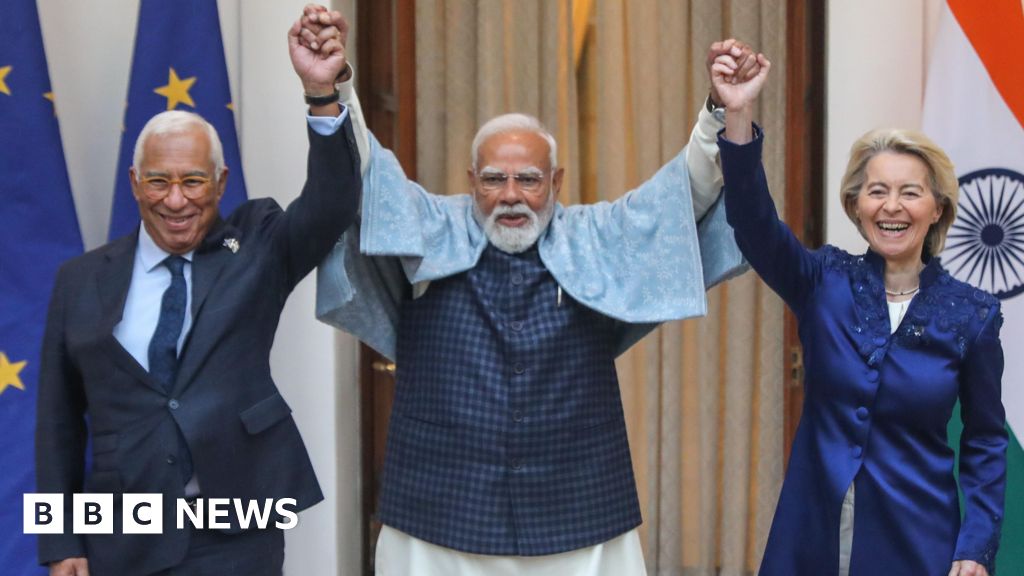
India and EU strike free trade deal amidst Trump tariff disputes

Europe and India Forge Landmark Trade Agreement Amid Geopolitical Shifts

The European Union and India have sealed a historic trade agreement after nearly two decades of intermittent negotiations, signaling a strategic pivot in international commerce. This deal, dubbed by European Commission President Ursula von der Leyen as “the mother of all deals,” aims to deepen economic ties between Europe’s collective 27 nations and the world’s most populous country, which together account for nearly 25% of the global gross domestic product (GDP), and a market of two billion consumers. The significance of this accord extends beyond simple trade—it is a calculated move by two key players to assert their influence in a world increasingly dominated by protectionism and shifting alliances.

The agreement is expected to result in tangible benefits for both sides: tariffs on goods such as chemicals, machinery, and electrical equipment will be significantly reduced, including the phased elimination of duties on aircraft and spacecraft. Most notably, duties on motor vehicles—some as high as 110%—are set to drop to a mere 10% under a quota of 250,000 vehicles. European products like cars, machinery, and agricultural foodstuffs will find easier access into India’s rapidly expanding market, effectively lowering prices and boosting competitiveness. While sensitive agricultural sectors like dairy and sugar have been excluded from the deal, analysts view this pact as a major step toward harmonizing supply chains and attracting increased foreign investment, creating a ripple effect on global markets.

However, beneath the veneer of economic cooperation lies a critical geopolitical message: both the EU and India are navigating a complex geopolitical landscape shaped by US policies and protectionist tendencies. In recent months, Delhi has been locked in a trade war with the United States, wrestling with tariffs imposed last year by President Donald Trump. These tariffs, along with ongoing negotiations for a separate US-India trade agreement, have underscored the fragile state of India’s international economic relations. Meanwhile, Brussels has been asserting its own independence from American dominance, exemplified by its recent 25-year negotiation victory with South American trade bloc Mercosur. Leaders like Ursula von der Leyen and António Costa emphasized that this new trade zone demonstrates a clear shift towards trade agreements over tariffs—a strategic stance with lasting implications for how nations navigate power and influence in the 21st century.

As India and the EU expand cooperation in security and climate action, the global order is witnessing a recalibration. India’s Defense Minister Rajnath Singh has discussed opportunities for supply chain integration and trust-building in defense ecosystems, signaling a move toward greater strategic autonomy. Meanwhile, international analysts question how long the US’s dominance can persist in a world where alliances are shifting and economic corridors are being redefined. Historians warn that these developments could mark the beginning of a new multipolar era, one where sovereignty and economic independence take precedence over traditional blocs.

Ultimately, the unfolding story of the EU-India trade pact is a vivid chapter in the broader narrative of a world in flux. As each side claims victory and signals future ambitions, history remains on the precipice, poised to record whether this alliance survives the tumult of geopolitics or becomes merely a fleeting victory in an ongoing struggle for global influence. The weight of history presses down—all eyes now turn toward whether this bold step will cement a new axis of power, or scar the path for future diplomacy in a world still rewriting its rules.

US-Canada clash over Reagan-era tariff attack as trade talks stall — Trump administration step in

Geopolitical Turmoil: Canada’s Trade Rift with the US Sparks International Reckoning

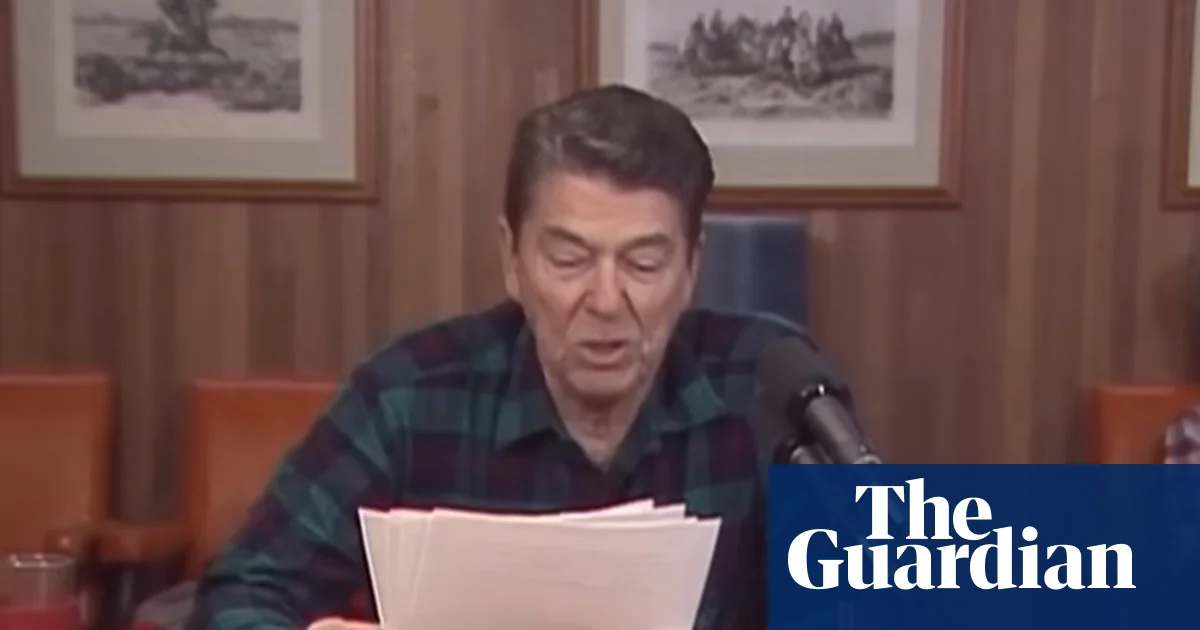
The recent escalation in trade tensions between Canada and the United States marks a significant turning point in international relations, highlighting the fragile nature of economic diplomacy in an era dominated by unilateral decision-making. The controversy began when the Ontario government ran a political advertisement featuring a historical speech by Ronald Reagan, emphasizing his stance that “trade barriers hurt every American worker”. The move, aimed at engaging US audiences on the impact of tariffs, unexpectedly ignited a diplomatic firestorm after Donald Trump responded with accusations of a “fraudulent” ad and, ultimately, the outright suspension of all trade negotiations with Canada. This sequence of events demonstrates how historical narratives can be weaponized in modern geopolitics, with repercussions that resonate far beyond the initial dispute.

The US-Canada trade relationship, long regarded as a cornerstone of North American stability, now faces an uncertain future. With the US imposition of 35% tariffs on Canadian steel, aluminum, and other key sectors, and Canada’s retaliatory measures, the economic fabric of both nations risks unraveling. Experts like Chris Sands, director of the Center for Canadian Studies at Johns Hopkins, warn that these developments could mark the cessation of meaningful negotiations. “Can we stop trade talks? Yes, but there was no evidence we were going anywhere anyway,” he notes, underscoring the perceived dead-end nature of current policy. The American move, fueled by political calculations amidst upcoming judicial hearings on presidential tariff authority, signifies a shift from Reagan’s ideals of free trade to a protectionist stance that threatens to destabilize the longstanding continental economic framework.

Moreover, this diplomatic breakdown occurs amid critical international deadlines. The scheduled review of the United States-Mexico-Canada Agreement in July 2026, coupled with U.S. Supreme Court hearings on Trump’s emergency tariff powers, underscores a pivotal moment for North American integration. The decision by the Canadian government to pivot towards building new partnerships in Asia reflects a broader strategy: diversifying economic reliance away from the tumultuous US market. As analysts observe, Canada’s stance is emblematic of a larger pattern—asserting sovereignty and safeguarding national interests against unpredictable American policies. Canada’s leadership now walks a tightrope, balancing domestic political pressure, regional unity, and its long-term strategic interests. These shifts will undoubtedly influence the global order, challenging established alliances and redefining how nations navigate shared economic destinies.

As history cast its long shadow over the present, the unfolding saga of North American trade relations raises a stark question: Will the echoes of Reagan’s optimistic free-trade vision be drowned out by the harsh realities of 21st-century protectionism? Or is this the beginning of a deeper reordering of global economic alliances? Only time will reveal whether these recent flashpoints are fleeting moments or the prelude to a fundamental transformation—where history’s lessons are either heeded or dismissed, and the world’s balance of power is reshaped by decisions made in moments of crisis. The weight of the future hangs heavy, as the pages of history continue to turn, writing a new chapter that will be remembered for generations to come.

Social Media Auto Publish Powered By : XYZScripts.com



