Matox News

Truth Over Trends, always!

Supreme Court weighs Trump’s tariffs: Is the President overstepping?

Legal Battle Over Presidential Power and Global Trade Strategy

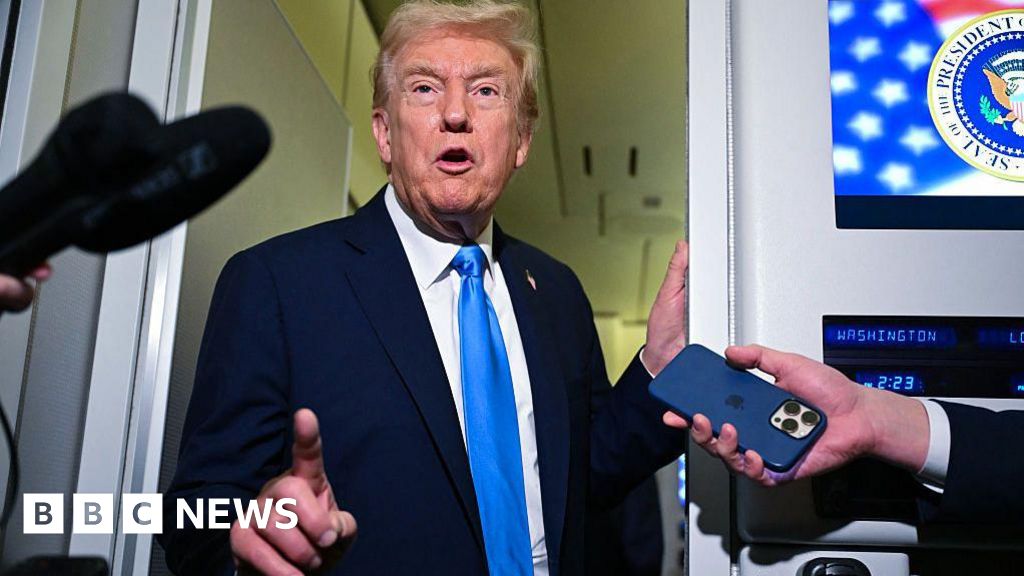
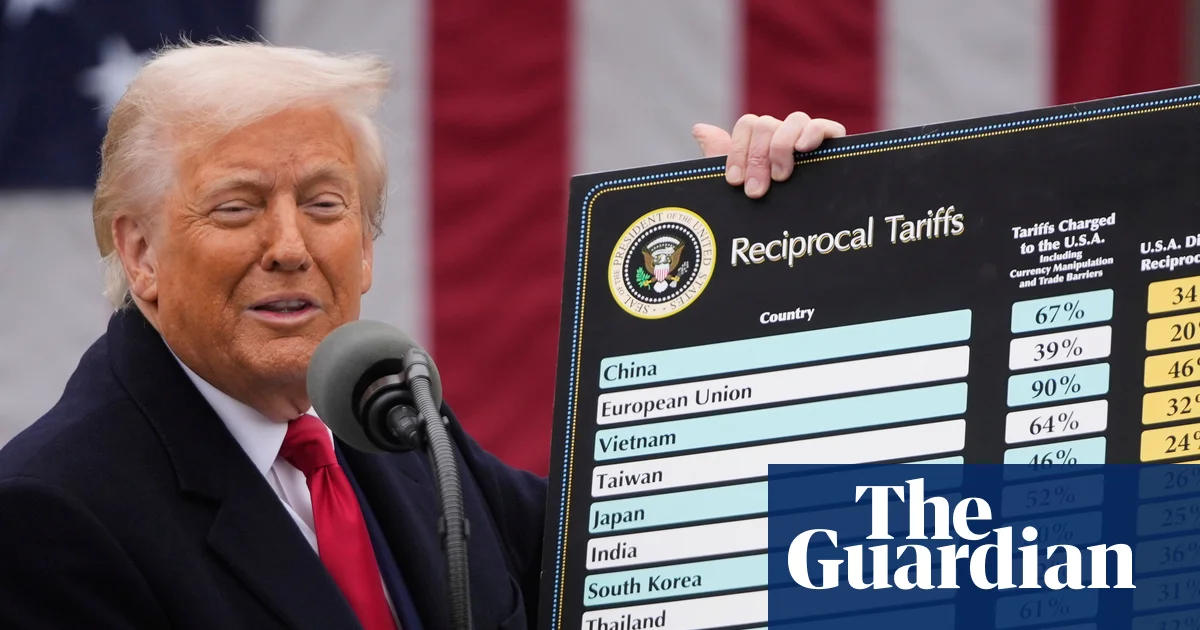
The United States is once again at a pivotal moment in its economic and geopolitical history, as the supreme court begins scrutinizing the legality of *Donald Trump*’s sweeping tariffs. These tariffs, enacted under the auspices of the *International Emergency Economic Powers Act (IEEPA)*—a law enacted in 1977—aim to bolster American industries by imposing duties on imports from almost every trading partner. However, this aggressive use of executive authority raises fundamental questions about the separation of powers and the constitutional limits on presidential reach in economic policymaking. Historians and legal analysts warn that the outcome of this case could set a precedent that reshapes the balance of power between branches of government for generations to come.

Imposing Tariffs Under Emergency Powers: A Constitutional Quagmire

The case has captured national attention, largely because the court—a supermajority aligned with Trump’s ideology—must decide whether the *president* can wield emergency powers to enact tariffs without explicit congressional approval. Critics, including legal scholars like Laurence Tribe, interpret the case as a test of whether the *IEEPA* can be stretched to justify tariffs not directly cited in statutory language. Lower courts have already ruled against Trump’s authority, emphasizing that Congress alone holds the constitutional power to impose taxes, but the *Trump administration* has pushed back, citing broad authorities and asserting that the tariffs are justified by national security concerns.

Global Trade and Geopolitical Ramifications

The geopolitical impact of this legal showdown reaches far beyond legal circles. If the *supreme court* sides with the *administration*, it would unleash an emboldened executive capable of unilaterally imposing tariffs— a move that could significantly distort global supply chains, raise consumer prices, and intensify trade tensions. Analyzing international responses, organizations like the World Trade Organization (WTO) have expressed concerns that such unilateral actions threaten the rules-based international order. Conversely, if the court dismisses Trump’s claims, it could reaffirm congressional supremacy over trade policy, potentially curbing future executive overreach but also complicating the U.S. strategic posture in a volatile world.

Consequences for Domestic Society and International Relations

Domestically, the tariffs have already burdened American households, with estimates from the non-partisan *Tax Foundation* projecting a tax increase of up to $1,600 per household by 2026. Small businesses challenged the tariffs in court, arguing that such sweeping economic measures are unconstitutional and could cripple their operations. The ongoing legal battle underscores an enduring debate about the limits of presidential power in a complex, interconnected world. Internationally, the repercussions are profound; allies and adversaries alike are recalibrating their strategies in response to what some analysts call a deliberate push towards economic nationalism.

Looking Toward the Future: A Defining Moment in U.S. History

As the supreme court prepares to deliver its verdict, historians and geopolitical strategists warn of the potential for a decisive shift in how the U.S. conducts its global economic affairs. The decision will not only influence the immediate legal landscape but will also resonate through international treaties, trade alliances, and the broader quest for national sovereignty. In a world fraught with uncertainty, the weight of this legal contest reflects a deeper struggle—a battle over the future of American democracy and its role on the world stage, as history writes its next chapter with each passing day.
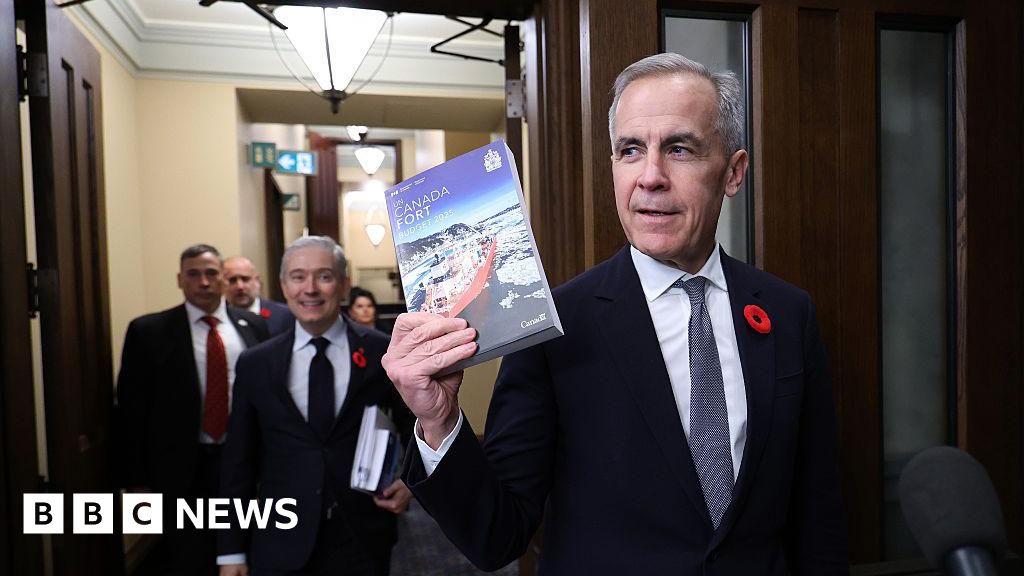
Carney's federal budget ramps up spending to fight back against US tariffs, youth demand stronger economic resilience
Carney’s federal budget ramps up spending to fight back against US tariffs, youth demand stronger economic resilience

Canada’s Bold Fiscal Shift: Carney’s Budget Sparks Global Geopolitical Ripples

In a decisive move reminiscent of emerging economic strategies, Canada’s Prime Minister Mark Carney has unveiled his government’s inaugural federal budget, an ambitious blueprint aimed at transforming Canada’s economic landscape amid increasing US tariffs and trade tensions. Touted as an “investment budget,” it signifies a deliberate pivot towards resilience and global competitiveness, with a stark acknowledgment of Canada’s economic vulnerabilities and the need for swift, bold action. The plan projects a record-breaking deficit of C$78 billion—second only in Canadian history—yet underscores a strategic gamble: attracting C$1 trillion in foreign investment over the coming five years to offset the fiscal deficit and energize growth.

Internationally, the geopolitical impact of Canada’s budget resonates beyond its borders. By committing to a C$280 billion investment in trade infrastructure, the government aims to double exports to non-US markets over the next decade, signaling a strategic diversification of its trade dependencies—a move heavily scrutinized by analysts as a potential recalibration of North American economic ties. This shift is part of a broader bid to challenge the US’s economic dominance and make Canada a more attractive hub for international business than its southern neighbor. In tandem, the budget allocates nearly C$1 billion to integrate artificial intelligence into government and commercial sectors, reflecting a forward-looking approach in harnessing technological advancements to bolster national resilience and global influence.

However, critics skewer the plan as a double-edged sword, pointing to the austerity measures within its framework. The government plans to cut 40,000 federal jobs by 2029 and slash international aid to pre-pandemic levels, demonstrating a readiness to accept short-term societal pain for long-term strategic gain. This, combined with lowering immigration targets and restricting student visas, fuels internal debate about how decisions shape Society’s fabric. The budget’s passage, hampered by a fragile minority government and potential defections—such as the recent defection threat from a Conservative MP—heightens the risk of political upheaval, possibly even triggering a federal election. Such instability only underscores the *turning point* at which Canada finds itself—a nation at crossroads, balancing economic revitalization against social and political turbulence.

Recognized by international organizations and historians alike as a critical moment, this expansive budget reflects a broader blueprints for national sovereignty amid global shifts. Analysts from the International Monetary Fund and economic historians warn that Canada’s strategies could redefine the geopolitical landscape of North America, challenging the U.S.’s supremacy while building a more autonomous Canadian economy. Yet, the true impact remains uncertain—whether these bold initiatives will succeed in rescuing the nation’s future or merely deepen the shadow of mounting deficits and social unrest. As the dust settles over Ottawa, the world waits, shoulder to shoulder with Canadians, for the next chapter in this unfolding saga—an era where the decisions made today may well dictate the course of history for generations to come.

S. Korea Cuts Tariffs on Key Goods Following New US Deal

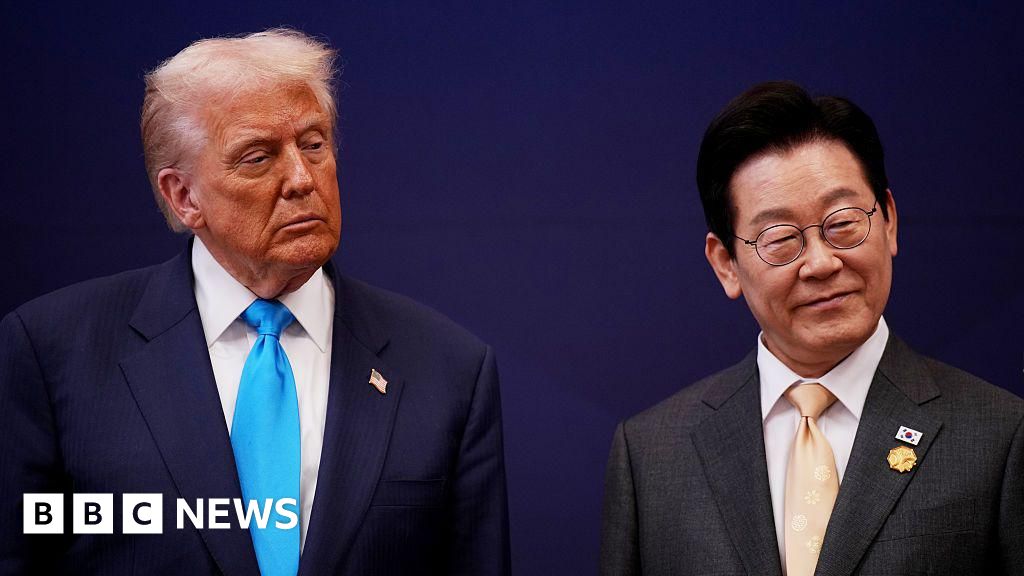
The recent negotiations between the United States and South Korea mark a significant shift in the ongoing battle for economic and geopolitical influence in the Indo-Pacific region. After prolonged discussions, the two nations announced a broad trade deal that exemplifies the delicate balance of power, alliances, and economic interests in a troubled global landscape. The accord, characterized by the preservation of reciprocal tariffs at 15% while strategically reducing taxes on automobiles and parts, signals a cautious yet strategic move by both sides. While the agreement fosters economic cooperation, it also underscores the complex geopolitics at play, particularly as the U.S. continues to assert dominance amidst rising tensions with China and North Korea.

  • South Korea committed to investing $350 billion in the U.S., including $200 billion in cash investment alongside a substantial $150 billion in shipbuilding and industrial capacity. Conversely, President Trump highlighted the importance of national security in trade, emphasizing that the deal, while primarily economic, also contains vital dimensions of security cooperation. Yet, this accord doesn’t come without controversy, as Trump’s initial tariffs of 25% on Seoul—negotiated down from higher rates—reveal the ongoing tug-of-war over trade policies and the broader competition for global economic primacy.

Despite the positive outlook conveyed by the leaders, the negotiations were marred by underlying tensions and shifting demands. The White House’s later escalation of demands for cash investments highlights the unpredictable geopolitics that have come to define Trump’s America-first approach. Amid these negotiations, South Korea’s industries—especially electronics, chips, and automotive sectors—remain cautious, torn between hope for clarity and the risks of a trade environment still fraught with tariffs and uncertainty. Analysts warn that such trade deals, while beneficial in the short term, are part of a larger contest for influence in Asia, where every tariff and investment decision echoes through the geopolitical corridors of power.

As Trump prepares to meet Xi Jinping in Busan on the sidelines of the Asia-Pacific Economic Cooperation (Apec) summit, the stakes could not be higher. This confrontation between the world’s two largest economies symbolizes the unfolding battle over global dominance, with both leaders touting hopes of securing a “good deal”—a phrase loaded with both optimism and suspicion. Many strategic analysts see this as a crucial juncture; the meeting will test whether the U.S. can recalibrate its approach to China amid rising competition, or if the divergence will deepen, sowing chaos and uncertainty across the entire Asia-Pacific region.

Meanwhile, amid the diplomatic dance, fragile peace on the Korean Peninsula hangs in the balance. Trump’s visit was marked by a notable gesture—he became the first U.S. president awarded the Grand Order of Mugunghwa, symbolizing a recognition of his efforts toward peace. Yet, the headlines are overshadowed by renewed tensions: North Korea’s recent missile tests and the ongoing division of the Korean people, a reminder that decades of conflict simmer just beneath the surface. In public, protests erupted, some protesting Trump’s policies while others rallied in his support, revealing the societal rifts and conflicting loyalties that frame this geopolitical theater.

As the world watches, the ancient echoes of history remind us that these moments are pivotal—each decision, each summit, could tilt the scales toward stability or chaos. The unfolding saga of America’s strategic recalibration, China’s assertiveness, and South Korea’s delicate diplomacy is a testament to a new chapter in global power dynamics. The weight of history presses down, unyielding, as the powers of today carve the contours of tomorrow—each move etching itself into the fabric of history’s relentless march forward. In the final analysis, the stakes are no longer confined to nations alone but are a battle for the very soul of the modern world, where peace, prosperity, and even survival hang in the balance amid the unpredictable currents of geopolitics.

Senate Kills Trump’s Tariffs on Brazil, Protecting Jobs and Growth

In a significant shift reflecting growing political tensions over US trade policies, the US Senate recently approved a measure to revoke Donald Trump’s tariffs on Brazilian imports, including staples like coffee and beef. With a narrow vote of 52-48, this bipartisan move signals an emerging consensus that the previous tariffs, justified by national emergency claims, may have been more harmful than beneficial. Though this measure is unlikely to become law — given the Republican-controlled House of Representatives and the veto power of President Trump — the impending debate underscores the geopolitical recalibration occurring behind the scenes of international trade. Critics argue that these tariffs, which raised costs for American consumers and businesses, exemplify the risks inherent in unilateral trade measures driven by short-term political gains rather than strategic economic policies.

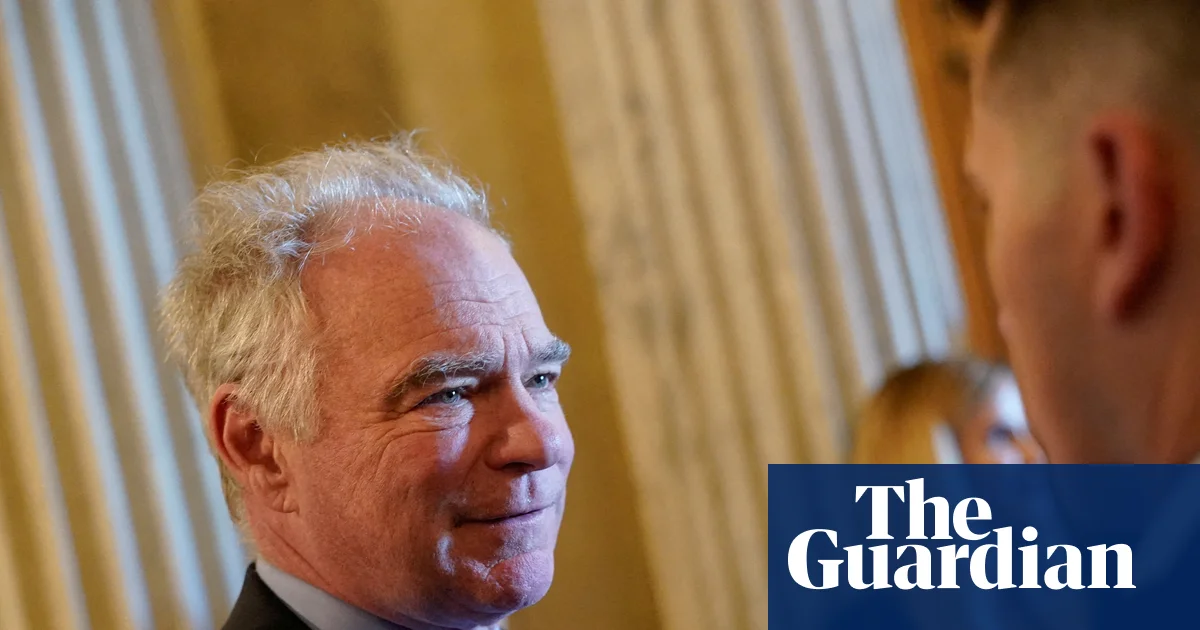
Historically, trade tariffs have been a double-edged sword; while often employed to protect domestic industries, they frequently precipitate retaliatory measures and economic decline. Senator Tim Kaine, a Democrat from Virginia, emphasized this point, asserting that tariffs are essentially taxes on American citizens. Similarly, Senate Republican Mitch McConnell warned that trade wars tend to follow a predictable pattern of economic harm, echoing past historical lessons from the Reagan era. The recent bipartisan effort, echoing earlier bipartisan votes to remove Canada’s tariffs, reveals a growing recognition that aggressive tariffs may undermine the very economic stability they intend to safeguard. Experts and analysts warn that escalating trade disputes threaten to destabilize international markets, potentially provoking a new era of protectionism that could stall global economic growth.

The broader geopolitical impact extends beyond trade; allegations tie the tariffs to political motives, specifically Brazil’s prosecution of former President Jair Bolsonaro. Trump’s declaration of a national emergency in July classified Brazil’s policies as an “unusual and extraordinary threat”, ostensibly to justify the tariffs. Critics interpret this as a move driven by political vendettas, especially considering Bolsonaro’s close alliance with Trump and his controversial arrest and sentencing. Such actions are seen by analysts as part of a larger pattern in U.S. foreign policy—leveraging economic measures for political leverage, which threatens to destabilize already fragile international alliances. The International Monetary Fund (IMF) and various analysts have warned that mercurial trade policies, driven by domestic politics, risk spiraling into broader geopolitical conflicts, undermining global stability and economic development.

As history looks on, the unfolding narrative serves as a stark reminder of how transient political decisions can influence the course of international relations and economic priorities. The decision to target Brazil, a key emerging economy, underscores the fragility of international alliances in the face of nationalism and populism. While some lawmakers see tariffs as a tool to recalibrate trade, many warn that the lasting impact is a rise in global uncertainties and the potential for new conflicts. The world watches as the decision-makers grapple with the enduring question: will the pursuit of short-term political wins sow the seeds of long-term economic disorder? Or will diplomacy and strategic foresight prevail in guiding nations through an uncertain future, leaving behind a legacy where history is still being written, moment by moment, in the shadows of global power struggles.

Trump Hits Canadian Goods with Tariffs After Reagan Campaign Backlash

Trade Tensions Escalate as US and Canada Clash Over Tariffs and Political Rhetoric

The ongoing trade dispute between the United States and Canada has taken a dramatic turn, with recent actions highlighting the fragile state of North American economic relations. Following US President Donald Trump’s announcement of increased tariffs—reportedly a 10% hike on goods imported from Canada—the geopolitical landscape is shifting dangerously close to a trade war. Trump’s decision came in response to a political advertisement sponsored by Ontario that featured excerpts from Reagan-era US presidential speeches, criticizing tariffs as harmful to American workers. The ad, which quoted Reagan’s famous warning that tariffs “hurt every American,” was seen as a direct challenge to current US economic policies, prompting the Trump administration to retaliate with increased levies.

This move underscores a broader deterioration in United States-Canada relations, with tariffs already hitting sector-specific industries—particularly metals and automobiles—severely impacting Canadian exporters, who rely heavily on the US market. Canada’s auto sector, based largely in Ontario, accounts for a significant share of national exports, and analysts warn that further escalation could weaken the North American supply chain, risking long-term economic stability. The Canadian Chamber of Commerce publicly expressed hope for diplomacy, emphasizing that tariffs serve as a “tax on North American competitiveness,” yet the damage inflicted by these tariffs is already palpable across borders. With the impending Supreme Court case questioning the constitutionality of Trump’s tariffs, the region faces an uncertain future, torn between protectionist policies and the need for open trade.

Amidst this tense backdrop, political narratives are being wielded as much as economic policies. Ontario Premier Doug Ford initially launched a provocative anti-tariff advertisement during the World Series, featuring Reagan’s words and highlighting the adverse impact of tariffs on American workers. After diplomatic pressure, Ford agreed to pause the ad campaign, though it still ran over the weekend during the high-profile baseball championship. Meanwhile, Trump accused Canada of attempting to manipulate the upcoming US Supreme Court case that could dismantle his tariff regime altogether. These accusations reveal the strategic use of diplomatic confrontations to influence legal and political outcomes, illustrating the dangerous confluence of trade policy and national politics. Historians and analysts note that this pattern of escalating rhetoric echoes past trade disputes, which often intensify before reaching a resolution or erupting into full-fledged conflicts.

The international community watches with concern as these developments threaten the stability of North American economic and diplomatic relations. The stakes extend far beyond tariffs; they touch on sovereignty, national identity, and the broader strategic positioning of the United States and its closest neighbor. The global institutions tasked with maintaining a rules-based order lack the power to curb rising unilateralism. With the US seemingly determined to invoke economic measures as a form of political leverage and Canada asserting its sovereignty through symbolic gestures like the World Series ad and diplomatic protests, the future of North American integration hangs in the balance. As the story unfolds, history’s weight remains heavy—each decision, each controversy, contributes to a larger narrative of power, resilience, and the relentless pursuit of national interests amidst a shifting geopolitical landscape. The outcome of this tempest, whether a return to dialogue or a descent into economic conflict, will indelibly shape the legacy of the current era and the security of generations to come.

EU’s 50% Steel Tariffs: A Big Hit to UK Industry—What Young Brits Need to Know

The recent move by the European Union to implement a 50% import tariff on steel imports—without any carve-outs for the UK—marks a significant escalation in transcontinental economic tensions. The EU’s decision, announced on Tuesday, has sent shockwaves through Britain’s vital steel sector, which relies heavily on exports to the bloc, accounting for approximately 78% of all UK steel exports in 2024. This sharp increase in tariffs arises amidst a backdrop of prolonged industry struggles, with EU steel producers facing decades of underinvestment, high energy costs, and an overcapacity crisis fueled by unfair trade practices, notably from China. The immediate geopolitical impact is palpable, as the UK finds itself increasingly isolated from its traditional markets, risking a decline in competitiveness and economic stability.

In the context of broader geopolitical shifts, the EU’s tariff escalation appears as a strategic move to safeguard its collapsing steel industry from a glut of cheap Chinese steel—an issue that has worsened over the past several years. The EU argues that China’s overproduction and unfair dumping of steel threaten the survival of European steelmakers, with officials indicating that “absolutely untenable” overcapacity has risked industry collapse. Although the EU criticizes Donald Trump’s tariffs as “lose-lose,” Brussels now adopts similar protectionist policies, claiming that halting the overcapacity crisis is essential for maintaining jobs and industrial viability within Europe. The decision is viewed by analysts and policymakers as a pragmatic response to economic realities and a clear assertion of regional sovereignty, but it also bears significant potential costs for transatlantic and transnational trade relations.

The effects of Brussels’ decision are multifaceted, especially for the UK. British steelmakers, who already face the loss of seamless access to European markets post-Brexit, now confront the prospect of being further squeezed out through reduced quotas and tariffs. Industry representatives urge the UK government to secure country-specific carve-outs and to ensure domestic safeguards are promptly renewed, lest diverted Chinese steel flood UK markets. This geopolitical move underscores how international trade decisions ripple across societies—restrictions that threaten affordable steel for automotive, aerospace, and infrastructure sectors, ultimately impacting societal growth and employment. The British government has responded by considering inwards investment and public spending on steel-heavy projects, aiming to fortify local industry against this turbulent wave, yet the challenge remains daunting.

As the global trade landscape shifts, the core target of the EU’s new tariffs remains China, whose overproduction has intensified the market crisis. Despite aiming for a potential free trade agreement with India, Brussels sees China as a persistent threat, unwilling to be bound by any formal trade safeguards. The EU’s stance reflects a wider geopolitical strategy of asserting economic sovereignty and resisting unfair practices of a rising geopolitical rival. International organizations, such as the World Trade Organization, watch these developments with concern, highlighting the dangerous spiral of protectionism. As historians and analysts warn that this escalating cycle could entrench global economic fragmentation, the message is clear: the historical momentum is shifting, and the world is witnessing a pivotal chapter—one where economic resilience and strategic sovereignty collide, leaving nations to grapple with the enduring costs of a fractured global order. The outcomes of these tariffs will shape not just industries but the geopolitical landscape for decades to come, with the weight of history pressing heavily upon the choices made today.

Trump warns of 100% tariffs on foreign films, challenging international Hollywood influence

In an increasingly protectionist global landscape, President Donald Trump has once again raised eyebrows with his vocal threat to impose a 100% tariff on all films not produced within the United States. Citing what he claims to be a long-standing loss of national cultural dominance, Trump asserts that the American film industry has been “stolen” by foreign nations, particularly criticizing California’s leadership as inefficient in protecting this industry. His plan, announced amid a broader wave of tariffs on pharmaceuticals and household goods, exemplifies an aggressive posture aimed at revitalizing American cultural exports but raises complex questions about the international repercussions of such protectionism.

Analysts and industry insiders doubt the feasibility and effectiveness of Trump’s proposal. Dan Coatsworth, an investment analyst at AJ Bell, pointed out that tariffs traditionally target tangible goods, complicating their application to creative content such as movies and streaming shows. Furthermore, many filmmakers already opt to shoot abroad for economic reasons, taking advantage of attractive tax incentives in countries like Canada, Australia, and New Zealand. According to industry research firm ProdPro, although the U.S. remains a major global production hub with a last year’s spending of approximately $14.54 billion, this figure has declined by 26% since 2022, signaling a shift in the center of film production power.

This looming threat of tariffs has significant geopolitical consequences. If implemented, it could trigger retaliatory measures from other nations eager to protect their own burgeoning film industries, turning the global entertainment landscape into a contested arena akin to classic trade wars. China, India, and European countries, which are investing heavily in domestic creators, could leverage cultural policies to safeguard their markets. The World Trade Organization (WTO) might become a forum for diplomatic clashes if the U.S. attempts to enforce such tariffs, forcing a reevaluation of international trade agreements that have traditionally prioritized free exchange of cultural and economic goods.

The decision also raises serious questions about how such measures would impact societal perceptions and the spread of cultural values. Many fear that a purely American-made film industry might foster insularity, limiting global narratives to a Western-centric perspective. Yet, *some officials and analysts* argue that this move could energize the U.S. cultural sector by prioritizing domestic content and fostering a renewed sense of national identity. Historically, this debate echoes past trade disputes and cultural policies where the balance between protectionism and open market exchange significantly shaped international relations. As history reminds us, revolutionary shifts often come with unintended consequences—whether economic, cultural, or geopolitical.

As the world watches, the weight of history hangs heavy in the balance. Will the United States pivot toward cultural nationalism with tariffs that threaten to reshape Hollywood and global entertainment, or will economic pragmatism prevail? The answers lie beyond trade figures and industry reports—embedded in the unfolding narrative of a nation seeking to redefine its cultural sovereignty amidst the turbulence of international diplomacy. In this saga, the ultimate outcome remains uncertain, a reminder that decisions taken now will echo through the corridors of history, impacting societies, economies, and the cultural fabric of nations for generations to come.

Social Media Auto Publish Powered By : XYZScripts.com