Matox News

Truth Over Trends, always!

Australia news: Luxury car tax tweak may boost EU deal; Dubai flights land in Sydney and Melbourne

The geopolitical landscape in the Indo-Pacific is witnessing a decisive shift as Australia prepares to amend its domestic policies to clinch a lucrative free trade agreement (FTA) with the European Union. This move isn’t just about economics; it signals a strategic realignment aimed at fortifying Australia’s international standing amid ongoing global tensions. Negotiations have been progressing swiftly, with Ursula von der Leyen, the President of the European Commission, potentially set to visit Australia in the coming days—an event that could mark a significant milestone in this diplomatic push.

Key to this diplomatic gambit is a controversial adjustment to Australia’s luxury car tax (LCT), a move that has caught international attention. According to reports, the Australian government is considering increasing the current $80,000 threshold to at least $100,000, a concession tailored to European automakers like BMW and Mercedes-Benz. This adjustment would reduce import tariffs on high-end vehicles, making Australian markets more accessible to European luxury brands while simultaneously positioning the nation as a more attractive partner in commerce. Analysts, including diplomatic strategists and trade experts, observe that this maneuver is a calculated effort to demonstrate Australia’s willingness to flex its economic muscles in service of broader geopolitical ambitions.

In tandem with negotiations with the EU, Australia’s military posture remains a subject of international intrigue. Reports suggest that Australian personnel may have been aboard a U.S. submarine during an operation off Sri Lanka, which resulted in the torpedoing and sinking of an Iranian warship—an incident that has sent ripples through international security circles. Defense Minister Madeleine King refused to disclose operational details, citing longstanding arrangements with allied foreign governments, notably the U.S. Navy. This situation underscores Australia’s deepening military integration within the AUKUS pact, a strategic alliance that signals a clear pivot towards aligning more closely with Western military interests amidst an increasingly unsettled international order.

Meanwhile, Australia is grappling with severe weather phenomena, as a tropical low threatens the northern coasts with flooding and damaging winds. Such natural disasters have become a stark reminder of the rising stakes in the region’s security and economic stability. Emergency preparations in Queensland highlight the country’s vulnerability to climate events that could further destabilize already precarious social and infrastructural conditions. Historians and Future Impact analysts warn that these environmental challenges, coupled with shifting geopolitical alliances, could accelerate regional realignments—an unfolding narrative of nations adjusting their course under the weight of history’s relentless tide.

Global analysts note that Australia’s dual focus—bolstering economic ties with the EU while navigating complex military alliances—embodies a broader pattern among Western-aligned nations seeking to preserve sovereignty and influence in a rapidly changing world. The decisions made today will ripple across continents, affecting societies, industries, and security architectures for generations to come. As diplomatic doors open and warships move unseen in distant waters, the weight of history presses heavily upon a nation poised on the brink of a new geopolitical chapter—one written as much in boardrooms as it is in the depth of the oceans and the fury of storms.

AI founder envisions ‘March for Billionaires’ in showdown over California’s wealth tax

Disruption on the Horizon: California’s Billionaire Tax Sparks Tech Exodus and Unprecedented Mobilization

The debate over California’s Proposed Billionaire Tax is escalating into a disruptive force with profound implications for the tech sector and the state’s economic landscape. Originally introduced to address widening revenue gaps, the legislation would impose a one-time 5% tax on billionaires’ total wealth—an initiative backed by powerful institutions like the SEIU and anticipated to generate significant public funds. However, within the industry, it is perceived as a misguided overreach that could stifle innovation and drive wealth and talent out of California, one of America’s most vital technology hubs. The controversy has culminated in an unlikely protest—the “March for Billionaires”, which is scheduled for this coming Saturday.

This surprising mobilization has caught the attention of tech leaders and analysts alike, illustrating how regulatory measures can disrupt not only tax strategies but the very fabric of Silicon Valley’s entrepreneurial ecosystem. The event’s founder, Derik Kaufmann, an ex-accelerator participant and AI startup innovator, emphasizes that the march isn’t driven by outside interests but by his deep concern over the bill’s potential to damage California’s business climate. Kaufmann has explicitly linked the proposed law to a broader trend of increasing government overreach that threatens to unsettle the delicate balance between regulation and innovation—an issue that experts from MIT to industry analysts warn could set a dangerous precedent.

The business implications are stark. As noted by Gartner analysts and industry veterans like Elon Musk and Peter Thiel, the threat of punitive taxation prompts many talented entrepreneurs to reconsider their domiciles and investments. Instances of talent flight are already underway, with some of California’s most coveted tech billionaires contemplating or executing relocation to more welcoming jurisdictions. Such a trend would not only diminish California’s economic advantage but potentially accelerate its decline as a global tech hub—disrupting the innovation engine that has driven the US economy for decades.

Innovation and Disruption in the Face of Political Headwinds

The legislation, which draws criticism for its potential to impose disproportionate tax burdens on founders—many of whom would face complex, unprecedented tax obligations—has faced significant opposition. Critics argue that a disruptive exodus of wealth and innovation could weaken the state’s ability to sustain its technological dominance. Still, some advocates view the measure as a necessary step toward leveraging private wealth for public good, drawing comparisons to successful European models. However, as Kaufmann points out, “Sweden eliminated their wealth tax 20 years ago to foster entrepreneurship, resulting in more billionaires per capita than the US.” This serves as a warning that heavy-handed policies might undermine long-term economic resilience.

The real concern for futurists and policymakers is the industry’s mounting uncertainty—where radical shifts in tax policy threaten to upend established growth trajectories. The event signifies a growing awareness among young entrepreneurs and tech elites that the industry faces a decisive juncture: whether to accept regulatory overreach or innovate around it. With the future of Silicon Valley’s innovation ecosystem hanging in the balance, stakeholders are increasingly recognizing that technological disruption isn’t just about new gadgets—it’s about reshaping the entire landscape of economic power and influence .

As the tech world watches these unfolding events, one thing is clear: the coming months will be pivotal. Breakthroughs in artificial intelligence, blockchain, and other revolutionary sectors threaten to redefine industries, but only if a conducive environment persists. The urgency stems from the growing realization that policy decisions today will decide whether the US maintains its competitive edge or becomes a cautionary tale of overregulation and fiscal flight. The ongoing controversy in California underscores the broader imperative for policymakers, entrepreneurs, and investors to act swiftly and decisively—else the rapid pace of technological progress risks becoming a casualty of political fiasco.

Reeves Blames Years of Economic Mismanagement as UK Prepares for Tax Hikes

Turning Point in Western Power Dynamics: The UK’s Reckoning and Its Global Ripples

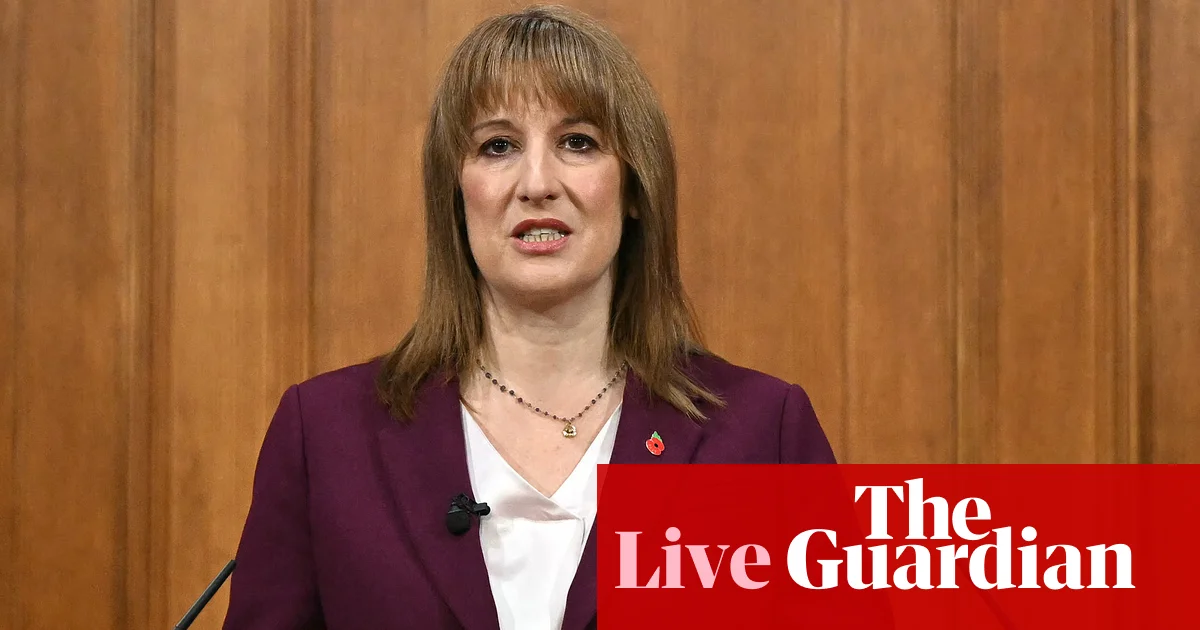
In a climate of mounting geopolitical tension, Britain is standing at a crossroads marked by profound economic and political reckoning. Recent statements by Rachel Reeves, the UK’s Chancellor, reveal a nation grappling with the legacy of years of economic mismanagement—a crucial factor shaping its international posture. As Reeves signals forthcoming tax hikes and potential breaches of long-standing promises, analysts and international organizations are watching closely, recognizing that what happens within the confines of Westminster could shift the balance of global influence.

The core of this transformation lies in the deepening economic crisis, which current and former authorities have attributed to decades of neglect and miscalculated policies. According to reports from the Resolution Foundation, a prominent think tank, the UK’s public finances will require austerity measures amounting to £31 billion, with tax rises expected to be a cornerstone. Such fiscal tightening, coinciding with ongoing global uncertainties, threatens to weaken Britain’s already fragile post-Brexit economy, with potential reverberations across European markets and the transatlantic alliance. Historians like Niall Ferguson warn that these fiscal policies, if mishandled, could usher in a new era of decline for Britain’s global standing, akin to the economic crises of the 1970s.

Furthermore, in the context of international security, Reeves’ acknowledgment of increased defense spending signals that the UK remains committed to its traditional role as a global security partner, despite internal challenges. However, this dual emphasis on fiscal austerity and strategic strength remains a delicate balancing act. America’s NATO allies are expected to reassess their commitments, especially as the US pivots toward the Indo-Pacific and faces its internal political upheavals. The UK’s decision to prioritize defense spending amidst economic turbulence underscores a broader geopolitical calculus: maintaining influence on the world stage while facing internal economic headwinds.

Adding to the geopolitical complexity is the looming threat of economic contagion—a contagion that international bodies like the International Monetary Fund warn could spiral into a broader crisis if fiscal discipline falters or if market confidence erodes further. The UK’s internal political trajectory also influences prospects for cooperation or conflict with European Union partners, especially as domestic promises for social welfare reforms clash with the austerity signals from Reeves’ upcoming budget—a potential breach of electoral commitments that could fuel social unrest and destabilize regional stability.

The unfolding narrative stands as a stark reminder: within the corridors of Westminster, decisive policies are not just local issues—they are the measures by which the global economy and security order are calibrated. As history continues to write itself, no one knows whether Britain’s leaders will forge a resilient path of recovery or succumb to the tide of decline. With each move, the weight of history presses heavier, shaping a future that is still unsettled and uncertain, amid the loud echoes of a nation caught in the relentless tide of change.

Police Seize €1.3B in Campari Shares Amid Tax Evasion Probe

Italy is once again at the center of a high-stakes international financial controversy, as authorities have seized shares valued at over €1.3 billion from the beverage giant Campari, a globally recognized producer of spirits such as Aperol, Grand Marnier, and Courvoisier. This move follows an investigation into alleged tax evasion and illicit corporate maneuvers suspected of undervaluing capital gains prior to shifting assets abroad. The case, launched by Milan prosecutors, underscores the mounting scrutiny that international firms face amid the evolving landscape of global taxation and corporate accountability.

Though Campari maintains its innocence, asserting that neither the parent company nor its subsidiaries are involved in any wrongdoing, the investigation implicates high-profile figures, including Luca Garavoglia, the billionaire chairman who inherited the company from his late mother. According to Italian financial police, the company is accused of concealing €5.3 billion in capital gains between 2018 and 2020, avoiding what is known as an “exit tax” enacted specifically to deter companies from relocating assets solely for lower tax burdens. This allegations align with broader concerns voiced by international tax authorities and economists about the aggressive tax planning strategies of multinational corporations seeking to optimize profits at the expense of national tax bases.

This case carries significant geopolitical impact as it highlights the ongoing power struggle between nation-states and transnational corporations. Italy’s pursuit of legal action demonstrates a willingness to confront corporate elites that potentially undermine national revenues. Moreover, it exposes the pitfalls of global corporate governance and the complex web of cross-border asset transfers that often challenge enforcement. Historians of international economics warn that such cases serve as a wake-up call for countries to strengthen their legal frameworks and resist becoming playgrounds for tax avoidance. The European Union, along with the Organisation for Economic Co-operation and Development (OECD), has been increasingly vocal about the need for reforms to curtail such practices, erecting new standards to ensure corporations contribute fairly to the societies that nourish their success.

From a broader perspective, this controversy exemplifies the precarious balance of sovereignty and economic influence. As Italy asserts its legal rights, questions arise about the long-term stability of the multinational corporate landscape and whether such efforts will lead to a more equitable distribution of wealth or trigger retaliatory measures and regulatory crackdowns elsewhere. With mid-term economic forecasts indicating a more aggressive stance on corporate taxation, the case of Campari becomes emblematic of the ongoing war for control over national fiscal policies—a conflict destined to shape the course of global economic history. As the story unfolds, the world awaits, with each revelation adding a new chapter to the tale of how nations defend their sovereignty amid the relentless tide of globalization and corporate ambition, leaving the future of international finance hanging in the balance of justice and power.

Supermarkets warn Reeves' tax hikes will hit young shoppers with higher food prices
Supermarkets warn Reeves’ tax hikes will hit young shoppers with higher food prices

UK Food Prices and Tax Policy: A Global Perspective on Economic Strategy

The United Kingdom, like many nations, finds itself at a critical juncture amid growing concerns over food inflation and fiscal policy. Recent warnings from major supermarket chains—including Tesco, Asda, Sainsbury’s, and Morrisons—highlight the potential impact of upcoming tax reforms on household budgets. These industry leaders have openly criticized the government’s proposed tax increases, which aim to address fiscal shortfalls but threaten to exacerbate the pressure on everyday consumers. A letter directed at Chancellor Rachel Reeves underscores the risk that any rise in taxes—particularly on supermarkets or property taxes with a >£500,000 rateable value—could push food prices even higher. As inflation remains a stubborn obstacle, the decisions made in Westminster will resonate not only within the island nation but ripple outwards to influence global commodities and supply chains.

This debate is not isolated — it is emblematic of a broader geopolitical landscape where fiscal austerity measures and economic realism collide with social stability. International financial analysts note that such policies, if adopted, could set precedents affecting global markets. Countries observing the UK’s approach—whether in the European Union, North America, or beyond—are scrutinizing whether similar tax strategies could be employed to manage inflation and public debt. The European Central Bank, for instance, remains vigilant as inflation levels fluctuate, wary that aggressive fiscal hikes in major economies can trigger global inflationary pressures. Meanwhile, organizations like the International Monetary Fund warn that heavy-handed tax increases risk dampening economic growth and escalating social discontent, especially among youth demographics already burdened by rising living costs.

Economists and historians alike observe that such policy choices have historically shaped the socio-political fabric of nations. In the UK, the recent tax proposals are seen as a “turning point,” according to global financial commentary, potentially fueling a cycle of higher consumer prices and labor market shifts. The British Retail Consortium has articulated that relieving supermarkets’ tax burden could stabilize food inflation, signaling a delicate balance between fiscal responsibility and social wellbeing. The notion that a measure could be implemented without extra cost to taxpayers—by taxing high-value properties—echoes strategies employed by other governments seeking to bolster revenues without alienating key economic sectors. Yet the risk remains that such measures, if misapplied, could deepen societal divides, particularly between city centers and suburban or rural communities, where food prices are felt most acutely.

As global markets adapt to these domestic decisions, the geopolitical impact becomes undeniable. Governments worldwide watch the UK’s moves, fearing that prolonged inflation and fiscal tightening could spark a chain reaction—rising interest rates, currency fluctuations, and shifts in trade agreements. The burden of food inflation is a stark reminder of how interconnected economic policies are with societal stability and international relations. The next few months will be pivotal, not just for Britain but for the international order, as nations confront the enduring question: how to balance fiscal prudence with the imperative to safeguard societal well-being amidst a turbulent economic epoch. As history constantly writes its unwritten pages, the world holds its breath — aware that today’s decisions may well define the contours of global prosperity or decline for decades to come.

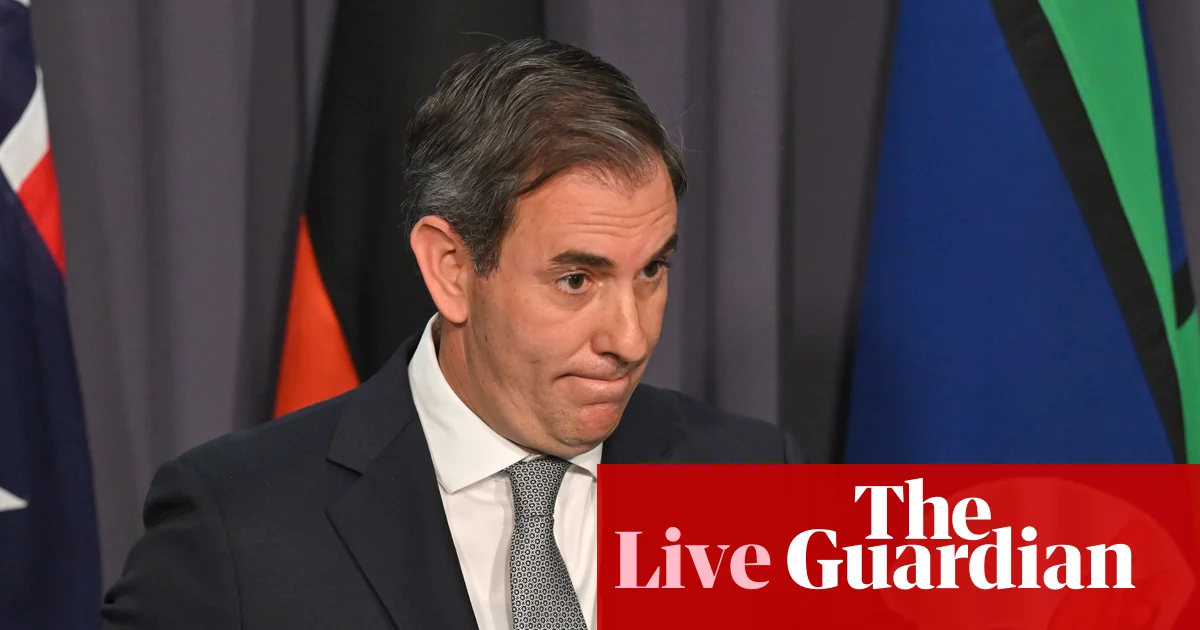
Australia News Live: Chalmers credits Keating as super tax climbdown hits; cybercrime costs skyrocket

In a rapidly evolving geopolitical landscape, recent developments have underscored the profound influence of individual leaders and international blocs in shaping global stability. Australia, often considered a peripheral player, has stepped into the spotlight, revealing new insights into how internal political debates and policy recalibrations resonate beyond the southern hemisphere. The Australian government’s recent decision to back down on a controversial superannuation tax proposal, reportedly influenced by veteran politician Paul Keating, exemplifies the complexities faced by national leadership when balancing domestic interests with broader economic stability. According to analysts from international think tanks, such moves reflect a cautious approach aimed at maintaining fiscal sustainability while navigating critic’s criticisms—a theme echoing across nations where pragmatic adjustments are viewed as essential in facing economic uncertainties.

Meanwhile, the Middle East remains a volatile theater, with recent breakthroughs highlighting the importance of diplomatic finesse and the unpredictable role of influential figures. Penny Wong, Australia’s foreign minister, praised the Gaza ceasefire as a “singular achievement” attributed to Donald Trump‘s talks, which facilitated the release of Israeli hostages—an act described by critics as a potential turning point in regional diplomacy. The engagement of influential personalities like Trump plays into a larger narrative where leadership decisions—whether in the form of external pressure or negotiated compromise—alter the course of history. Insightful commentary from analysts at major international institutions suggests that such moments serve as testaments to the importance of strategic diplomacy, even when many nations remain cautious about deep involvement, preferring to contribute quietly but decisively.

Meanwhile, the rise of cyber threats signals a new battleground where national security and economic stability are increasingly intertwined. The Australian Signals Directorate’s recent report warns of the soaring costs inflicted upon businesses—surging more than 200%—indicating a shift in cybercrime tactics toward stolen credentials and network breaches rather than traditional hacking. Such strategies allow criminal entities to operate under the guise of legitimate users, creating a new type of threat that national security agencies struggle to contain. Experts warning from NATO and other alliances collectively emphasize that cyber warfare now constitutes a core element of geopolitical conflicts, with small and large nations alike facing the challenge of safeguarding critical infrastructure amid an evolving digital battleground.

These interconnected shifts—domestic policy recalibration, regional diplomacy, and cyber security—highlight a definitive era where leadership at all levels faces turbulent challenges that could either fragment or unify global order. As leaders engage in policy shifts influenced by veteran advisors and historical figures, and regional conflicts teeter on the edge of resolution or escalation, history remains in flux. With each decision, each diplomatic breakthrough, and each cyber breach, the fabric of international stability is woven anew—leaving us to ponder: how will history judge these pivotal moments, and which future will emerge from the chaos of today’s decisions?

Australia Politics: Judges to decide on Opera House Palestine protest; rich claim big tax break | Australia News

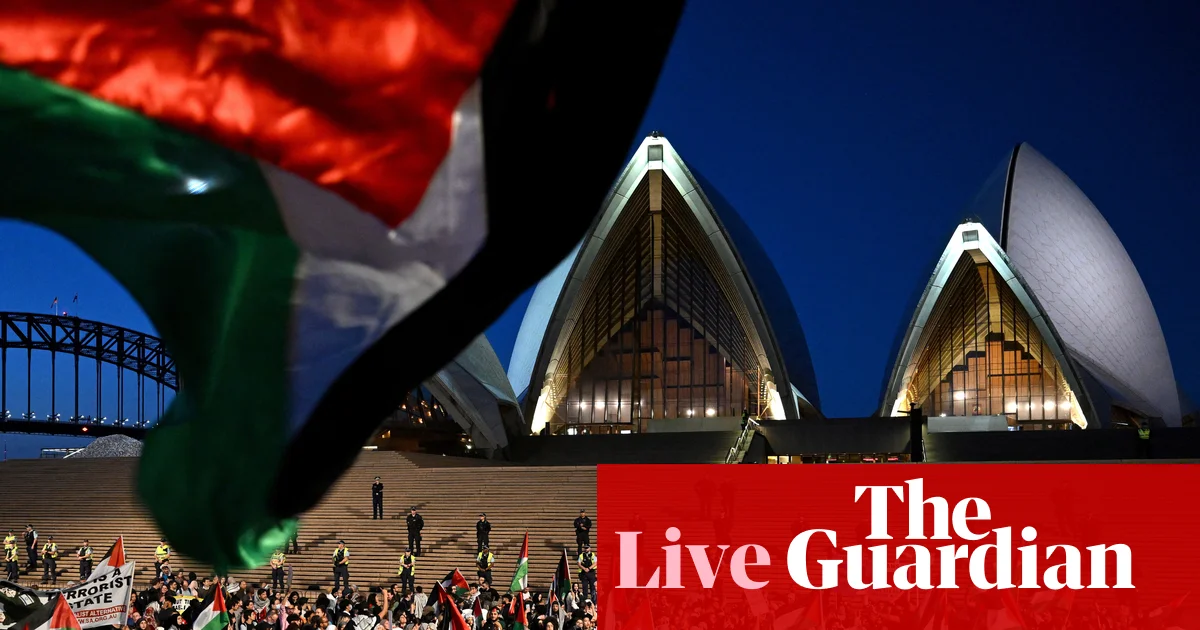
In a pivotal moment for Australia and the broader geopolitical landscape, a rapidly unfolding legal showdown at the NSW Court of Appeal centers around a proposed pro-Palestine demonstration in downtown Sydney. The organizers, the Palestine Action Group, have put forward plans for a massive march, potentially drawing around 40,000 people through the city center to the iconic Sydney Opera House. However, local authorities and police are pushing back, citing serious concerns over public safety and crowd control, and have formally challenged the rally’s legality. The judges are set to deliver their ruling soon, with early indications pointing to a tense debate about free speech versus security—one that may set a precedent for political protests amidst rising international tensions.

Historian and political analysts observe that such demonstrations are emblematic of a shifting geopolitical climate, where domestic protests increasingly mirror global conflicts. The controversy over the Sydney march echoes similar tensions overseas, especially as the Israel-Gaza conflict continues to dominate international headlines. Previous protests of comparable scale, such as the mass rally at Sydney Harbour Bridge with hundreds of thousands, highlight the potential for public demonstrations to serve as flashpoints. Chief Justice Andrew Bell warned that Macquarie Street could turn into a “narrow funnel,” risking chaos and endangering lives. Such comments underscore the delicate balance between upholding civil liberties and maintaining order—a dilemma many Western democracies face today as protests grow more passionate and polarized.

The decision in Sydney’s court has global reverberations, particularly considering the role of international institutions and regional diplomatic policies. While some leaders advocate for free expression and support activism, others emphasize national security, often leading to a crackdown on dissent. The unfolding scenario highlights hownations are increasingly under pressure to navigate the complex interplay of human rights, sovereignty, and international diplomacy. Experts from organizations like Oxfam have pointed out that economic disparities are also fueling unrest; their recent study indicates that unpopular tax policies, such as the capital gains discount, primarily benefit the wealthy elite—a fact that fuels domestic discontent and adds another layer to this complex geopolitical puzzle.

As the courts weigh the legality of the Sydney protest, the broader international scene offers little respite. The ongoing Israel-Gaza conflict and rising tensions in the Middle East continue to influence domestic politics across the globe. Governments are compelled to carefully manage what can often be seen as a delicate act—balancing support for free political expression with the need to control violence or unrest. The Sydney case becomes a microcosm of this larger trend, illustrating how decisions made today can shape the trajectories of societies for generations. As history continues to unfold, what appears to be a local legal debate may well serve as a critical juncture for the future of civil liberties and international diplomacy—reminding us all that the sparks of conflict and resistance often ignite in local courts but burn across the pages of history.

Badenoch taps into tax cuts, humor, and pig-wrestling to fight for her future at Conservative conference—episode inside

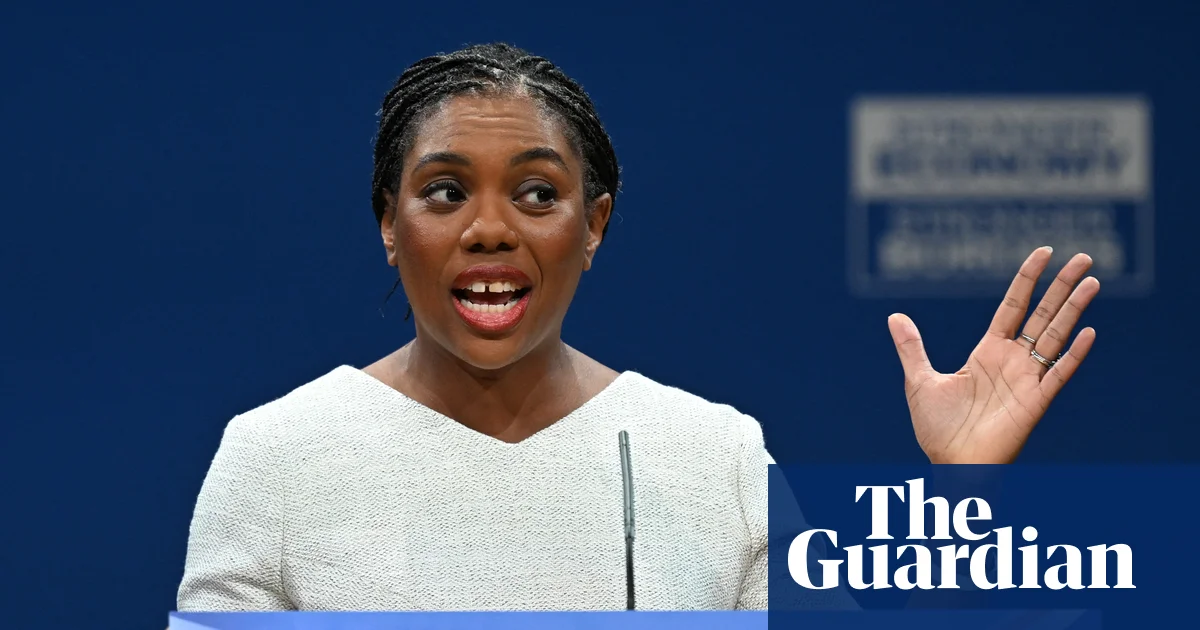
In a rapidly transforming international landscape, the political maneuvers of Britain’s Conservative Party resonate far beyond its borders. During her recent party conference, the leader unveiled ambitious domestic policies, such as plans to scrap stamp duty, aimed at revitalizing the economy and stimulating homeownership. However, what drew less attention was the conspicuous absence of discussion regarding the most pressing threat confronting her party—the rising tide of global instability and shifting geopolitical tensions. As analysts break down the tone and substance of her speech, the underlying question persists: can mere policy promises contain the larger, more complex forces at play?

International organizations and political historians warn that political strategies focused primarily on domestic issues may not be enough to shield nations from the multifold threats that now define our era. The European Union, alongside the United States, faces persistent challenges from aggressive state actors pursuing regional dominance, economic coercion, and cyber warfare—factors that threaten to reshape the global order. For the UK, this means that internal political battles—such as leadership contests within the Conservative Party—must now contend with a geopolitical environment where security and diplomatic resilience are paramount. Yet, recent conference season has largely focused on traditional party politics rather than addressing the broader, turbulent international context.

The question of leadership purity amid these external pressures echoes throughout British political discourse. Veteran analysts and international institutions underscore the significance of internal stability in the face of global upheaval. As Robert Jenrick and other potential rivals challenge the current leadership, many believe that the party’s future hinges on broader strategic vision—one that goes beyond tax cuts and campaign rhetoric.

  • Experts from Chatham House highlight the interconnectedness of domestic policy and international security.
  • British political commentators from Financial Times suggest that leadership debates now serve as a reflection of the nation’s preparedness to engage with an unpredictable world.

Regardless of internal contests, the larger consequence is whether the UK will emerge resilient or fragmented amidst a constellation of global crises that seem to intensify each day. As the echoes of policy promises fade into the cacophony of international conflict, the act of leadership—both political and strategic—remains the defining challenge of our time.

History watches, and history’s weight presses down heavily. In the unfolding chapters of the 21st century, the decisions made within these political chambers may well determine not only national fate but also the trajectory of global stability. Will Britain, under its current leadership, rise to meet the formidable challenges ahead? Or will it falter, lost in the shadows of a shifting world order that continues to redefine what is possible—and what is at stake. As the world teeters on the brink of unpredictable change, one thing remains certain: the future is still being written, and time waits for no nation.

Millionaire encourages Lib Dems to support a wealth tax initiative.

A campaign group is gearing up to influence policymakers this autumn by advocating for an increase in taxes on the ultra-wealthy. This initiative aims to rally support around the idea of financial responsibility among the nation’s richest individuals, arguing that they should contribute a fairer share to the public good. This movement reflects growing sentiment among certain segments of the population, particularly younger voters, who are increasingly skeptical of income inequality and its impact on society.

As the government debates fiscal policy and budget allocations, proponents of higher taxes on the wealthiest argue that such measures could provide much-needed resources for essential public services. Educators, healthcare proponents, and advocates for social programs are citing evidence that higher tax rates on the rich can lead to more equitable funding for critical initiatives. This aligns with a broader desire among younger generations for a fairer economy that works for all, not just the elite few.

Critics, however, warn that higher taxes on the wealthy could deter investment and slow economic growth, potentially harming the very people these new policies aim to help. There’s a growing conversation about striking the right balance—ensuring that the wealthy pay their dues while also maintaining an environment that fosters innovation and job creation. This debate is crucial as it lays the groundwork for potential reforms that could shape the economy for decades.

As the campaign group gears up for a season of advocacy, it brings to the forefront the question of how to foster a fair economic landscape without stifling growth. Young voters have a significant stake in this issue, and understanding both sides of the tax debate is crucial as they engage with the electoral process. With their financial futures on the line, the coming months will be pivotal in determining how tax policy evolves, and whether it will prioritize equity or economic growth.

Last-Minute Tax Tips Every Young Patriot Should Know

Global Geopolitical Shifts and Domestic Crises: A Turning Point in World Affairs

In an era marked by rapid international upheaval, geopolitical alliances are continually reshaping, and the repercussions are felt across nations and societies worldwide. Recent developments underscore this dynamic, as major powers respond to what analysts describe as a series of *“turning points”*—moments that could redefine the global order for decades to come. According to the International Crisis Group, the world is at an inflection point, where old paradigms are disintegrating, and new geopolitical realities are emerging.

Particularly significant is the escalating tension in Ukrainian conflict zones, which has become emblematic of the broader *new Cold War* shaping the 21st century. While Western nations continue to supply arms and exert economic pressure, Russia remains resolute, signalling that these confrontations are not merely regional but part of a larger contest for influence. Meanwhile, China expands its footprint through both economic initiatives and military assertiveness, challenging the existing *U.S.-led order*. International analysts warn that the shifting alliances carry profound geopolitical impact—altering trade routes, control over natural resources, and regional stability.

Shifts in Global Power and the Erosion of Traditional Alliances

In response to these global shifts, North Atlantic Treaty Organization (NATO) faces its own existential questions, with some member states expressing concern over the alliance’s future effectiveness. Historian Michael Novak notes that these tensions, coupled with the instability in Eastern Europe, reflect the rekindling of old rivalries that threaten to resurrect a *“geopolitical Cold War,”** reminiscent of the 20th-century power struggles. Similarly, U.N. Security Council debates increasingly revolve around how to manage conflicts in a multipolar world where consensus is elusive, and unilateral actions threaten to undermine collective security frameworks.

Over the last year, a series of *international treaties and agreements* have attempted to stem the tide of conflict and maintain stability. Yet, many experts contend that these diplomatic efforts are often superficial—piecemeal responses to deep-seated tensions rooted in economic disparities and military rivalries. The World Economic Forum warns that unless nations recognize the interconnectedness of their fates, escalation risks spiraling out of control, leading to widespread societal upheaval and economic collapse.

How Nations and Societies Are Impacted

At the forefront of the domestic impact are millions of citizens caught in the crossfire of international proxy conflicts and economic sanctions. *In the United States,* the ongoing debate over domestic policy and foreign intervention remains tense, with youth increasingly questioning the cost of global engagements. On the economic front, inflation, energy shortages, and supply chain disruptions threaten to aggravate social unrest, forcing governments to act with caution amid mounting public discontent.

The global economy faces an uncertain future, with experts from the International Monetary Fund warning of possible stagflation if geopolitical tensions persist. In many developing countries, economic hardship amplifies social grievances, fueling unrest and migration crises. Historians warn that history teaches us—without careful diplomacy and strategic foresight, these tensions could catalyze a new cycle of conflict, one where the victim is not just geopolitics but the very fabric of society itself.

Conclusion: The Unfolding Chapter of Humanity’s History

As the world stands on the brink of what could be a new era of global rivalry, the decisions made today bear the weight of history. The international community faces an urgent challenge: to navigate these turbulent waters, balancing power with prudence, ambition with restraint. The stakes are monumental, and the outcome remains uncertain. The movements of superpowers, the unraveling of traditional alliances, and the struggles of ordinary citizens are all threads woven into the grand tapestry of history—an ongoing story of hope, conflict, and resilience. In the end, what is written today will echo through the corridors of history, shaping a future that is still unwritten—and yet, inevitable.

Social Media Auto Publish Powered By : XYZScripts.com