
Roland’s Innovative Legacy and the Disruption in Music Technology
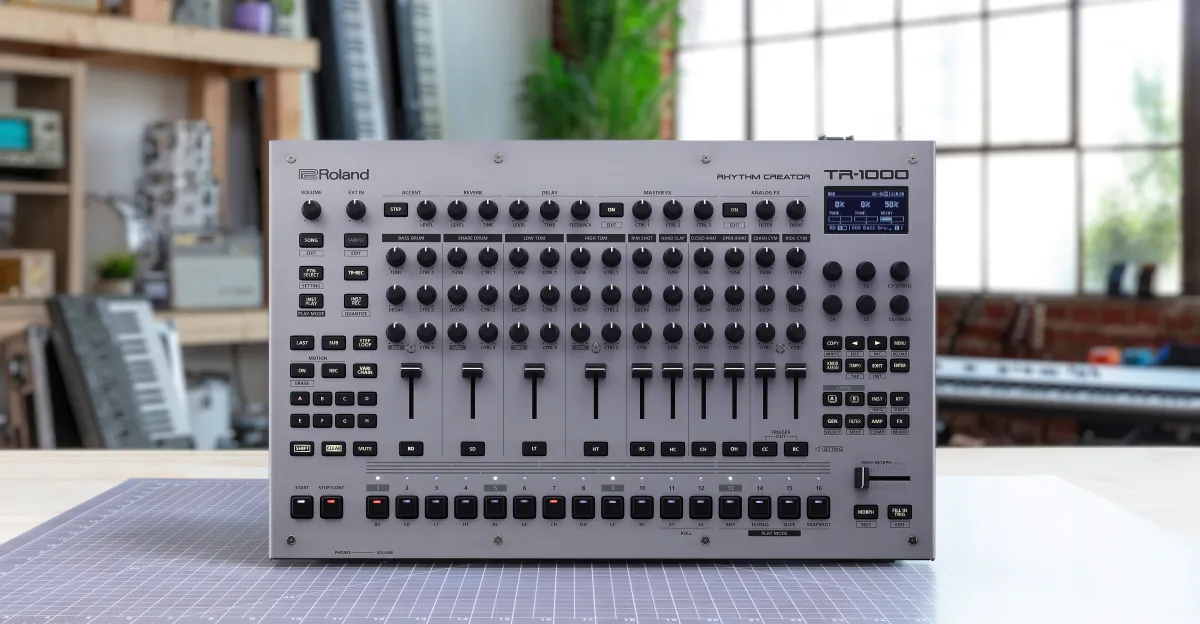
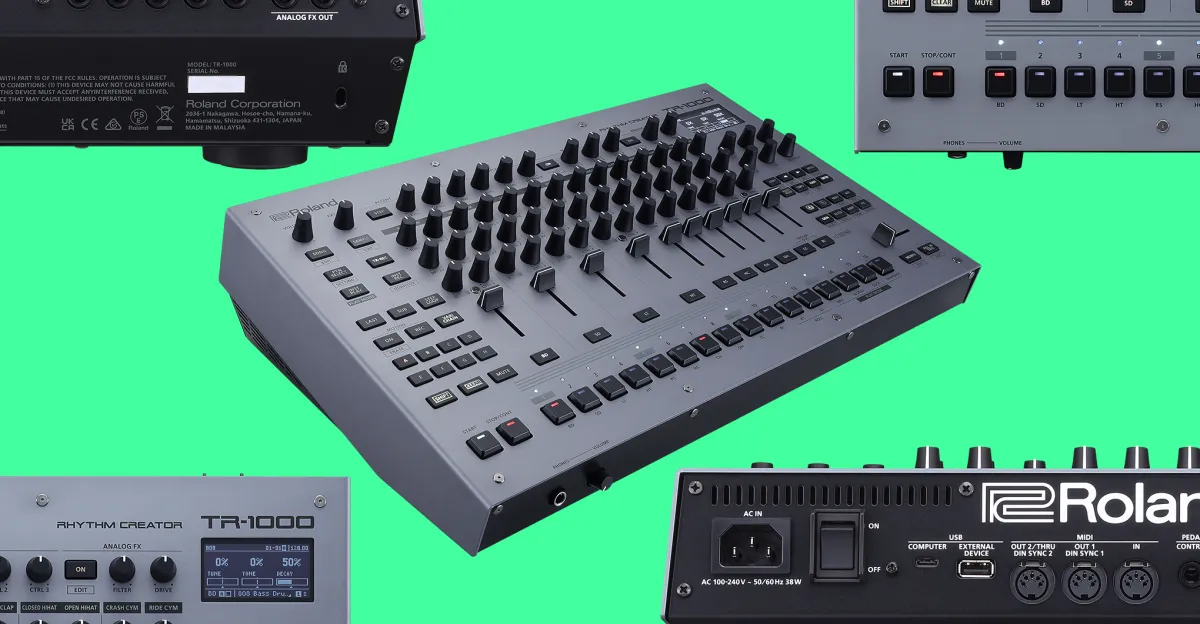
Few companies in the history of electronic music have had as profound an impact as Roland. Its iconic TR-808 drum machine remains a symbol of innovation, shaping genres from hip-hop to electronic dance music for over four decades. According to industry veteran analyses, Roland’s pioneering work in analog synthesizers and drum machines set the foundation for modern digital sound design, making it a cornerstone of music technology evolution.
However, Roland’s strategic shift toward digital modeling and software emulation in the late 1990s marks an industry-wide disruption. After nearly abandoning analog circuitry—once its crown jewel—Roland doubled down on digital technology, seeking to replicate its vintage sounds through code. Despite a resurgence in the vintage synth market driven by consumer appetite for authentic, tactile gear—and a clear market shift towards analog reissues—Roland maintained its focus on digital, citing technological advantages and cost-effective manufacturing. Such decisions reflect an industry grappling with the tension between innovation and tradition, with companies like Roland navigating the complex landscape of preserving heritage while adapting to market demands.
Market Shifts and Business Implications
The industry is witnessing a paradigm shift driven by consumer trends and technological disruption. The resurgence of vintage synths on the used market highlighted a fundamental shift: musicians value authentic analog sound and tactile interaction. Roland’s strategy to repackage classic sounds into Boutique series instruments has proven lucrative, but it raises questions about the company’s long-term innovation trajectory. The trend mirrors broader industry expectations—customers increasingly demand tools that respect the heritage of sound while integrating seamlessly with modern digital workflows.
Major tech analysts like Gartner underscore the importance of disruptive innovation in this space. The emergence of AI-driven sound modeling and portable synthesizers has transformed market expectations, challenging established players like Roland to innovate or risk obsolescence. Companies that succeed will likely marry heritage-driven nostalgia with cutting-edge technology, creating new value propositions for young musicians eager for authentic sound and deep customization. This strategic positioning toward hybridity could redefine competitive dynamics, compelling incumbents to accelerate R&D investments and embrace rapid iteration. Failure to adapt risks ceding ground to startups exploiting AI and machine learning—markedly disrupting traditional manufacturing and marketing paradigms.
The Road Ahead: Innovation as a Call to Action
Looking forward, the industry’s trajectory suggests that disruption is inevitable: those who harness emerging technologies—such as AI sound synthesis, ultra-portable hardware, and cloud-based collaboration—will define the next era of musical creativity. As Elon Musk repeatedly emphasizes, speed of innovation is crucial to maintaining competitive advantage in fast-paced markets. Firms investing in next-gen digital sound models and robust community platforms will likely secure the fertile ground of the future music landscape. The race to innovate is on, and by combining heritage with technological evolution, the industry can unlock unprecedented creative potential, demanding urgent strategic shifts from established giants like Roland.
In summary, the legacy of Roland underscores how disruption stems from embracing technological change while honoring heritage. As the balance shifts toward hybrid analog-digital experiences, companies that innovate swiftly and creatively will shape the soundscape of tomorrow. The question remains: will they leverage their past as a springboard, or be left behind in the wake of relentless technological progress? The future of music technology hinges on this dynamic, and the time for bold moves has never been more urgent.