Matox News

Truth Over Trends, always!

Score Big: 55 Top Deals Ahead of Amazon’s Fall Prime Day—Don’t Miss Out!

Tech Industry Shifts Accelerate as Consumer Electronics Deals Signal Disruption and Innovation Opportunities

The recent surge in consumer electronics discounts during Amazon’s Prime Big Deal Days underscores a transformative phase within the technology sector, driven by rapid innovation and evolving market dynamics. As brands like Apple and Amazon slash prices on flagship products such as the latest iPad Mini, industry analysts anticipate that these aggressive promotional strategies will reshape competitive landscapes. Such discounts not only bolster consumer enthusiasm but also reflect underlying shifts in supply chain efficiencies, chip manufacturing, and retail strategies—paving the way for new business paradigms to emerge.

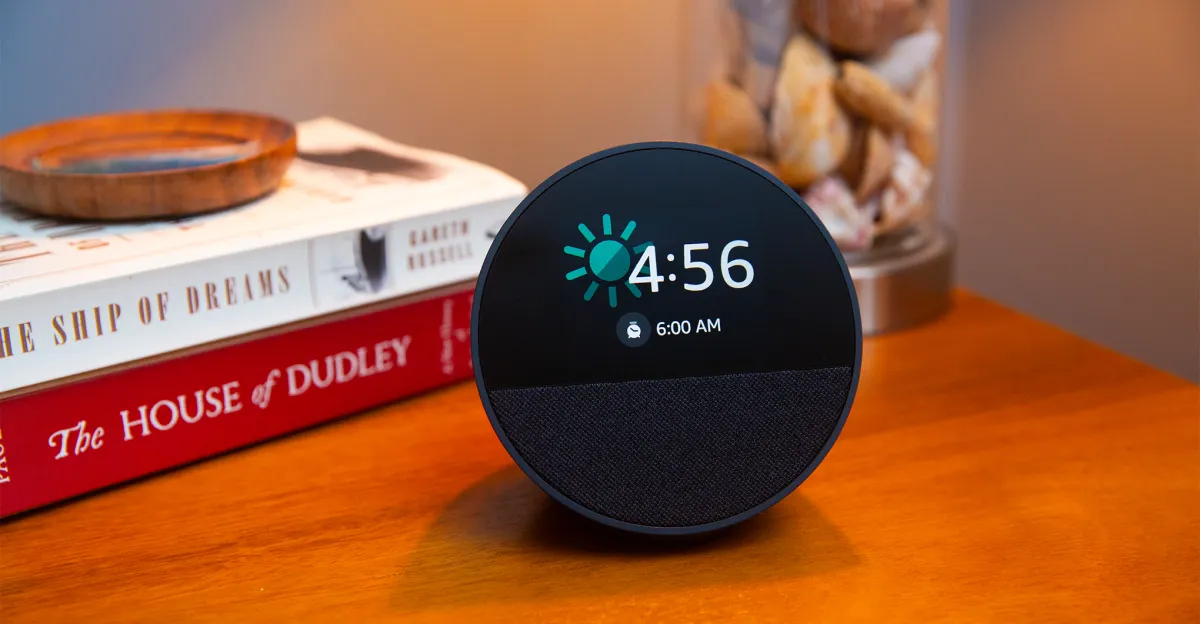
Emerging technologies like wireless earbuds, smart speakers, e-readers, and home automation devices are gaining momentum, with record-breaking deals highlighting their increasing accessibility and integration into daily life. Evident from the promotional campaigns, these gadgets are rapidly evolving through disruption-driven innovation, pushing major players to reimagine their offerings for younger, tech-savvy demographics. For example, the latest Echo devices and Kindle Scribe feature advancements in voice recognition, AI-driven personalization, and seamless ecosystem integration—factors that Gartner and forward-looking investors see as critical for capturing future market share.

The Impacts of Innovation on Business Strategy and Market Dynamics

Industry insiders like Elon Musk and Peter Thiel recognize that disruption in consumer electronics often signals broader shifts within the ecosystem of AI, IoT, and smart infrastructure. The current promotional landscape acts as a market testing ground for these innovations, where bold pricing strategies are employed to accelerate adoption. Companies leveraging machine learning and edge computing are gaining competitive advantages; for instance, smart home products that anticipate user needs and adapt accordingly could redefine residential automation within the next decade.

  • Features: Enhanced connectivity, AI-driven personalization, integrated ecosystems
  • Pros: Increased adoption, accelerated innovation cycles, expanded user engagement
  • Cons: Market saturation risks, supply chain fragility, rapid obsolescence concerns

These developments suggest an industry in flux, with market shifts under way that could advantage innovative startups and established giants willing to adapt quickly. As traditional companies face mounting pressure to innovate or risk obsolescence, the landscape is set for a new wave of disruptive entrants—especially those harnessing AI, 5G, and quantum computing—who will capitalize on this momentum to redefine consumer expectations and industry standards.

Looking Ahead: The Drive Toward a Tech-Driven Future

The rapid pace of technological innovation, combined with strategic promotional campaigns, heralds a future where disruption is the norm rather than the exception. Industry leaders, investors, and policymakers must stay alert to these shifts, recognizing that today’s consumer deals are microcosms of larger strategic pivots. The advent of more affordable, feature-rich devices signals that the next era of technological dominance will be characterized by hyper-innovation, market fragmentation, and new business models rooted in AI, connectivity, and user-centric ecosystems.

As the industry gears up for transformative change, stakeholders must prioritize adaptable, forward-thinking strategies—lest they fall behind. The countdown to a digitally integrated, AI-powered realm is accelerating, and those who act swiftly will shape the trajectory of technological progress in the coming decade.
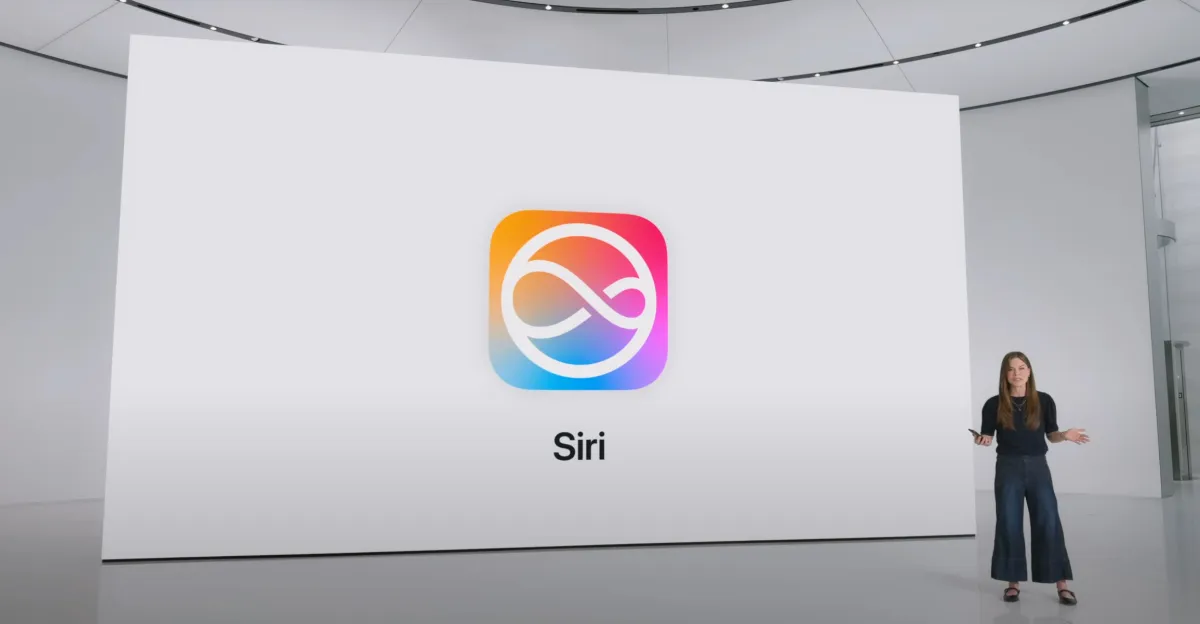

Apple’s ‘Veritas’ Chatbot: Exclusive Peek at Siri’s AI Boost for Employees

Apple’s Siri Revamp Signals New Wave of AI Innovation and Industry Disruption

In a rapidly evolving landscape dominated by AI innovation, Apple is taking a strategic step forward with its latest internal initiative, Veritas. Sources close to Bloomberg’s Mark Gurman report that the tech giant is testing a next-generation iteration of Siri, aiming to redefine the personal assistant experience through advanced machine learning capabilities. This move highlights Apple’s recognition that AI-driven disruption is no longer optional but a necessity to stay competitive amidst rising rivals like ChatGPT and Google Gemini.

Though delayed multiple times due to challenges in keeping pace with industry leaders, Apple’s renewed focus on internal AI tools underscores a broader strategic shift. Industry experts such as Gartner point out that integrating conversational AI within ecosystems confers a significant competitive advantage, especially as user expectations evolve towards more intuitive, context-aware interactions. The newly developed chatbot allows Apple engineers to simulate real-world conversations, testing features that enable Siri to perform complex tasks—like searching through personal data or editing media—more seamlessly. While the decision to keep Veritas internal indicates a cautious approach, the underlying technology underpins Apple’s broader ambition to embed AI at the core of its ecosystem, fueling innovation, and customer loyalty.

However, the industry implications extend beyond mere product enhancements. As Apple grapples with boosting Siri’s capabilities, it faces an industry-wide dilemma: how to balance innovation, user privacy, and market disruption. Given the company’s historical emphasis on privacy, partnering with Google’s Gemini for AI search suggests a pragmatic approach—prioritizing technological synergy over complete in-house independence. This strategic reliance could set a precedent, prompting a reshuffling of AI development partnerships across the industry.

Looking ahead, the trajectory of Apple’s AI initiatives signals an inevitable disruption of the digital personal assistant paradigm. The parts are aligning for a new wave where everyday AI interactions are more intelligent and contextually aware, transforming how users engage with technology. Analysts such as those from MIT’s Computer Science and Artificial Intelligence Laboratory emphasize that such advancements could usher in smarter, more autonomous devices that fundamentally reshape consumer expectations. As Apple and its competitors race to dominate the AI-powered future, one thing remains clear: the next decade will be pivotal. Disruption is accelerating, and those unprepared risk falling behind in the emerging AI-driven ecosystem that is poised to redefine tech industry benchmarks.

In this pivotal moment, the tech world must watch closely—not just for the innovations announced, but for the shifts in power and influence that will determine the dominant players of tomorrow’s digital age. For industries and consumers alike, the race to AI supremacy is a high-stakes game, with innovation and disruption now the currency of success.

Trump Shares and Quickly Deletes Wild AI Clip Promoting MedBed Conspiracy

In an era where technological innovation relentlessly redefines the boundaries of possibility, recent developments highlight both the disruptive potential of emerging technologies and the perils of misinformation that threaten to undermine public trust. AI-generated content and virtual medicine are quickly transforming industries, creating unprecedented opportunities for forward-looking businesses and challenging existing regulatory and ethical frameworks. These advancements, while promising, demand a vigilant approach to discern genuine progress from manufactured narratives that can distort public perception.

The controversy surrounding the supposed announcement of the world’s first MedBed hospital system exemplifies the profound impact of AI-driven misinformation on market stability and technological credibility. The floating claim of a universal, all-curing medical device—widely circulated in fringe online communities—mirrors historical patterns of conspiracy-driven disruption. Major tech analysts, such as those at Gartner, warn that this type of narrative can divert investment away from genuinely transformative innovations like regenerative medicine and personalized healthcare. Meanwhile, mainstream institutions are racing to develop real bioengineering breakthroughs that could revolutionize patient care, from CRISPR gene-editing to advanced biocompatible implants.

Concurrently, the proliferation of AI-generated media, including manipulated videos and synthetic personalities, underscores both the rapid innovation within deepfake technologies and the pressing need for industry and regulatory responses. Notable figures such as Elon Musk and Dr. Michio Kaku have voiced concern over how unchecked AI content can distort public discourse and manipulate markets. This presents an urgent challenge for businesses: developing resilient verification protocols and safeguarding against malicious use. The disruption could be profound—imagine AI-powered scams that imitate CEOs or government officials, threatening the integrity of digital commerce and national security itself.

Emerging reports emphasize that the convergence of AI, biotechnology, and blockchain will accelerate an **industry revolution**—a shift that surpasses the explosive growth seen during the dot-com boom. The market implications are clear: investments in authentic innovation will determine the future landscape of healthcare, cybersecurity, and consumer technology. As MIT researchers highlight, **the next decade will be defined by a race to harness AI’s potential responsibly, with real-world applications emerging faster than regulatory frameworks can adapt**. Warnings aside, the window to capitalize on these breakthroughs is shrinking fast, with entrepreneurs and investors urged to seize opportunities rooted in *credible* scientific progress rather than fabricated hype.

Looking forward, the onus is on industry leaders and policymakers to foster an ecosystem where genuine innovation flourishes amidst an increasingly complex digital battlefield. The rapid pace of technological progress necessitates a proactive stance—embracing disruption while guarding against its darker implications. In this new digital epoch, those who can harness truth and transparency will lead the charge, shaping a future where technology serves humanity’s highest ambitions. The clock is ticking; the next wave of transformative breakthroughs is on the horizon, demanding both urgency and strategic foresight from every stakeholder committed to a brighter, smarter tomorrow.

Raleigh One e-bike: The comeback ride for young riders

Resilience and Revolution: How Industry Turmoil Fuels Innovation in the E-bike Sector

The recent bankruptcy of VanMoof in 2023 has sent shockwaves through the e-bike industry, a sector increasingly defined by rapid innovation and fierce competition. Despite the upheaval, the company’s demise has paradoxically accelerated technological progress and market disruption, with new ventures rising from its ashes—most notably, the launch of the VanMoof S6 under new ownership and the inventive Carlier Ties Taco-developed commuter e-bike for Raleigh. Industry experts and analysts like Gartner highlight how such industry shocks often catalyze accelerated innovation, compelling brands to rethink their strategies or die in the aftermath.

What sets these emerging products apart is innovation-driven disruption. The VanMoof S6 exemplifies a simplified yet sophisticated approach to urban mobility, missing only a boost button—a feature many riders would appreciate. Conversely, the Raleigh One, designed by VanMoof’s former founders, aims for a more practical, no-nonsense ride. It achieves this with an integrated, nearly silent Mivice motor paired with a sturdy belt drive; although it sacrifices torque—culving at just 35Nm—and lacks features like high-powered boost functions, it epitomizes the trend towards robust, user-centric design. As Ties and Taco Carlier attempt redemption through this reimagining, the business landscape becomes even more dynamic and unpredictable.

The Business Implications of Industry Disruption

The disruption is more than just product innovation—it signals a fundamental shift in how electric mobility businesses operate and compete. The industry is now characterized by rapid product iteration, direct-to-consumer models, and subscription-based services, which are becoming a double-edged sword. The Raleigh management admits that its connected e-bike faces significant software challenges, including an extraordinary 3% battery drain daily when idle and buggy existing app features. Accell Group, the parent company, responds by promising firmware updates and more robust software development—a sign of how vital software robustness is to sustain consumer trust and maintain competitive advantage.

This industry upheaval underscores a broader trend: the rise of software as the backbone of hardware innovation. As Peter Thiel and Elon Musk have warned, companies ignoring this integration risk obsolescence. The shift towards disruptive, software-intensive design is most evident in subscription upsell models for premium bikes, which critics argue is a necessary element of survival amid a highly volatile market. Most industry veterans recognize the new normal—bike companies of all sizes face existential threats from “bikeagedon”, a term capturing the wave of venture failures as market valuations crash and startups fold. This environment demands agile innovation, relentless iteration, and strategic pivots.

Looking Ahead: The Urgency of Innovation in a High-Stakes Arena

The industry’s future hinges on disruption, innovation, and strategic agility. As the 2019-2023 cycle taught industry insiders, those who fail to embrace software robustness, customer experience, and market adaptability will fall behind. The new crop of e-bikes—like VanMoof’s S6 and Raleigh’s One—demonstrate that even in turbulent times, innovation remains the primary driver of survival. The race is intensifying, and the next 12–24 months will reveal whether these newly proposed solutions can withstand wear, tear, and the relentless pressure of market forces.

In an era where technological disruption is the only certainty, industry players must act swiftly, or risk being left behind as the market reshapes itself around smarter, more resilient mobility solutions.

Top chargers dropping early — get ready before Prime Day hits!

Harnessing Portable Power: The Future of Mobile Energy Solutions Dominates Tech Discourse

In an era where technological disruption is reshaping how we connect, work, and play, portable power innovations are taking center stage. Industry leaders like Anker and Jackery continue to push the boundaries of mobility, positioning themselves not just as accessory providers but as pivotal players in the burgeoning portable energy market. These advancements could redefine the interface between consumers and technology, emphasizing innovation, convenience, and resilience.

The recent launch of Anker’s 633 Magnetic Battery exemplifies how companies are integrating disruptive features into compact form factors. This MagSafe-compatible charger combines high efficiency with user-centric features such as an integrated kickstand and multiple charging modes—wireless at 7.5W or through its USB-C port at 20W. Its support for passthrough charging and dual-port options profoundly impacts on-the-go energy management. While gadget users have long perhaps accepted the constraints of power limitations, innovations like this shift the paradigm, enabling a seamless, always-connected experience. With a capacity of 10,000mAh, enough to power most smartphones, it underscores a market trend toward more energy delivery in smaller packages.

On the industrial front, the emergence of dedicated portable power stations such as Jackery’s Explorer 1000 V2 signals a shift toward *off-grid sustainability*. Its design—notably three AC outlets, multiple USB ports, and an impressive 1,070Wh capacity—positions it as an essential device for outdoor adventurers, emergency preparedness, and remote work settings. Early October Prime Day deals, which cut its price to under $430, reflect strategic pricing aimed at capturing a segment eager for reliable, high-capacity power on demand. Given that Jackery claims its batteries retain about 70% of their capacity after 4,000 cycles, the platform’s longevity makes it a disruptive force in traditional power storage industries. Companies that pivot quickly to incorporate these mobile solutions could capture unprecedented market share, especially as remote work and outdoor activities accelerate globally.

The business implications are equally dynamic, with innovations driving a new competitive landscape. Analysts such as Gartner forecast that portable power devices will grow at a compound annual rate exceeding 20% in the coming years, driven by shifting consumer expectations and the relentless rise of mobile lifestyles. Tech giants and startups alike are investing heavily in R&D—integrating AI for smarter power management, developing lighter yet more durable battery chemistries, and exploring hybrid systems that combine solar with conventional energy sources. This wave of disruption not only threatens established utilities but also paves the way for new ecosystems of integrated, sustainable energy solutions. Firms that prioritize interoperability, durability, and rapid charging will dominate emerging markets, fundamentally altering how we think about energy independence.

Looking ahead, the pace of innovation suggests a tech landscape increasingly defined by lightweight, high-capacity, and eco-friendly portability. The convergence of AI, IoT, and battery technology heralds a future where **portable energy devices** are not just tools but strategic assets—enabling everything from autonomous remote operations to emergency disaster response. As industry pioneers like Elon Musk and Peter Thiel emphasize, maintaining a sense of urgency and anticipating breakthrough shifts will be crucial for stakeholders aiming to lead this dynamic sector. In the coming decade, the race to dominate portable power markets will likely determine the next wave of technological sovereignty, with those embracing innovation at its core poised to define the future of mobility and resilience.

Honor Magic 8 Pro drops a new AI button — tech gets smarter for the next-gen user

Honor Launches the Magic 8 Series: Aiming to Disrupt the Premium Smartphone Arena

In a move highlighting ongoing innovation within the competitive premium smartphone segment, Honor has unveiled its flagship Magic 8 series, combining cutting-edge hardware with emerging AI functionalities. The Magic 8 Pro, set to debut initially in China before arriving in Europe, underscores the company’s ambition to challenge industry titans like Apple and Samsung through strategic innovation and disruptive design. Priced at over €1,000 ($1,200), the Magic 8 aims to deliver flagship-level performance with a focus on AI enhancements, camera prowess, and processing power.

Key to its disruptive approach is the phone’s integrated AI button, a feature that signals a shift in how smartphones prioritize user experience through AI-driven functionalities. Honor clarifies that this button is dedicated solely to AI-related tasks, suggesting a future where smartphones become more intuitive and personalized. Coupled with the latest Qualcomm Snapdragon 8 Elite Gen 5 processor—an upgrade also adopted by the upcoming Xiaomi 17 series—the Magic 8 Pro is positioned as a powerhouse built for high-performance AI applications and demanding workflows. Analysts from Gartner project that such hardware integrations will become industry standard, transforming mobile devices into portable supercomputers.

The business implications of this positioning are clear: Honor is not merely offering a smartphone but is disrupting the traditional flagship formula by emphasizing AI innovation and disruption in user interface paradigms. Additionally, new features like Magic Color, an AI-powered tool for dynamically restyling images and videos using different color palettes, exemplify how AI is being woven into core smartphone capabilities. These enhancements not only elevate the user experience but also open avenues for revenue through app ecosystem upgrades, AI-driven services, and possibly subscription models, echoing trends seen in tech giants like Apple and Google.

With plans to introduce a range of models—including the anticipated Magic 8 Ultra and Mini—Honor is betting on sustained innovation to consolidate its position in the high-end mobile space. The upcoming unveiling of the Magic Pad 3 Pro, also powered by the Snapdragon 8 Elite Gen 5, signals an integrated ecosystem push that could redefine consumer expectations for interconnected devices. Industry experts suggest that the rapid rollout of these advanced models may accelerate a broader industry shift towards AI-centric hardware, with firms like MIT and Stanford emphasizing AI’s role as the next major leap in mobile tech evolution.

Looking forward, the competitive edge for Honor and similar disruptors hinges on their ability to leverage disruptive AI applications and hardware innovations to outpace established incumbents. As giants continue to refine their own flagship offerings, the importance of AI-driven features and high-performance chips will only intensify. The coming months could mark a pivotal moment, where tactical innovation and bold business strategies determine the future landscape of premium mobile technology. For tech enthusiasts and industry watchers alike, the race to dominate the AI-powered mobile future has begun—and the speed of innovation is unlikely to slow down anytime soon.

UK Claims Badge of Honor in Airport Ransomware Bust, Disrupts European Travel

Emerging Ransomware Threats Signal New Era of Disruption in Critical Infrastructure

Recent cyberattacks targeting key transportation hubs have underscored a rapidly evolving threat landscape, highlighting the necessity for robust cybersecurity innovation at the enterprise and government levels. While initial reports about a ransomware incident disrupting air traffic across an entire continent remain sparse in detail, cybersecurity experts are analyzing the tools behind the attack, revealing a disturbing trend in low-cost, highly accessible ransomware-as-a-service (RaaS) platforms fueling these disruptive events. Such tools, including Hardbit and Loki, have historically been categorized as smaller-scale threats, yet their deployment in this context suggests a paradigm shift—one where the barriers to orchestrating massive infrastructure outages are steadily falling.

Kevin Beaumont, a well-respected cybersecurity researcher, noted on Mastodon that the attack involved a seemingly basic ransomware tool, Hardbit, which exemplifies the ongoing democratization of cyber weapons. This ease of access, enabled by RaaS models, means that even relatively low-skilled cybercriminal groups can launch disruptive assaults that threaten essential services. Meanwhile, sources cited by BleepingComputer suggest a variant called Loki might have been involved—a malware family known for its versatility and increased sophistication in bypassing security measures.

Disruption and Business Implications

The impact of such ransomware incursions extends beyond immediate chaos, signaling a fundamental shift in the risk profile of critical sectors like aviation, logistics, and utilities. For businesses, the implications are profound:

  • Enhanced need for next-generation security solutions capable of detecting and neutralizing RaaS-based attacks
  • Investment in preventive infrastructure that can withstand supply chain interruptions caused by cyber warfare
  • Development of resilience strategies to minimize downtime and protect customer interests

Experts from institutions like Gartner caution that the proliferation of accessible ransomware tools, combined with their deployment against infrastructure-dependent industries, could herald a new wave of economic and social instability. As Elon Musk and Peter Thiel have emphasized, the race to innovate and defend against such threats is accelerating, urging tech firms and policymakers alike to prioritize disruptive cybersecurity innovations in the coming years. The threat landscape now demands a proactive stance rather than reactive fixes, with a focus on building immunity against increasingly sophisticated cyber threats.

Looking Ahead: A Critical Juncture for Tech and National Security

The current incidents serve as a wake-up call for all stakeholders—governments, corporations, and the tech community—to act urgently. The convergence of innovation, disruption, and geopolitical considerations implies that the coming decade will be pivotal in shaping resilient digital ecosystems. As malicious actors leverage inexpensive, easily accessible tools, the necessity for cutting-edge AI-driven cybersecurity solutions and multi-layered defense architectures becomes undeniable. The question is not if further disruptions will occur, but when—and how swiftly the technology sector can adapt to safeguard the backbone of our modern societies.

This evolving threat landscape underscores that in the race for technological supremacy, those who fail to innovate risk falling behind—and potentially suffering catastrophic consequences. The future hinges on bold, forward-thinking cybersecurity strategies that can counteract the disruptive potential of accessible RaaS malware, ensuring vigilance and resilience in our interconnected world.

Social Media Auto Publish Powered By : XYZScripts.com