
Matox News

Truth Over Trends, always!

Is AI Layoff Spin or Genuine Innovation? | TechCrunch

AI-Driven Restructuring Sparks Industry Disruption

The year 2025 has set a new precedent in the technology sector with over 50,000 layoffs attributed directly to artificial intelligence (AI), according to recent reports. Major corporations such as Amazon and Pinterest publicly cited AI as the primary motivator behind significant workforce reductions. However, analysts and industry experts are raising critical questions about the veracity of these claims, exposing a broader trend of ‘AI-washing’—where companies leverage AI narratives to mask economic struggles or strategic reorientations.

Emerging data from Forrester’s January report highlights that numerous firms announcing AI-related layoffs do not possess mature AI applications or implementations capable of supporting those roles, pointing starkly to a disconnect between corporate narratives and operational realities. Layering innovation onto corporate restructuring often appears to be less about genuine automation progress and more about manipulating investor perceptions, complicating the landscape for followers and competitors alike.

This climate underscores a broader warning from thought leaders such as Elon Musk and Peter Thiel, who emphasize the urgency for businesses to differentiate between true technological disruption and superficial ‘buzzword’ adoption. As Molly Kinder of the Brookings Institute remarks, framing layoffs as AI-driven is a “very investor-friendly message”, especially when the alternative might be acknowledging deeper financial issues. The trend indicates that AI is fast becoming a strategic tool for window dressing rather than a concrete engine of productivity—an alarming development for a sector that prides itself on innovation.

Implications for Competitive Edge and Market Dynamics

The widespread use of AI as a scapegoat for layoffs threatens to undermine the credibility of tech giants, potentially stalling disruptive innovation at a time when the industry is ripe for scaling up real AI integrations. Companies that genuinely pioneer AI-driven efficiencies could gain a decisive advantage, disrupting traditional business models and setting new benchmarks for productivity and customer experience. Conversely, those engaged in superficial AI initiatives risk losing investor confidence and market share to nimble competitors with authentic disruptive capabilities.

According to Gartner, organizations that focus on developing mature AI ecosystems—including end-to-end automation, advanced data analytics, and intelligent decision-making—are positioned to overhaul industry standards. But the key to this transformation hinges on industry-wide transparency and commitment to genuine innovation rather than temporary headlines. The disruptive potential rooted in AI can catalyze a new wave of competitiveness but demands bold leadership and strategic foresight.

A Future Shaped by Authentic Innovation

Looking ahead, the importance of authentic AI applications in driving business transformation cannot be overstated. The industry faces a critical choice: embrace transparency and invest in genuine, scalable AI solutions or fall behind in a race increasingly defined by trust, agility, and real technological advancement. As market dynamics accelerate, the window for superficial efforts closes swiftly. Forward-thinking companies will prioritize building resilient, innovative AI infrastructures—those that disrupt rather than deceive—setting the stage for a new era of competitive dominance in the digital economy.

In this rapidly evolving landscape, the companies that lead with integrity and innovation will be best positioned to capitalize on the disruptive power of AI, ensuring their survival and growth amidst turbulent market shifts. As industry experts warn, the race to true automation and technological mastery is not just about staying relevant—it’s about shaping the future of enterprise itself.

TechCrunch Mobility: Bold Move, No Hostility – The Future of Mobility Looks Different

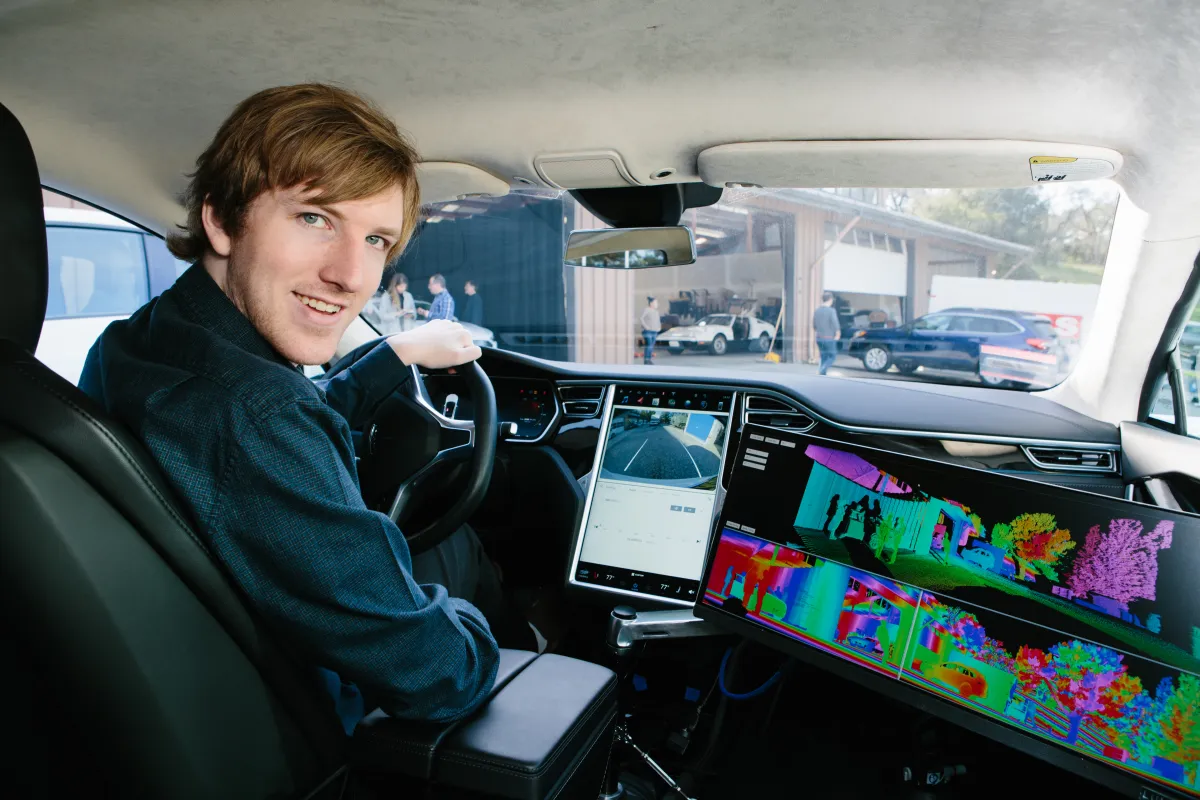
In the rapidly evolving landscape of transportation technology, autonomous vehicles (AVs) and electric mobility stand at the forefront of a disruptive wave that promises to overhaul traditional industry paradigms. Recent developments highlight how pioneering companies are leveraging breakthrough innovations to challenge incumbents and reshape economic opportunities. Notably, Luminar, a leader in lidar technology, is embroiled in a dramatic internal power struggle that could have far-reaching implications for the autonomous vehicle sector. The bid by Austin Russell, Luminar’s founder and former CEO, to acquire the company underscores an ongoing narrative of disruption from within, as visionary entrepreneurs seek to redefine competitive advantage amid tumultuous boardroom politics.

Russell’s return to the scene with a new venture, Russell AI Labs, signals a strategic pivot that could catalyze industry-wide innovation. The proposed bid involves acquiring or merging with other automotive tech entities, hinting at a broader trend of consolidation and diversification aimed at accelerating autonomous and sensor technology integration. This move coincides with key market shifts, as Gartner and other research institutions emphasize the importance of business model agility for AV success. Companies willing to disrupt entrenched supply chains and pivot toward value-driven services will dominate the next decade, with startups like Russell AI Labs poised to challenge established giants.

Simultaneously, the electric aviation sector exemplifies how disruption extends beyond ground mobility. Lilium, once considered a disruptor in vertical takeoff and landing (VTOL) aircraft, has transitioned its assets to Archer Aviation after ceasing operations. The acquisition of all 300 patents for €18 million underscores a strategic move driven by a desire to capitalize on legacy tech and optimize urban air mobility. While the industry is still embryonic, this deal exemplifies the potential for patent consolidation as a weapon against incumbent transportation giants, actively shaping urban mobility’s future.

  • Emerging startups like Airbound and Dexory are receiving significant funding—$8.65 million in seed capital and $165 million in Series C, respectively—highlighting investor confidence in automation and logistics innovation as markets mature and infrastructure demands escalate.
  • International expansion continues unabated, with Pony.ai and WeRide gaining regulatory approval to list on the Hong Kong Stock Exchange, signaling a burgeoning Chinese presence in global autonomous markets.

As the industry accelerates, *strategic partnerships* are becoming vital. Stellantis’ collaboration with Pony.ai aims to deploy robotaxis across Europe, threading together traditional automakers’ market reach with cutting-edge AV software—setting a precedent for legacy automakers to embrace disruption proactively. Meanwhile, automakers like Stellantis are reorienting their investment strategies; despite betting big on AVs, Stellantis plans to scale back electrification investments in favor of strengthening manufacturing capacity—highlighting a broader industry tension between supply chain resilience and innovation acceleration. Furthermore, companies like Waymo exemplify the trend of international expansion, with plans to operate robotaxi services in London, and strategic collaborations such as with DoorDash, to explore driverless delivery solutions—an indicator of the industry’s push toward multifaceted mobility ecosystems.

The future belongs to those who move fast and innovate relentlessly. With regulatory landscapes shifting rapidly, technological advances accelerating, and bold entrepreneurs pushing boundaries, the industry is poised for transformative change. Stakeholders who understand the importance of disruption, strategic agility, and disruptive business models will shape the mobility of tomorrow. The race is on, and incumbents who hesitate risk ceding their market dominance to new wave innovators. For investors, policymakers, and technologists alike, one thing is clear: the time to be bold and adapt is now. The next few years will define the trajectory of transport, and those who act decisively will reap the rewards in the decade ahead.

Social Media Auto Publish Powered By : XYZScripts.com


