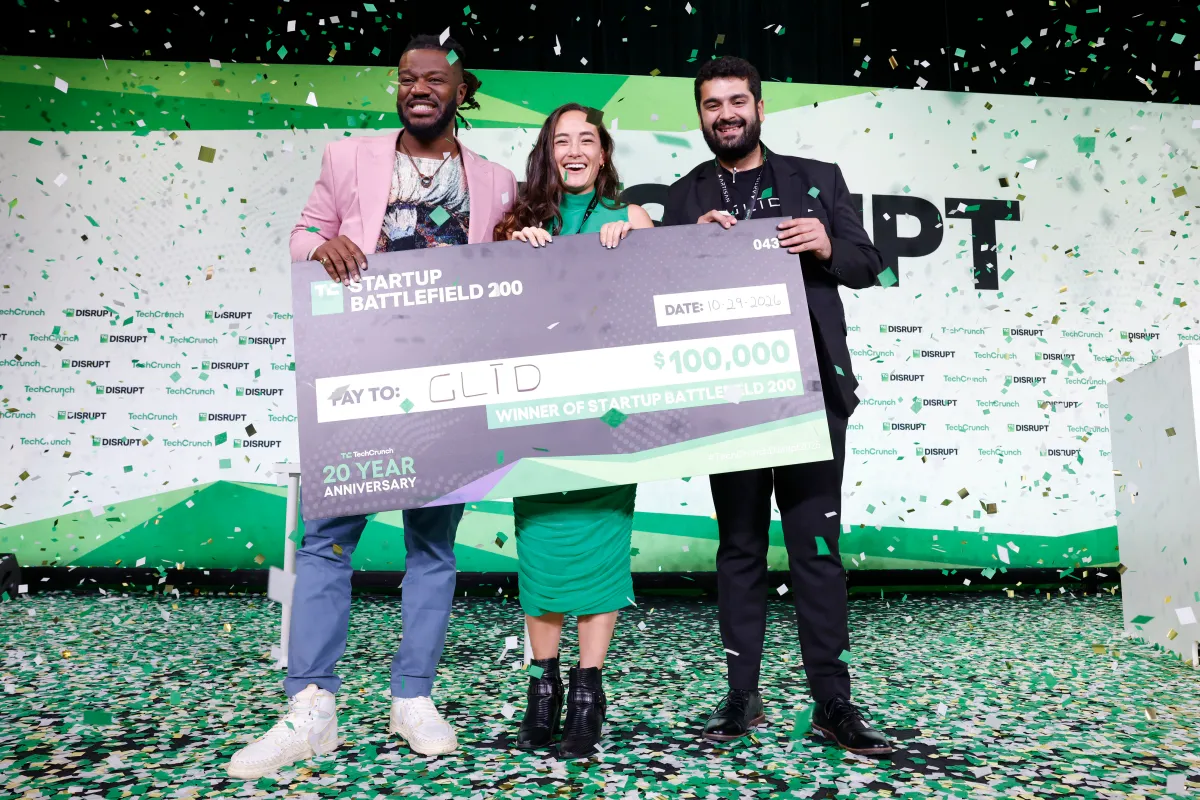

Innovation Disrupts Industry: Startup Battlefield Announces 2026 Call for Innovations
In a clear sign that the next wave of technological breakthroughs is on the horizon, TechCrunch’s annual Startup Battlefield program has opened applications for 2026, inviting early-stage innovators worldwide to showcase their game-changing ideas. The competition, part of the flagship TechCrunch Disrupt event scheduled for October in San Francisco, continues to serve as a launchpad for startups destined to reshape industries and redefine technological boundaries. Industry experts, including MIT researchers and technology analysts, emphasize the significance of such platforms in fostering disruptive innovation and scaling foundational tech advances beyond mainstream horizons.
The criteria: Disruption over polish
Startup Battlefield is distinguished not by the maturity of participants but by their potential to catalyze meaningful shifts. The organizers seek companies with ideas that feel category-defining—those that threaten to make existing solutions obsolete. Product innovation takes precedence over polish, with emphasis on real-time proof of concept. For example, a company demonstrating an MVP that exemplifies real disruption—such as a technology that radically alters supply chain logistics or leverages AI in unexpected ways—stands a strong chance of selection. According to Gartner analysts, the emphasis on real-market impact accelerates the emergence of sector-transforming startups, securing their position in a fast-evolving digital economy.
Global, diverse, and resilient: The new frontier
One notable aspect is industry and geographic diversity. The program’s Startup Battlefield 200 cohort reflects a global mosaic—sources from emerging markets and underrepresented sectors, breaking away from traditional Silicon Valley dominance. Founders are encouraged to articulate their origin stories—why their solutions hold unique promise amid shifting geopolitical and technological landscapes. As Elon Musk and Peter Thiel have repeatedly stressed, fostering diverse innovation ecosystems is crucial to maintaining technological sovereignty and economic resilience in the face of intensifying global competition.
Submission insights: Show, tell, and stay authentic
- Show your MVP in action: Live demos or real-time recordings trump static mockups
- Know your competition: Honest acknowledgment combined with clarity on your competitive edge is indispensable
- Tell your story: Your vision, founder motivation, and conviction matter as much as technical details
Critically, the application process remains welcoming to early-stage companies, including those still pre-launch or bootstrapped. No need for extensive funding or revenue yet—what matters most is potential and market game-changing vision. Many successful applicants have faced rejection before; persistence and authenticity often turn the tide for future applications.
Looking ahead: The stakes have never been higher
The upcoming application deadline, May 27, 2026, marks a pivotal moment for disruptors eager to align their vision with industry leaders and investors seeking the next Tesla or SpaceX. As AI, blockchain, quantum computing, and other frontier technologies accelerate rapidly, startups that leverage innovation and disruptive power will define the future competitive landscape. Gartner’s latest forecasts suggest that companies capable of making significant breakthroughs early on will dominate emerging markets and shift global industry standards. With a vibrant, diverse cohort poised to challenge the status quo, the time for aspiring innovators is now—failure to act could mean falling behind in the race for technological dominance. Given the dynamic, high-stakes environment of 2026, startups must embrace bold visions, demonstrate tangible proof, and prepare for a future where disruption is the new normal.
Innovation is rewriting the rules of the game: are you ready to lead the charge? Apply now and position yourself at the forefront of the revolution.