Matox News

Truth Over Trends, always!

Are Youth Still Chasing Careers in Tech?

Next-Generation Innovators Drive Disruption in AI and Healthcare

The emerging wave of youth-driven innovation underscores the transformative potential of artificial intelligence (AI) and healthcare accessible through community-focused initiatives. A recent survey highlighting perspectives from high school seniors across the United States reveals a generation poised to lead disruptive breakthroughs, emphasizing disruption at the core of technological and social paradigms. These aspiring scientists and technologists are not only witnessing rapid AI advancements but are already actively involved in solving attendant challenges, such as data privacy and ethical deployment.

One standout example is Laksh Patel, a 17-year-old from Willowbrook, Illinois, who exemplifies the new tech frontier. Patel’s pioneering work on algorithms that prevent AI models from disclosing private data such as API keys signals a crucial step toward establishing more secure, trustworthy systems. As AI, especially Large Language Models (LLMs), become embedded in everyday life, it’s clear that security features will define the future competitive landscape. Analysts from Gartner emphasize that the industry must prioritize robust privacy measures to sustain user confidence and prevent regulatory crackdowns. Companies like OpenAI and Google are racing to implement such safeguards, knowing that any breach could undermine entire markets and user trust.

This generation’s focus extends beyond just technological innovation; it reflects a broader disruption of traditional career pathways. Laksh Patel and his peers are questioning the necessity of formal degrees, as skills-based hiring gains traction in the tech sector. Non-traditional routes into industry, including direct industry entry and independent research, are now seen as viable alternatives, pressuring educational institutions to adapt swiftly. Such shifts could redefine the business landscape, favoring nimble startups and decentralized development. Institutions like MIT and industry giants like Elon Musk’s Tesla underline that adaptability is essential for future dominance, especially in AI where timing and execution are everything.

The transformation in healthcare access, as described by young advocates, adds another layer of disruption. Innovators emphasize that community-based efforts are vital for democratizing healthcare, ensuring that underserved areas are not left behind amid digital health revolutions. The advent of AI-powered diagnostics and personalized medicine signals enormous potential but also raises questions about equitable deployment. Forward-looking policymakers and startups like IBM Watson Health are prioritizing scalability and affordability in their innovations, recognizing that the true power of AI lies in its capacity to serve the most vulnerable populations. As Peter Thiel and other tech visionaries argue, the real market disruptors will be those who harness technology for social good, turning disparate communities into empowered hubs of innovation.

In sum, this new generation’s engagement in AI and healthcare signifies an epoch-defining shift. Their focus on security, skills-based pathways, and community health illustrates a future in which disruption is no longer a threat but a driver of progress. The industry must act swiftly to harness this energy, investing in innovation and infrastructure that can meet their expectations. With the pace of technological evolution accelerating, the time to lead is now—those who recognize this urgency will shape the blueprint of tomorrow’s digital economy, where agility and purpose become the new currency of success.
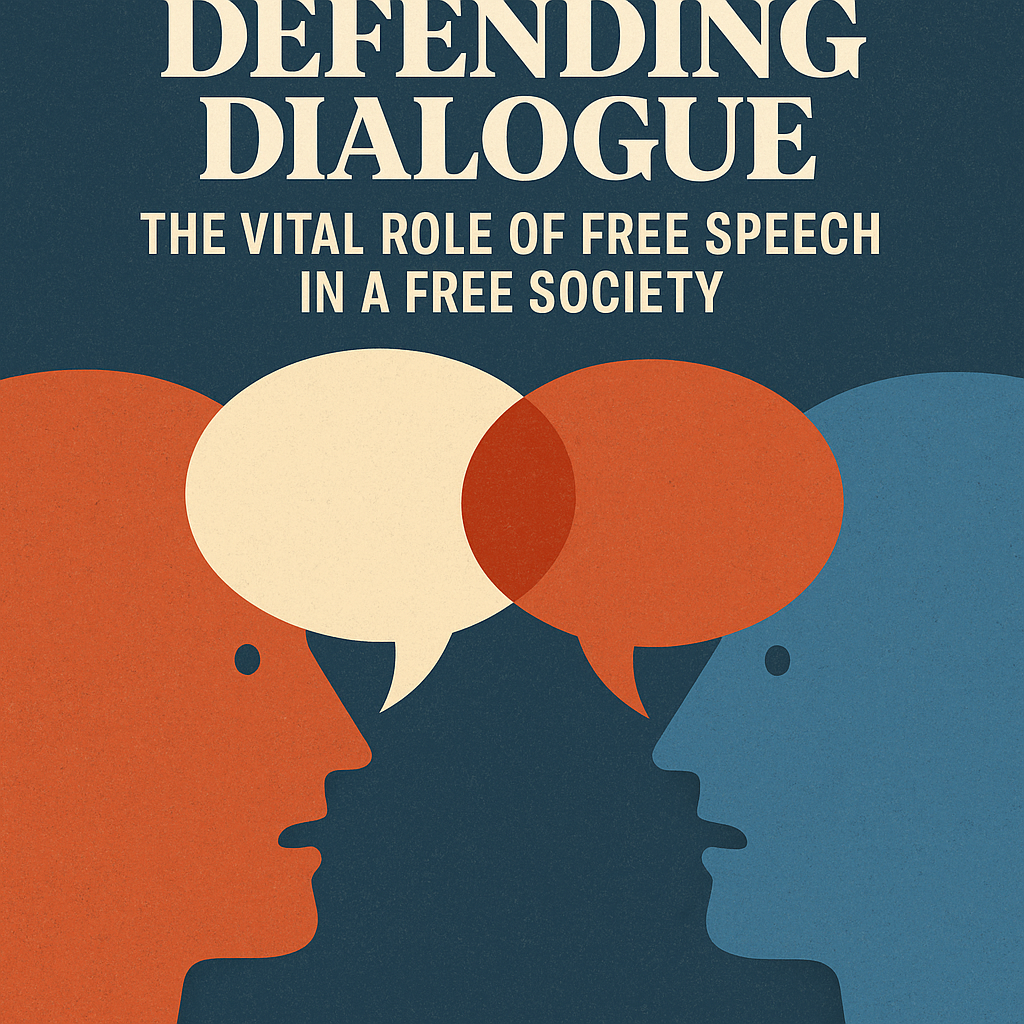
Defending Dialogue: The Vital Role of Free Speech in a Free Society

In an era marked by digital interconnectedness and rapid information exchange, the fundamental importance of free speech in maintaining a vibrant, healthy society cannot be overstated. Critics often posit that unchecked dialogue can foster divisiveness or misinformation, but history and empirical evidence suggest otherwise. John Stuart Mill, in his seminal work On Liberty, argued that the free exchange of ideas is essential not only for discovering truth but for preventing tyranny of the majority. When societies impose undue restrictions on speech, they risk silencing dissent, which can stifle innovation, suppress minority views, and erode the very foundations of democracy. The challenge lies in safeguarding open discourse without allowing harmful content to proliferate, a balancing act that underscores the importance of free and fair dialogue.

Supporters of free speech emphasize that censorship often backfires by driving controversial ideas underground, where they become more difficult to address openly. Economists like Friedrich Hayek have pointed out that free markets of ideas require safeguarding to foster societal progress. Moreover, the digital age has amplified the reach of individual voices, allowing youth-led movements and marginalized communities to challenge entrenched narratives effectively. Nevertheless, critics argue that platforms must moderate content to prevent harm; yet, overreach risks transforming these spaces into echo chambers. Protecting free speech entails constructing boundaries that deter abuse without curtailing authentic debate, a nuanced pursuit that defies simple solutions but remains central to societal resilience.

From a historical perspective, societies that champion liberty of expression tend to experience greater innovation and social cohesion. When citizens are empowered to voice dissent, governmental abuses are held accountable, and policies are scrutinized more effectively. Analysts suggest thatn an environment of robust debate fosters a culture of critical thinking—vital for adapting to complex challenges like technological change or global crises. Limiting speech, on the other hand, can cultivate a climate of conformity, where fear suppresses dissent and free inquiry diminishes. As thinkers like Alexis de Tocqueville observed, “Democratic societies flourish when the individual feels free to speak and think for themselves, even if their views are unpopular.”

Yet, amid the noise and chaos of our digital age, it is essential to remember that free speech is more than a right; it is a moral obligation. It demands responsibility—both from those who exercise it and from societies that protect it. If the future of free societies depends on anything, it is on their ability to defend this sacred space where ideas collide, challenge, and evolve. The weight of this responsibility is immense, for within the marrow of free speech lies the future of human progress itself—an enduring testament to our collective resilience and boundless aspiration, echoing through time as an unbreakable chorus that calls us to remain vigilant and unwavering in the pursuit of truth and liberty.

Culture’s Role in Shaping Our National Identity

At the core of a nation’s identity lies its culture — an intricate tapestry woven from history, traditions, language, and shared values. Critics often argue that in an increasingly globalized world, the preservation of cultural distinctiveness becomes a challenge, yet it remains the most powerful force shaping national character. Alexis de Tocqueville famously observed that culture provides the moral fabric that binds individuals to their collective destinies. Today, as nations face pressures from economic and cultural homogenization, it becomes essential to recognize how deeply rooted cultural narratives foster a sense of belonging and reinforce the social cohesion needed for a resilient nation.

Many contemporary analysts suggest that the identity crises faced by modern nations can be traced back to the erosion or neglect of cultural foundations. When policies prioritize economic growth over cultural preservation, societies risk losing their distinctiveness, leading to a dilution of their shared values. This concern has been passionately articulated by thinkers like Samuel P. Huntington, who argued that cultural identities are vital in shaping political stability and social harmony. A nation’s cultural narratives serve as a bridge connecting past, present, and future — fostering a collective memory that guides societal norms and expectations. When these narratives are deliberately marginalized, communities may experience fragmentation, weakening the social fabric that has historically held them together.

Furthermore, educational systems and media serve as battlegrounds for cultural transmission, playing a pivotal role in either strengthening or undermining national identity. Critics note that in many democracies, there is a tendency to soft-pedal the importance of shared cultural values to appease a globalized mindset that champions diversity at the expense of unity. However, as Roger Scruton emphasized, a vibrant national culture is essential for fostering patriotism and civic pride — qualities that underpin societal resilience in times of crisis. It is through the celebration of heritage, language, and traditions that young generations cultivate a deep-seated respect and understanding for their roots, ensuring that the spirit of the nation endures amid tides of change.

Ultimately, the weight of culture in shaping our national future resonates as an almost poetic truth: that in the silent depths of shared stories and customs lies the blueprint for survival and renewal. As history’s currents threaten to drown distinct identities in a sea of sameness, it falls upon each generation to carry the torch of cultural memory. For only then can a nation remain more than just a geopolitical entity — it becomes a living, breathing vessel of collective hope, resilience, and destiny. The future waits patiently in the shadows of history, whispering that a nation’s true strength is not merely in borders or armies, but in the enduring legacy of its cultural soul, beckoning us towards a horizon where identity is not lost but reborn anew in the flames of tradition and innovation alike.

Reviving Responsibility: The Key to a Thriving Society

In an era often characterized by the erosion of shared values and a growing sense of societal disconnection, the revival of personal responsibility emerges as a fundamental remedy for fostering a thriving society. Critics argue that the decline of individual accountability has catalyzed a cascade of social issues—from economic stagnation to political polarization. Recognized economists like Thomas Sowell have long emphasized that “personal responsibility is the cornerstone of individual freedom and societal prosperity.” This underscores the idea that, without a collective acknowledgment of personal duties—be it in civic engagement, economic participation, or community support—any societal advancement remains illusory. Restoring this concept is about more than moral rectitude; it’s about re-establishing a framework where individuals recognize their role as stakeholders in the societal fabric.

Supporters of responsibility-based policies point to empirical evidence illustrating that societies which foster civic virtue tend to outperform in terms of economic growth and social cohesion.

  • Increased personal responsibility correlates with lower crime rates and enhanced community safety.
  • Educational outcomes improve when students, parents, and teachers share accountability for student achievement.
  • Economic productivity is amplified when individuals take ownership of their careers and financial futures.

Analysts suggest that these benefits are rooted in a foundational principle: trust and self-discipline act as the bedrock of a resilient society. When citizens embrace responsibility as a core value, they become active participants in their destiny rather than passive recipients of state aid or societal neglect. Such a shift, critics argue, also combats the growing dependency culture, which critics say stifles innovation and individual potential.

Moreover, a societal emphasis on responsibility rejuvenates the principles of free enterprise and limited government. According to many classical liberals and fiscal conservatives, expanding personal accountability reduces the burden on public welfare systems and fosters a culture of self-reliance. Authors like Friedrich Hayek have articulated that individual freedom flourishes when people are entrusted with the consequences of their choices, fostering innovation and resilience. As history and recent economic analyses reveal, societies where citizens are encouraged to take ownership of their actions tend to foster broader opportunities and a more dynamic civil life. It is a truth echoed in the modern discourse: responsibility is less about blame and more about empowering individuals to shape their destinies, and by extension, their society’s future.

Yet, the path to such renewal is fraught with challenges. It demands a cultural shift—a movement away from entitlement and towards engagement, accountability, and moral clarity. As history’s torchbearers suggest, fostering a sense of collective responsibility requires more than policy—it calls for a moral awakening rooted in shared virtues. The future of society hinges on whether the younger generations will embrace responsibility not as a burden, but as a badge of honor—a vital thread woven into the fabric of resilience. And so, as dawn breaks over the horizon, it is perhaps only through the rediscovery of responsibility—this ancient yet ever-relevant virtue—that society can forge an enduring legacy, illuminating the path toward a future where collective strength and individual virtue grow hand in hand, illuminating the dark with the light of renewed purpose and unwavering resolve. The question remains: will we answer the call to responsibility, or watch as our societal tapestry unravels into shadows, lost amid the fleeting illusions of dependency?

Reclaiming Responsibility: A Moderate Path Forward for America

As America faces an era marked by swift technological change, mounting economic challenges, and cultural polarization, the question of who bears responsibility for shaping the nation’s future becomes more urgent than ever. Critics argue that the prevailing political discourse often devolves into blame-shifting and partisan rhetoric, hampering meaningful progress. Yet, there is a growing movement calling for a moderate path forward—one rooted in pragmatic responsibility and shared accountability. This approach recognizes that America’s strengths lie not in abandoning tradition or dismissing innovation, but in harmonizing these elements to forge a resilient, cohesive society capable of confronting tomorrow’s uncertainties.

Proponents of this moderate outlook emphasize that restoring responsibility begins with acknowledging the interconnected nature of economic, social, and political spheres. For example, analysts suggest that embracing a balanced view of free enterprise and prudent regulation can foster sustainable growth without sacrificing individual freedoms. Economists like Nobel laureate Edmund Phelps have argued that responsible capitalism—which includes fair labor practices, environmental stewardship, and corporate accountability—serves as the backbone of a thriving nation. Critics also highlight the importance of civic responsibility, urging the younger generation to actively participate in democratic processes and community building, thereby reinforcing the social fabric that binds citizens together in shared purpose.

However, cultivating a culture of responsibility requires more than just policy prescriptions; it demands a cultural shift grounded in respect, accountability, and a recognition of common interests. This entails rethinking narratives that foster division and instead promoting figures who model moderation and integrity. As historian David McCullough once noted, the strength of America has historically stemmed from its ability to galvanize diverse groups around common goals, rather than succumb to factionalism. By focusing on practical solutions rooted in fact and shared values, Americans can navigate the tumult of modern politics with integrity and purpose, acknowledging that progress often arises from difficult compromises and collective effort.

Peering into the horizon, the challenge for the nation is to forge a path that isn’t swayed by extremes, yet remains dynamic enough to adapt and thrive. The weight of responsibility does not rest solely on the shoulders of leaders, but upon all who call this land home—each citizen, educator, entrepreneur, and policymaker. As this great experiment of democracy marches forward, one must ponder whether America will rise as a beacon of collective responsibility or stumble into the shadows of neglect and disunity. The choice lies in embracing a moderate, balanced, and steadfast approach—one that recognizes responsibility as an enduring pillar of hope, a guiding star amid the storm, and the very essence of what turns a nation’s destiny from fleeting dust into an enduring legacy. Forever, the soul of this country beckons us to act, to restore, and to elevate a shared responsibility—lest the annals of history record our silence as the moment when the mighty lost their way, and the promise of liberty faded into the dusk.”

CommunityFirst: Reinforcing Local Bonds in a Fragmented Era

In an age characterized by rapid technological advancement and global interconnectedness, the fragility of local communities has become increasingly apparent. Critics argue that the relentless march of urbanization, combined with the erosion of traditional social bonds, has led to a diminished sense of belonging and shared purpose. However, initiatives like CommunityFirst demonstrate a resilient spirit rooted in the fundamental principle that strengthening local bonds is not only desirable but essential for safeguarding societal cohesion. By fostering grassroots engagement, CommunityFirst aims to create a ripple effect—reinvigorating neighborhoods and empowering citizens to take charge of their collective future within the fabric of their hometowns.

Supporters of this approach highlight that strengthening local bonds leads to tangible benefits, from increased safety to enhanced social capital. Economist Edward Glaeser emphasizes that vibrant communities thrive on the “density of social ties,” which catalyzes economic resilience and innovation. CommunityFirst initiatives promote local entrepreneurship, volunteerism, and civic participation—all grounded in the idea that local action fosters a sense of ownership and pride among residents. When residents feel invested in their neighborhoods, they become less susceptible to the alienation and fragmentation that often fuel social discord and even radicalization among youth.

  • By encouraging local leadership and participation, CommunityFirst addresses the root causes of rural decline and urban alienation.
  • Fostering intergenerational dialogue ensures the transmission of traditions and shared values essential for societal continuity.
  • Supporting local economies through community-driven projects reduces dependence on distant, impersonal corporate structures.

As historians like Charles Murray have pointed out, the preservation of social capital at the community level is the bedrock of a resilient society. Critics argue that federal policies often subordinate local needs to distant bureaucracies, thereby weakening these vital bonds. In contrast, CommunityFirst champions a bottom-up approach, emphasizing that empowering local leaders and cultivating a sense of shared destiny can revitalize the social fabric. In this vision, the community is not just a collection of houses but a living organism—teeming with shared stories, collective efforts, and enduring trust—capable of withstanding the upheavals imposed by external forces.

The future of CommunityFirst, and similar movements, depends on their ability to inspire the youth—those who will inherit both the challenges and opportunities ahead. As we stand at this pivotal moment, it is vital to remember that local communities hold the key to a resilient society. They are the silent sentinels guarding our cultural integrity and social cohesion, holding within them the power to shape an era that harmonizes tradition with progress. The question remains: can we forge a collective consciousness robust enough to withstand the erosion of bonds and anchor a future where every neighborhood, however small, becomes a fortress of unity? As memories merge with aspirations, the future whispers: in the depth of our local roots lies the strength to redefine the destiny of an entire civilization—one community at a time, standing resilient against the winds of fragmentation, until the dawn of a new, united chapter.”

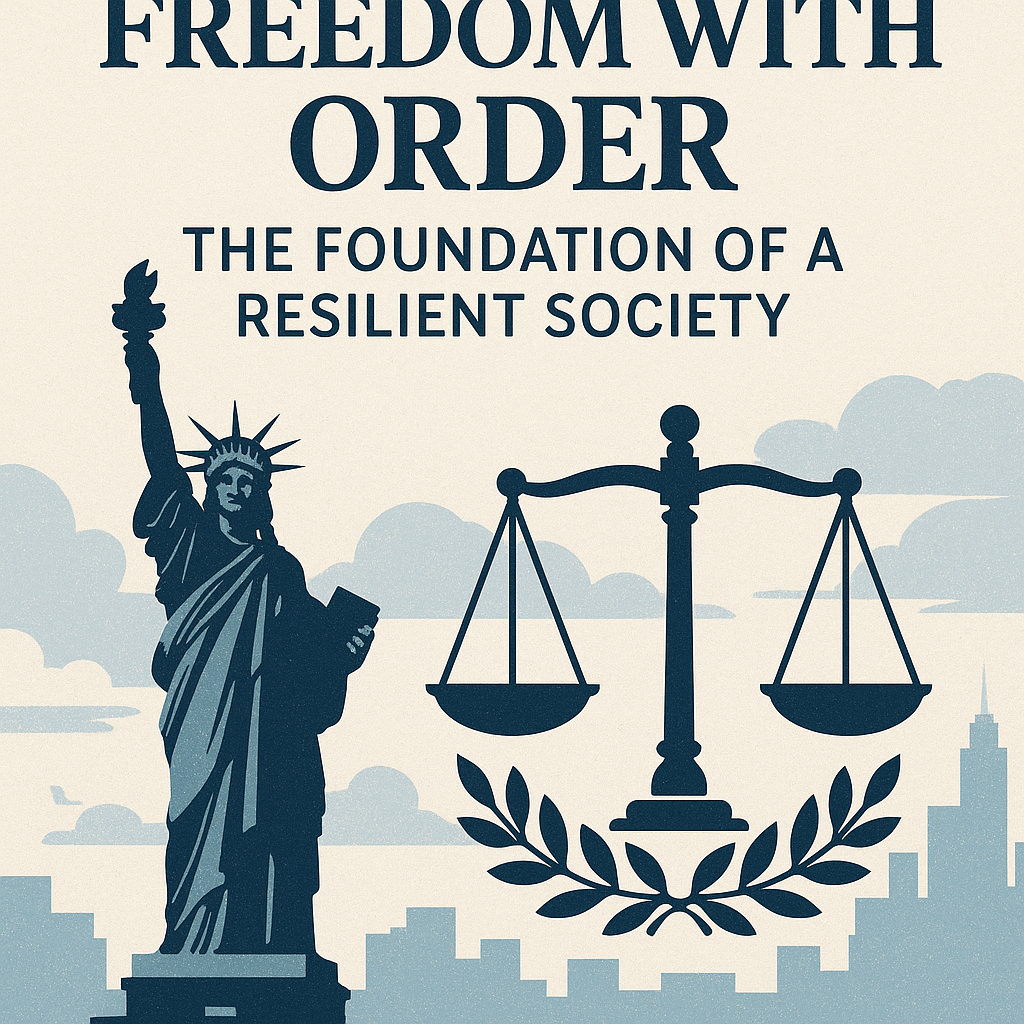
FreedomWithOrder: The Foundation of a Resilient Society

Throughout history, the delicate balance between freedom and order has served as the cornerstone for resilient societies. Critics often misunderstand this dynamic as a trade-off where increased security mandates the sacrifice of liberty. However, seasoned analysts and philosophers such as Alexis de Tocqueville and Friedrich Hayek emphasize that true societal strength emerges when freedom is harmoniously woven with a framework of order—one that upholds justice, personal responsibility, and social stability. In our modern era, this principle remains vital as nations grapple with the chaos of unchecked activism, digital misinformation, and economic volatility, all threatening to unravel the fabric of societal cohesion.

Order provides the scaffolding upon which freedom can flourish. Without clear laws, predictable institutions, and accountability, personal liberties become vulnerable to arbitrary abuse and chaos. As Hayek argued in The Road to Serfdom, excessive controls and central planning inadvertently pave the way for tyranny, strangling individual initiative and innovation. Furthermore, economic stability—a pillar of societal resilience—relies on robust regulatory systems that prevent market excesses and protect consumers. Yet, critics warn that overreach risks stifling entrepreneurship. Balancing this involves fostering a legal environment that safeguards rights while encouraging competition: a mission crucial for youthful societies seeking vitality and adaptability.

In this context, the challenge is cultivating a societal ethos where freedom does not devolve into chaos but is anchored deeply in shared responsibility. This requires fostering civic virtues such as respect for law, discipline, and community engagement. When societies neglect these virtues, they risk devolving into fragmentation, where individual pursuits overshadow collective wellbeing. James Madison famously asserted that “liberty is to faction what air is to fire”—a vital but potentially destructive element unless carefully contained within a framework of ordered liberty. Educating youth on the importance of self-restraint within a free society becomes critical, emphasizing that true freedom entails both liberty and responsibility.

As we peer into the future, the resilience of society may well depend on its capacity to uphold this nexus of freedom fused with order. Societies that embrace this duality act as fortresses against external threats and internal strife, safeguarding the pursuit of progress without sacrificing moral and legal foundations. History suggests that societies which prioritize lawful governance and individual rights can weather intellectual, social, and economic storms with perseverance and grace. The enduring legacy of this balance lies in its promise: to forge not merely a surviving society but one that thrives, diverse yet united, free yet resilient—an unbreakable mosaic crafted by the unwavering harmony of liberty and order.

Rethinking Growth: Empowering Youth for a Prosperous Future

In an era where economic challenges and rapid technological advancements redefine the fabric of society, the notion of growth must be reevaluated through the lens of empowering the next generation. Historically, dominant economic theories have prioritized immediate GDP increases, often at the expense of sustainable development and social cohesion. Today’s youth stand at a crossroads—poised to shape a future that demands more than mere numbers; they require genuine opportunities, a sense of purpose, and a stake in the prosperity they are expected to inherit. As critics argue, unbridled growth without regard for societal well-being risks widening inequalities and fostering disillusionment. Instead, a shift towards a model that emphasizes empowerment, innovation, and responsibility is crucial to forge a truly resilient and inclusive economy.

Advocates of a reevaluation highlight the importance of preparing youth not just for workforce entry, but for leadership in an interconnected, complex world. Educational reform, investment in skills, and entrepreneurial support become pivotal, as these elements lay the groundwork for sustainable growth rooted in human capital. Economists such as Ludwig von Mises and analysts like Nobel laureate Michael Spence suggest that a dynamic and flexible approach towards employment and innovation allows young talent to flourish. Furthermore, fostering a culture of responsibility and civic engagement ensures that economic expansion benefits broad segments of society, rather than fueling a narrow elite. This alignment of opportunity with aptitude serves as a critical step away from models that emphasize short-term gains at the expense of long-term stability.

Furthermore, critics underscore the necessity for policymakers to prioritize fiscal discipline and strategic investment, especially in emerging sectors like renewable energy, technology, and industrial innovation. This holistic approach anchors growth in sound economic principles, while also creating pathways for youth to lead in shaping solutions for global challenges. Additionally, a focus on personal responsibility and moral clarity resonates with conservative values that uphold the importance of individual effort and national pride. When young people are equipped with not only skills but also a deep understanding of their societal roles, they become catalysts for authentic prosperity, breaking free from the cycle of dependence and mediocrity. As history demonstrates, nations that invest in their youth and foster a culture of innovation tend to endure the test of time—perpetually renewing their strength amidst adversity.

Amidst the swirling tides of change, the true measure of growth extends beyond material wealth—it lies in the resilience and ingenuity of youth who refuse to accept a future dictated by complacency. Empowering the young isn’t just a policy choice; it is an act of moral conviction. Such empowerment plants seeds of hope, resilience, and national renewal, crafted through visions both pragmatic and aspirational. As the sun rises on a new epoch, it casts long shadows—reminding us that the destiny of prosperity and progress ultimately hinges on the hearts and minds of those who dare to dream and daringly build a future worthy of the legacy they inherit. Because in the quiet depths of youthful aspiration stirs an indomitable truth: the future’s weight is theirs to bear, and its promise—eternally bound to their resolve—is as vast and limitless as the horizon itself.

Reclaiming Morality: Why Faith Still Guides Our Future

Amidst the rapid tides of social change and technological upheaval, the enduring importance of faith as a moral compass remains a vital pillar for shaping our collective future. Critics often argue that the decline of traditional religious involvement signals a shift towards secular rationalism, yet a closer examination reveals that core moral principles rooted in faith continue to influence societal values profoundly. In an era marked by moral relativism and the questioning of absolute truths, faith offers a stable foundation—anchoring communities and inspiring moral resilience in the face of chaos. Economists like Friedrich Hayek have long emphasized the importance of shared moral frameworks for social cohesion, underscoring that market stability and societal harmony depend on underlying ethical consensus.

Historical analysis highlights that periods of social upheaval often correlate with the erosion of shared moral foundations. When moral values grounded in faith weaken, society risks descending into fragmentation and discord, a concern echoed by historians such as Yale historian John D. Lewis. Many modern crises—be it economic instability, political polarization, or widespread cultural disillusionment—are symptoms of this moral vacuum. Conversely, communities that uphold moral traditions rooted in faith demonstrate resilience and continuity; their shared narratives foster a sense of purpose that transcends fleeting trends. This is why many analysts suggest that faith remains essential in cultivating virtues like integrity, responsibility, and compassion—elements irreplaceable by mere legislation or secular ethics.

Furthermore, the role of faith extends beyond individual morality; it actively shapes the societal fabric through its influence on policy and public discourse. Conservative thinkers such as William F. Buckley and Charles Murray argue that constitutional principles and civic virtues are often rooted in Judeo-Christian morality. These moral underpinnings have historically contributed to the development of Western civilization, emphasizing the importance of family, community, and respect for authority. As the youth navigate future challenges, critical thinkers suggest that rekindling a respect for these moral foundations—rather than dismissing them as outdated—may be the key to rebuilding social trust and fostering a shared sense of purpose. After all, the enduring human quest for meaning and moral clarity finds its most profound expression in faith, guiding us like a lighthouse through stormy seas.

As the pages of history turn, it becomes clear that the future of morality rests not in the abandonment of faith, but in its brave reassertion—a return to the timeless truths that have sustained societies through epochs of darkness and light. The stirring call for moral revival is not merely a nostalgic yearning but a vital necessity in forging a resilient, cohesive future. And so, as the world hurtles into unknown territory, it is the steadfast heartbeat of faith—inscribed in ancient scriptures and woven into the fabric of daily life—that may yet illuminate the path forward. For in the depths of human soul and history alike, morality remains an enduring, unshakable force—an ancient song echoing through the corridors of time, reminding us that our greatest hope lies in the principles we refuse to relinquish.

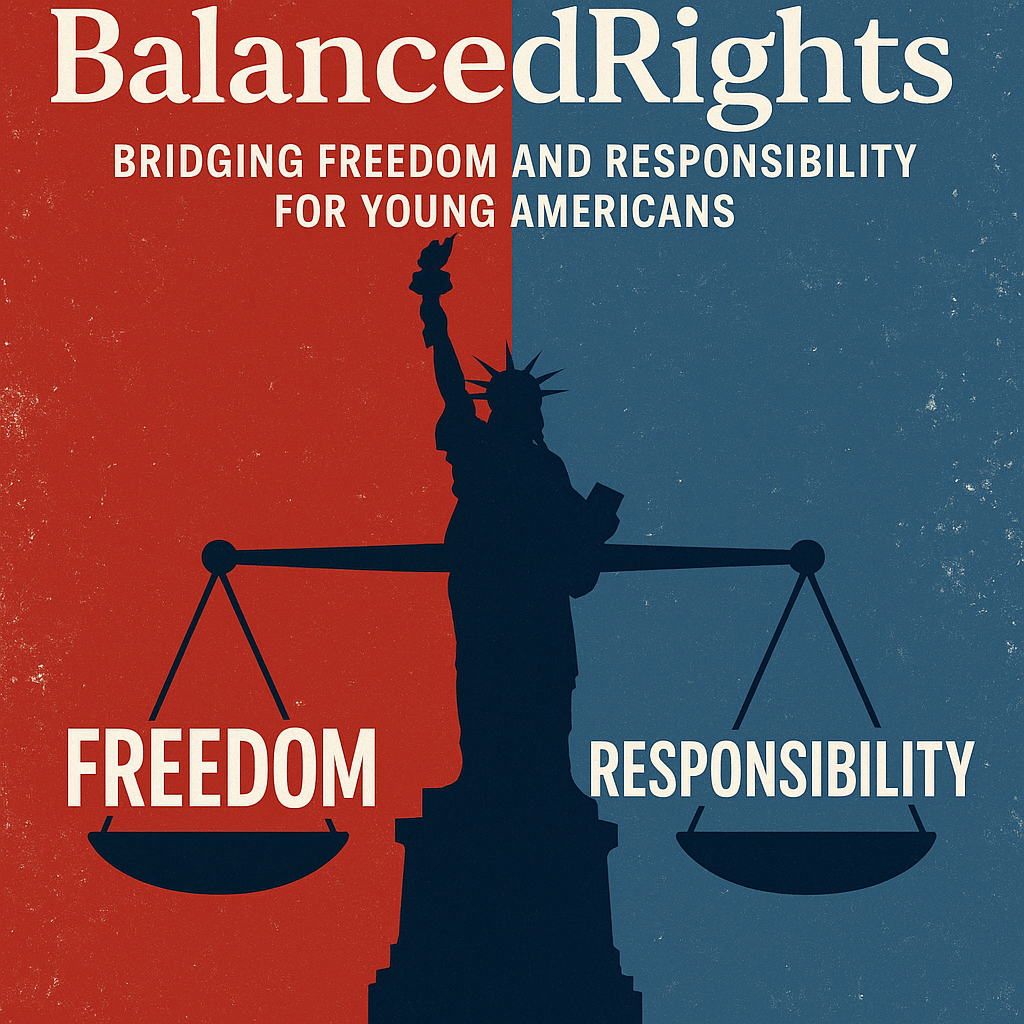
BalancedRights: Bridging Freedom and Responsibility for Young Americans

In an era marked by rapid social change and an unprecedented influx of information, the concept of balanced rights emerges as a vital framework for guiding young Americans toward responsible participation in a free society. The delicate dance between freedom and responsibility is not a new debate, but its significance is magnified today as digital media accelerates the reach and impact of individual actions. The foundational idea is simple: rights should empower, but not encroach upon the rights of others. As American thinker James Madison once emphasized, the preservation of liberty requires the vigilant restraint and self-discipline of those who wield power—academic, social, or political.

Promoting balanced rights among youth entails fostering a culture where personal freedoms are accompanied by civic duty and ethical conduct. Critics argue that unchecked expression, especially online, can lead to harmful polarization and misinformation—issues that undermine the social fabric. As analyst Niall Ferguson suggests, “The social contract in modern democracies demands not just the right to speak, but also the responsibility to listen and engage constructively.” Such a perspective underscores the importance of cultivating empathy and critical thinking skills in young Americans, who are often the most vulnerable to misinformation and echo chambers. Educational initiatives emphasizing media literacy and civic education can serve as pillars in this effort, empowering students to exercise their rights thoughtfully.

Yet, balancing rights and responsibilities also involves understanding the economic and cultural contexts that shape American youth. Economists like Thomas Sowell point out that economic opportunities and personal responsibility are two sides of the same coin—without a sense of agency and accountability, rights become hollow. Society must provide pathways for young people to realize their potential while holding them accountable for their actions. This includes sensible policies on free speech, digital responsibility, and community engagement, which help nurture a generation that values both individual liberty and societal cohesion. In doing so, we lay a foundation for a resilient democracy that values mature discourse over transient outrage.

As society advances into an uncertain future, the challenge remains—how do we craft a narrative that respects the primacy of individual rights without compromising the moral fabric of responsibility? The answer may lie in instilling a shared sense of purpose—a collective recognition that freedom is an active steward, not a passive right. The young Americans of today stand at a crossroads; their choices will echo through the corridors of history, shaping a nation where balanced rights serve as the bridge between liberty’s promise and responsibility’s duty. As the sun sets beyond the horizon, casting long shadows over the uncertain path ahead, it is the weight of this balance—neither too heavy nor too light—that will determine whether the torch of freedom is passed on with wisdom, or extinguished by neglect. For in the end, the future belongs not just to those who claim rights, but to those who carry the burden of responsibility with unwavering resolve, carving a legacy of resilience and virtue amid an ever-shifting world.

Social Media Auto Publish Powered By : XYZScripts.com