
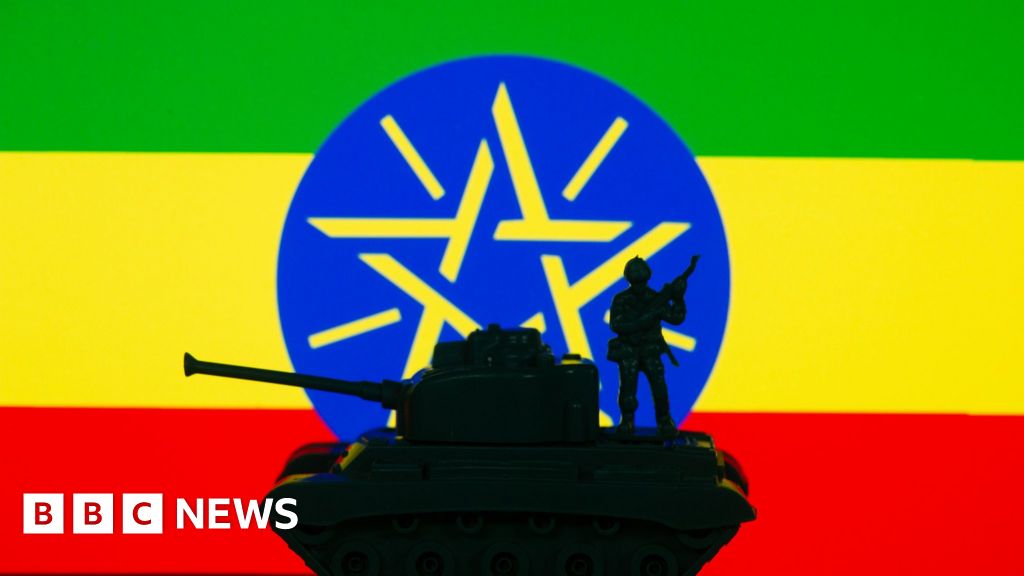

Over three years after the formal conclusion of a bloody civil war in the Tigray region, a troubling new wave of displacement is sweeping through northeastern Ethiopia. Despite claims of peace and stabilization, reports indicate many civilians are once again fleeing their homes, underscoring the fragile nature of post-conflict reconciliation in the Horn of Africa. As these communities grapple with ongoing insecurity, the international community faces mounting pressure to address the persistent humanitarian crisis.
The recent spate of departures reveals a deeper geopolitical undercurrent. Ethiopian authorities continue to confront challenges tied to autonomy demands, ethnic tensions, and the lingering shadows of regional proxy conflicts. Analysts assert that the renewed Exodus is symptomatic of unresolved grievances and underlines the failure of political agreements to deliver lasting peace. Prominent scholars and international organizations, such as the United Nations and African Union, warn that without comprehensive reconciliation measures, the cycle of violence risks reigniting, destabilizing the entire Horn of Africa.
Historically, the Tigray conflict has been a flashpoint for regional and geopolitical tensions. The war, which erupted in late 2020, drew in neighboring countries, including Sudan and Eritrea, each pursuing their strategic interests. The involved parties, motivated by a mixture of ethnic, political, and economic motives, created a complex mosaic of alliances and confrontations. Experts like Dr. Samuel Scott, a historian specializing in African conflicts, emphasize that “the unintended consequence of external meddling has prolonged regional instability and undermined internal peace-building efforts.”
Current developments reveal an acute dilemma facing Prime Minister Abiy Ahmed and his government: how to reconcile national sovereignty with humanitarian imperatives. The recurrence of displacement highlights a disturbing reality—while the formal signing of ceasefires and peace accords marked a political milestone, actual on-the-ground progress remains elusive. The civilian suffering—a quiet, yet profound tragedy—also draws criticism towards international agencies: many argue that insufficient aid, mismanaged resources, and political inertia have failed to stem the tide of suffering.
As the world watches, history’s pen continues to write its haunting tale. The exodus from Tigray is not merely about people fleeing violence; it is emblematic of a broader geopolitical struggle over influence, sovereignty, and regional stability. Every displaced family, every makeshift shelter, echoes the unresolved conflicts that threaten to re-ignite at any moment. In the shadows of newfound peace, the question looms large: will the lessons of history be heeded, or are we doomed to repeat them?





