
The Catastrophic Explosion in Tennessee: A Wake-up Call for Global Security and Industrial Accountability
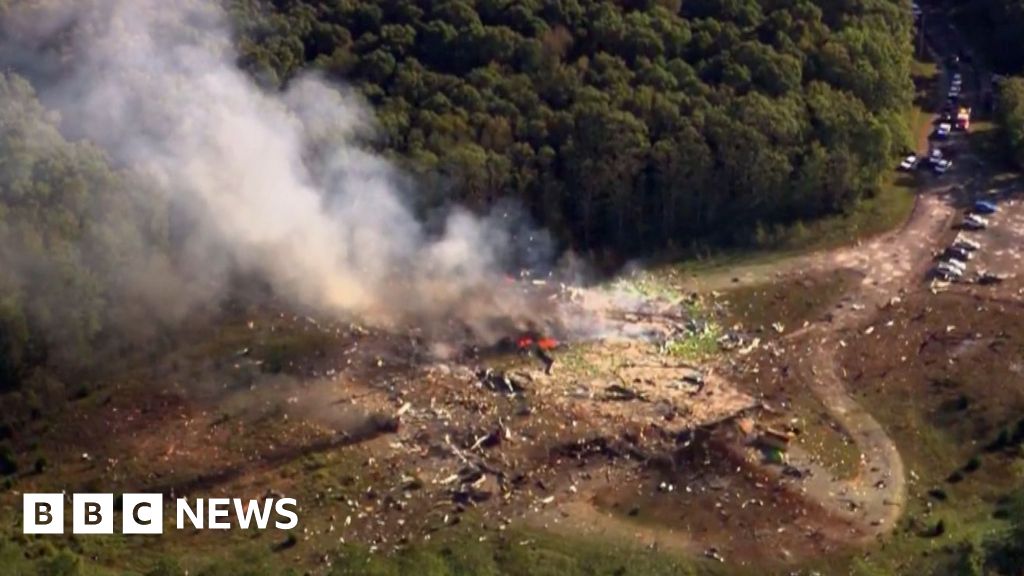
In an event that has sent shockwaves through both local communities and international corridors of power, a devastating explosion at an explosives manufacturing plant in Bucksnort, Tennessee, has resulted in the presumed loss of multiple lives and left a significant mark on industrial safety discourse. The incident, which occurred on Friday, has left 18 individuals unaccounted for, with authorities now confirming that recovery efforts are transitioning into a mourning and investigative phase. The severity of the blast not only highlights the vulnerabilities of local industrial infrastructure but also raises urgent questions regarding the safety standards regulating explosive manufacturing—a concern magnified by the plant’s history, with a similar fatal explosion recorded in 2014.
The proximity of this tragedy to a close-knit American community underscores the profound societal and economic impacts of such industrial failures. Residents, some hearing the explosion from miles away, describe scenes of chaos — fires burning fiercely, debris scattering over half a mile, and emergency responders working tirelessly amid danger. Sheriff Chris Davis and local officials describe the situation as “more devastating than initially expected,” emphasizing the dangerous conditions at the site and the unlikelihood of survivors. The FBI’s involvement, especially with rapid DNA identification, signals the gravity with which the federal government approaches such incidents, not just as an industrial accident but as potential catalysts for international security considerations.
Analysts and historians increasingly see these tragedies as turning points—moments that expose the fissures in regulatory oversight and demand a reevaluation of national security protocols regarding critical infrastructure. With the Bureau of Alcohol, Tobacco, and Firearms and the FBI coordinating investigations, the incident has garnered attention far beyond Tennessee. Such explosions are often overlooked as isolated local events, yet experts warn they may be symptomatic of broader vulnerabilities in global supply chains and the unchecked proliferation of dangerous materials. The incident has prompted a renewed debate among international organizations about the adequacy of safety standards and the potential for such sites to become targets of sabotage or terrorism.
The geopolitical impact of this tragedy extends into considerations of global instability centered on critical resource management. As analysts point out, the ability to manufacture and control explosive materials is a key component of both national security and economic strength. When such facilities fail—regardless of cause—the resulting fallout reverberates, threatening local economies and national security alike. Governments face pressing questions about oversight and safeguarding, with some national leaders warning of the need for more stringent restrictions. The incident—coming on the heels of other recent security lapses—marks a potential shift in how nations prioritize the protection of industrial security and civilian safety, illustrating the delicate balance between technological advancement and oversight.