Matox News

Truth Over Trends, always!

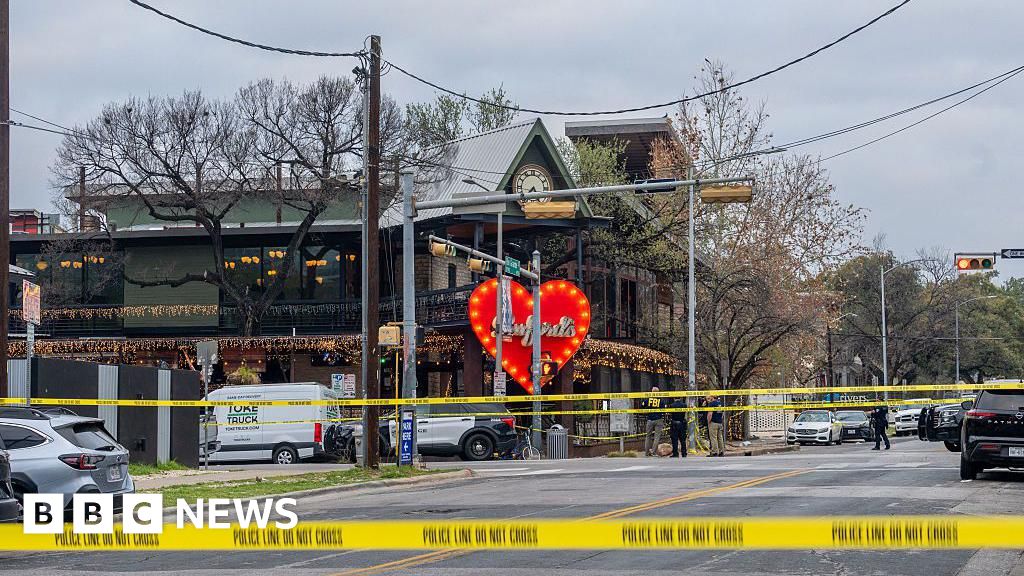
FBI: Texas Bar Shooting Could Be Terror Attack, Authorities Say

In a tragic incident that has captured international attention, a violent shooting event resulted in the deaths of **two individuals** and left **14 others injured**. Authorities confirmed that the suspected gunman was also shot dead at the scene, raising urgent questions about public safety, mental health, and the broader implications for security policies across nations.

Global leaders and security agencies have responded with immediate condemnation, emphasizing the critical need for coordinated efforts to prevent such tragedies. While the specifics of the attack remain under investigation, the incident underscores a common vulnerability: in a world grappling with escalating violence, individual acts of terror or impulse-driven violence can rapidly destabilize communities. Policymakers from **the United States**, **Europe**, and beyond are now scrutinizing existing laws and intervention strategies, with many calling for an urgent reevaluation of gun control measures, mental health support, and law enforcement preparedness.

The geopolitical impact of such events is profound. Countries with liberal attitudes toward firearms often face intensified domestic debates, but the ripple effects extend further. International organizations like **the United Nations** have long warned about the global escalation of violence and the importance of comprehensive security frameworks. As analysts note, moments like these are turning points that test the resilience of societal institutions and the ability of governments to uphold order amid chaos. The incident also intensifies the ongoing debate about **civil liberties versus public safety**, a tension that resonates across diverse political ideologies in multiple nations.

History and experts agree that such tragedies are not isolated incidents but part of a broader pattern that reflects social and psychological undercurrents in modern societies. According to security analysts and historians, these acts of violence often serve as stark reminders of the underlying fractures within communities—whether driven by economic disparity, ideological extremism, or mental health crises. The response to this shooting could either reinforce existing security policies or catalyze reforms aimed at more holistic societal resilience. As one renowned analyst remarked, “Today’s tragedy may ripple for decades, shaping policies and societal attitudes with consequences that will be debated by future generations.”

Amidst the fury of headlines and the grief of the victims’ families, history’s pen continues to write, capturing the unfolding narrative of a world where safety is increasingly fragile. As nations grapple with this latest tragedy, they are prompted to ask how humanity—young and old—can forge a collective path toward a future where such violence becomes a relic of the past. Yet, in the echoes of gunfire and tragedy, one truth remains clear: the weight of history presses heavily on the shoulders of all, a reminder that every decision, every policy, every society’s resolve, shapes the outcome of an uncertain tomorrow.
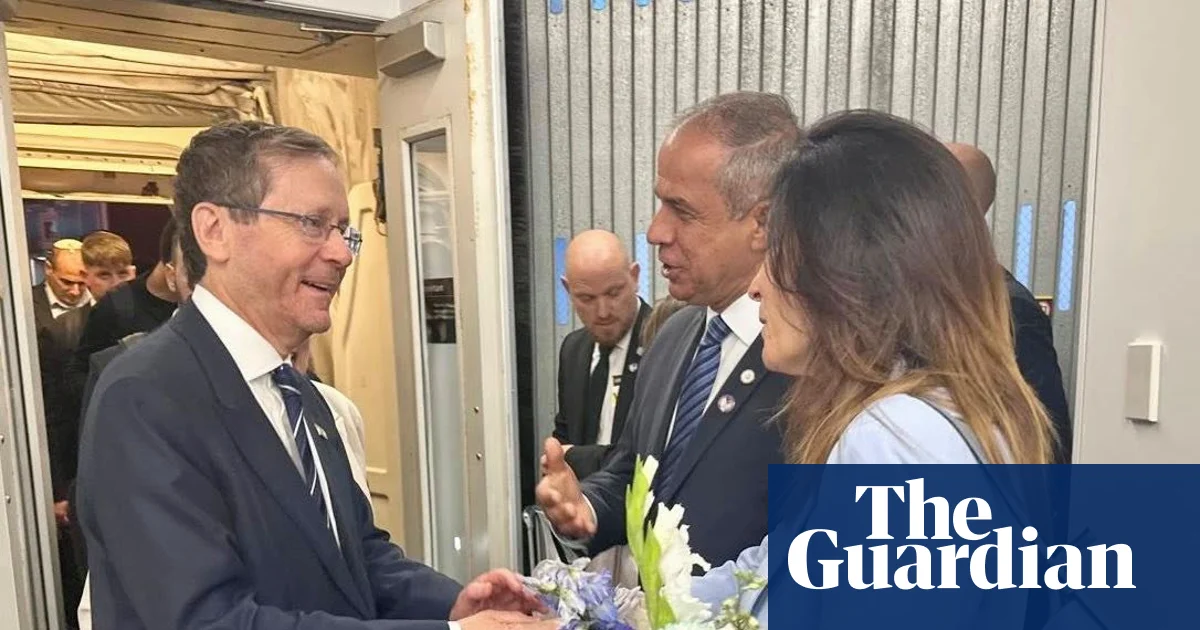
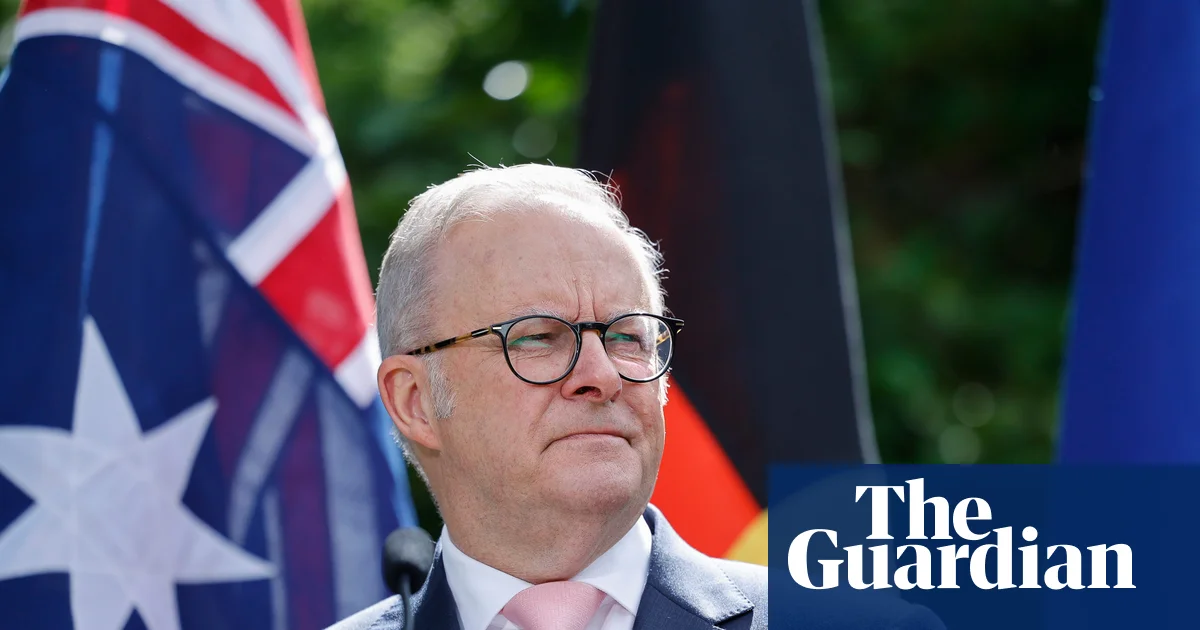
Isaac Herzog visits Bondi to stand with terror attack survivors amid heavy security

Geopolitical Tensions Flare as Israel and Australia Navigate Sensitive Diplomatic Terrain

The recent diplomatic visit of Israel’s President Isaac Herzog to Australia marks a pivotal moment in the ongoing transnational diplomacy surrounding the Israel-Palestine conflict. Herzog’s four-day trip, primarily aimed at engaging with Jewish communities and advocating for bilateral relations, has ignited both support and fierce opposition across the Australian political landscape. While the Australian government, led by Prime Minister Anthony Albanese, positioned the visit as a step toward forging greater unity amidst regional tensions, critics within and outside of the Jewish community viewed it as a provocative act that risks deepening existing divisions.

The visit’s implications extend far beyond symbolic gestures. Herzog’s meetings with top Australian officials, including the prime minister and representatives from across political spectrum, are seen as strategic steps to bolster international support for Israel, especially in the wake of recent violence and antisemitic incidents. The Bondi terror attack, which served as a catalyst for Herzog’s visit, underscored the delicate atmosphere of the Jewish diaspora in Australia, prompting expressions of solidarity from the government and community leaders alike. Yet, the response of sections of Australia’s Jewish community—particularly those critical of Israel’s government—highlight the ethnic and political rifts that continue to challenge cohesion among diaspora populations.

Controversies and the Path Toward International Diplomacy

  • Australia’s Jewish community remains deeply divided, with over 600 members explicitly voicing opposition through full-page ads, criticising Herzog’s visit as a betrayal to multicultural values and Palestinian human rights.
  • Herzog’s international standing has come under scrutiny, with some human rights organizations and analysts accusing him of inciting violence, and even drawing parallels to a “blood libel” by denying allegations of genocide.
  • Adding complexity, recent findings by a UN commission—albeit unofficial and contested—have accused Herzog and Israeli leaders of incitement, a claim that Israeli officials vehemently dismiss as politically motivated propaganda aimed at undermining Israel’s national integrity.

This controversy underscores the geopolitical impact of Israel’s international diplomacy, especially as it navigates accusations of war crimes and genocide in global courts. Such assertions threaten to isolate Israel further on the world stage, forcing the government to rehearse diplomatic responses while managing domestic and diaspora pressures. Meanwhile, Australian authorities, keen to avoid escalation, have been engaged in tense negotiations concerning a planned protest march by pro-Palestinian groups. Prime Minister Albanese and NSW Premier Chris Minns seek a careful balance—preserving the right to assemble while maintaining public order.

The Broader Global Ripple Effect

The Herzog visit occurs within a broader context of shifting international alliances and increasing polarization over Israel’s policies. Historically, Australia has maintained close ties with Israel, often siding with Western allies, yet recent domestic unrest reveals the fragile undercurrents within Australian society regarding Middle Eastern politics. Experts from institutions like the International Crisis Group warn that such diplomatic moves—when coupled with domestic protests and global accusations—could fracture alliances and hinder collaborative efforts in peacekeeping or security initiatives across the Indo-Pacific.

Underlying these developments is a new generation of leaders and analysts who warn that decisions made in these tense moments will echo through history, possibly shaping Australia’s future role on the world stage. As protests flare and diplomatic language tightens, the weight of history presses down, reminding all involved that the decisions taken today may fuel the flames of division or sow seeds for reconciliation. In an era where geopolitics is marked less by clear alliances and more by complex, often contradictory motives, the enduring question remains: How will nations navigate the perilous waters of justice, loyalty, and international diplomacy when history itself continues to unfold before their eyes?

Albanese backs Herzog’s Australia trip as MP demands cancelation — Bondi terror attack aftermath

The Geopolitical Tensions Ignite in Australia Over Herzog’s Planned Visit

The upcoming visit of Isaac Herzog, the President of Israel, to Australia in February has transformed a diplomatic gesture into a flashpoint for international and domestic controversy. The Albanese government’s decision to host Herzog, amidst mounting violence in the Israel-Gaza conflict, underscores the profound geopolitical impact that international diplomatic decisions are increasingly carrying in an era of amplified global tensions. As pro-Palestinian protests threaten to flood streets nationwide, and security measures are heightened, analysts warn that this situation could further destabilize Australia’s social fabric and influence international relations.

This tension was precipitated by the December 2023 terror attack in Bondi, which left 15 civilians dead, prompting a deeply divisive debate on whether inviting Herzog to visit amid ongoing conflict and alleged war crimes is a prudent decision. Anne Aly, Australia’s Minister for Multicultural Affairs, refrained from outrightly endorsing the visit but acknowledged its importance in fostering unity. Conversely, Sophie Scamps, a member of Australia’s parliamentary opposition, and the Palestine Action Group have voiced vehement opposition. They argue that Herzog’s presence could “ignite further division” and could serve to legitimize a controversial figure accused by some international bodies of inciting genocide. These domestic divisions echo wider international debates over how nations should navigate relationships with Israel in a landscape scarred by accusations of war crimes and the ongoing humanitarian crisis in Gaza.

International Organizations and Historical Perspectives Shape the Discourse

Adding to the complexity, the United Nations—or more precisely, a commission of inquiry—has accused Israel of genocide in Gaza in a 2025 report, a document dismissed by Israel as “distorted and false.” Despite this, critics highlight that such accusations reflect a growing international criticism of Israel’s military conduct and raise questions about the legitimacy of Herzog’s visit. Historically, the international community has been divided over how to address Israel’s actions in Gaza, with some, such as the UN panel, framing Israeli policies as genocidal, while others, like Israel’s foreign ministry, dismiss such claims as “Hamas falsehoods”.

Observers including historians like Beverly Crawford and international analysts emphasize that the decisions taken by Australia in this context could have ripple effects well beyond bilateral relations. As U.S. and European alliances continue to grapple with their own external pressures, Australia’s handling of Herzog’s visit serves as a microcosm for the global debate over morality, solidarity, and strategic interests. The planned protests witness Australia’s detailed confrontation with its identity—balancing its historic alliance with Israel and its moral responsibility amidst a humanitarian crisis.

Decisive Actions Shape the Future of International Diplomacy

  • The Albanese government’s insistence on maintaining the visit despite protests reflects a broader choice—prioritizing diplomatic engagement over domestic and international dissent.
  • Major security responses and policy restrictions, such as the controversial protests and police restrictions in Sydney’s CBD, illustrate how internal security concerns are directly linked to international diplomatic gestures.
  • The ongoing debate about Herzog’s visit—and whether it will serve to deepen divisions or foster reconciliation—underscores **the critical importance of diplomatic strategy** in shaping regional stability and international perceptions of Australia’s role on the world stage.

As protests continue and the world watches, Australia’s decision stands as a stark reminder of how history’s heaviest questions—about justice, morality, and international order—are judged in its courts, in its streets, and in the corridors of power. The weight of history is relentless, and with each decision, the world edges closer to defining its moral compass in an era where illusions of separation give way to the profound interconnectedness of nations and peoples. In this moment, the future hangs in a delicate balance, a testament to how echoes of decisions made today will shape the legacy of generations to come—and the unfolding story of a divided world that seeks unity amidst chaos.

FBI Stops Los Angeles New Year’s Eve Terror Plot, Authorities Announce

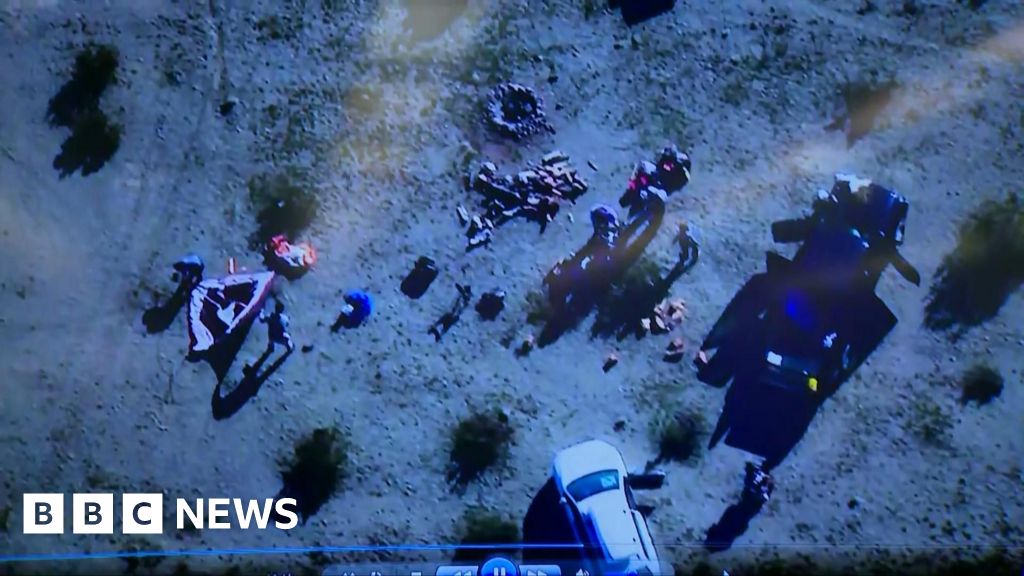
The recent disruption of a potential terror attack in Los Angeles by federal authorities underscores the fragile geopolitical landscape and the persistent threat of extremism within the United States. According to officials, four members of the Turtle Island Liberation Front, a radical offshoot of a pro-Palestinian, anti-government faction, were arrested on suspicion of plotting a coordinated bombing campaign aimed at multiple locations across southern California. The plot, believed to have been scheduled around the New Year’s Eve festivities, involved testing improvised explosive devices in the desert east of the city—a development that raises alarm on multiple levels.

This incident illustrates a broader challenge confronting America’s national security apparatus amidst an increasingly complex geopolitical matrix. The FBI’s swift intervention, which utilized surveillance assets and tactical forces, demonstrates the importance of vigilant law enforcement in countering domestic terror threats. US Attorney General Pam Bondi labeled the foiling of this plot as a preventative measure against “far-left” extremists, emphasizing that the threat comes from varied ideological spectrums. Analysts note that this event signals a shift in how domestic threats are perceived, especially as radical groups exploit social grievances and ideological fissures to mobilize and plan violence.

Significantly, researchers and international organizations have long warned of the rising proliferation of radical ideologies and their potential to destabilize societies. The United Nations and Department of Homeland Security have argued that such plots, if successful, could have devastating impacts — not only on local communities but also on international perceptions of America’s ability to maintain internal security. The suspects, whose ages range from 24 to 41, face serious charges including conspiracy and possession of unregistered destructive devices, highlighting the criminal underpinnings that threaten peace and stability. The incident also spotlights the ongoing challenge of radicalization and the necessity of resilient national security policies rooted in both intelligence and community engagement.

The broader geopolitical impact of this event extends beyond U.S. borders, fueling debates around extremism, migration policies, and the influence of global conflicts on domestic security. As China, Russia, and other geopolitical players continue to extend their influence through strategic maneuvers, the stability of the United States remains critical in maintaining global equilibrium. Analysts warn that permitting radical factions to operate unchecked threatens not only national but international stability, prompting a renewed focus on intelligence-sharing and preventative measures. The foiled plot in Los Angeles is a stark reminder that history continues to unfold on America’s streets—a saga where the lines between domestic and international threats blur beneath the weight of political and ideological turmoil.

As authorities continue to investigate potential ties and broader networks, the question remains: how prepared is the international community to confront these multifaceted threats? The incident has become a cautionary tale, illustrating how decisions made in the corridors of power and the actions of small extremist groups can leave a lasting mark on the modern geopolitical narrative. Today, history watches as an unpredictable future emerges—one where the resilience of societies, the vigilance of nations, and the resolve of global institutions will determine whether this chapter ends with tragedy or resilience. And as the world turns its gaze to the unfolding story, the true significance of this foiled attack may only be understood with hindsight, leaving society to ponder a simple but profound truth: the era of peace is never guaranteed—only defended.

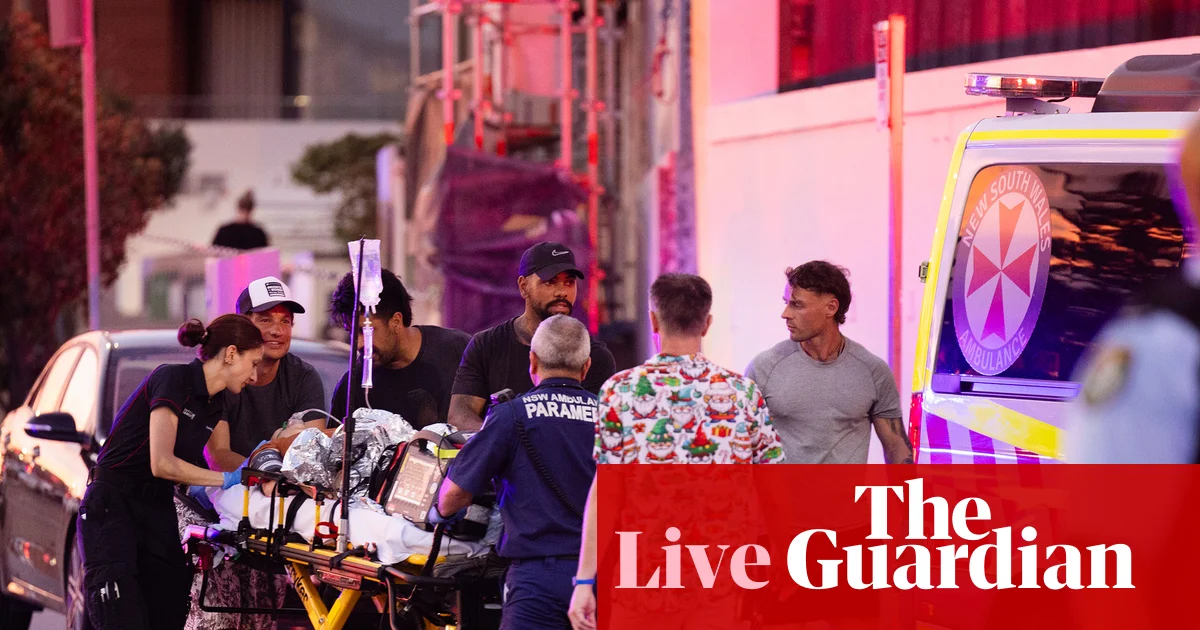
BREAKING: Bondi Beach terror attack leaves at least 16 dead, including a child, and 40 injured—that's a shocking assault on our community—more updates to come.
BREAKING: Bondi Beach terror attack leaves at least 16 dead, including a child, and 40 injured—that’s a shocking assault on our community—more updates to come.

Bondi Beach Terror Attack: A Turning Point in Global Security and Society

The recent terror assault on Bondi Beach, an iconic Australian landmark, has sent shockwaves across the international community, highlighting the persistent threat of radical extremism in an era where geopolitical tensions often appear to fuel hate and violence. The attack, which resulted in at least 16 fatalities—including a child—and dozens wounded, marks one of the most horrific acts of violence Australia has faced in decades. As details unfold, analysts and global leaders alike are examining the incident not just as a tragic outlier but as a reflection of deeper, troubling trends in international security.

Prime Minister Anthony Albanese described the attack as a ‘horrendous act of terror,’ and international leaders have echoed this sentiment, framing it within the broader context of rising antisemitic violence worldwide. The attack is distinguished not merely by its brutality but by its clear targeting of Jewish Americans and Australians during Hanukah—a festival of light and resilience—therefore emphasizing the dangerous potential of ideological extremism to threaten societal cohesion. World organizations, including the United Nations, have issued condemnations, calling for urgent international cooperation to combat hate-motivated acts.

  • Australia’s internal security apparatus has declared the incident a terrorist attack, triggering special legislation and intensifying efforts to trace the origins and motivations behind the assault.
  • Suspected links to violent extremist ideologies have prompted joint investigations by Australian police and global counterterrorism units, emphasizing international collaboration in preventing further violence.
  • Prominent figures such as French President Emmanuel Macron and Israeli leader Isaac Herzog expressed solidarity, labeling the atrocity as an act of hatred and terrorism that transcends national borders.

How the Decision to Recognize a Palestinian State Influences Global Narratives

Adding a complex layer to the geopolitical landscape, Australia’s recent recognition of a Palestinian state—an unprecedented move in Western foreign policy—appears to be intertwined with ongoing regional tensions. This shift has exacerbated debates about the global challenge of extremism and the way geopolitical decisions influence perceptions and acts of violence. Historians argue that such gestures, while aimed at fostering peace, can concurrently serve as catalysts for extremist narratives, which exploit perceived betrayals or alliances to justify their actions.

Expert analysts warn that the incident at Bondi is a grim indicator of how ideological conflicts—whether rooted in regional disputes or historical grievances—are increasingly manifesting as domestic terrorism across Western democracies. The attack’s timing during Hanukah, along with the discovery of suspected incendiary devices, has amplified concerns about how cultural and religious tensions are exploited by malicious entities to destabilize societies. This tragedy underscores the necessity for governments to foster resilience and unity, championing security without surrendering core freedoms or tolerating hatred.

As history unfolds, the legacy of this attack will serve as a test for Australia’s national resolve and the international community’s ability to confront the rising tide of ethnoreligious violence. The heroism of individuals who intervened, risking their lives to prevent further carnage, reminds us that the battle against terror is fought not only through military means but also through unwavering societal strength. The voices of global leaders today echo a pressing warning: the light of hope and unity must shine brighter than ever, for in this darkness, the true test of a civilization’s character is measured. The world’s eyes remain fixed on Bondi, a battleground where the hopes for peace clash against the shadows of hatred—an ongoing saga that will shape the course of history for generations to come.

El-Fasher hospital worker warns of chilling terror ahead of suspected massacre exit

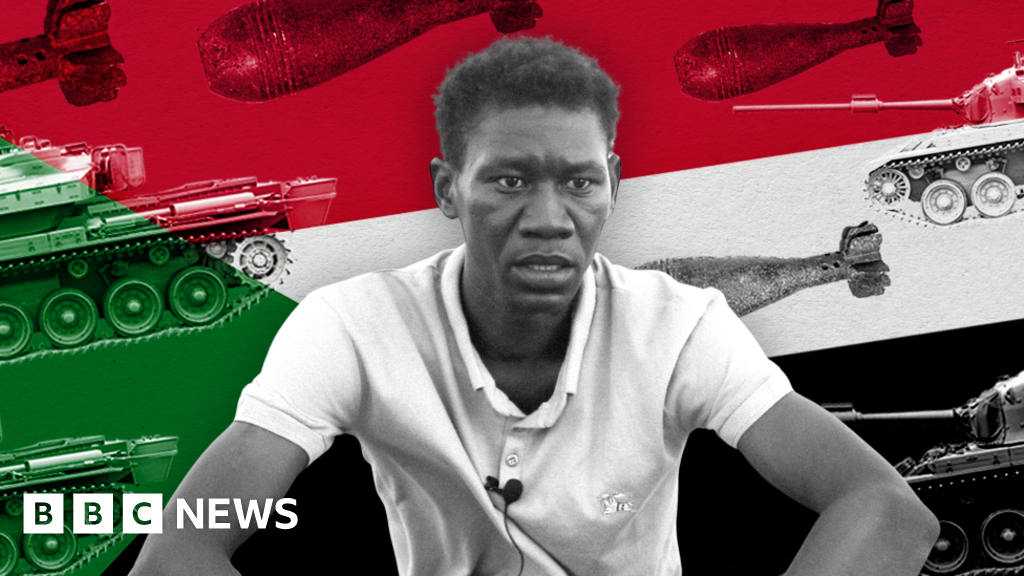
The ongoing Sudanese civil conflict has reached a catastrophic turning point with reports of mass atrocities in the city of el-Fasher. Since April 2023, a brutal power struggle between the Sudanese army and the Rapid Support Forces (RSF) has torn a nation apart, plunging countless lives into chaos, suffering, and despair. The recent escalation, especially in the western region, exposes a heartbreaking decline of humanity amid an already fragile geopolitical landscape. An eyewitness account from Abdu-Rabbu Ahmed, a doctor who survived the massacre at the Saudi Hospital, describes scenes of terror — bodies burned and buried in makeshift graves, hospitals devastated, and families shattered by violence. As analysts from international organizations highlight, this conflict is more than a domestic power struggle; it threatens regional stability and underscores the dangerous consequences when geopolitical interests collide with human rights.

Growing evidence indicates that the fighting has resulted in widespread atrocities, with satellite imagery suggesting the possibility of mass graves in el-Fasher’s hospitals and surrounding areas. Humanitarian agencies, such as the World Health Organization, condemn these acts as atrocities, while the RSF dismisses such allegations as propaganda, claiming all hospitals are abandoned. However, firsthand reports tell a starkly different story: witnesses describe bodies being dumped and set ablaze, medical staff kidnapped, and innocent civilians killed indiscriminately. These narratives, corroborated by satellite data and investigative footage, paint a grim picture of a city under siege. Historians and military analysts warn that such patterns of violence could establish a dangerous precedent for future conflicts in Africa and beyond, potentially destabilizing fragile states and encouraging similar tactics in regional insurgencies.

The geopolitical impact of this crisis extends far beyond Sudan’s borders. As neighboring nations grapple with the influx of refugees and displaced persons, global powers are divided in their responses, with some calling for intervention and others urging caution. The United Nations and regional bodies face mounting pressure to broker ceasefires, but institutional paralysis often hampers decisive action. Meanwhile, broader geopolitical interests — including strategic alliances, resource control, and influence over the Horn of Africa — complicate efforts to stabilize the country. Critics argue that foreign governments, by engaging in selective diplomacy, inadvertently embolden factions such as the RSF, worsening the humanitarian catastrophe. The loss of hope among Sudanese civilians, like Abdu-Rabbu Ahmed, serves as a stark warning of how international indifference can accelerate societal collapse. As the world’s gaze remains fixed on the unfolding chaos, many ask: how much longer can this cycle of violence continue before it tears the region apart?

The appalling images and testimonies emerge amid warnings from historians and political analysts that Sudan’s disintegration could ignite regional conflicts, drawing in rival states and creating a breeding ground for terrorism. The escalation demonstrates how international decisions—whether through embargos, peacekeeping missions, or diplomatic intervention—directly affect societal stability and the safety of millions. The conflict’s recent atrocities serve as a brutal reminder that the weight of history continues to unfurl, with each passing day shaping the future of a nation and the broader geopolitical universe. As Sudan’s cities burn and families flee, the silent question lingers: will the international community step up, or will Sudan be consigned to the pages of history as another victim of failed diplomacy and moral neglect?

Social Media Auto Publish Powered By : XYZScripts.com