

Power Struggles and Cultural Battles: The Modern Political Arena
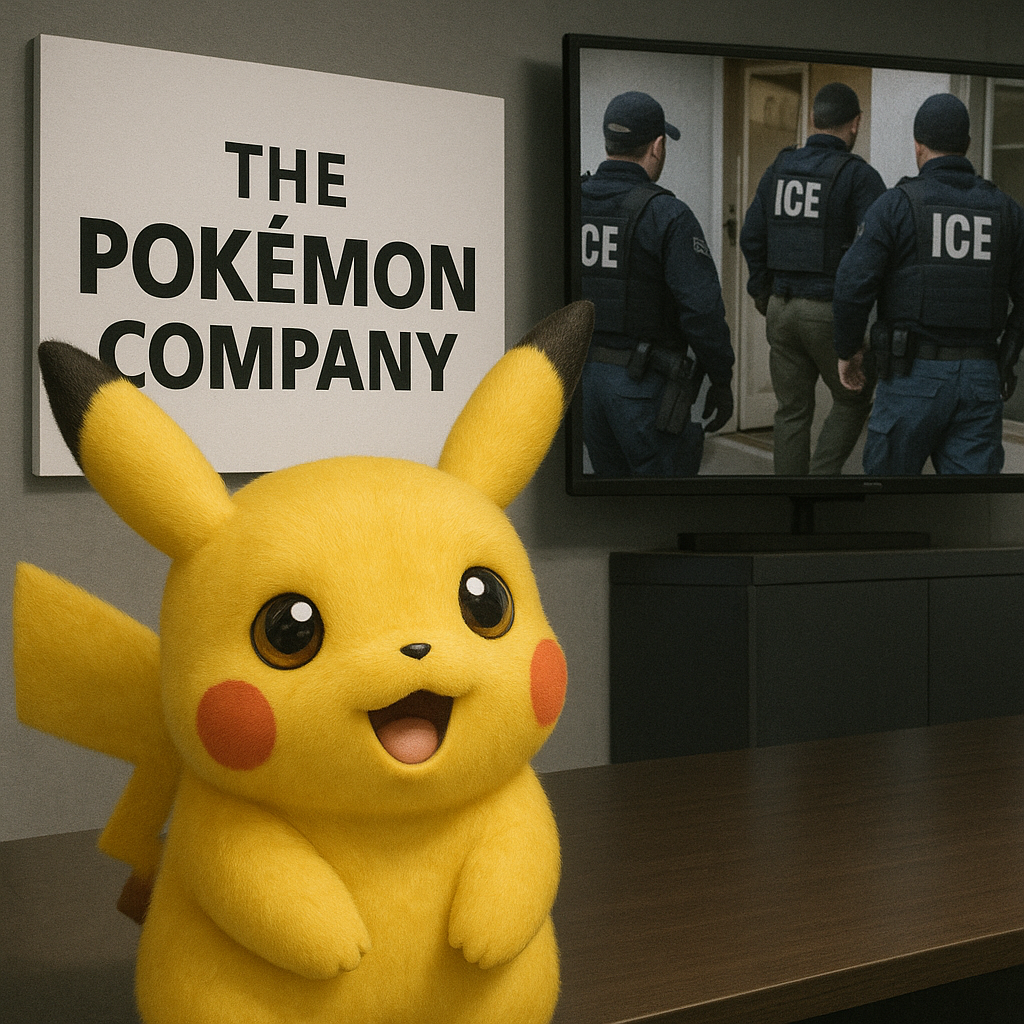
In an era where politics has evolved into a fierce battleground of ideologies and media influence, the recent controversy surrounding the Pokémon Company International exemplifies how cultural institutions are increasingly entwined in national conflicts. The company publicly stated it was not involved in the creation of a Department of Homeland Security (DHS) video that alarmingly incorporated imagery from its beloved franchise—a clear indicator of the power struggles that dominate contemporary governance. This incident underscores how decision-makers, often disconnected from culture’s nuances, make policies that impact the very fabric of societal values, often provoking a clash between popular culture and state authority.
At the core of this conflict lies a broader debate over the boundaries of governmental authority and the role of private entities in shaping public perception. The DHS’s decision to utilize a video that features imagery associated with a global franchise like Pokémon reveals a troubling trend: the state’s attempts to leverage culturally resonant symbols for political messaging. Political theorists like Hannah Arendt warned about the dangers of bureaucratic overreach and the potential erosion of cultural sovereignty. The fact that the Pokémon Company felt compelled to distance itself publicly illustrates the delicate tightrope between power and influence, where cultural assets become pawns in a political game. This incident highlights a fundamental question: who really controls our shared cultural symbols—the people or the state?
Such conflicts are not isolated but reflective of a larger power struggle involving various societal forces. The government’s move to incorporate popular imagery in its campaigns resonates with the historical tactics of authoritarian regimes that aimed to manipulate national sentiment by co-opting cultural icons. Here, we see echoes of the totalitarian use of propaganda, where imagery meant to inspire innocence and joy is twisted into instruments of control. Meanwhile, constitutional experts are raising alarms about the *extent* of government’s interference*, warning that such overreach threatens fundamental freedoms and the constitutional order. The clash between cultural sovereignty and state authority underscores a profound tension: does the government serve the people or manipulate them for political gain? It is a question that reaffirms the importance of safeguarding the principles on which democracy was founded.
In this unfolding narrative, the battleground extends beyond mere imagery; it shapes who controls societal narratives and ultimately, the destiny of the nation. As political strategists and ideology clash behind closed doors, the stage remains set for fixtures of the future—where policy reforms are as much about consolidating power as they are about public welfare. The power struggles we witness today—whether over a franchise’s image or over the core tenets of governance—remind us that history’s greatest nations are defined not only by their laws but by their ability to resist being manipulated by those who wield influence from the shadows. Perhaps, as the great political theorist Leo Strauss argued, it is in understanding these conflicts that citizens find their true power—not in passivity, but in active recognition of the forces shaping their destiny, writing new chapters where the pen is truly in their hands instead of in the grip of unseen masters.





