Matox News

Truth Over Trends, always!

Thieves Make Off with Eight Matisse Pieces from Brazilian Library—A Bold Hit to Cultural Heritage

Armed Robbery at São Paulo Library Raises Global Alarm Over Cultural Security

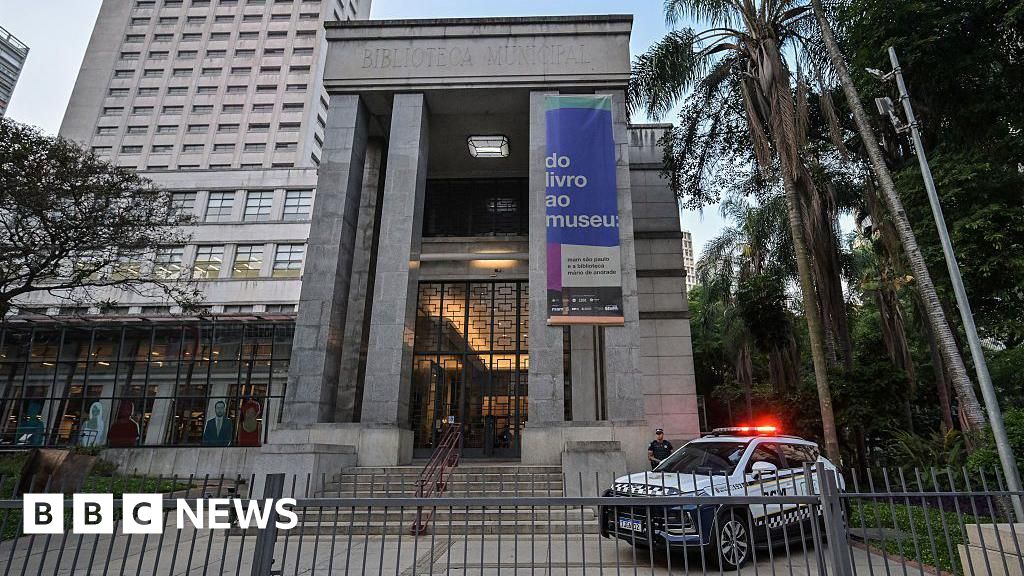
In a startling display of audacity and sophistication, two armed men executed a high-profile heist at the Biblioteca Mário de Andrade in São Paulo, Brazil, Sunday afternoon. The perpetrators targeted an exhibition titled From Book to Museum, part of a collaborative display with the São Paulo Museum of Modern Art, stealing eight valuable engravings by the renowned French artist Matisse and at least five by the iconic Brazilian painter Cândido Portinari. This brazen attack not only epitomizes the ongoing threat to cultural heritage worldwide but also underscores the vulnerabilities of even the most technologically guarded institutions.

According to Brazilian officials, the robbers intruded during the library’s operating hours, promptly holding up a security guard and an elderly couple, before fleeing on foot with their ill-gotten gains. The immediate responses from authorities were swift; within hours, they identified a vehicle used in the escape and arrested one of the suspects. However, the real significance of this event extends beyond immediate law enforcement actions. It sheds light on broader issues of cultural security and international art theft, which have become increasingly prevalent in our interconnected world.

Analysts and international organizations have voiced grave concern regarding the cultural implications of such thefts. The artworks stolen include a collage Matisse made for the exclusive edition of his jazz-themed art book, valued by critics as incalculable in worth. The significance of the stolen Portinari engravings is similarly profound, as they vividly depict Brazil’s rural labor scene and are considered national treasures. Historians warn that these works are irreplaceable “symbols of cultural identity,” and their loss resonates far beyond the art world. The heist’s timing—right before the exhibition’s closure—appears calculated to maximize impact and evade detection, echoing recent high-profile international art thefts, including the Louvre break-in just two months prior.

This theft exposes the fragile veneer of cultural preservation in a global landscape increasingly susceptible to illicit trade and organized crime. Officials point out that despite the presence of advanced facial recognition technology and extensive security camera networks, such plotters still managed to execute their plan, raising questions about vulnerabilities in both physical and digital security systems. Expert opinions emphasize that this is a clarion call for nations to reevaluate their protective measures for priceless cultural artifacts, especially as thieves become more organized and technologically savvy. As international institutions like UNESCO continuously warn of the rising tide of cultural theft, this incident in Brazil exemplifies the urgent need for reinforced defenses and coordinated global responses.

As the dust begins to settle, the weight of history presses heavily on the shoulders of society. This audacious act in São Paulo is more than a theft—it’s a reminder that the battle for cultural heritage is ongoing. It reflects a broader struggle where national identity, history, and art intersect with the dark underbelly of global organized crime. How nations respond to these attacks will determine whether they can protect their soul from the corrosive effects of greed and lawlessness, or if they will watch as their cultural legacy is relentless stripped away—moment by moment, artifact by artifact—until nothing remains but echoes of what once was.
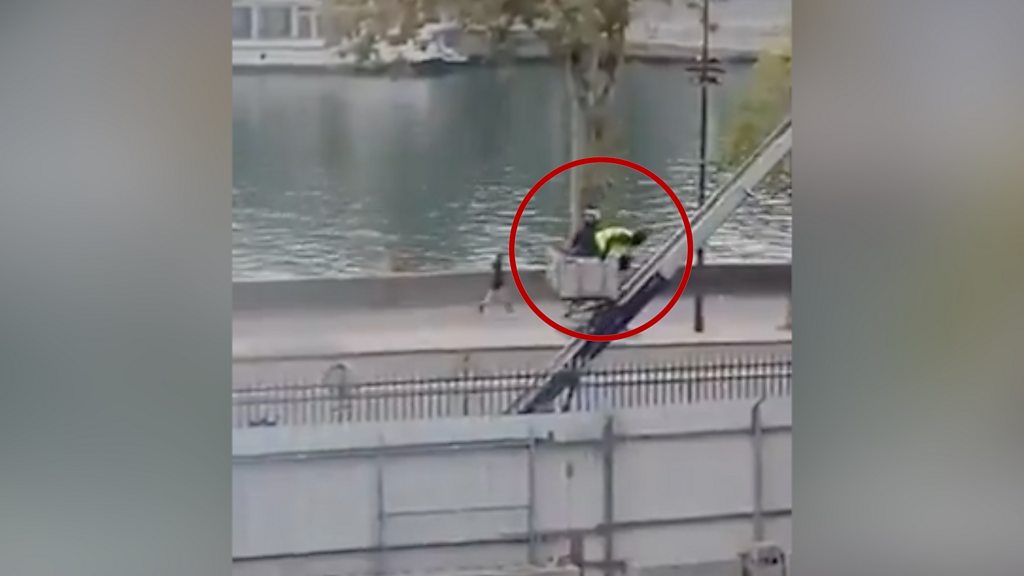

Video surfaces of suspected thieves fleeing—Could justice be on the horizon?

High-Profile Louvre Heist Sparks Global Outcry and Strategic Overhaul

In a startling incident that has sent shockwaves through the international community, Paris-based authorities are grappling with the aftermath of a brazen theft at the Louvre, one of the world’s most iconic cultural institutions. Video footage publicly emerging shows two suspects making their daring escape on a mechanical ladder in broad daylight, shortly after they infiltrated the museum and stole an estimated €88 million worth of France’s crown jewels. This event underscores not only a glaring security failure but also signals an urgent need for global institutions to reassess their protective measures amidst rising threats to cultural heritage.

Security Failures and Strategic Shortcomings in Cultural Preservation

According to Laurence des Cars, the director of the Louvre, the incident exposed critical vulnerabilities, notably the insufficiency of surveillance infrastructure. She admitted that the museum had only one CCTV camera monitoring the gallery where the jewels were displayed—a lapse that facilitated the thieves’ quick and unchallenged operation. The fact that the thieves managed their escape within less than eight minutes after the breach illustrates just how vulnerable such institutions remain in an era marked by increasing organized crime. Parisian prosecutors have confirmed that police have collected up to 150 DNA samples and fingerprints, yet the perpetrators remain at large, highlighting the difficulty in preventing sophisticated break-ins.

The stolen items included historically priceless artifacts—a necklace and earrings gifted by Napoleon Bonaparte to his second wife, Marie-Louise. Significantly, amidst the chaos, a 19th-century diamond-studded crown belonging to Empress Eugenie was dropped during the ransacking and, despite being recovered, was heavily damaged—likely crushed as thieves pried it from its case. This act not only represents a cultural loss but also exemplifies a reckless disregard for history and heritage. Such events compel international organizations to reevaluate their security protocols, especially when targeted assets are intertwined with national identity.

Global Implications and the Threat to Cultural Institutions

The Louvre theft underscores a broader trend affecting cultural institutions worldwide—an increase in well-coordinated, high-stakes burglaries driven by the lucrative black market for priceless artifacts. Analysts warn that such incidents threaten international heritage and create destabilizing narratives that can fuel political instability. Experts from organizations like INTERPOL have voiced concerns about the rise of organized crime syndicates specializing in art theft, which exploit gaps in security to pillage cultural icons. On a geopolitical level, this not only erodes shared history but also impairs soft power, as nations must scramble to protect their cultural legacy from becoming commodities for illegal trades.

In response, France announced plans to double CCTV coverage at the Louvre and surrounding sites, acknowledging that previous security measures were inadequate. Yet, this incident raises a stark question: how many other cultural treasures worldwide are vulnerable due to similar logistical gaps? As historians and security analysts debate the profound turning points in antiquities preservation, this event leaves a haunting question in the air—will global authorities prioritize meaningful security reforms before more artworks vanish into the shadows of illicit markets?

As history continues to unfold amid this dark chapter, the weight of this act reverberates far beyond Paris’ borders. The theft is not merely a loss of gold and jewels—it’s a challenge to the sovereignty and cultural identity of a nation, now etched into the ongoing struggle for safeguarding humanity’s collective memory. The story remains unwritten, and the world watches as the remnants of this audacious heist threaten to threaten the very fabric of civilization’s shared history.

Social Media Auto Publish Powered By : XYZScripts.com


