
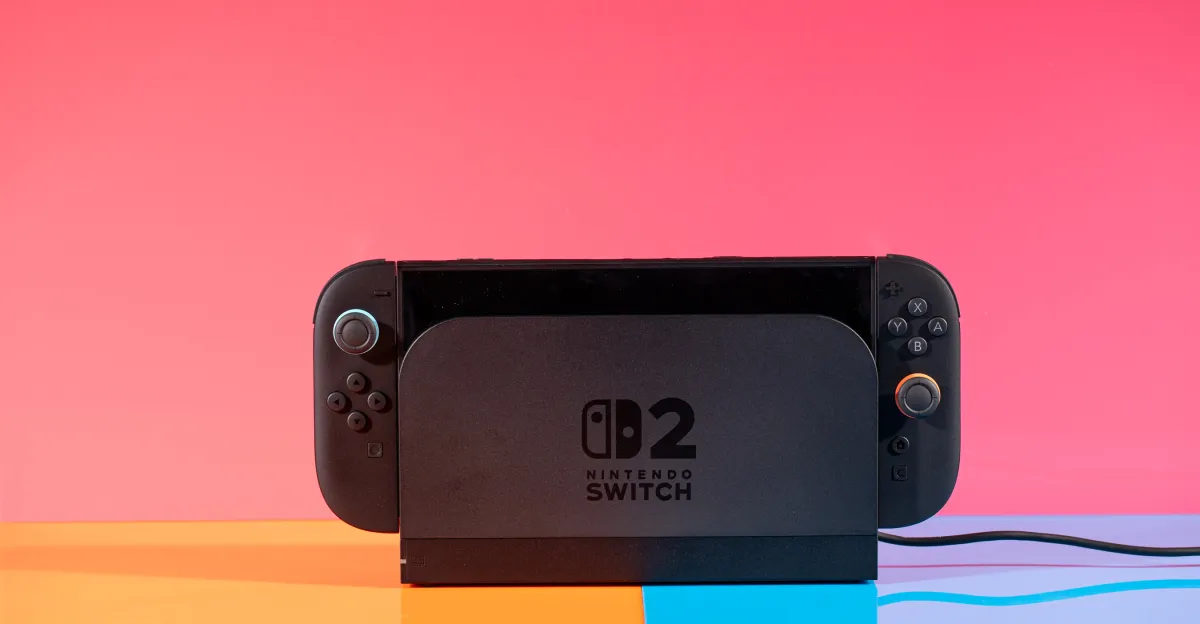

The recent firmware update 21.0.0 for Nintendo’s highly anticipated Switch 2 has sent ripples across the gaming and accessory markets, exemplifying how technological innovation often triggers disruption within proprietary ecosystems. While Nintendo aimed for minor improvements, the update unexpectedly compromised compatibility with popular third-party docks, spotlighting an ongoing battle between console manufacturers’ desire for control and third-party innovators’ push for open ecosystems. This move shifts the industry’s dynamics, prompting accessory companies to quickly recalibrate their strategies—a reflection of the relentless pace of innovation and the high stakes involved in maintaining relevance.
Initially, third-party accessory developers scrambled to reverse-engineer Nintendo’s proprietary handshake protocols, racing against the clock to keep their products functional. Early efforts involved:
- Adjusting firmware commands
- Modifying power delivery algorithms
- Reengineering chips to bypass restrictions
Despite significant progress, the latest Nintendo update appears to have reconfigured the system’s handshake handshake validation, effectively “closing the door” on previous circumventions. This turn heralds a broader industry pattern where tech giants like Apple and now Nintendo are implementing tighter control measures—potentially signaling a move toward a more closed, locked-down ecosystem that limits third-party innovation. Whether Nintendo will follow the model of Apple’s MFi certification, allowing accessory developers sanctioned access through a standardized, fee-based program, remains to be seen. Such a move could catalyze a new wave of disruption, as legitimate players might leverage certification to ensure quality while safeguarding platform integrity, but it also risks stifling independent innovation.
This scenario exemplifies the ongoing tension between disruption and control—a dynamic examined closely by industry analysts and thought leaders across sectors. Experts from MIT and Gartner warn that, without a shift toward more open standards, manufacturers risk alienating the very communities that drive their ecosystems’ relevance. Yet, at the same time, business giants are realizing that protecting their ecosystems can reinforce brand loyalty and revenue streams. The implications are profound: third-party accessory markets, once thriving on flexibility and innovation, may face increased barriers, yet they remain critical to fostering technological innovation and consumer choice.
Looking into the future, the trajectory appears clear: we are entering a phase where control measures become more aggressive, but opportunities for strategic disruption also multiply for those willing to innovate within or around these constraints. Companies that can negotiate certification programs, or develop solutions that seamlessly integrate with proprietary systems, could secure a strategic advantage, turning restrictions into opportunities. As industry leaders like Elon Musk and Peter Thiel have argued, real innovation often emerges from disruption—not compliance. The challenge ahead for accessory makers and developers: adapt rapidly or risk obsolescence in a market that rewards agility and forward-thinking. Ultimately, the next wave of technological evolution will test the limits of control, opening a landscape fraught with both danger and opportunity—a future where those who act boldly will define the new frontier.”






