

Emerging Shifts in National Commitments and International Tensions Reshape Global Geopolitics
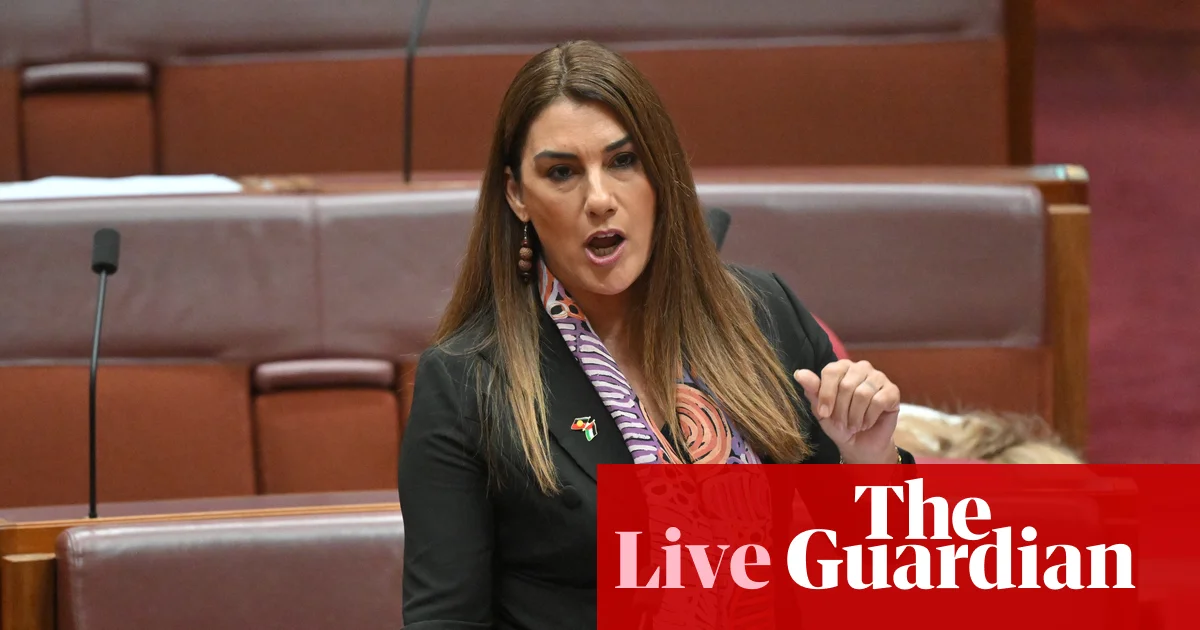
In a landscape steeped in rapid change, recent developments across nations reveal a profound transformation in how countries are engaging with issues of sovereignty, policy independence, and international cooperation. Australia has taken a historic step, passing its first treaty with traditional owners in a move that has sent ripples through geopolitics and Indigenous rights globally. This milestone signifies a break from past colonial frameworks and signals a potential recalibration of national identity and sovereignty. As Lidia Thorpe, a prominent Indigenous senator, asserts, this treaty marks a good start towards “real self-determination”, challenging the long-standing narrative that post-colonial states are resigned to their subordinate roles within global structures.
However, this progressive shift is not happening in isolation; it feeds into a broader contest for national sovereignty witnessed elsewhere. In Victoria, the passage of the Indigenous treaty aligns with a global increase in directly empowering indigenous and local governments—yet, critics warn that such victories could be undermined by overarching international pressures or domestic political stalls. Meanwhile, in Queensland, a tragic incident involving a young girl struck by lightning exemplifies the ongoing domestic crises rooted in local societal challenges—an inward reflection on societal resilience amid external geopolitical turbulence.
The international arena is also seeing strategic realignments. Australia and Papua New Guinea are deepening their security cooperation through new agreements designed to both enhance regional stability and counter transnational crime. These steps are emblematic of a wider surge in regional diplomacy, motivated by rising external threats from expanding powers like China and Russia. Similarly, Australia’s partnership with Papua New Guinea aims to fortify borders against illicit flows, emphasizing the importance of sovereignty while navigating the complex web of international alliances.
Within this context, debates over climate policy reflect a growing divide between economic independence and international commitments. Maria Kovacic and other members of the Liberal faction are grappling with the necessity for a feasible path toward net zero, including potential reliance on nuclear technology—a move that could alter the tectonic plates of global energy politics. Analysts warn that such policy debates are not merely domestic; they are the battlegrounds for influence over energy markets and technological dominances that will define the twenty-first century. Meanwhile, the Australian government faces accusations of opacity, with calls to improve transparency and accountability—an internal struggle that underscores tensions within the fabric of liberal democracies worldwide.
As history accelerates, we are witnessing the dismantling of old paradigms and the rise of new configurations—some peaceful, others fraught with conflict. The passage of treaties, the forging of security alliances, and the internal policy debates reflect a world that is both reshaping and being reshaped. Time will reveal whether these shifts forge a more sovereign, just, and balanced future or plunge nations into deeper crises of identity and trust, echoing the tumult of our most turbulent eras. The pages of history are turning—what will they record about this pivotal decade in global history?





