Matox News

Truth Over Trends, always!

Anthropic Pushes Back After Pentagon Calls It a ‘Supply Chain Threat’

U.S. Pentagon Designates Anthropic as a Supply Chain Risk: A Disruptive Move with Far-Reaching Business Implications

In an unprecedented decision that underscores the escalating geopolitical stakes in AI innovation, United States Secretary of Defense Pete Hegseth has ordered the Pentagon to label Anthropic as a “supply-chain risk,” effectively banning U.S. military contracts with one of the industry’s leading AI firms. This move signals a radical shift in how government agencies perceive and regulate AI giants, especially those considered potential security vulnerabilities due to foreign influence or ownership, and could disrupt the flow of AI development for defense and commercial sectors alike. Previously, Anthropic was celebrated for its Claude AI model, a major player in the rapidly evolving AI ecosystem, but now faces the threat of being sidelined at a critical time of geopolitical tension and technological disruption.

This decision arrives after weeks of tense negotiations between Anthropic and the Pentagon, centered on ethical and strategic use of AI technology. The Department of Defense demanded a broad usage agreement, explicitly permitting AI to be applied for “all lawful uses,” including autonomous combat, which Anthropic rejected based on its ethical stance. With the designation of a “supply chain risk,” the Pentagon aims to shield itself from potential security vulnerabilities—foreign control, influence, or ownership—that could compromise sensitive defense systems. The move establishes a new precedent where AI companies could be classified as security risks, compelling Silicon Valley to rethink their engagement with government agencies under the specter of national security.

Critics and industry experts are raising alarms over the implications of this action, with Dean Ball, senior fellow at the Foundation for American Innovation, condemning it as “the most shocking, damaging, and overreaching thing I have ever seen the U.S. government do.” Such sentiments reflect a broader concern that the move might ignite a dangerous precedent, fostering a climate of lawfare and regulatory overreach that could stifle innovation. Meanwhile, Sam Altman, CEO of OpenAI, announced that his company had secured a deal with the Department of Defense to deploy models in classified environments, emphasizing safety principles such as prohibitions on domestic mass surveillance and autonomous weapons. This delineation signals a potential bifurcation in AI applications, where some firms may be selectively allowed to work with military and intelligence agencies.

From a strategic business perspective, the designation of Anthropic as a security risk could accelerate industry shifts towards more government-friendly AI solutions or push companies to develop sovereign and domestically controlled AI platforms.

  • Disrupts supply chains of AI models crucial for national security and commercial innovation.
  • Raises questions about governmental influence over proprietary AI technology.
  • Set a potential precedent for further restrictions on emerging AI firms linked to foreign influence.

This movement also indicates that AI’s role in national security is stepping into a new era, where innovation pathways are increasingly being dictated by geopolitical considerations rather than purely technological capabilities. As industry leaders and policymakers grapple with defining AI’s ethical and strategic boundaries, disruption in the AI landscape becomes inevitable.

Looking ahead, the industry faces a crucial crossroads: Whether to adapt to a cautiously constrained regulatory environment or forge ahead with a more autonomous, globally competitive approach. The decision will have profound implications for American leadership in AI innovation, cybersecurity resilience, and tech sovereignty. The stakes are high—the coming years will determine if American AI firms can continue to innovate free from overreach or if they will be confined by an increasingly securitized national agenda. In this dynamic, the urgency for stakeholders to embrace disruptive innovation with strategic foresight has never been clearer, as the battle for AI dominance intensifies on multiple fronts. The future of American AI—its autonomy, security, and global competitiveness—hangs in the balance.
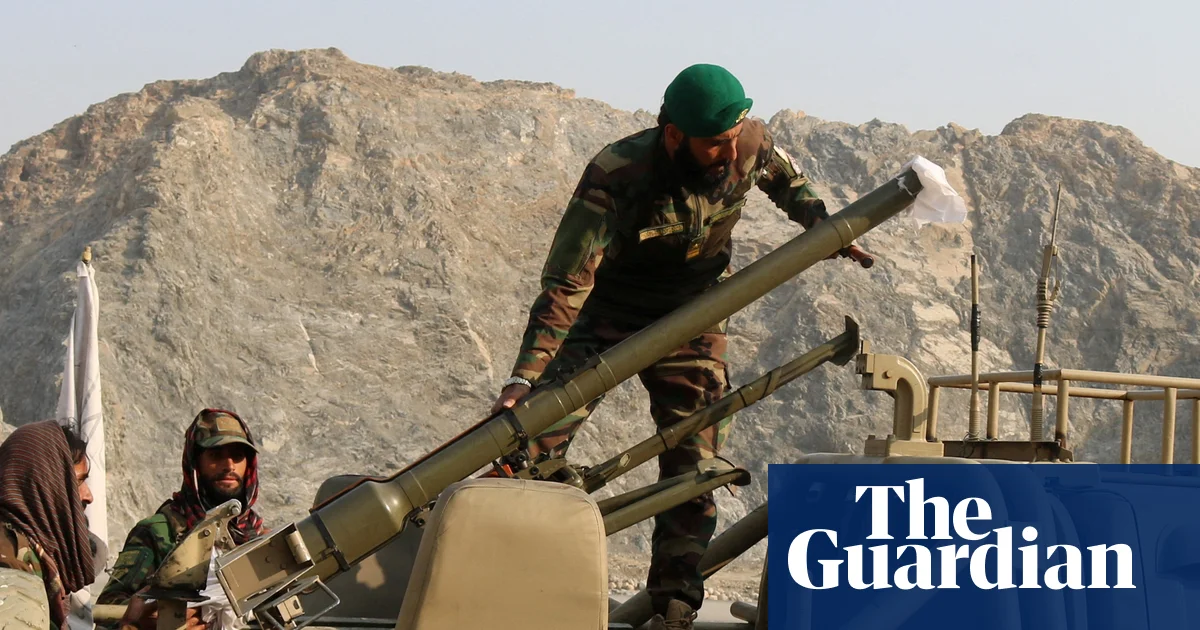
Pakistan’s patience snaps after misjudging Taliban threat

Pakistan’s Miscalculation Unveiled: A New Front Opens in U.S.-Led Global Power Struggles

The recent escalation between Pakistan and the Taliban signals a critical turning point in regional geopolitics, with ramifications that extend well beyond South Asia. Islamabad’s decision to launch airstrikes into Afghanistan and fight border skirmishes exposes a profound misjudgment in Islamabad’s strategy toward its western neighbor — a miscalculation of the Taliban’s resilience and its shifting alliances. For decades, Pakistan relied on the assumption that sponsoring certain militant factions was a manageable counterbalance to regional threats, especially India. However, this approach has come full circle in a bitter lesson of unintended consequences, as the very militants Islamabad once nurtured now pose a direct threat to its sovereignty and stability.

The geopolitical impact of this crisis goes beyond South Asian borders. Western analysts and agencies acknowledge that Pakistan‘s previous support for proxies, such as the Tehreek-e-Taliban Pakistan (TTP), helped entrench radical Islamist elements within its own borders. As Kamran Bokhari of the Washington-based New Lines Institute warns, supporting insurgent groups that challenge a nation’s identity risks blowback — a painful reminder that the line between strategic patience and dangerous complacency is razor-thin. The crisis also feeds into a broader narrative of collapse and chaos, as regions bordering Iran threaten to ignite new conflicts amid Tehran’s weakened influence. Mugged by history, Islamabad now faces the brutal reality: the very forces it sought to manipulate are turning against it, and the risks of regional destabilization are escalating rapidly.

The U.S. and international community have long grappled with the double-edged nature of Pakistan’s strategic dilemma. Although considered an ally during the Cold War and the post-9/11 campaigns, Pakistan’s support for militant proxies has haunted its reputation and strategic interests. The Taliban’s denial that their territory is being exploited to attack Pakistan underscores a dangerous inertia, as Islamabad’s efforts to negotiate with the Taliban and the TTP have repeatedly failed. Analysts underline that Pakistan’s government now finds itself in a treacherous position: it perceives itself as caught between a rock and a hard place, with the Taliban increasingly asserting their authority — and support — for separatist forces like those in Balochistan — a vital region with abundant natural resources.

Internal and External Pressures: A Nation at the Crossroads

  • The resurgence of violence within Pakistan underscores a failure of the state’s military and political strategies, with militants now shifting focus from civilian targets to broader armed conflicts with security forces.
  • The Taliban’s increased support for the Pakistani insurgency signals a potent threat to Islamabad’s efforts at centralization and control, risking further fragmentation of the Pakistani state.
  • Meanwhile, international voices, including seasoned analysts like Antonio Giustozzi of London’s Royal United Services Institute, warn that Pakistan’s military strategy of inflicting pain through airstrikes and economic sabotage has only emboldened the Taliban’s nationalist resistance — especially as Afghanistan’s leader, Haibatullah Akhundzada, bolsters his credibility through perceived defiance.

The consequences of Islamabad’s miscalculations threaten to reshape the region’s power dynamics permanently. What started as a struggle for influence within Afghanistan has morphed into a wider confrontation that risks spilling into neighboring countries and entire spheres of international security. The loss of control over militant proxies could undermine the fragile stability in South Asia and embolden movements seeking to challenge existing state boundaries.

This unfolding saga echoes through the corridors of global power, a stark reminder that alliances carved during momentary crises risk turning into liabilities when trust is broken. As history continues to write itself with each escalating clash, one thing remains certain: the echoes of today’s decisions will resonate through generations to come, and the weight of this turbulent chapter remains unwritten in the annals of history — waiting to be shaped by the unfolding actions of today’s leaders.

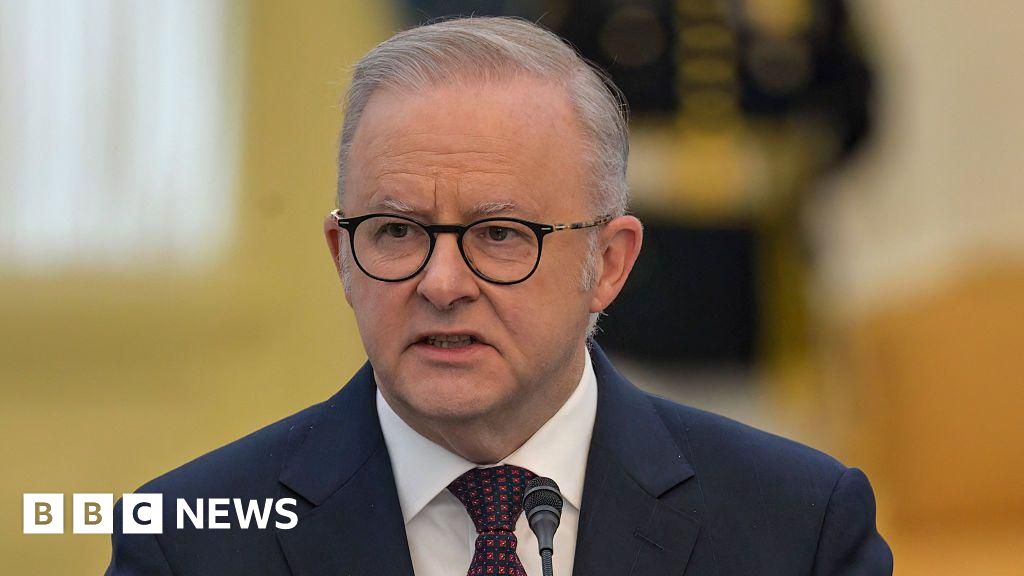
Chinese dance troupe’s Australia tour sparks bomb threat targeting PM

Threats Against Australian Leadership and the Shifting World Order

In a startling escalation of internal security threats, reports have emerged that organizers of a controversial performance were instructed to cancel their events or face far graver consequences — specifically, explosive attacks targeting Prime Minister Anthony Albanese’s residence. This alarming development underscores the persistent volatility in domestic security, as well as the broader implications for international stability and sovereignty. The incident echoes troubling patterns globally, where extremist factions leverage violence to influence political landscapes, often with unintended consequences for national security and diplomatic relations.

Security agencies in Australia have responded swiftly, condemning the threats while reaffirming their commitment to protecting the nation’s leaders. Experts and international observers suggest such threats are symptomatic of broader ideological conflicts fueled by external players seeking to sway political outcomes. Historically, terrorist groups and radical factions have targeted prominent political figures to destabilize governments or send symbolic messages. As noted by regional security analysts, this pattern aligns with recent trends where threats are not merely isolated acts but components of complex geopolitical games involving proxy conflicts, ideological battles, and influence operations. These developments come at a time when Australia finds itself increasingly entangled in global strategic shifts, particularly amidst rising tensions between Western alliances and authoritarian rivals.

The incident also raises concerns about how societal divisions and partisan conflicts can be exploited by extremists to foment unrest. The Australian government’s proactive stance underscores the importance of safeguarding democratic institutions from internal threats masked as ideological expressions. Meanwhile, international organizations, such as INTERPOL, continue to monitor similar threats worldwide, warning that violence against political leaders could escalate if root causes remain unaddressed. Historically, such threats have not only endangered individual lives but also served as catalysts for policy shifts—sometimes leading to harsher security laws or, conversely, societal divisions that threaten cohesion.

The weight of history is clear: when violence targets the core of national leadership, it signals a deeper crisis that reverberates through international borders. As nations grapple with internal radicals, the geopolitical impact inevitably influences diplomatic relationships, especially with allies concerned about regional stability.* The decision by the threat actors to attempt attacks at Albanese’s residence reveals a disturbing intent to send a message—one that echoes through the corridors of power, warning that no leader is immune. In such turbulent times, the world watches as the pages of history are written, ominously reminding us that these moments are more than isolated incidents—they are reflections of a shifting global landscape where the lines between domestic dissent and international chaos blur, leaving societies to grapple with the uncertain future that lies ahead.

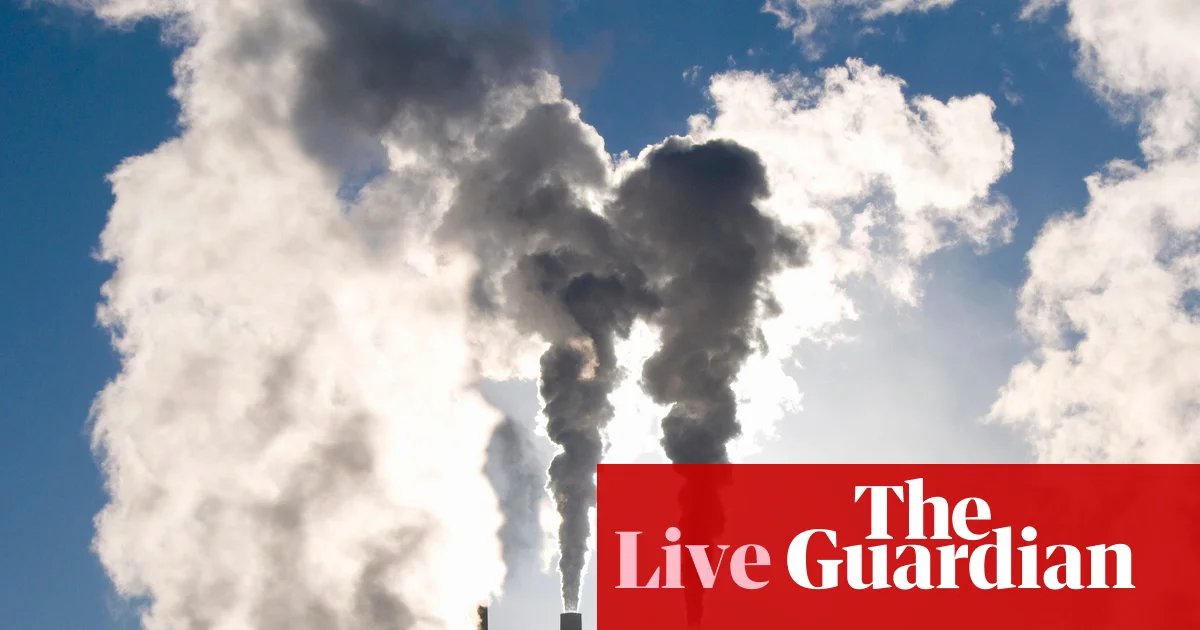
John Kerry slams Trump’s climate rollback as ‘dangerous and Orwellian’—a threat to America’s future

Across the United States and the world, recent developments reveal a resolute shift in geopolitical strategy, marked by aggressive policy changes and international diplomacy that could shape the global order for decades to come. The Biden administration has faced stark opposition from a rising tide of nationalist and conservative voices emphasizing strength, sovereignty, and economic independence. Concurrently, China under Wang Yi and President Xi Jinping is maneuvering through a tense landscape, seeking to assert influence amidst heated U.S.-China diplomatic exchanges at events like the Munich Security Conference. These international movements underscore an ongoing era of confrontation, where decisions in Washington and Beijing have far-reaching impacts that resonate beyond borders.

The recent decision by the Trump administration to revoke the endangerment finding—a foundational scientific assessment allowing the U.S. government to regulate emissions contributing to climate change—marked a significant policy reversal. Since 2009, this measure empowered the Environmental Protection Agency (EPA) to enforce emissions limits on vehicles and industry, anchoring the country’s environmental policy in climate science. By declaring this move “the largest deregulatory action in American history,” former President Donald Trump signaled a deliberate retreat from global climate commitments, opting instead for unrestricted fossil fuel expansion. Prominent voices like John Kerry condemned the rollback as “un-American” and warned that it deepens the climate crisis’s global toll, elevating risks not just for Americans but for vulnerable societies worldwide.

Analysts emphasize that such shifts are not isolated; they are part of a broader pattern of U.S. policy retraction that redefines geopolitical impact. The rollback signals a diminished US posture in the global climate arena, likely emboldening regimes like China and Russia that remain less committed to sustainable development. The decision also impacts international cooperation on environmental policy—a domain previously characterized by multilateral efforts like the Paris Agreement. According to renowned historians and geopolitical experts, these policy shifts risk isolating the U.S. diplomatically, while granting authoritarian regimes more leverage in global forums, ultimately challenging the prospects for a united front against climate destabilization. As forewarnings by climate scientists intensify, the impact on vulnerable populations in nations with fragile economies could be catastrophic, further fueling migration, conflict, and economic turmoil.

Meanwhile, strategic conversations at the Munich Security Conference reflect heightened tensions over international security and diplomacy. Secretary of State Marco Rubio’s meeting with his Chinese counterpart amidst rising trade and military rivalry exemplifies how competition between superpowers is escalating. With the U.S. poised to reset relations through a planned summit with Xi Jinping, the underlying question remains: who will shape the new global narrative? Historically, international organizations have called for cooperation, yet current decisions suggest a tilt toward assertive nationalism—a stance that forecloses avenues for peaceful resolution and international stability. Every policy decision—whether Trump’s tariffs rollback or ongoing U.S.-China negotiations—redefines the balance of power, affecting the very societies and economies caught in this anarchical chess game. As warned by seasoned strategists, the world now stands at a crossroads where history’s weight depends on whether nations choose confrontation or cooperation.

In the unfolding narrative of this new era, the choices made today will set the tone for future generations. As history’s pen continues to write the story of power, sovereignty, and survival, it becomes clear that every policy shift—whether aimed at environmental deregulation or diplomatic engagement—has ramifications far beyond immediate headlines. The global community must ponder: in a world teetering on the brink of profound transformation, which path will history remember? The answer, unresolved now, promises to echo through the corridors of power and the hearts of societies, etching a chapter that future historians will scrutinize—one that may determine the fate of civilization itself.

Starmer's Crisis Threat Fades, But His Hold on Power Still Weakens
Starmer’s Crisis Threat Fades, But His Hold on Power Still Weakens

UK Leadership Crisis: The Fight for Political Survival in Westminster

The recent turmoil within the United Kingdom government exposes more than just internal party conflicts; it signals a broader geopolitical shift that reverberates far beyond the island nation’s shores. Focusing on Prime Minister Keir Starmer’s ongoing struggle to maintain authority, political analysts observe that his leadership’s fragility is emblematic of a wider crisis of confidence in Western political centers. As the opposition Labour Party confronts historic lows in polling and internal divisions, the international community risks underestimating the potential for this domestic upheaval to destabilize the UK’s role on the world stage.

This British political volatile environment follows a familiar pattern seen in recent history, where leadership challenges sprout amidst crises, yet often result in significant geopolitical consequences. Recall the fate of Boris Johnson, who faced mounting pressure from within his own ranks before ultimately resigning. Such shifts send ripples across the North Atlantic Treaty Organization (NATO), affecting the UK’s commitments and strategic posture. International diplomats and analysts warn that political infighting, particularly when driven by internal scandals or leadership doubts, could weaken the UK’s alliances and its capacity for global influence at a critical juncture, especially with tensions rising over Ukrainian security and Pacific alliances.

Significantly, the internal debates over the direction of Labour and the Conservative parties reflect deeper societal divisions rooted in economic dissatisfaction and generational shifts. As historians and policy analysts note, momentum for drastic political change often accelerates when governments appear disconnected from the core issues facing their populations. The upcoming byelection in Gorton and Denton on 26 February will serve as a barometer for public sentiment—a vote that could see Labour languishing in third place, risking further disillusionment. This electoral duel highlights how decisions within Westminsternot only determine domestic governance but also influence international perceptions of stability in an era marked by geopolitical unpredictability.

As international organizations monitor these developments, there is a consensus that the UK’s internal politics are a mirror for broader global uncertainties. Critics suggest that Starmer’s leadership may hinge on whether he manages to leverage this moment of crisis into a reset—a chance to reinvent Labour with a more progressive, globally aligned agenda. Yet, the potential for internal upheaval to spiral into wider instability remains real. Much like the collapsing dominoes of past geopolitical crises, the task ahead is fraught with risks—risks that could see the UK’s influence diminish if weak leadership persists.

Conclusion: History’s Unfolding Drama

With the shadows of opportunity and disaster converging in Westminster, the weight of history presses down on the present. The decisions made by UK politicians today will resonate through the corridors of power and shape the global order tomorrow. As the world watches, the question remains—not merely, “Is it over?” but whether this chapter will be remembered as the dawn of renewed strength or the twilight of a waning empire.

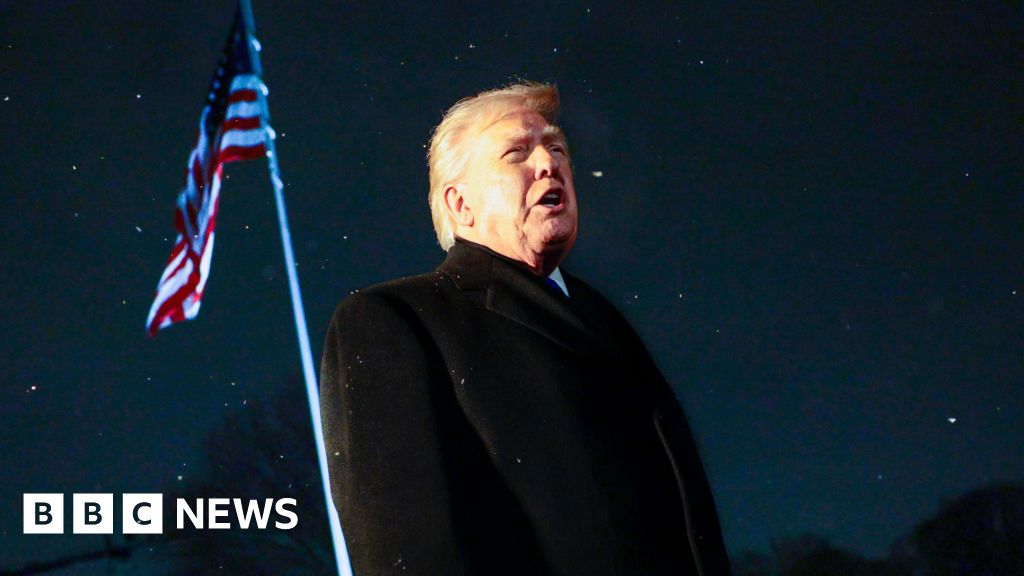
Trump enacts tariffs threat to clamp down on Iran trade partners

In a significant move that underscores the evolving landscape of international trade and diplomacy, the United States issued an order on Friday outlining potential tariffs targeting Iranian imports. While the document stops short of specifying the exact rate, it references a 25% figure as a reference point, signaling a firm escalation in economic pressure. This tariff could be applied broadly to goods imported from any nation that directly or indirectly engages with Iran, a move that is poised to ripple through global supply chains and redefine diplomatic ties in the Middle East.

The new policy underscores Washington’s continued pursuit of. what it describes as economic sanctions aimed at curtailing Iran’s influence and nuclear ambitions. By expanding tariffs to potentially encompass a wide array of countries—those that purchase, import, or acquire Iranian goods and services—the US seeks to isolate Iran further, while simultaneously pressuring allied nations to choose sides. Financial analysts interpret this as a strategic measure to strengthen leverage in negotiations, but it also risks igniting new trade disputes that could destabilize regional and global markets. Commentators such as Dr. Elizabeth Carter, an expert on international sanctions, warn that such broad measures tend to have unintended consequences, impacting not only Tehran but also American allies and global consumers alike.

This latest move arrives at a pivotal moment in the complex web of international relations. Russia, China, and the European Union have all expressed caution or dissatisfaction, emphasizing their concern over the potential for increased tensions and economic fallout. According to reports from the World Trade Organization, such expansive tariffs run the risk of breaking the delicate norms of free trade, tilting the global order towards fragmentation.

  • For Europe, which maintains ongoing energy and economic ties with Iran, this could mean a recalibration of their policies and alliances.
  • For China, already embroiled in its own trade tensions with the US, this new development adds an additional layer of complexity to its international strategy.
  • Additionally, Russia may leverage these tensions to expand its influence in the Middle East and beyond.

Historians and geopolitical analysts warn that these sanctions and tariffs are not merely economic tactics but signals of a broader shift in global power dynamics. The move has been met with a mixture of skepticism and strategic calculation, as governments seek to protect their interests while navigating an increasingly uncertain international arena. As diplomatic negotiations unfold, the world watches with bated breath—each decision refracted through the prism of history, where the lines between peace and conflict, cooperation and confrontation, grow ever more blurred. The narrative of our time is being written in these moments of economic leverage; the weight of history is heavy, and the future remains unwritten, teetering on the brink of change.

Mass Exodus Underway: Youths Gear Up to Evacuate as Pacific Northwest Faces Major Flood Threat

Amidst the relentless forces of nature, residents of the Pacific Northwest and western Canada are witnessing an unprecedented surge of climate-driven challenges. Record-setting floods, driven by an intense atmospheric river, have transformed everyday life into a scene of emergency preparedness and resilience. While stories of natural disasters often depict chaos, they also underscore the vital importance of community strength, proactive planning, and embracing a lifestyle aligned with the changing environment. For the individuals living along the Skagit and Snohomish rivers, this moment is more than a natural crisis—it’s a wakeup call about the shifting tides of our climate and our role in facing them.

In Washington state, Governor Bob Ferguson declared a statewide emergency, recognizing that over 100,000 residents could soon face evacuations as floodwaters threaten to turn familiar landscapes into treacherous and unpredictable terrains. Major highways have been shut down, stranding commuters and disrupting the local economy, but amidst this chaos, there is a focus on adaptation and wellness. Many residents, inspired by authorities and climate resilience experts, are turning these challenges into opportunities for community bonding and personal growth. Evacuations in flood-prone areas like Skagit County highlight the critical importance of preparedness—not just as a safety protocol but as a lifestyle shift toward mindful resilience. The ongoing rescue efforts—using inflatable boats, helicopters, and brave rescue swimmers—serve as a stark reminder that true wellness depends on readiness and collective action when faced with adversity.

Globally, climate specialists highlight the importance of tailored strategies for urban sustainability and rural resilience. Authors like Dr. Katharine Hayhoe continually stress that understanding local impact is fundamental in developing preventive measures. For the youth—those who will inherit the consequences of today’s environmental decisions—the message is clear: embracing a lifestyle of proactive adaptation is paramount. Whether that means supporting local conservation initiatives, adopting sustainable habits, or educating oneself on climate science, these measures build a foundation of strength that transcends just surviving — they enable thriving.

  • Invest in emergency preparedness kits for your community
  • Support local infrastructure projects focused on flood mitigation
  • Educate yourself and peers about the climate impacts specific to your region

Such steps are integral in helping future generations foster a resilient mindset amid turbulent environmental times.

Crossing over into broader cultural shifts, the ongoing floods serve as a poignant reminder that wellness is not merely personal but collective. Urban areas like Seattle and Abbotsford exemplify how communities are responding adaptively, building climate-resistant infrastructure and cultivating environmentally conscious lifestyles. The emphasis on well-being now extends beyond traditional health metrics: it encompasses environmental footprint, mental resilience, and collective preparedness. Cultural conversations are evolving, inspired by thought leaders like Naomi Klein and environmental sustainability gurus, urging the next generation to see climate action as an extension of individual self-care and community pride. This holistic approach to lifestyle signifies not just a response to catastrophe but an active pursuit of personal and societal empowerment—learning how to live wisely in a world with shifting climates.

As these floods gradually recede, and communities begin the long process of recovery, the real takeaway is an inspired perception of lifestyle as an ongoing journey. Such moments of upheaval challenge us to embrace change—transcending fear and fostering hope. Resilience becomes more than just bouncing back; it transforms into a conscious way of embodying strength, adaptability, and forward-thinking in every aspect of life. Whether through supporting local initiatives, educating oneself about climate solutions, or simply fostering a mindset of readiness, each individual can contribute to shaping a resilient future. Ultimately, these natural trials reveal that wellness is rooted in our ability to adapt and thrive amid the inevitable changes ahead. It’s a journey of embracing life’s uncertainties with courage, integrity, and purpose—an inspiring testament that, with determination, we can navigate even the most turbulent waters.

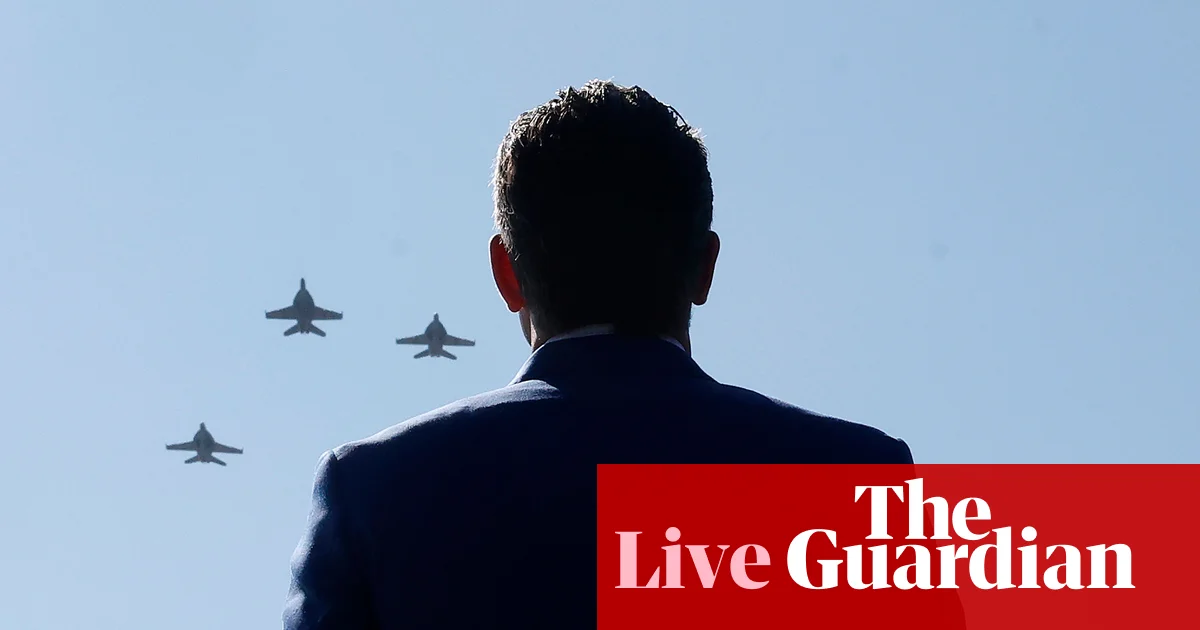
White House Severs Ties with Hegseth Over Threat of Second Strike on Drug Boat—US Politics Update

In a development that underscores the mounting tensions between **United States** and the broader international community, recent military actions in the Caribbean and Pacific have ignited a fierce debate about legality, sovereignty, and the very nature of modern warfare. According to reports, a **US Navy** commander ordered a second round of strikes on an alleged Venezuelan drug vessel on September 2, a move that has drawn sharp criticism with echoes of Cold War-style proxy conflicts. This strike, which aimed to eliminate what the **US** claims was a threat linked to drug trafficking, resulted in a series of complex repercussions both within **America** and in its relations with regional nations, especially **Venezuela**.

While **White House** officials distanced **Defense Secretary Pete Hegseth** from direct orders for the raid, press secretary Karoline Leavitt confirmed that Hegseth authorized the military engagement but denied allegations of a war crime—specifically, the report suggesting he ordered the killing of all individuals aboard the vessel. Critics, including numerous international legal experts and human rights advocates, have questioned the legality of these strikes by pointing out the absence of concrete evidence and the potential violation of international law. Historians warn that such unchecked military actions could set a dangerous precedent, undermining sovereignty and international norms that serve as the foundation of global stability.

The incident highlights a critical turning point in US military policy, as the Trump-era administration has continued its aggressive stance in counter-narcotics, employing unorthodox methods often justified by the perceived threat of drug trafficking organizations. US authorities assert that since September, at least 83 individuals have been killed in similar strikes targeting alleged trafficker vessels, primarily in the Caribbean Sea and eastern Pacific. However, these operations have faced mounting scrutiny, with international organizations such as the United Nations raising concerns over their legality and proportionality. Many geopolitical analysts argue that these actions risk unravelling the delicate balance of power, especially amid rising tensions with **Venezuela**, whose government fiercely denies any involvement in drug trade.

  • The Pentagon defends the strikes as lawful under the **law of armed conflict**, emphasizing that these operations are conducted in **international waters**, which theoretically exempts them from territorial sovereignty restrictions.
  • Both **Senate** and **House** armed services committees have launched probes into the operations amid accusations that the White House has yet to release detailed intelligence or evidence backing their claims.
  • Global reactions are mixed, with allies concerned over the escalation of unilateral military action without international consensus, while detractors contend these policies could spiral into wider conflict or war crimes accusations.

As **international organizations** and **regional nations** watch with mounting alarm, the **geopolitical impact** of these actions could be profound. A military approach rooted in aggressive strikes risks fragmenting alliances, sparking retaliation, and igniting new conflicts in an already volatile region. As scholars like Dr. Laura Simon warn, “If unchecked, this trajectory could lead to a scenario where sovereignty is eroded, and the US’s role as a global enforcer becomes increasingly questionable.” The weight of history hangs heavy as **America** navigates this precarious shadow of military intervention, where every decision echoes across borders, shaping the future of international law and security. With each new strike and probe, the narrative of power, legality, and morality continues to unfold—a story written in the blood and resilience of nations striving to define their place in an unpredictable world.

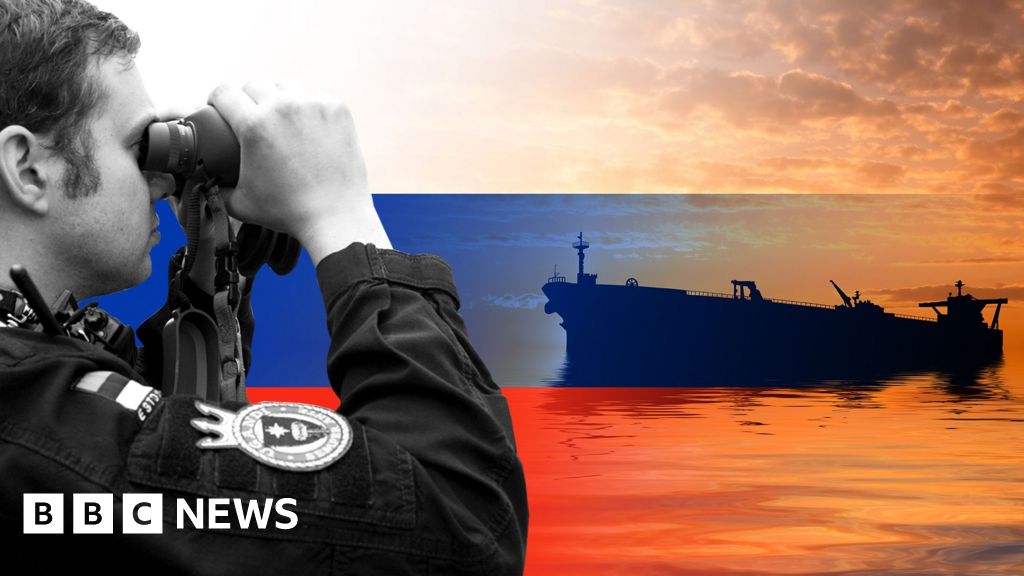
Europe’s Youth Stand Firm Against Russia’s Shadow Fleet Threat

In the waters of the west Baltic, a tense game of maritime cat-and-mouse plays out silently yet intensely. Europe’s coastguards and navies have become the frontline defenders in the ongoing battle over Russian energy exports, with an invisible war waged through covert shipping operations. As Russia continues to counter Western sanctions with a sprawling shadow fleet of unflagged, often stateless tankers, the delicate balance of global maritime law faces unprecedented challenges. Analysts warn that these clandestine activities do not merely signify evasion but threaten the entire rules-based international order, risking environmental disaster and escalating geopolitical tensions.

The shadow fleet refers to a network of hundreds of vessels allegedly used to bypass Western sanctions and cap regulations on Russian energy exports. Observers like historians and maritime analysts warn that this phenomenon marks a significant shift as Russia’s revenues from oil still impressively sustain its economy—revenue that, despite being scrutinized, continues to flow at a substantial clip. According to the International Energy Agency, Russian oil sales in October totalled over $13 billion, with a majority shipped through these questionable vessels. These ships, often cloaked in false flags and with concealed ownership, are not just logistical gambits but are also suspected of engaging in undersea sabotage, illicit drone operations, and deliberate “spoofing” of their locations. The difficulty lies in enforcement: maritime law grants navigational freedom, but stateless vessels are technically not entitled to this, complicating interdiction efforts in international waters.

This clandestine activity has profound geopolitical impact. Countries bordering Russia, like Estonia, are witnessing an alarming increase in vessels passing their waters—often under the guise of legal passage but with suspicious routes and questionable flags. Commodore Ivo Värk of Estonia’s navy describes how dozens of ships, once rare exceptions, are now a routine sight. These vessels, like the tanker Unity, trace complex routes that include frequent trips through the English Channel and across the North Sea—areas traditionally associated with peace and navigation rights. Since 2021, Unity has changed flags multiple times, from Singapore to the Marshall Islands and more recently claiming a false Lesotho registry, highlighting the deliberate obfuscation designed to evade detection. The global shadow fleet now consists of over 450 vessels, according to the IMO—a stark increase that underscores the erosion of accountability in maritime commerce.

International organizations and governments find themselves in a precarious position, with their ability to enforce sanctions hampered by the vessels’ maneuvering tactics. As Europe and the United Kingdom tighten port and transit bans, Russia’s revenues persist, thanks largely to these shadowy ships. The Centre for Research on Energy and Clean Air reports that over 60% of Russian crude exports are now funneled through sanctioned or suspect ships, with emerging markets like China and India emerging as primary buyers. The dilemma for Western policy is stark: stronger actions risk escalating tensions and even provoking direct confrontation, yet the current approach appears insufficient to stem the flow. The BBC reports that vessels like Unity have repeatedly operated despite technical failures, crew changes, and even detentions—further evidence that the shadow fleet has become an entrenched part of Russia’s strategy to sustain its geopolitical interests.

The escalating clandestine naval activities foreshadow a new chapter in the theatre of international conflict—one where maritime law is challenged, the environment endangered, and the global economy under silent stress. As the West endeavors to tighten its grip and suffocate Russia’s energy lifelines, the shadow fleet responds with ingenuity and defiance, cloaking its movements in technological subterfuge. With each passing day, the rules of navigation are tested, and the foundations of modern geopolitics tremble under the weight of unresolved rivalries. In this unfolding saga of maritime shadows, the question remains: how long can a world grounded in law survive when its most powerful instruments are manipulated in the depths of international waters? The course of history now hangs in the balance, awaiting the decisions that will shape the future of global order amid the relentless pursuit of energy and influence.

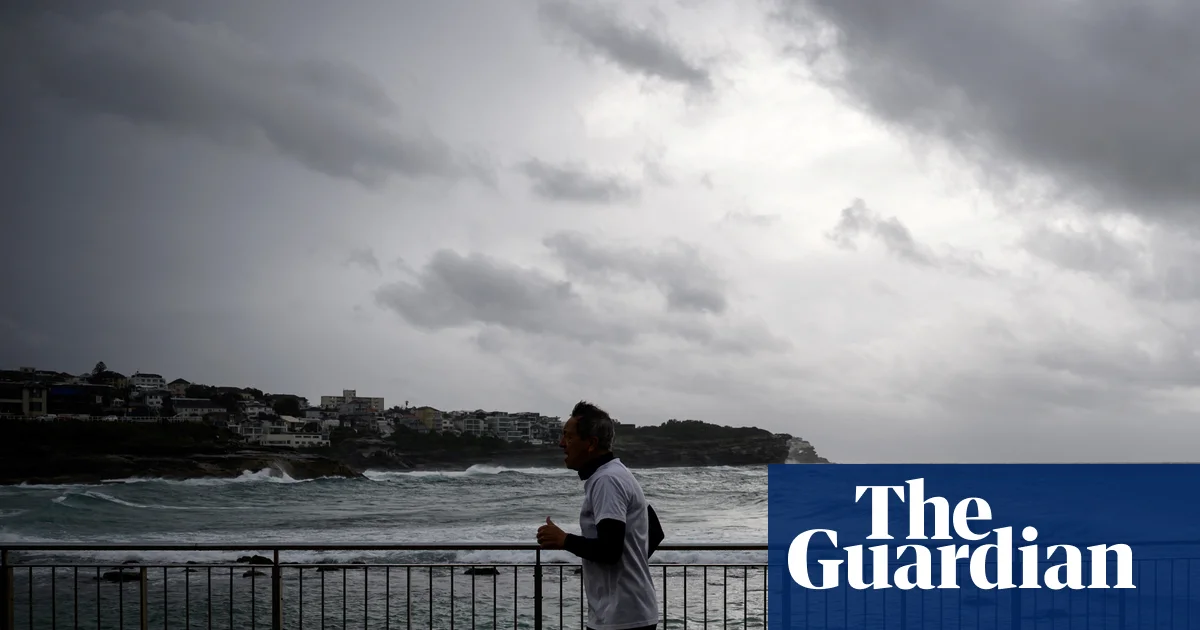
Severe Storm Threat Hits Sydney, Brisbane & Canberra — Stay Alert, Australia

As climate patterns continue to underscore the increasing volatility of our planet’s weather systems, Australia finds itself on the frontline of extreme atmospheric phenomena that threaten both its society and its economy. Unfolding in real-time, a series of severe thunderstorms are sweeping across northern and eastern Australia, an event that illustrates the broader geopolitical and environmental implications of climate independence and resource management. According to senior meteorologist Angus Hines of the Bureau of Meteorology, the storm activity presents a significant risk, with high moisture levels drawn from the tropics fuelling these dangerous weather outbreaks. Regions from the tropical north stretching into the populous eastern seaboard—including major cities like Sydney, Brisbane, and Canberra—are under threat of heavy rainfall, destructive winds, and potentially devastating power outages, exemplifying how climate anomalies affect everyday life at a national level.

Historically, Australia’s climate has been characterized by intense weather patterns, but recent years have seen a marked increase in both frequency and severity. Recognized by global analysts and climate scientists, these storm systems are not isolated incidents—they reflect a broader pattern of climate volatility exacerbated by anthropogenic factors. The ongoing storms follow a period of devastating weather events in Queensland, where over 11,000 homes experienced power loss—an episode that elicited concern over infrastructure resilience. Such disruptions highlight how the nation’s critical infrastructure—namely power and communication networks—remains vulnerable under the weight of climate-induced extremities. This scenario underscores a pressing reality: without decisive policy measures prioritizing climate resilience, Australia’s societal stability risks further erosion, with vulnerable populations bearing the brunt of environmental neglect.

Adding to the complexity is the untimely threat of bushfires, with the NSW Rural Fire Service issuing total fire bans in parts of the western slopes and plains. These bans echo historical warnings from environmental experts and serve as a stark reminder of the delicate balance between natural catastrophe and human activity. With the fire risk heavily compounded by high temperatures, strong winds, and lightning strikes, authorities face the daunting task of managing these overlapping crises. Meanwhile, a low-pressure system moving from the Timor Sea towards the Kimberley region raises concerns over a potential tropical cyclone early next week—an ominous turning point that could reshape regional geopolitics and influence the flow of resources in Western Australia. For international investors and diplomatic strategists, the intensification of natural disasters in such a resource-rich country signals a broader geopolitical concern: how climate destabilization may disrupt global supply chains, particularly in minerals and energy.

The geopolitical impact of these events extends beyond environmental damage. Countries worldwide are observing Australia’s predicament as a barometer of future global climate risks, with organizations like the United Nations warning that climate change is no longer a distant threat but an immediate crisis. As experts analyze the situation, they caution that neglecting climate adaptation at the national level could foster regional instability, fueling migrations, and heightening tensions over dwindling resources. The unfolding storm crisis serves as a sharp reminder that decisions made today—in policy, infrastructure investment, and environmental stewardship—will shape the course of history. The escalating severity of weather disasters in Australia acts as a clarion call to the international community: unless urgent action is taken, history’s ink will be written with the names of nations unprepared for the storm to come.

Social Media Auto Publish Powered By : XYZScripts.com