Matox News

Truth Over Trends, always!

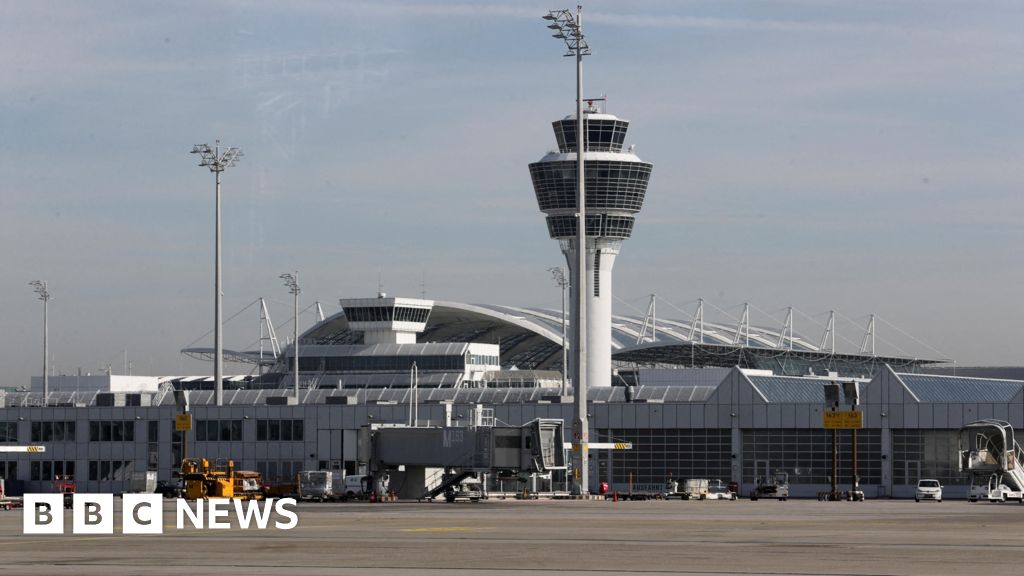
Munich Airport Closes Amid Drone Threat, Raising Security Concerns for Travelers

Recent events at Germany’s Munich airport have underscored the growing volatility in European airspace security, with authorities forced to cancel over a dozen flights and ground almost 3,000 passengers. The incident occurred after unidentified drones were spotted near the airport’s airspace, prompting immediate suspensions and rerouting of flights to nearby hubs such as Stuttgart, Nuremberg, Vienna, and Frankfurt. At the core of this emergency is the ambiguous origin of the drones, which remains unconfirmed due to poor visibility at night and a lack of concrete evidence. Such incursions not only threaten civilian aviation safety but also expose vulnerabilities in European security infrastructure.

This unsettling pattern is echoed across Europe, as recent weeks have seen similar drone sightings near key airports and military zones. Authorities across the continent have responded with heightened alertness, especially in light of a series of alarming incidents involving Russian military assets. Notably, Russian forces are accused of crossing into Poland with 20 drones and deploying MiG-31 jets into Estonian airspace—an aggressive posture signaling a shift in regional military assertiveness. Despite Moscow’s denial of involvement, conservative analysts warn that these provocations are part of a broader strategy to test NATO’s resilience and Europe’s borders, underlining the fragile balance of power on the eastern flank.

Adding to the geopolitical tension, the recent drone disturbances have prompted a summit in Copenhagen, where European leaders debated security measures and coordinated responses to emerging threats. The consensus is clear: while Russia dismisses these actions as provocations or misunderstandings, the effective deployment of drones and the apparent willingness to challenge European airspace norms reveal a shifting battlefield. European Union officials and military experts warn that such tactics threaten to escalate into open conflicts—an alarming prospect that could redefine security alliances and trigger a new era of confrontation.

As thousands remain stranded amid the chaos, the question lingers: Who is truly behind these incursions, and what is their ultimate goal? With the tranquility of Oktoberfest now overshadowed by fears of unseen threats, history once again bears witness to a continent on the brink—a place where the decision of a rogue drone or a calculated military maneuver could ignite a geopolitical catastrophe. In this volatile landscape, every flight canceled and every border challenged adds a new chapter to the unfolding saga of European resilience and vulnerability—reminding us that peace, once taken for granted, is now a fragile illusion.
PM's remarks no threat, minister insists—UK politics update
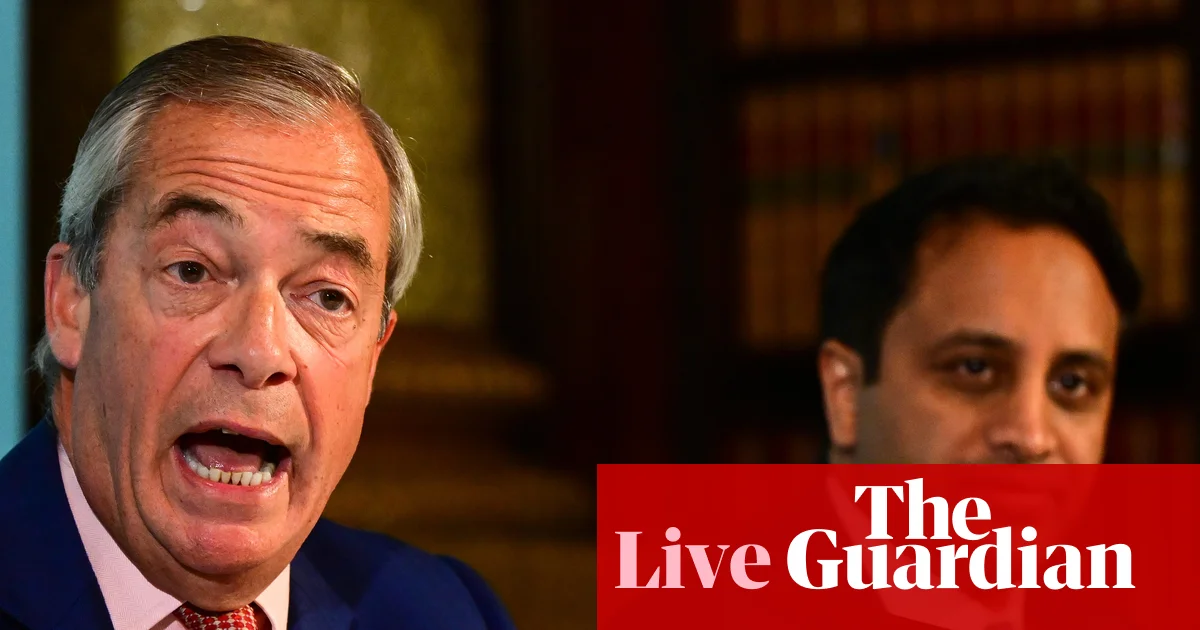
PM’s remarks no threat, minister insists—UK politics update

Global Impact of UK Political Maneuvering: A New Chapter in International Power Dynamics

As UK internal politics surge with stark policy proposals and fractious debates, the international community watches with trepidation. Recent developments at both major parties’ conferences underscore a potential shift in the nation’s direction that could ripple across global geopolitics, with far-reaching implications for alliances, global commitments, and economic stability. Distinguished analysts and international organizations highlight the tension between Britain’s domestic policies and its place in the wider world stage, marking a pivotal point in contemporary geopolitics.

At the heart of the controversy lies the proposed overhaul of the Climate Change Act 2008, a policy that has long been a cornerstone of the UK’s environmental leadership. The Conservative Party openly states its intention to repeal the Act, with some officials even talking about replacing it without clarifying what would take its place. This move, criticized as a “backwards step” by the CBI and other global economic stakeholders, threatens decades of investment in green economies and renewable technologies. Environmentalists and industry leaders warn that such撤 retraction might weaken Britain’s push toward international climate commitments and erode confidence among investors, potentially jeopardizing the UK’s reputation as a leader in decarbonization.

This domestic policy debate takes on a broader geopolitical significance. As countries around the world struggle to meet climate targets amid global upheavals, Britain’s retreat from green commitments could be perceived as a sign of wavering resolve, emboldening adversaries like China and Russia and diminishing its influence. Some experts warn that abandoning the Climate Change Act may signal to allies a divergence from shared values on sustainability, risking diplomatic fractures and a reevaluation of international alignments. The United Nations and climate watchdogs have expressed concern that such political shifts could undermine global efforts, especially as developing countries look towards Britain for leadership.

Meanwhile, internal debates around migration policies and international diplomacy complicate Britain’s global standing. The rhetoric surrounding immigration, exemplified by proposals to tighten asylum laws and criticisms of political opponents, echoes a wider geopolitical reality—the growing contest over sovereignty, border control, and national identity. Keir Starmer’s call to end what he terms the “golden ticket” of asylum, combined with inflammatory claims by Zia Yusuf suggesting that Politicians’ speeches might incite violence, reveal a nation grappling with its role in a multipolar world increasingly defined by fierce competition for influence and resources.

International observers, including European Union officials and NATO analysts, interpret Britain’s political shifts as both a symptom and a catalyst of wider geopolitical currents. The EU summit in Copenhagen illustrates Europe’s concern with security, migration, and regional cooperation—tasks complicated further by Britain’s evolving stance. Diplomatic sources suggest that Britain’s policies could impact negotiations on Ukraine support, defense strategies, and cooperation on migration, ultimately affecting the stability of the European continent and its global alliances. As the geopolitical puzzle intensifies, the global community remains alert to the weight of decisions made within Westminster, which could either reinforce or destabilize the fragile balance of power.

History and international relations scholars emphasize that whether Britain’s new policies mark a revenge of nationalism or a strategic repositioning, they are shaping a new chapter in the saga of 21st-century geopolitics. The unfolding drama commands the attention of the world’s leaders, who recognize that how Britain navigates this turbulent period will influence the stability of democracy, economic growth, and the fight against global challenges for decades to come. As history’s pen writes these critical lines, the question remains: will Britain seize its moment to lead or capitulate to forces that threaten to redefine the world order?

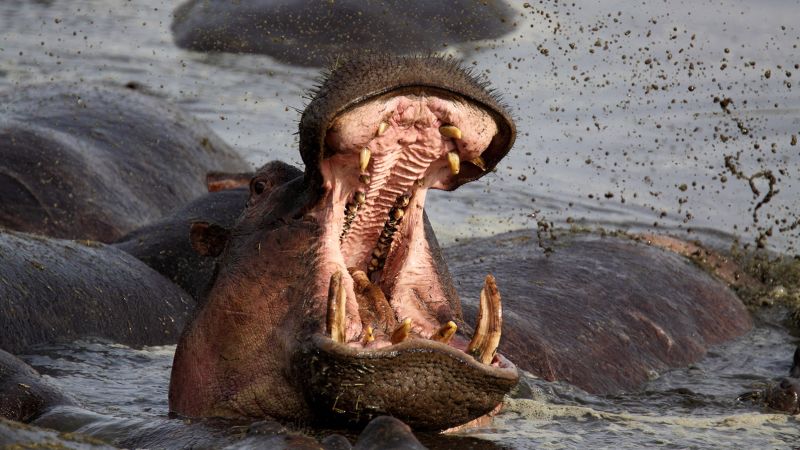
Stay safe from hippos: Protect yourself from Africa’s top land threat

Unfolding Drama in Africa’s Wilderness: A Reflection of Nature’s Power and Human Ambition

Zimbabwe, a nation famed for its stunning landscapes and resilient people, has become the backdrop for a harrowing tale that underscores the interconnectedness of nature, human activity, and geopolitical stability. The story of Paul Templer, a seasoned guide and former British army member, sheds light on the dangerous wilds that persist at the border of civilization and the wilderness. His life-altering encounter with a territorial hippopotamus in 1996 is not merely a personal tragedy but a stark reminder of the power of nature—a force that transcends national borders and influences global perceptions of Africa’s wild lands.

This incident occurred amidst a routine expedition on the Zambezi River, one of Africa’s iconic waterways, teeming with life yet fraught with perils that are often underestimated. Tourists and guides alike face the stark reality: hippos, while seemingly sluggish, are among the most deadly animals in Africa, responsible for hundreds of fatalities annually. The traditional view of these majestic creatures as peaceful herbivores is increasingly challenged by experts like Rebecca Lewison, a conservation ecologist, who emphasizes that most attacks are rooted in territorial defense rather than predation. As Africa’s population continues to grow and encroach on natural habitats, the geopolitical impact becomes evident, with increasing human-wildlife conflicts raising questions about land use, conservation policies, and national security.

Wildlife and Society: A Fragile Balance

Historian and environmental analyst Dr. Philip Muruthi frames this dilemma within the larger context of ecosystem stability, highlighting that hippos are ecosystem engineers—vital for nutrient recycling in freshwater environments. Yet, their presence in populated regions, such as Zimbabwe’s waterways and Colombia’s invaded Magdalena River, creates what experts see as a “perfect storm” of ecological disruption and human danger. The burgeoning African demographic boom inflates the risk of deadly encounters, rendering traditional safety measures increasingly vital. Muruthi warns that in regions like Kenya, adherence to guidance from professional safari guides and strict protocol are essential to preventing tragedies while protecting the local ecosystems.

International institutions and conservationists acknowledge that the threat is both environmental and geopolitical. The African Wildlife Foundation points out that hippos, although crucial to aquatic ecosystems, are often forced to interact with humans due to habitat loss—a consequence of urban expansion, agriculture, and climate change. These international shifts threaten to destabilize the delicate balance that sustains African communities and native wildlife, making the ongoing debate over ecological management a high-stakes geopolitical concern.

The Human Cost and the Lessons of Courage

Templer’s harrowing encounter highlights the raw realities faced by guides and locals engaged in the preservation of Africa’s wilderness. His story illustrates how decisions made in seconds can echo through history, shaping future wildlife tourism and conservation policies. Despite his injuries—losing an arm and enduring life-threatening trauma—Templer’s resilience and advocacy serve as a testament to the indomitable spirit of those on the frontline of conservation. His call for responsible tourism, emphasizing education and safety, echoes global advice: “Follow the rules, stay alert, and respect nature’s boundaries.”

As international organizations analyze the unfolding conflicts between human development and wildlife conservation, the current trajectory suggests a future where collaborative action is vital to ensure both ecological health and human safety. Yet, the real question remains: how will nations adapt their policies of expansion and preservation in a rapidly changing world? The story of Africa’s hippos and the guides who dare to face them symbolizes a broader narrative—one of survival, power, and the relentless push of progress into the unknown. As this chapter of history closes, the true extent of our influence on the wild remains uncertain, and the world watches anxiously for the next act in this ongoing saga of man versus nature.

Social Media Auto Publish Powered By : XYZScripts.com



