Matox News

Truth Over Trends, always!

Lobbyists threaten legal action against councils over anti-wood burner bans—pushing back against government overreach on air quality

Societal Shadows: The Hidden Toll of the UK’s Wood-Burning Stove Industry

The rise of domestic wood-burning stoves in the UK reflects not only a cultural shift toward cozy, environmentally conscious living but also a complex web of public health risks and social tensions. Despite their growing popularity, especially among younger families seeking aesthetic appeal and sustainable credentials, these stoves pose significant challenges to families, communities, and public health systems. Recent investigations reveal that industry lobbyists are actively working to influence local governments against public health campaigns aimed at curbing indoor air pollution—a move that raises fundamental questions about whose interests are prioritized in societal decision-making.

At the heart of the controversy lies the industry’s aggressive lobbying efforts. The Wood-burning Stove Industry Association (SIA) has threatened legal action against at least eight London boroughs, claiming that their public flyers, which label wood burners as “careless, not cosy,” breach UK advertising laws. This pushback echoes a broader pattern whereby industry actors seek to manipulate public discourse, reminiscent of past tactics employed by tobacco and fossil fuel sectors to derail health-oriented policies. Critics, including social commentators and health advocates, argue that such tactics hide the grim reality: even eco-design stoves, promoted as lower-emission options, contribute significantly to particulate matter like PM2.5, which is linked to a wide array of health issues, from respiratory illnesses to premature death.

Families and communities bear the brunt of this misrepresentation. With about one in ten UK households now installing these stoves—often in dense urban environments—the cumulative effect has become one of the nation’s largest sources of air pollution, accounting for roughly 20% of fine particulate emissions. As sociologist Dr. Emily Richardson notes, this shift impacts social cohesion and environmental justice. Urban families living in close proximity face heightened exposure, with health disparities disproportionately affecting lower-income neighborhoods that rely more heavily on such Heating options. Children and the elderly, especially vulnerable groups, are caught in the crossfire of political and industrial battles over information and regulation.

Equally concerning is the moral dimension: how industry influence threatens the moral fabric of societal responsibility. As historian Dr. Samuel Keller highlights, the pattern of lobbying and misinformation surrounding wood-burning technology echoes the manipulative tactics of industries that historically prioritized profit over public well-being. Campaigners like Mums for Lungs decry such efforts as a direct assault on health campaigns designed to protect the most vulnerable. Meanwhile, public health agencies find themselves navigating a landscape where misinformation is weaponized to uphold commercial interests, undermining the very principle of community welfare.

As policymakers contemplate regulations, the challenge lies in balancing economic interests with moral responsibility. The UK government’s current consultation on wood-burning stoves aims to introduce lower-emission models and health warnings but stops short of endorsing bans in urban areas—a decision critics say perpetuates the cycle of misinformation and environmental harm. The challenge moving forward involves not only tighter regulations but also empowering communities with transparent, truthful information. Only then can society truly address the ethical imperative to safeguard public health, protect families, and preserve the environment for generations to come.

Reflections on Society’s Path

This story encapsulates a society wrestling with its values: the desire for comfort and aesthetic appeal against the undeniable need for health and justice. Beneath the smoke and mirrors of industry influence lies a profound question—what kind of society do we aspire to be? One that prioritizes profit at all costs, or one that champions the health and dignity of every family, community, and future generation?
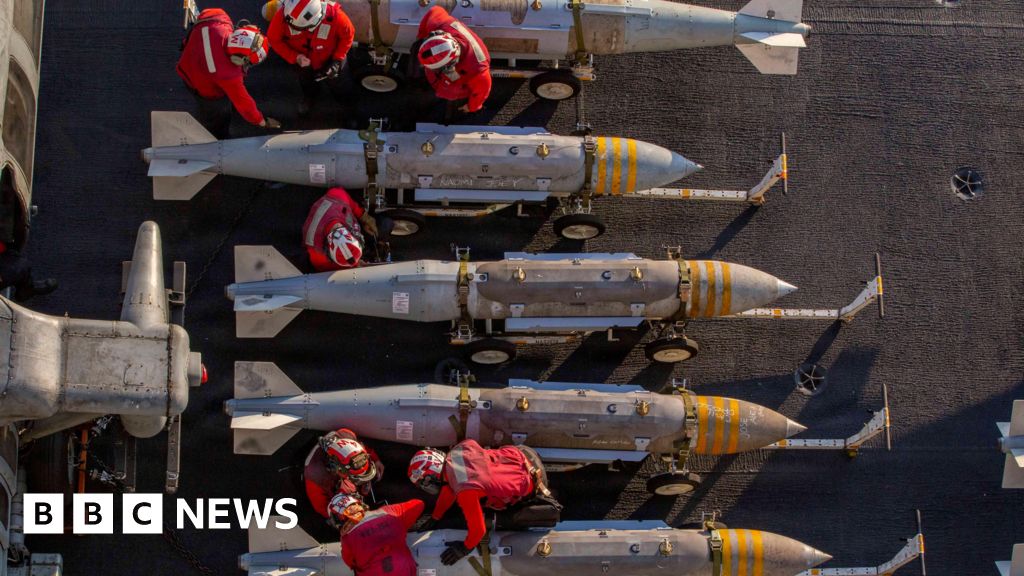
Depleted Weapons Stockpiles Could Threaten U.S. Stance in Iran Zone

As the world watches tensions escalate across several key regions, weapons stocks continue to emerge as a critical yet insufficient determinant of conflict outcomes. While many analysts acknowledge that military capability can shape battlefield success, the broader geopolitical landscape reveals a complex interplay of diplomacy, economic power, and strategic alliances. In this delicate balance, the capacity to mobilize and sustain armed forces often proves decisive, yet it is not the sole factor shaping history’s next chapter,

In recent developments, nations such as Russia, China, and the United States have increasingly prioritized the accumulation of weapons stockpiles as a demonstration of strength—perhaps more a signal to rivals than a prelude to war. However, according to international military analysts, including those at the Stockholm International Peace Research Institute (SIPRI), volume alone does not ensure military victory or deterrence. The state of preparedness, modernity of equipment, and logistical resilience in deploying these assets are equally crucial. This recognition underscores a nuanced reality: conflict is as much about strategic timing and diplomatic diplomacy as it is about the raw number of weapons possessed.

Furthermore, the international community’s response to ongoing conflicts remains shaped by a web of treaties, economic sanctions, and diplomatic efforts that often overshadow military stockpiles. Recent analyses by historians like Ferguson and global organizations such as the United Nations warn against overreliance on military buildup alone. Their assessments indicate that the true turning point in modern conflicts often hinges on international cooperation, information warfare, and economic resilience. For example, the persistent underfunding of diplomatic channels underlines a dangerous misconception: that guns can buy peace, or at least delay inevitable confrontations.

The geopolitical impact of these military strategies stretches beyond the battlefield. Nations are increasingly aware that stockpiling weapons impacts their relationships with allies and rivals alike, often leading to a security dilemma—where one country’s buildup compels neighbors to do the same, fueling an arms race that jeopardizes stability. How these decisions ripple through societies, influence public opinion, and shape future policy decisions remains a central concern for geopolitical analysts. This is especially true in regions where fragile political coalitions can be fractured by perceptions of insecurity or ambition.

As the weight of history presses on current leaders, the world faces a decisive moment: will military strength alone determine the future, or will diplomatic pursuits and economic agility forge a path toward stability? The answer remains elusive as history continues to be written. The siren call of military might is powerful, yet it is ultimately the complex web of international relations—woven with trust, diplomacy, and foresight—that determines the horizon. In this unfolding drama of power and peril, each decision echoes through the corridors of history, shaping generations yet unborn.

Peer Calls Out Environment Agency for Neglecting Toxic Dump in Wigan—Rats, Maggots, Fumes Threaten Local Youth

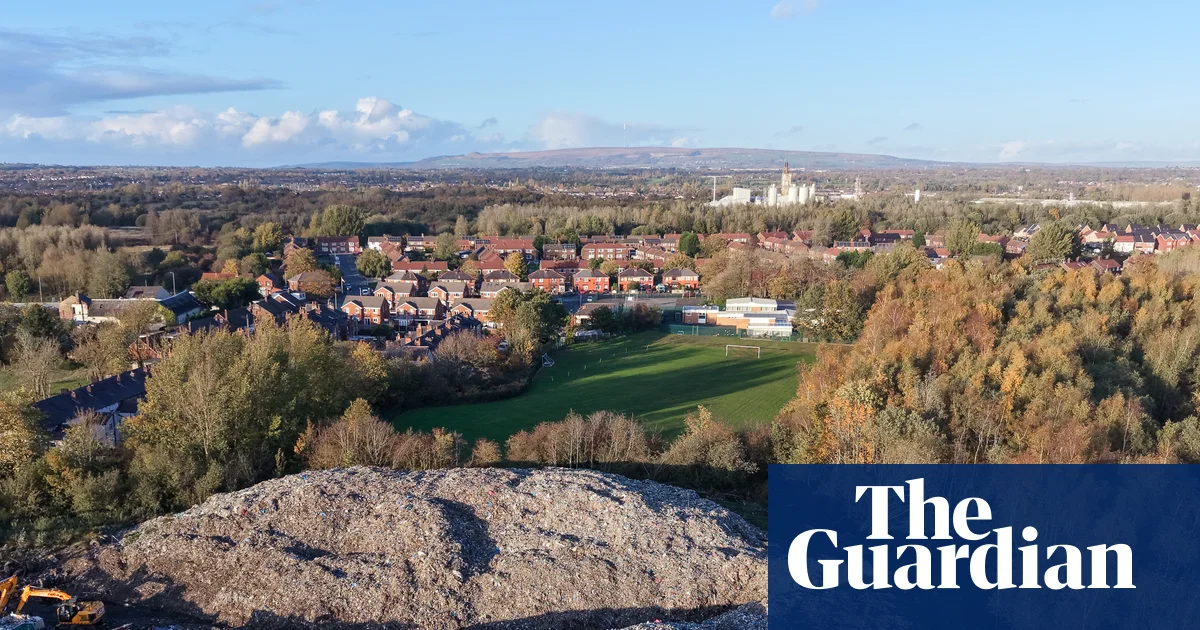
In a troubling display of environmental negligence with significant geopolitical impact, the recent revelations from the United Kingdom expose a deepening crisis that extends beyond local concerns. A 25,000-tonne illegal waste dump adjacent to a primary school in Wigan serves as a stark reminder of how unchecked waste crime can threaten public health, undermine local governance, and challenge national sovereignty over land management. Despite claims by agencies like the Environment Agency that they lack sufficient funds to tackle such dumps, the problem persists, casting doubt on the UK government’s capacity to uphold environmental standards amid rising criminal activity and economic constraints.

Historian and environmental analyst Dr. James Craig warned that the proliferation of waste crime across the UK reflects a broader, international trend of environmental disorder that threatens to destabilize societal norms. The infamous incident last summer, when the Wigan dump caught fire for ten days—forcing school closures and releasing hazardous fumes—illustrates how such illegal activities can escalate into major public safety emergencies. Meanwhile, drone footage reveals a “mountain” of fly-tipped waste in Oxfordshire, with videos circulating as grim visual evidence of a crisis spiraling out of control. These events are no longer isolated; they are part of a pattern that analysts say risks undermining trust in local authorities and national institutions.

For international organizations and environmental watchdogs, this crisis signals a danger that transcends national borders. The United Nations and the European Union have long emphasized the importance of international cooperation in combating transnational waste crime, which often involves cross-border smuggling and organized networks. Yet, the UK’s internal refusal or inability to mobilize sufficient resources to clean up sites like Bolton House Road in Wigan exposes a key vulnerability: when nations falter in enforcing environmental laws, the ripple effect weakens global efforts against ecological degradation. Experts like environmental lawyer Laura Simmons warn that if this trend continues, it will embolden criminal syndicates and erode the foundations of international environmental agreements.

While the government highlights ongoing criminal investigations—four arrests have been made in relation to the Kidlington site—the overarching issue of land ownership complicates efforts to remediate the damage. Ownership of the affected land in Wigan now rests with the Duchy of Lancaster, which, under common law principles, complicates enforcement. Critics argue that bureaucratic delays and ambiguity in land rights serve as barriers to swift cleanup, thereby prolonging environmental hazards and endangering communities. Such procedural bottlenecks, according to political analyst Mark Selby, threaten to undermine public confidence and exemplify how bureaucratic inertia can impede national security and environmental resilience.

In an age where global instability often arises from internal fault lines, the UK’s waste crisis is a microcosm of larger, geopolitical struggles over sovereignty, resource management, and law enforcement. As nations across the world grapple with similar issues—whether in former colonial territories, emerging economies, or established powers—the question remains: are current political and economic frameworks equipped to confront the rising tide of environmental chaos or will the shocks of future crises catch them unprepared? The unfolding story of illegal waste dumping and legislative inertia underscores a profound truth: history is still shaping itself at the intersection of environmental stewardship and national security, with the weight of the future resting heavily on the decisions made today.

Google AI Summaries Threaten Recipe Writers’ Livelihoods: Is a Digital Extinction on the Horizon? | Tech Trends

Embracing the Future: How AI Is Reshaping Culinary Inspiration and Lifestyle

As technology advances at a breakneck pace, many young lifestyle enthusiasts are witnessing a seismic shift in how they approach their passions—most notably, their love for food and genuine culinary experiences. Recently, the rollout of Google’s AI Mode has introduced a new frontier in the realm of online recipes, but with it comes a wave of questions surrounding authenticity, creativity, and the personal impact on creators. Unlike traditional recipes shared with love and expertise, AI-generated dishes are often rough frankensteins of multiple sources, sometimes lacking nuance and personal touch. This shift challenges not only the integrity of culinary arts but also how young consumers connect with trusted food bloggers and lifestyle influencers who have built communities rooted in genuine expertise.

Many intentional lifestyle seekers today are drawn to authenticity—a shift underlined by wellness experts emphasizing the importance of personal experience and human touch in crafting wellness and leisure routines. Elder culinary authorities and food writers such as Julia Child and modern icons like Samin Nosrat remind us that the magic of good food lies in its storytelling, cultural heritage, and the personal care imbued in each step. When AI disrupts this narrative by producing generic, soulless recipes, it threatens to dilute the very essence of lifestyle pursuits that emphasize connection, tradition, and personal mastery.

Impact on Food Bloggers and Culinary Creatives

Authentic food bloggers, such as Jim Delmage and Tara Delmage of Sip and Feast, have long relied on their experience, craftsmanship, and personal stories to build audiences. However, AI’s infiltration into search engines has led to widespread concern. As Jim Delmage recounts, “many food creators are now worried about their livelihoods, fearing that AI recipes, often assembled without care, will overshadow the work they’ve poured years into.” Such sentiments reflect a broader cultural concern: the potential replacement of human artistry with machines, which could result in a decline in trust for online culinary resources and, by extension, a loss of personal impact for these creators.

Yet, amidst these challenges, some chefs and bloggers are doubling down on what makes their content compelling—authenticity. Karen Tedesco, a seasoned chef and culinary personality, emphasizes a reliance on experience and technique—elements that AI cannot replicate. Her detailed Italian meatball recipes, complete with process photos and personal anecdotes, demonstrate how expertise and storytelling foster trust and elevate lifestyle content beyond simple instructions. This approach highlights the importance of maintaining human storytelling in an age increasingly dominated by digital manipulation and automation.

Trust, Authenticity, and the Road Ahead

Interestingly, surveys indicate that consumer trust in AI-generated content remains fragile. Research of over 3,000 US adults shows that “the more interaction people have with AI, the less they want to engage with it,” affirming that trustworthiness still hinges on human authenticity. As Matt Rodbard from Taste points out, the cluttered, ad-heavy interfaces of many recipe sites have already alienated some audiences. Now, the addition of AI content risks compounding this disconnect, making personal, honest storytelling more vital than ever for those who want to distinguish genuine lifestyle voices from soulless automation.

Despite the hurdles, the ethical stance among many creators remains clear: they strive to protect their craft, advocating strategies such as blocking AI training crawlers or emphasizing their unique experiences. Even so, the pressure mounts, pushing many toward offering exclusive subscription content, which, for some, is a necessary step to preserve their livelihood in a rapidly shifting environment. This pivot echoes a broader cultural theme—the pursuit of meaningful, well-crafted lifestyles that resist the transient allure of cheap, disposable content.

Inspiring a Lifestyle of Resilience and Authenticity

Ultimately, this unfolding story reflects a timeless truth: the journey of embracing authentic living, whether through culinary mastery or lifestyle pursuits, is one of resilience. For young individuals seeking vitality, leisure, and a sense of purpose, the message resonates strongly—trust in human experience, nurture your passions, and stay true to what inspires you. As the digital landscape evolves, the true treasures remain those crafted with intention, care, and a story worth sharing. In the face of automation, the journey to authentic living becomes even more meaningful—challenging us to cherish what makes life flavorful, personal, and real.

Authorities threaten parents as 1,000 adopted children are forcibly taken back—what’s happening to our families?

Across the United Kingdom, a silent crisis is unfolding within the realms of adoption and foster care. Deep within families tasked with providing love and stability to society’s most vulnerable children, there is a disturbing narrative of neglect, misunderstanding, and broken support systems. An investigative report by the BBC reveals that numerous adoptive families are being pushed to the brink—being threatened, harassed, and sometimes driven to the point of despair, all while grappling with children who have suffered severe trauma before their placement. These families, often lauded as heroes of society for welcoming children in need, are instead becoming casualties of a system that fails to back them in their darkest hours.

This troubling scenario threatens the very fabric of families, communities, and the future of social cohesion. Sociologists such as Prof. Laura Machin have highlighted the devastating effects such failures have on families, noting that nearly 38% of adoptive parents consider returning their child to care amid the mounting crises. Many families report being misled about the level of post-adoption support and subjected to a culture of blame from social workers overwhelmed by caseloads and systemic limitations. When behavior problems emerge, instead of receiving compassionate intervention, adoptive parents often face the language of blame, legal threats, and even police involvement—an experience that can fracture communities that operate on trust and shared morals. The social impact is profound, with trauma routinely dismissed or misunderstood, leaving families feeling isolated and betrayed.”

Within this chaos, family units are suffering as children with complex needs are returned to care or are left in environments unfit for healing. The BBC investigation uncovers a shocking number—more than 700 children—who are returned to care before their adoption is finalized, and hundreds more after, illustrating a failing system that lacks the preventative support necessary to keep families intact. These breakdowns are often precipitated by inadequate early intervention, with research from Lancaster University indicating that many such disruptions could be avoided with proper, timely help. Social workers, under immense pressure, sometimes resort to disinformation or blame parents for issues rooted in trauma, neglect, or abuse that originated long before adoption. The moral and human toll is immeasurable, with stories like that of Verity and Ian, who adopted their children from a violent environment, only to face threats of prosecution when their own efforts to protect and nurture were met with legal and bureaucratic hostility.

At the core of this social dilemma lies a profound need for reform—a society that recognizes the lifelong commitment of adoption and the essential role of support systems. Advocates like Fiona Wells from the grassroots group Patch emphasize that adoption should be a lifelong journey, backed by continuous, meaningful support. The current landscape, however, often leaves families to fight alone, with legislation outdated and social services strained beyond capacity. As Sarah, a seasoned social worker, admits, social workers on the ground frequently harbor a blame culture, and systemic neglect leaves many families in crisis. But in the light of this ongoing crisis, there is hope. Movements pushing for policy reforms and better resources are gaining momentum, advocating for early intervention, proactive mental health support, and a compassionate approach to trauma—cornerstones of restoring trust and healing fractured lives. Society must reckon with these painful stories, recognizing that behind every statistic are real families burdened by systemic failures, human suffering, and the need for societal compassion.

As society stands on the precipice of change, it reflects a timeless truth: that the strength of our communities is inherently linked to our ability to nurture the vulnerable with dignity and respect. Liam’s story, from trauma to independence, reminds us that amid systemic flaws there is potential for renewal—if society chooses to face its challenges head-on and build a future rooted in compassion and support. For in the quiet resolve of families fighting for their children, lies the hope that society’s moral compass can be recalibrated—toward justice, toward healing, and ultimately, toward a society that truly values every human life, no matter how scarred or lost it may seem.

Doctors warn NHS test delays threaten hundreds of thousands in England

UK Healthcare Crisis: Widespread Test Delays Threaten Patient Outcomes

The United Kingdom currently faces a troubling healthcare crisis that underscores the cracks in its once-lauded National Health Service (NHS). According to recent data analyzed by the Royal College of Radiologists (RCR), nearly 400,000 patients—specifically 386,849 in September—are waiting more than six weeks for essential diagnostic tests such as CT scans, MRIs, ultrasounds, and other critical assessments needed to identify life-threatening conditions. These delays are more than mere inconveniences; they pose genuine risks to patient health, with some potentially facing preventable deaths due to late diagnoses.

This crisis is further compounded by official targets set by NHS England, which aims to limit waits of over six weeks to less than 20% of all patients by 2027. Yet, as the Royal College reports, nearly half (46%) of trusts are failing to meet even this reduced benchmark, highlighting a healthcare system in crisis. With many hospital trusts unable to meet their own standards since 2015, the delays reflect deeper systemic issues—including chronic radiologist shortages and inadequate healthcare funding—further exacerbating a situation where timely diagnosis can mean the difference between life and death. As Dr. Stephen Harden, president of the RCR, emphasized, “Any delay to accessing treatment can worsen health outcomes and even lead to preventable deaths.”

Broader Implications: How Internal Failures Signal Geopolitical Consequences

The unfolding UK healthcare crisis has judged the nation’s social and political fabric as fragile, while casting a shadow over the government’s reputation and impacting societal trust. International observers, including global health analysts and historians, warn that such systemic failures are indicative of larger governance issues. The Department of Health and Social Care claims to have inherited a “broken NHS” but asserts that recent reforms and investments—albeit insufficient—are turning the tide. Nevertheless, critics and independent organizations such as the Institute for Fiscal Studies have cast doubt on future promises, especially their bold pledge to restore an 18-week maximum waiting period for hospital care by 2029—a goal increasingly viewed as overly optimistic given the persistent backlog.

These internal failures do not exist in isolation; they ripple into the international arena by affecting the UK’s standing as an advocate for health security and stability. As population health declines due to untreated diseases, the United Kingdom’s influence wanes. Furthermore, the ongoing healthcare quandary underscores the critical importance of not only military and economic strength but also resilient public health systems—an insight that international point-men like the World Health Organization recognize, especially amidst emerging global health threats.

Historical Context and Future Outlook

Medical historians often cite the UK’s NHS as a beacon of socialized medicine, but recent trends demonstrate that even the most revered institutions are susceptible to resource misallocation and political neglect. This crisis reflects a broader tale of national priorities shifting away from patient-centered care toward bureaucratic and financial constraints. As analysts observe, if the UK’s healthcare system continues to falter, it risks becoming a cautionary tale of social decline, with its societal fabric unraveling under the weight of unmet needs and lost trust.

The warnings issued by think tanks and independent analysts point toward an ominous future where the repercussions of delayed diagnoses and inadequate treatment could escalate into a broader humanitarian catastrophe. The fight for better healthcare is now intertwined with national sovereignty, economic stability, and international influence. As Britain grapples with internal failures, the pressing question remains: how will history judge this chapter—whether as a moment of decline or a catalyst for reform? The answer lies just beyond the horizon, waiting to be written in the blood and resilience of a nation at a crossroads, teetering on the brink of an uncertain future, where the weight of mounting failures drags the last remnants of trust into an uncertain abyss.

Ministers: Send debts won’t threaten our schools—youth-focused council absorbs costs responsibly

The Struggle for Support: How Social Issues in Education Reshape Families and Communities

In recent years, the landscape of special educational needs and disabilities (Send) has become a focal point of societal tension, exposing broader issues of demographic shifts, funding disparities, and community resilience. As families with children requiring tailored support grapple with an increasingly strained system, the question arises: can our society uphold the moral obligation to adequately support its most vulnerable? Local authorities and parent groups have voiced growing concern over the government’s plans to repurpose funding sources, with many warning that these measures risk destabilizing networks of care and education for children with complex needs.

At the core of this crisis is the rapidly rising demand for Send services. Since 2016, the number of young people with education, health and care plans (EHCPs)—official documents outlining support entitlements—has doubled across England. This demand, compounded by underfunding and systemic inefficiencies, has created a perfect storm, where families are left to navigate a labyrinth of uncertainty and inadequate resources. Currently, local authorities receive a ring-fenced grant to fund Send, but rising needs have led them to spend billions beyond what the central government provides. The Social Commentator Anna Bird cautions that the government’s optimism about reform timelines may overlook the reality that overhauling such a complex system will take considerable time, risking further hardship for families caught in the gaps.

The Money Problem and Its Impact on Families and Education

  • The £6 billion forecasted cost for supporting children with disabilities is set to be taken from local authorities, effectively shifting financial burdens from the state onto community shoulders.
  • This move comes despite warnings from the Office for Budget Responsibility (OBR) that councils face a cumulative deficit of £14 billion by 2028, threatening their capacity to sustain other vital services.
  • Opposition voices, including the Shadow Education Secretary, assert that any reduction in school budgets jeopardizes educational quality and fairness, especially for children with special needs.

For families like Aimee Bradley, a mother of three autistic children, the lack of transparency fuels anxiety. “Parents see vague promises and no concrete plans,” she states. Many are worried about not just the future of their children’s support services but also the quality of education and inclusion in mainstream society. Sociologists emphasize that when social infrastructure falters, it’s families—particularly those with marginalized children—who bear the brunt, reinforcing cycles of inequality and social exclusion.

The Social and Ethical Dilemmas of Budget Cuts

Amidst the debate, experts like Luke Sibieta from the Institute for Fiscal Studies advise that the government has three primary options: slowing the growth in Send spending, increasing the overall schools budget, or cutting mainstream school funding. Each pathway threatens to ripple through communities, affecting the morale and stability of schools, and the cohesion of neighborhoods. The National Audit Office’s description of the system as “broken” underscores a sobering reality: without urgent and sustained reform, society risks leaving behind its most vulnerable children, perpetuating a cycle of unequal opportunity that stunts community growth and societal progress.

For many social commentators, the core challenge lies in balancing fiscal responsibility with ethical duty. The future hinges upon whether policymakers recognize that investment in supporting children with special educational needs is not merely a matter of budgets but a moral imperative to nurture societal resilience and fair opportunity. As society faces these difficult choices, the hope persists that the collective moral voice of families, educators, and community leaders can forge a future where every child is valued and supported—restoring faith that society’s true strength lies in its capacity to care for its most vulnerable.

Former PM warns: AI and English media threaten Icelandic future

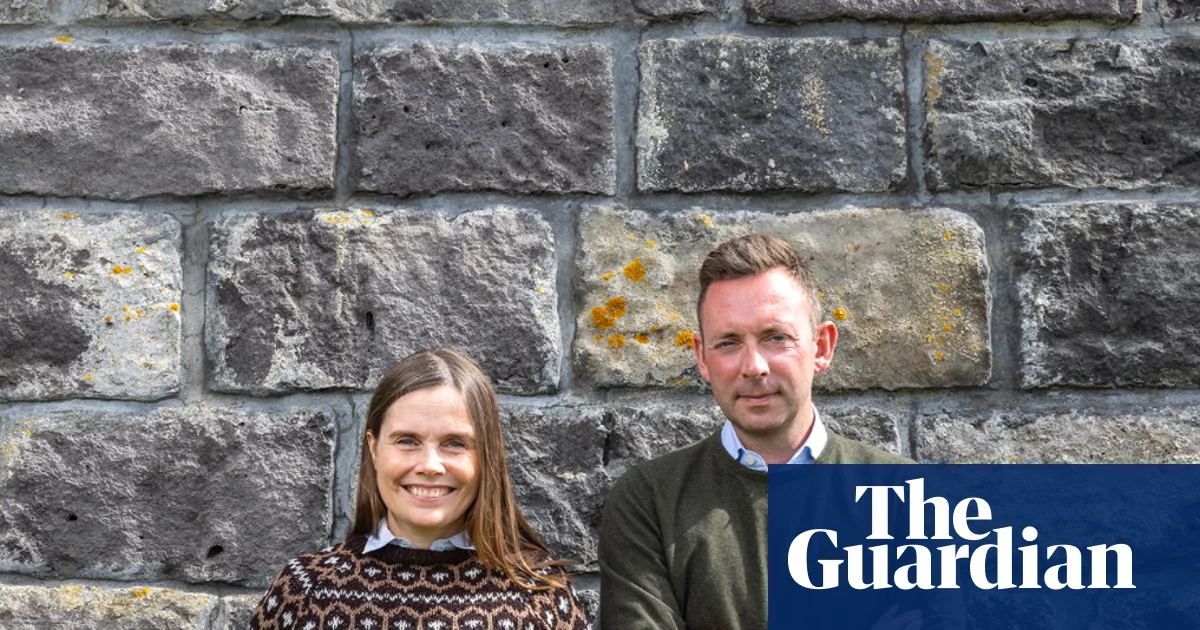
The threat to Icelandic language sovereignty has recently been highlighted by Iceland’s former Prime Minister Katrín Jakobsdóttir. In a striking warning, she articulated concerns that the rapid rise of artificial intelligence (AI) and the dominance of English media could result in the wipeout of Icelandic within a single generation. This crisis underscores a broader geopolitical impact where cultural hegemony driven by digital globalization poses an existential threat to the world’s less-used languages. With only about 350,000 speakers, Icelandic is not just a linguistic asset but a repository of centuries of human thought and cultural heritage, an attribute that many analysts argue is essential for national identity and societal resilience.

Jakobsdóttir’s concerns echo a pattern witnessed throughout history, where dominant powers have historically absorbed or suppressed local languages and cultures—most notably during Iceland’s colonial period under Danish rule. “We have seen that before here in Iceland,” she pointed out, referencing how Danish influence nearly altered the language. However, she advocates for a proactive approach, emphasizing that the fate of a nation can be decided by how it preserves and promotes its unique language. International organizations, such as UNESCO, have long recognized this issue, warning that the erosion of linguistic diversity is closely tied to the marginalization of cultural diversity and human knowledge. Iceland’s recent efforts, including the partnership with Anthropic for a nationwide AI education pilot, represent a strategic pivot aimed at ensuring the digital age does not essentially erase or distort the Icelandic linguistic heritage.

The core challenge lies in how AI models are trained. Critics—both within and outside Iceland—highlight that language models often lean heavily on English and other dominant languages, inadvertently marginalizing smaller linguistic communities. Ragnar Jónasson, Jakobsdóttir’s co-author and a renowned Icelandic author, warned that we are just a generation away from losing this language entirely due to the pervasive influence of online platforms where English reigns supreme. He emphasizes that young Icelanders are increasingly conversing in English and consuming media primarily in that language. Such trends threaten to turn Icelandic into a relic, a phenomenon not unfamiliar in regions where language shifts occurred post-colonization or under global cultural influence. According to historians like Guðmundur Hálfdánarson, without deliberate preservation efforts, this linguistic shift could accelerate swiftly, mirroring events during the Danish rule.

These developments carry profound geopolitical implications. As nations grapple with digital transformation, the question arises: should states invest in unilateral measures to safeguard their native languages, or will they succumb to the inevitable tide of globalization? Jakobsdóttir’s perspective suggests that the preservation of language entails defending the very way a nation thinks and perceives itself. Her concern is that losing Icelandic would not only mean losing words but would threaten the collective identity. The debate echoes global tensions where cultural sovereignty is increasingly threatened by technological and economic forces aligned with Western dominance. In this unfolding story of Earth’s diverse civilizations, Iceland’s fight encapsulates a larger struggle—a battle to retain not just words but the stories, identities, and ideologies that have shaped nations for centuries. As history continues to unfold, the question remains whether the preservation of language will become a symbolic act or a catalyst for a broader movement against cultural erasure, leaving humanity to ponder whether the uniqueness of every tongue can withstand the onslaught of relentless digital globalization.

Aid Cuts Threaten to Bring Back Malaria Crisis — Time to Prioritize Our Communities

The Hidden Crisis of Malaria: A Societal Wake-up Call

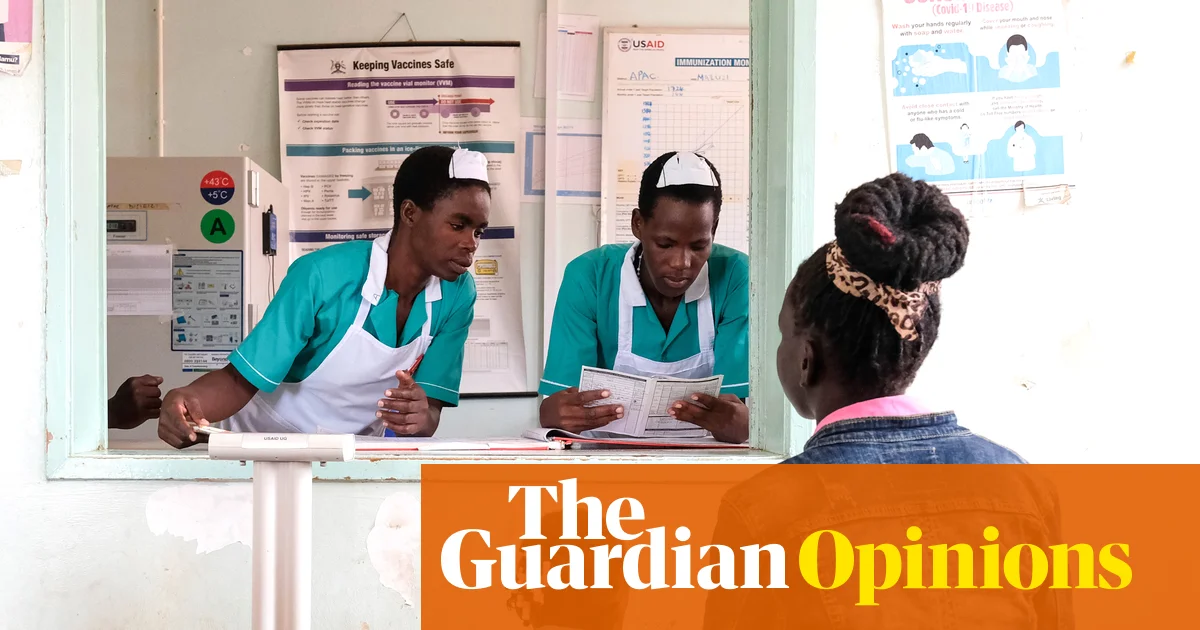
Malaria, a deadly infectious disease primarily impacting communities in Africa, continues to exact an unacceptably high toll on the most vulnerable—small children and expectant mothers. Responsible for nearly 600,000 deaths annually, this disease remains a stark reminder of how neglect, environmental changes, and waning international aid converge to threaten lives and societal stability. Despite ongoing promises to eradicate malaria, recent cuts in funding and global health aid are undoing decades of progress, pushing millions closer to death and disrupting families’ pursuit of security and prosperity.

The role of families and communities in combating malaria is profound, yet they are often the first casualties of the social and economic fallout when aid dwindles. Programs run by the Global Fund to Fight AIDS, Tuberculosis, and Malaria have historically been the backbone of efforts to control the disease. However, with its recent funding shortfalls—especially significant cuts from countries such as Germany and rumoured reductions from the UK—the capacity to deliver essential prevention tools, like bed nets and vaccines, is dwindling. These aid reductions threaten to reverse gains, with the potential to cause nearly a million additional deaths by the end of the decade, according to health experts.

Environmental and Demographic Shifts: Compounding the Crisis

Environmental degradation and climate change are intensifying malaria’s reach. Altered rainfall patterns and rising temperatures are expanding mosquito habitats, making eradication increasingly difficult. The resistance of parasites such as Plasmodium falciparum to existing drugs exacerbates the challenge, echoing past cycles where previously effective medicines—chloroquine and artemisinins—lost their potency. While vaccines offer hope, their limited protective scope and inability to stop transmission mean that without sustained, comprehensive control measures, malaria’s grip will tighten. Social commentator Dr. Robert M. Kaplan warns that these environmental and biological shifts threaten a “perfect storm” that could undo decades of hard-won progress, leaving vulnerable families to face devastation once again.

Importantly, the ripple effects extend beyond health, crippling economies and undermining social cohesion. The economic analysis emphasizes that maintaining the 2030 funding targets could save 1.86 million lives and catalyze an economic surge of $231 billion in African GDP. Conversely, a 20% funding cut could lead to approximately 82,000 additional deaths and a GDP decline nearing $5 billion, underscoring how intertwined health and economic wellbeing are. Families, often already strained by poverty, are pushed further into hardship when preventable deaths occur, eroding the moral fabric of societies built on hope and resilience.

Social Reflection and the Call for Action

As nations face tight budgets and competing priorities, it is crucial to recognize that the fight against malaria is ultimately a matter of moral urgency. The ethical responsibility rests not only with governments but with global society to prioritize life-saving interventions for the voiceless—children and pregnant women—whose futures hang in the balance. Historians and social theorists like Albert O. Hirschman have long argued that societal strength depends on caring for its most vulnerable. If this principle is abandoned, the fabric of our shared humanity frays, and inequalities deepen.

In this moment of crisis, society must reflect on the true meaning of progress. Does it mean just economic growth, or does it encompass the health, dignity, and future of all its members? The challenge lies in restoring faith in collective action, rekindling a spirit of global solidarity capable of rallying resources, innovation, and moral resolve. As society stands at this crossroads, the hope remains—like a flickering flame— that through determined effort, equitable investment, and environmental stewardship, the silent sufferers of malaria can be freed from their suffering. Society’s capacity for compassion and resilience might yet turn the tide, transforming despair into hope and death into life, one village at a time.

Sydney braces for fierce heat as record temperatures shift east and powerful winds threaten southern Australia

The Rising Temperatures and Political Stakes in the Age of Climate Crisis

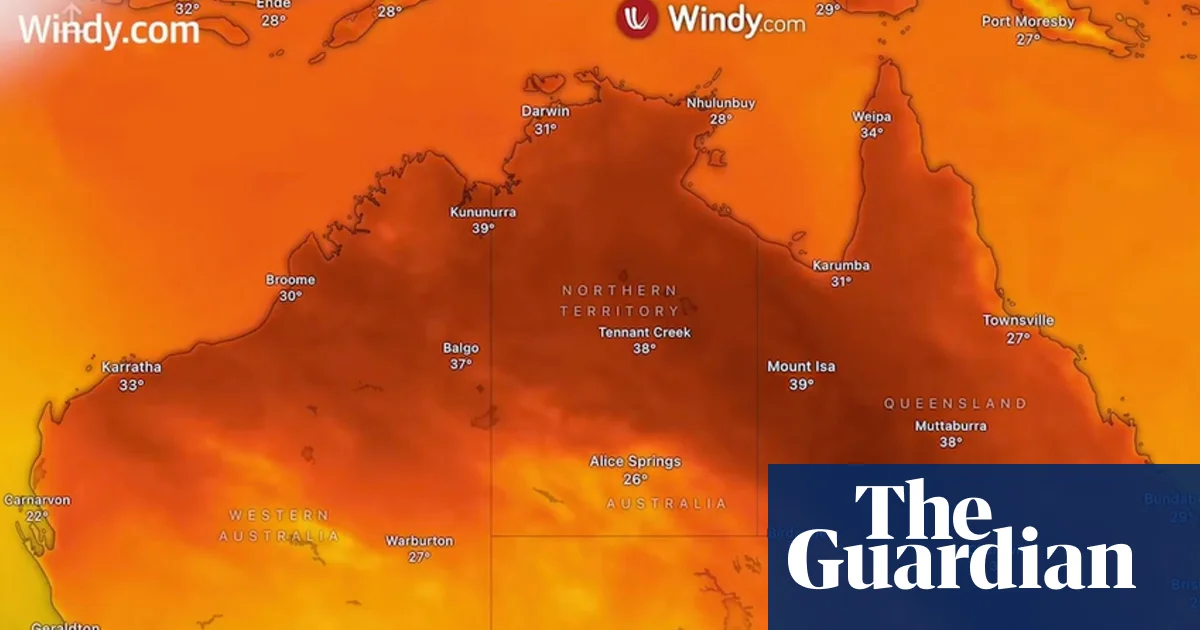
As the weather patterns across Australia reach unprecedented heights, the underlying message for the international community becomes clear: climate change is accelerating, and its geopolitical impact is profound and far-reaching. Recent reports from the Bureau of Meteorology reveal that both New South Wales and Queensland set records for their hottest October temperatures, with Birdsville in outback Queensland reaching 46.1°C and Bourke in NSW hitting 44.8°C. These extreme heatwaves reflect a disturbing trend that, according to climate analysts, is largely driven by human activity and the ongoing climate crisis.

The impact is not contained to environmental implications alone; it also bears heavily on political stability, resource management, and global reputation. Australia’s climate crisis has ignited intense debates among policymakers and environmental groups alike. As prime minister of Australia, Anthony Albanese, faces mounting pressure to implement more aggressive climate policies, international observers watch with concern that insufficient action could undermine the nation’s global standing and economic resilience. Historians warn that this era could be remembered as a pivotal point where inaction may have cost entire communities their livelihoods, especially vulnerable rural towns like Birdsville where heatwaves are becoming the new normal.

Disaster on the Horizon: Extreme Weather Spurs International Response

Simultaneously, severe weather warnings across Victoria, South Australia, and along the Australian coast underscore the growing risk of natural disasters. Widespread strong winds—up to 130 km/h— and raging bushfires reported by the NSW Rural Fire Service highlight the dangerous cascading effects of climate change—drought, heatwaves, and destructive winds—often intersecting into a perfect storm of environmental and societal crises. These developments heighten the warning issued by climate experts that borderless phenomena require the global community to intensify cooperation, sharing resources and technology to adapt and mitigate.

This global challenge transcends Australia. Regions from the United States to India are witnessing record-breaking heat and supercharged storm systems. International organizations, such as the United Nations and Intergovernmental Panel on Climate Change (IPCC), emphasize that these patterns are no longer isolated incidents but part of a grim trend that demands urgent policy shifts. Some analysts warn that failure to address these problems could destabilize regional economies, trigger displacement, and spur international conflict over scarce resources, namely water and arable land.

Decisions That Define the Future

The recent climate events serve as a stark reminder that international cooperation and national leadership must evolve in tandem if humanity is to navigate this crisis. Countries must confront their responsibilities; for Australia, this means not only reducing emissions but also preparing societies for the unavoidable consequences of climate extremes. Likewise, global leaders face a choice: continue on a path of short-term economic gains at the expense of environmental stability or embrace bold reforms that will safeguard future generations.

As climate scientists warn that the current trajectory could lead to irreversible damage, the decisions made in the coming years will be etched into history. The world stands at a turning point—one where climate resilience, geopolitical stability, and social cohesion hang in the balance. The ongoing narrative is still being written, yet the warning signs are unmistakable: history’s true test lies ahead, demanding leadership and willpower amid an unfolding era of climate upheaval.

Social Media Auto Publish Powered By : XYZScripts.com