
Rising Tensions and Strategic Movements: US Preparedness in the Middle East
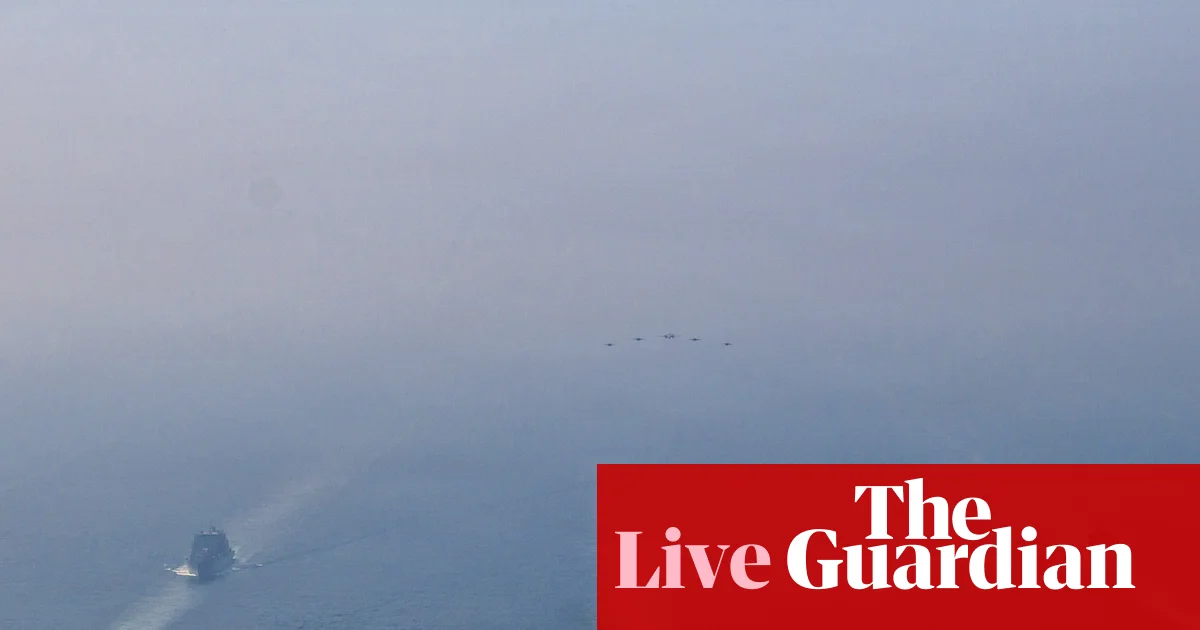
In a clear demonstration of shifting geopolitical tides, the United States has amassed an unprecedented military presence in the Middle East. The deployment of the USS Abraham Lincoln aircraft carrier, along with an entire strike group equipped with F-35 Lightning IIs and F/A-18 Super Hornets, signals a readiness to escalate military options against Iran. For nearly a month, these naval forces have operated in the Arabian Sea, indicating a deliberate strategic posture aimed, analysts suggest, at exerting maximum pressure on Iran. Complementing this buildup, a second carrier, the USS Gerald R Ford, has been positioned in the Atlantic near Morocco, scheduled to traverse the Strait of Gibraltar en route to the eastern Mediterranean—a move that signals a potential for sustained air campaigns against key targets.
This military reinforcement coincides with recent comments by Donald Trump, publicly asserting a two-week ultimatum for Iran to negotiate on its nuclear program. Sources reveal that high-level discussions in Washington have circled around not only limited strikes targeting military or governmental sites but also the possibility of larger-scale operations aimed at dismantling Iran’s nuclear capabilities or even precipitating regime change. Military strategists within the Pentagon have emphasized that these carrier strike groups could generate “several hundred strike sorties a day for weeks,” exceeding even the intensity seen during the brief 12-days war in the Gulf. The precise intentions remain under wraps, yet the message to Tehran is unmistakable: the U.S. is prepared for a decisive escalation if diplomatic efforts falter.
Global Repercussions and the Balance of Power
The geopolitical impact of this military posturing extends far beyond regional borders. Historically, the presence of such formidable naval forces signifies more than mere deterrence; it signals America’s unwavering commitment to safeguarding its strategic interests and allies, particularly Israel. According to analysts from institutions like the Institute for the Study of War and the American Enterprise Institute, the deployment of forces—combined with intelligence movements such as the transfer of six E-3 Sentry Awacs aircraft to Prince Sultan Airbase in Saudi Arabia—indicates a readiness to launch an extensive aerial campaign. This potential for rapid escalation could destabilize the region further, risking wider conflict or drawing previously uninvolved nations into the swirl of wartime politics.
Notably, some military experts warn that the mere show of force might inflame tensions rather than resolve underlying issues. Several senior analysts contend that, given Iran’s robust underground facilities and asymmetric warfare strategies, conventional bombing could prove less effective and more destructive of regional stability. Yet, the Biden administration’s continued military buildup, reminiscent of the post-Iraq invasion surge, hints at an underlying resolve to influence Iran’s nuclear trajectory through maximum pressure. The broader geopolitical ripple effect will likely be felt across energy markets, NATO alliances, and the global balance of power, as nations recommit to the narrative of American dominance and interventionism.
Historical Warnings and the Fragile Path Forward
According to historians and diplomatic experts, the prolonged cycle of threats and military movements carries profound warnings. Since the 2003 Iraq conflict, the Middle East has been a theater where power decisions ripple into prolonged instability—consequences that nations and societies continue to grapple with. The current show of force, framed by some as a “prelude to conflict,” echoes Cold War dynamics and raises questions about the efficacy of military solutions in a complex geopolitical landscape. International organizations have urged restraint, concerned that an ill-judged attack could unleash chaos, destabilize nuclear negotiations, and threaten global energy supplies.
As the world watches the unfolding drama, the weight of history remains heavy on the horizon. Whether diplomatic negotiations will succeed or whether the specter of war will deepen, the decisions made today could define an era. With each carrier deployment and political declaration, a new chapter in the ongoing contest for influence is written—one where the boldest actions might yet carve a scar on history’s fabric, a reminder that in international politics, peace is often a fragile vessel, easily shattered by the weight of impending war.