Matox News

Truth Over Trends, always!

Polls open as Trump allies’ threats cast shadow over voting process

Honduras on the Brink: Election Turmoil Amid U.S. Interventions

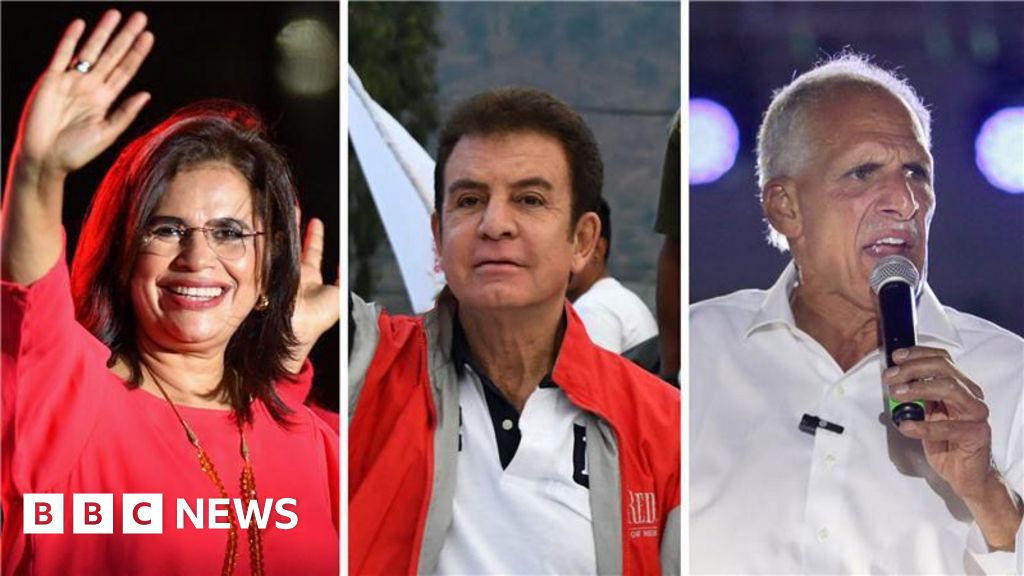
As Honduras approaches its highly contentious general election, the stakes extend far beyond national borders, reflecting the delicate and often volatile nature of regional geopolitics. The contest pits five candidates, with polls currently favoring Salvador Nasralla—a veteran candidate alleging electoral fraud in 2017—yet the atmosphere is overshadowed by external influences, particularly from United States President Donald Trump. Trump’s explicit support for right-wing candidate Nasry “Tito” Asfura, the former mayor of Tegucigalpa, signals a disturbing level of foreign meddling in what is supposed to be a sovereign democratic process. His warning that aid might be withheld depending on the election’s outcome underscores how external actors leverage financial influence to sway the political future of Central America.

The deeply intertwined geopolitical ramifications are evident in the U.S.’s strategy for the region. Despite halving its aid, the U.S. continues to funnel hundreds of millions into Honduras, a stark reminder of how economic resources are weaponized in the broader contest to shape Latin America’s political landscape. Such interventions threaten to undermine the sovereignty and democratic stability of Honduras, with analysts warning that the perceived backing of a candidate can exacerbate existing divisions and fuel unrest. Meanwhile, the Honduran electorate remains disillusioned, with 34% undecided—the poll’s paradoxical statistic illustrates how external pressures and internal fears create a landscape ripe for instability. Historically, such foreign-influenced elections in fragile democracies have often been a prelude to greater turmoil, with scholars like John M. Ackerman warning about the risks of foreign interference disrupting the fragile balance of Latin American politics.

Front-Runners in a Fractured Nation

The political contest is complicated by the recent history of corruption and political scandals. Xiomara Castro, the outgoing president and Honduras’s first female leader, is constitutionally barred from seeking a second term but remains influential through her endorsement of Moncada. Her claims of Trump’s interventionist tactics echo a broader narrative of U.S. meddling, which critics argue aims to install a government more amenable to Western interests. Meanwhile, Asfura, initially distancing himself from disgraced ex-President Juan Orlando Hernández, seeks to mainstream himself amidst allegations of corruption—an issue that recent indictments and convictions have thrown into stark relief. The US’s move to potentially override Hernández’s 45-year sentence for drug trafficking casts long shadows over Asfura’s campaign, raising questions about ongoing American influence and double standards in Latin American justice.

At the same time, the current *front-runner*, Salvador Nasralla, emerges as a symbol of opposition to external interference and entrenched corruption. His campaign platform promises to open the economy, create jobs, and pivot away from the influence of foreign players like China and Venezuela—both of which are embroiled in their own regional conflicts. The recent escalation of tensions between Venezuela and the U.S. has added another layer of complexity, with Washington increasing military exercises and carrying out targeted strikes against alleged drug traffickers, actions vehemently denounced by Maduro as attempts at regime change. Trump’s declaration that Venezuela’s airspace is “closed”—despite lacking legal authority—further underscores the high-stakes nature of the confrontation between U.S. imperial ambitions and Latin American sovereignty.

Uncertain Futures and the Weight of History

With elections underway amid widespread accusations of pre-emptive fraud and political intimidation, Honduras stands at a crossroads. The national electoral council’s calls for calm reflect a fragile attempt to maintain order, but underlying tensions threaten to explode into violence. The geopolitical chessboard, with its array of regional and global actors, underscores the peril in dismissing the importance of this election: it is not merely a vote but a test of resilience for Honduran democracy amidst foreign manipulation and internal decay. As history watches, the unfolding drama in Honduras becomes a mirror for the broader struggle between sovereignty and external influence—a struggle that could shape the entire region for decades to come. The outcome remains uncertain, yet the weight of recent events leaves no doubt: in this volatile crucible of modern geopolitics, the future remains unwritten, and the echoes of today’s decisions will resonate through history’s corridors for generations to come.

Five Dead in Attack on Paramilitary HQ Highlighting Rising Threats

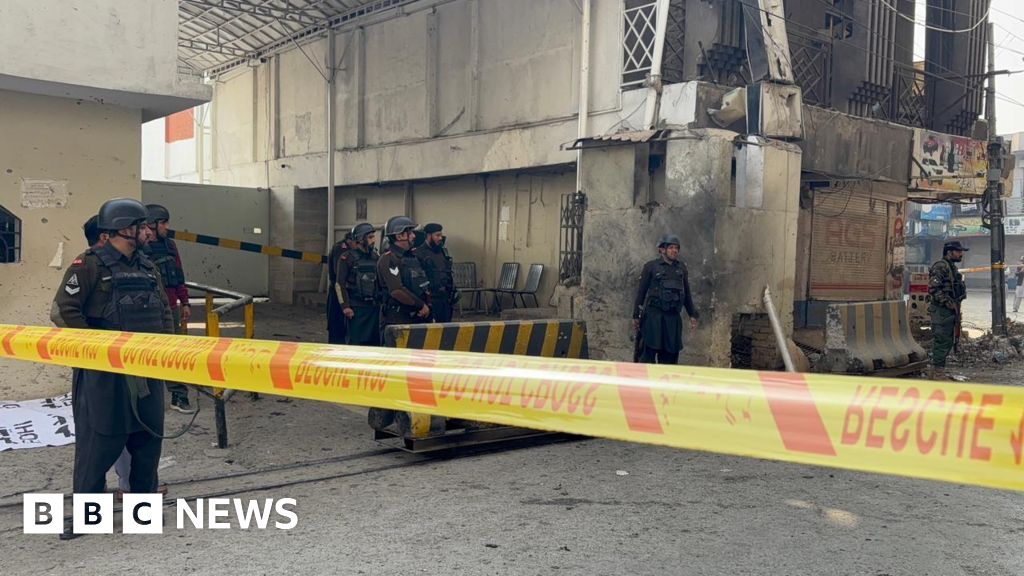
Pakistan witnessed a brazen attack on its security infrastructure this week, as two suicide bombers targeted the headquarters of the Federal Constabulary in Peshawar. The assault resulted in the deaths of three security officials and injured at least twelve others, highlighting the persistent threat of militant violence in the region. Despite the highly secured nature of the facility—located in a strategic and reinforced area—these attackers managed to breach multiple security layers, only to be neutralized at the gate. The incident underscores the **fragility of Pakistan’s internal security** and the enduring influence of militant groups such as the Pakistani Taliban.

Authorities have yet to claim responsibility for the attack, but the proximity of the incident to militant hotspots and historical violence suggests the involvement of insurgent factions operating in the region. Peshawar, in the north-west border province of Khyber Pakhtunkhwa, has long been a conflict zone where militant activities frequently threaten stability. Following the attack, officials described the event as a **”foiled terrorist plot,”** indicating that security forces had previously anticipated or thwarted potential assaults. The acting Prime Minister, Shehbaz Sharif, responded with a firm call for justice, emphasizing that the perpetrators must be identified and brought to account. Such statements echo Pakistan’s ongoing narrative—officially, a determined effort to combat extremism and restore order, but the persistent violence exposes weaknesses that often undermine these vows.

The broader geopolitical impact reaches beyond Pakistan’s borders, especially considering the role of neighboring Afghanistan. Historically, the border region has been a haven for militant groups that exploit the porous confines for sanctuary and operations. Recent years have seen increased tensions and concern that these militant networks could be emboldened by shifts in regional power, especially as international attention shifts elsewhere. Analysts warn that this attack signals an ongoing **security challenge** for Pakistan and a potential destabilizing factor impacting regional stability. The situation also complicates international efforts to stabilize Afghanistan, which remains a fertile ground for movement and logistics for insurgent groups, further threatening neighboring nations.

Experts, including regional security analysts and well-known historians, have consistently warned that the **choices made by Pakistan’s leadership**—particularly in border policy and counter-terrorism—will shape the future of the nation and its place in global geopolitics. The attack also underscores the mounting challenge of balancing militant suppression with broader societal issues such as poverty, political instability, and local grievances that foster insurgent recruitment. As the world watches, the unfolding events in Peshawar serve as a stark reminder: the trajectory of Pakistan’s internal security will continue to influence the broader regional power balance, with rivalries and alliances shifting accordingly. The question remains—*How long can nations maintain a delicate equilibrium amid the chaos of persistent violence?*

In an international landscape filled with unpredictable shifts, the situation in Pakistan remains a potent symbol of the unending struggle against extremism. With history watching and the weight of millions of hopes resting on fragile shoulders, the unfolding story of this attack marks another chapter—one that may well define the course of security, sovereignty, and societal resilience in South Asia for generations to come. As officials scramble for answers and reinforcements, the shadows of past conflicts loom larger, reminding us that in the realm of geopolitics, stability often teeters on the edge of chaos, awaiting its next defining moment in history.

Venezuelans Fear Food Shortages Amid US Threats

Escalating Tensions in Venezuela: Geopolitical Impacts and Societal Struggles

The current crisis in Venezuela exemplifies the profound complexity of international conflicts and their ripple effects on societies. While global headlines focus on the military posturing of the United States and formal threats of invasion, the daily lives of ordinary Venezuelans remain overshadowed by economic despair and political repression. Despite aggressive troop deployments and heightened military activity near the country, the general mood on the streets of Caracas reflects prevailing **uncertainty and economic hardship** rather than imminent war. This divergence between geopolitical maneuvers and local realities underscores how decisions made in far-off corridors affect the lives of people caught in a web of **economic collapse and political repression**.

In recent weeks, Washington has escalated its military posture, deploying the largest warship in the world, USS Gerald R. Ford, along with thousands of troops and military assets near Venezuela. The move is presented as part of an effort to curb drug trafficking, yet critics and some analysts argue it is a thinly veiled attempt at regime change, echoing historical interventions in Latin America. An international wave of airlines cancelling flights and warning of **”heightened military activity”** signals a dangerous escalation that risks spiraling beyond diplomatic channels. Global institutions like the United Nations and international historians draw stark parallels with past Cold War crises, warning that such military brinkmanship could inadvertently ignite **regional conflict** or lead to humanitarian crises. The looming threat is not just a matter of military strategy but how such actions destabilize **sovereign nations** and threaten *fragile* social fabric*.

Meanwhile, the people of Venezuela face a harrowing reality marked by hyperinflation, food shortages, and pervasive fear. According to the International Monetary Fund, inflation could hit an unprecedented 629% by 2026 — the highest in the continent — ravaging purchasing power and deepening poverty. Even before the international tensions, Venezuelans were struggling to secure basic staples. Vendors such as Alejandro, who sells vegetables in a Caracas market, describe empty aisles and prices quadrupling, leaving most families unable to afford the **basic food basket**. Public sentiment reveals a dangerous mix of resignation and silent anxiety; many fear openly criticizing the regime or the burgeoning crisis, knowing repression has intensified since disputed elections in 2024. Opponents and analysts warn that **further repression and silence** may hide a growing insurgency or unrest that could explode if economic hardship persists or if international conflict engulfs the region.

How International Decisions Shape Societies

The decision to threaten military action or escalate tensions plays a significant role in shaping **how nations and societies evolve**. The United States’ posture signals its strategic interest in Latin America, but the aftermath often falls most heavily on local populations. As historians along with organizations like the Council on Foreign Relations warn, such show-of-force tactics risk undermining sovereignty and intensify **civil unrest**. Many Venezuelans, like Consuelo and Esther, express a sense of helplessness, caught between the fear of war and the daily fight for survival, with economic collapse overshadowing geopolitical concerns. Fear and repression have silenced protests and debates, creating an environment where hope is confined to whispers and secret exchanges. The international community’s role, whether through diplomatic engagement or sanctions, remains pivotal in either preventing disaster or unleashing a cascade of crisis that could leave history’s pages stained with the blood of innocence.

As the world watches a region teetering on the edge, the deeper truth emerges — nations are not isolated entities; they are intertwined in a web of **power struggles, economic interests, and human stories**. The convergence of military posturing, economic collapse, and political repression in Venezuela reminds us that the future is still to be written. Whether through diplomacy, confrontation, or catastrophe, history continues to unfold in the streets of Caracas, where everyday life persists amid an atmosphere heavy with uncertainty and the echoes of a legacy that will define generations to come. The full weight of history hangs in the balance, waiting to see if resolve or recklessness will shape the next chapter.

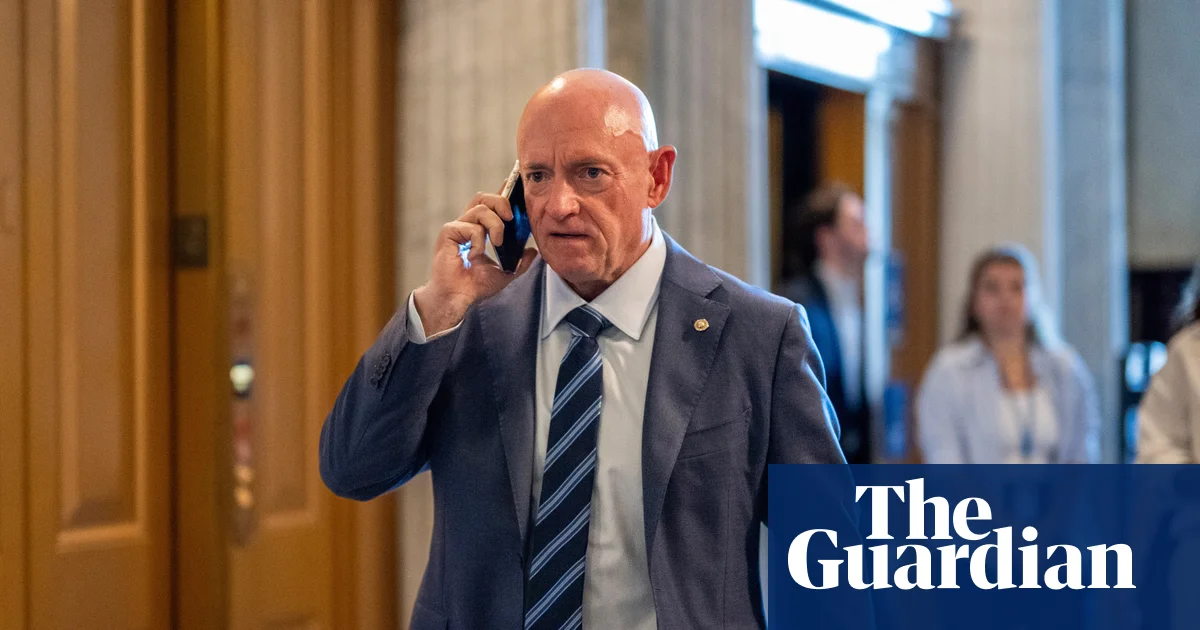
Senator, whose wife was shot, warns of rising threats after Trump seditious claims | US Senate

U.S. Political Climate Sparks International Concern Over Political Violence and International Stability

The recent escalation of rhetoric within United States politics has cast a shadow over global stability, with Senator Mark Kelly warning of the dangerous language used by former President Donald Trump. Kelly, himself a victim of political violence, expressed grave concerns over the rise of threats to himself, his staff, and the broader fabric of American democracy. This comes amid a fiery exchange that has brought issues of domestic political violence and public safety into sharp focus, prompting international observers and analysts to question the ripple effects of such incendiary rhetoric.

The incident underscores the polarized nature of current American discourse. A video featuring several Democratic lawmakers, including those with military or intelligence backgrounds, urging service members to refuse unlawful orders, has further ignited tensions. Trump’s response—labeling these lawmakers’ actions as “SEDITIOUS BEHAVIOR, punishable by DEATH” and calling for violent retribution—has echoed across social media, spurring reactions from allies and adversaries alike. This dangerous escalation not only threatens U.S. domestic peace but also raises concerns about possible international repercussions, as other nations watch in alarm.

Global Impact of America’s Internal Strife and Shifting Alliances

  • Historians and international analysts warn that U.S. internal divisions could undermine decades of global leadership, especially at a time when major geopolitical shifts are already underway.
  • Organizations such as The International Crisis Group warn that further polarization could embolden authoritarian regimes, which often use internal chaos as justification for expanding their influence on the world stage.
  • Meanwhile, allies in Europe and Asia observe that a weakened U.S. leadership could embolden adversaries like Russia and China, who are eyeing the vacuum to advance their strategic objectives.

Moreover, the domestic political violence reflected in recent events echoes broader global concerns about the stability of democratic institutions. The violent attack on the U.S. Capitol in January 2021, linked to then-President Trump’s rhetoric, remains a stark reminder of how fragile peace can be in times of profound political upheaval. As international leaders and historians analyze this convergence of rhetoric and violence, many emphasize how the choices made in Washington could shape the trajectory of democracy worldwide for generations to come. The narrative is clear: what unfolds in America’s political arena will determine whether the global order remains resilient or succumbs to chaos, inspired by the very violence fomented within its borders.

The Weight of History and the Unfolding Future

As President Biden and world leaders grapple with the repercussions of America’s internal struggles, the question remains—how will history judge this pivotal moment? Will the violence and incendiary language serve as a catalyst for change or precipitate a descent into chaos? These decisions have the power to recalibrate the balance of power and redefine the course of history. With each passing day, the world holds its breath, watching as America’s narrative continues to unfold—an epic story of division, resilience, and the enduring pursuit of liberty amidst the most turbulent times. The echoes of this chapter will undoubtedly resonate for generations, forging a legacy that will be etched into the annals of history as a stark reminder of a nation’s struggle to uphold its ideals in the face of internal storms.

Female MPs face death and rape threats after condemning neo-Nazi rally outside NSW Parliament

In a disturbing display of the persistent reach of extremist ideologies, Australia continues to grapple with the consequences of its complex approach to political protests and hate speech. Recent reports from New South Wales reveal a troubling escalation: two prominent female MPs—federal MP Allegra Spender and state MP Kellie Sloane—have received **threats** following their condemnations of a neo-Nazi rally outside the NSW parliament. These threats, including death and dehumanizing calls, underscore a **growing threat** not only to individuals but to the very fabric of societal tolerance in the region. The rally itself, attended by around 60 men clad in black and advocating against the “Jewish lobby” using classical antisemitic tropes, exemplifies the destructive power of unchecked radicalization, which analysts warn could destabilize domestic cohesion and fuel international tensions.

The Australian government and police authorities have faced intense scrutiny over their handling of the event. Despite the rally’s approval by local police, critics argue the decision reflects a **double standard**—a claim the authorities deny. Speaking on ABC radio, NSW Premier Chris Minns dismissed accusations of bias, emphasizing that police responses were routine but failing to clarify the procedural missteps that permitted the rally’s occurrence. Reports of an “internal communication error” suggest systemic issues in monitoring and controlling hate-fueled activities. Academic experts and human rights organizations have long cautioned that such lapses have **serious geopolitical implications**. They argue that allowing neo-Nazi symbols and speech in Australia fuels a broader pattern of nationalist resurgence, which can carry over into international conflicts involving Australia’s allies and adversaries in the Indo-Pacific region.

The **global impact** of this domestic unrest should not be underestimated. As the world watches, nations like Germany, France, and the United States are witnessing resurgent far-right movements that echo rhetoric seen in the neo-Nazi rally. Historians warn these symbol-laden events serve as **warning signs**—deepening divides that threaten to distort the global order. The Australian government is now contemplating bans on Nazi symbols and speech, aiming to “clarify and codify” hate laws. Such legislative moves are crucial; but they also raise critical **questions about free expression and state overreach**, issues that deeply resonate across democracies. The international community, including the UN and human rights watchdogs, emphasizes that **decisions surrounding hate speech laws** must balance security with civil liberties, or risk igniting new conflicts under the guise of protecting societal cohesion.

As .history continues to unfold in real time, the significance of these events transcends the shores of Australia. In a world where **extremism** feeds on division and silence, the choices made today will define the battlegrounds of tomorrow’s struggle for justice, tolerance, and unity. The recent neo-Nazi rally acts as a stark reminder that the **fight against hatred** is not only domestic policy but a **cornerstone** of international stability. As political leaders chart their course—balancing **security concerns** with the rights of citizens and the urgency of moral clarity—they must confront an evolving reality: that history will judge how decisively they resisted the forces seeking to divide humanity along racial and ideological lines.

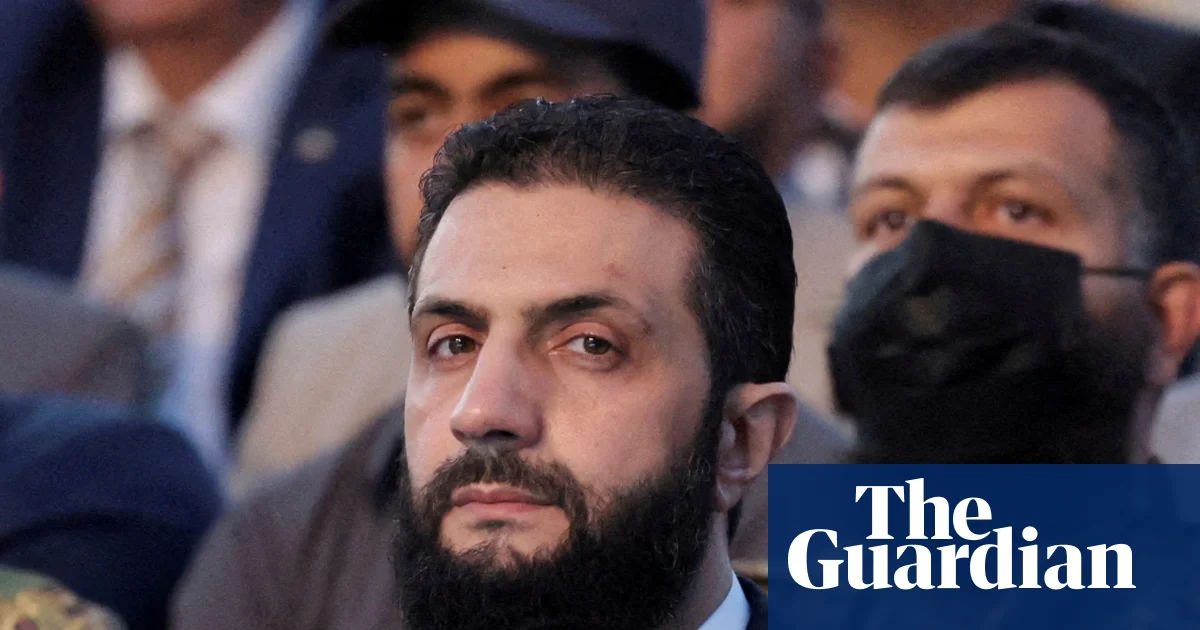
Syria launches decisive raids against ISIS threats to protect the nation

Amidst rising tensions and ongoing regional instability, Syria has accelerated its internal counterterrorism efforts, executing a series of nationwide preemptive operations targeting remnants of Islamic State cells. According to a spokesperson for the Syrian interior ministry, these operations involved 61 raids, resulting in the arrest of 71 individuals and the seizure of explosives and weapons. These actions underscore the persistent threat posed by terrorism inside Syria, even as the nation navigates a complex web of alliances and conflicts that have reshaped the Middle East’s geopolitical landscape.

This domestic crackdown takes on added significance ahead of a controversial visit by Syrian President Ahmed al-Sharaa to Washington. Officially, the trip aims to bolster cooperation and potentially deepen ties within the US-led coalition against Islamic State. The timing suggests that the Syrian government, long considered an adversary by Western powers, may be seeking to reposition itself on the global stage through diplomatic engagement—an overture that could recalibrate regional power dynamics. Meanwhile, in Washington, the US State Department and Pentagon remain tight-lipped, with no immediate responses to questions about the preparations underway.

Behind the scenes, the United States appears to be laying the groundwork for a significant military expansion in the region. Reports indicate that Washington is preparing to establish a military presence at an airbase in Damascus, a move that signals a notable shift in US policy toward active engagement within Syrian territory. Six sources familiar with the matter described efforts to facilitate a security pact between Syria and Israel, indicating that the US is pursuing its regional strategic objectives through diplomatic and military leverage alike. An official from the Biden administration recently confirmed that Washington continues ‘evaluating its posture’ in Syria, emphasizing the importance of adaptability in countering Islamic State and maintaining regional stability.

The rapid unfolding of these events has broad geopolitical impact. Analysts warn that the US’s efforts to establish a presence in Damascus and forge security arrangements could deepen regional divisions or, conversely, catalyze a fragile peace. Historical figures, such as former diplomats and regional experts, caution that such maneuvers could either pave the way for a stabilization of volatile border regions or ignite new conflicts if mismanaged. The shifting alliances and diplomatic overtures highlight a broader struggle for influence in the Middle East, where Western, Russian, and regional powers vie for dominance amidst a landscape scarred by decades of conflict. How nations respond to these moves will forever alter the fabric of their societies, potentially shaping the region’s future for generations to come.

As the world watches with cautious anticipation, the unfolding narrative in Syria is not merely a story of military operations and diplomatic visits—it is a chapter in the ongoing saga of geopolitics that could define the balance of power in the Middle East. With each decision, each raid, and each diplomatic handshake, history writes itself anew—its pen poised between reconciliation and upheaval, leaving the global community to ponder: who will hold the pen next?

Teachers Face Threats After MAGA Claims Over Halloween Costumes Mocking Charlie Kirk

Disruptive Social Media Campaign Ushers in New Challenges for Educational Privacy and Political Discourse

In a stark illustration of the rapid evolution of information warfare, a recent incident involving a high school in Arizona underscores the profound business implications and societal disruption driven by social media’s power to amplify misinformation. The controversy originated when Turning Point USA (TPUSA) spokesperson Charlie Kirk was falsely associated with an innocent Halloween costume worn by teachers, sparking viral outrage. The incident exemplifies how disruptive platforms like X (formerly Twitter) have become conduits for rapid-spread misinformation that can threaten personal safety and reputation on an unprecedented scale.

The incident reveals a pivotal challenge confronting educators and businesses: the ability of malicious actors to weaponize social media for mass psychological operations that threaten privacy, safety, and trust. In this case, an image of teachers in bloodied T-shirts was wrongly interpreted, leading to doxxing, targeted online harassment, and even death threats—an unsettling reminder that the digital landscape’s regulatory and ethical frameworks are lagging far behind technological capabilities. The impact extends beyond individual rights, striking at the core of institutional stability and public confidence in grassroots institutions like education systems.

The incident also signals a burgeoning market for advanced content verification technologies, with industry leaders like Gartner emphasizing that the future of digital trust hinges on automated fact-checking and AI-enabled content moderation. These solutions are critical for preventing similar disruptions at scale, as disinformation campaigns grow more sophisticated. For instance, AI-based image analysis and network tracing mechanics could be employed to preempt false narratives, but such innovations require significant investment and legal safeguards, given the privacy concerns involved.

  • Emerging tools are capable of identifying manipulated images and videos quickly
  • Automated alerts can notify stakeholders of potential misinformation spikes
  • Legal and ethical frameworks remain underdeveloped, risking misuse or overreach

Furthermore, the incident underscores the necessity for businesses, educational institutions, and policymakers to reevaluate their engagement with social media. The disruption also presents an opportunity: those who develop and implement cutting-edge verification and safety technologies could become essential partners in safeguarding digital spaces. Pioneering entities like MIT’s Media Lab are exploring such solutions, recognizing that true innovation in this realm is crucial for maintaining integrity in digital communication. As these technologies mature, they could serve as the foundation for a new era where truth prevails over misinformation, transforming the social media landscape into a more resilient, trustworthy environment.

Looking ahead, this incident serves as a clarion call for all stakeholders to urgently invest in disruption-resistant technology and foster a culture of digital responsibility. Rapid technological advancements—ranging from blockchain-based verification systems to AI-driven content analysis—are poised to redefine how truth is maintained in an age overwhelmed by data. The coming decade is critical: failing to adapt could mean allowing malicious actors to shape perceptions, destabilize institutions, and influence societal outcomes. As Elon Musk and Peter Thiel have often emphasized, the future belongs to those pioneering disruptive, innovative solutions that can turn the tide against digital chaos and misinformation. Strategic foresight and swift technological deployment will determine who leads this new digital frontier—those who act now will shape the foundations of a more secure, transparent digital world.

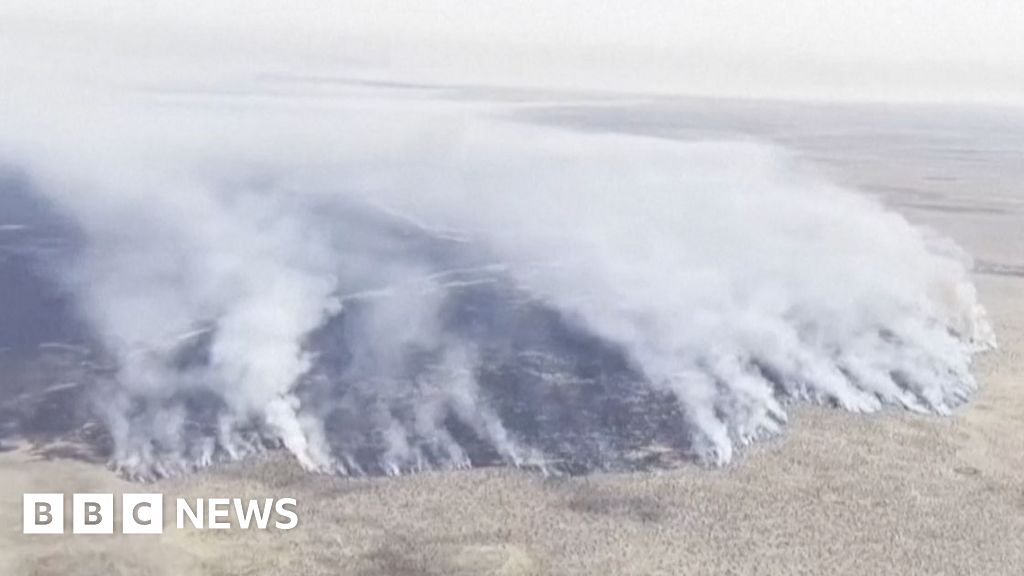
Army deployed to secure Etosha National Park amid rising threats

Namibia’s Etosha National Park Fires: A Critical Test for Sovereign Response and Global Conservation

The recent devastating wildfire that engulfed a third of Namibia’s renowned Etosha National Park marks a significant moment in Africa’s ongoing battle to preserve its natural heritage amid mounting environmental challenges. According to the country’s environment minister, Indeleni Daniel, the fire has been “now contained”, but the ramifications of this natural catastrophe underscore the fragile balance between ecological conservation and geopolitical stability. This incident has ignited international attention, highlighting the role of national sovereignty in addressing environmental crises that transcend local borders.

Historically, Etosha has been a pillar of conservation, home to critical species such as the critically endangered black rhino and an array of migratory birds. The fire, which spread for more than a week across approximately 22,935 square kilometers, has not only devastated vital wildlife habitats but also threatened the socio-economic backbone of Namibia’s tourism industry. With some 200,000 visitors annually, the park’s economic significance reflects how environmental health directly influences national income and community well-being. Analysts from the United Nations Environment Programme have warned that such wildfires, exacerbated by climate change and mismanaged response strategies, could escalate into regional instability if not effectively contained.

In response to the crisis, Namibia mobilized a substantial firefighting effort, deploying helicopters and hundreds of soldiers to combat the flames. The government’s decision to send more than 500 troops highlights a shift towards a more militarized, coordinated approach to natural disaster management—a move that could serve as a precedent for other nations facing similar threats. Underlining the gravity of the situation, opposition voices, such as MP Likando Rodrick, have criticized the government’s preparedness, arguing that past responses were insufficient, and calling for more comprehensive long-term strategies to prevent future outbreaks.

The wildfire’s regional implications extend beyond Namibia’s borders, with authorities reporting that the flames have spread into bordering regions of Angola, threatening both ecosystems and local communities. This raises urgent questions about cross-border cooperation and the role of external agencies in protecting vital transnational ecosystems. As international analysts point out, the event underscores an unsettling reality: climate change is not just an environmental issue but a geopolitical challenge that tests the resilience and sovereignty of nations. The wildfire’s aftermath serves as a stark reminder that ecosystems, wildlife, and local economies are interwoven into a complex web of national identity and international diplomacy, demanding coordinated efforts that transcend borders and political differences.

As aerial imagery begins to reveal the full extent of destruction, the incident remains a potent symbol of the urgent need for adaptive, resilient environmental policies that can withstand the pressures of a warming planet. The unfolding story of Namibia’s fight against nature’s fury is a chapter still being written, but one thing remains clear: in the wake of these flames, the path toward sustainable coexistence with our environment has become more critical—and more uncertain—than ever before. The question now is whether global leadership will rise to the challenge or whether this disaster will simply serve as another mark in history’s long, tumultuous struggle between humanity and the forces of nature.

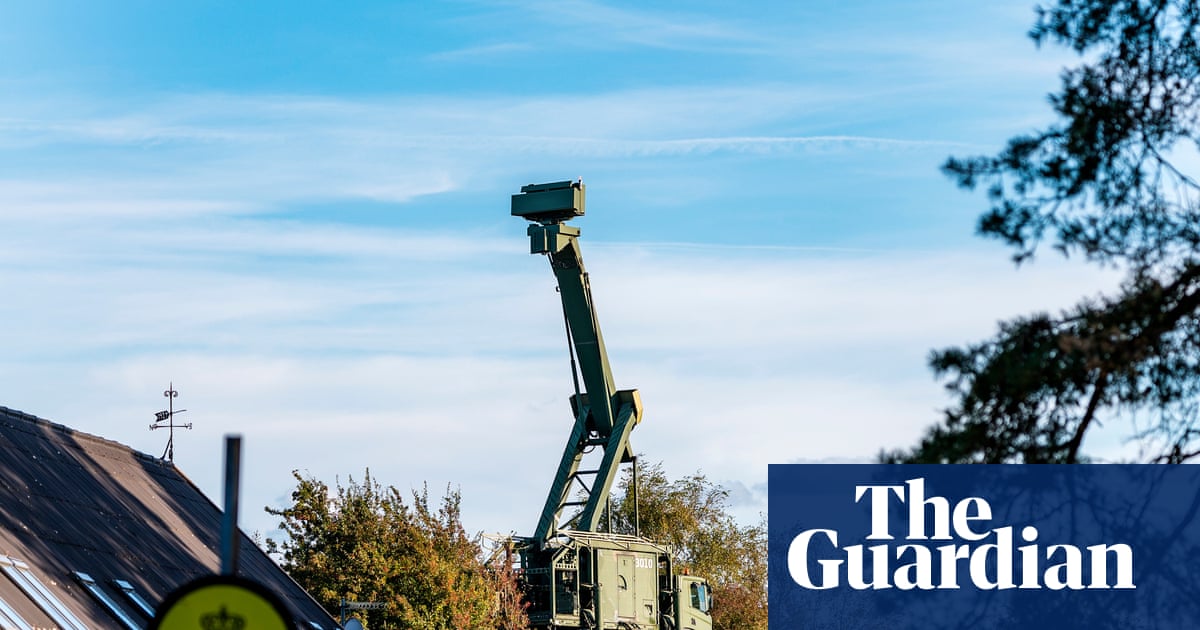
Denmark detects fresh drone threats over major military base — rising security concerns for the youth

Unsettling Incursions in Scandinavia Highlight Growing Geopolitical Tensions

In a series of alarming developments, Denmark has become the latest focal point in what international analysts are describing as a hybrid attack—an unprecedented form of covert aggression involving unidentified drones operating over key military sites. During Friday night, these drones infiltrated numerous Danish military targets, including the nation’s largest airbase at Karup, which houses critical air force assets and command centers. The Danish military and police have acknowledged the breaches but stopped short of confirming their origin, though officials point towards Russia as a prime suspect, emphasizing the strategic threat posed by Moscow’s assertiveness in the region. This series of incursions represents a significant escalation in Europe’s security landscape, signaling a new era where hybrid warfare threatens sovereign borders without traditional military engagement.

Escalation of Hybrid Warfare and NATO’s Response

While Denmark’s prime minister, Mette Frederiksen, explicitly blamed Russia for these “hybrid attacks,” Moscow has firmly denied any involvement, dismissing the incidents as “a staged provocation.” This diplomatic dodge underlines the persistent ambiguity characteristic of hybrid warfare, where plausible deniability complicates attribution and accountability. Analysts, including security experts at the International Institute for Strategic Studies, warn that these drone incursions are more than mere demonstrations; they are strategic tests of NATO’s defenses and the West’s resilience to asymmetrical threats. The incident has prompted Denmark to procure long-range precision weapons and develop enhanced drone detection capabilities, signifying a decisive shift in national defense policies aimed at countering this new threat vector.

European Unity and the Formation of a ‘Drone Wall’

The broader European Union is responding with extraordinary measures, with defense ministers from ten nations uniting to prioritize establishing a “drone wall”—a protective barrier of anti-drone technology. The EU’s defense commissioner, Andrius Kubilius, emphasized the urgency of this initiative, urging Europe to adapt lessons learned from conflict zones like Ukraine. The move signifies a strategic pivot, aiming to reinforce the continent’s defenses against unidentified aerial threats and uphold sovereignty amid ongoing regional destabilization. The upcoming EU summit in Copenhagen, which will also be attended by Sweden’s tech-sharing offer, illustrates the bloc’s recognition that collective action is essential. Failure to act decisively risks allowing hybrid tactics to erode trust and security across member states, fundamentally altering Europe’s geopolitical stability.

How Decisions Today Will Shape the Future of European Defense

This escalating scenario presents a stark warning to the global community: the landscape of warfare has fundamentally shifted. The integration of drone technology into zones of conflict blurs the lines of traditional borders, forcing nations to rethink defense paradigms. As Danish Defense Minister Troels Lund Poulsen and Justice Minister Peter Hummelgaard accurately highlight, the purpose of these provocations extends beyond mere disruption—they aim to provoke fear, deepen divisions, and test Western resolve. History’s course hinges on how swiftly and resolutely nations respond to these invisible threats, with some experts warning that failures to innovate could leave countries vulnerable to future incursions, whether by state actors or splinter groups mimicking hostile nations’ tactics.

As this chapter of hybrid conflict unfurls, the echoes of history remind us—wars are no longer fought solely on battlefields but in shadows and cyberspaces. The coming days could very well decide whether Europe stands firm or succumbs to a new era of unseen threats, where the weight of history is not upon a distant battlefield but hanging in the skies above Scandinavia.

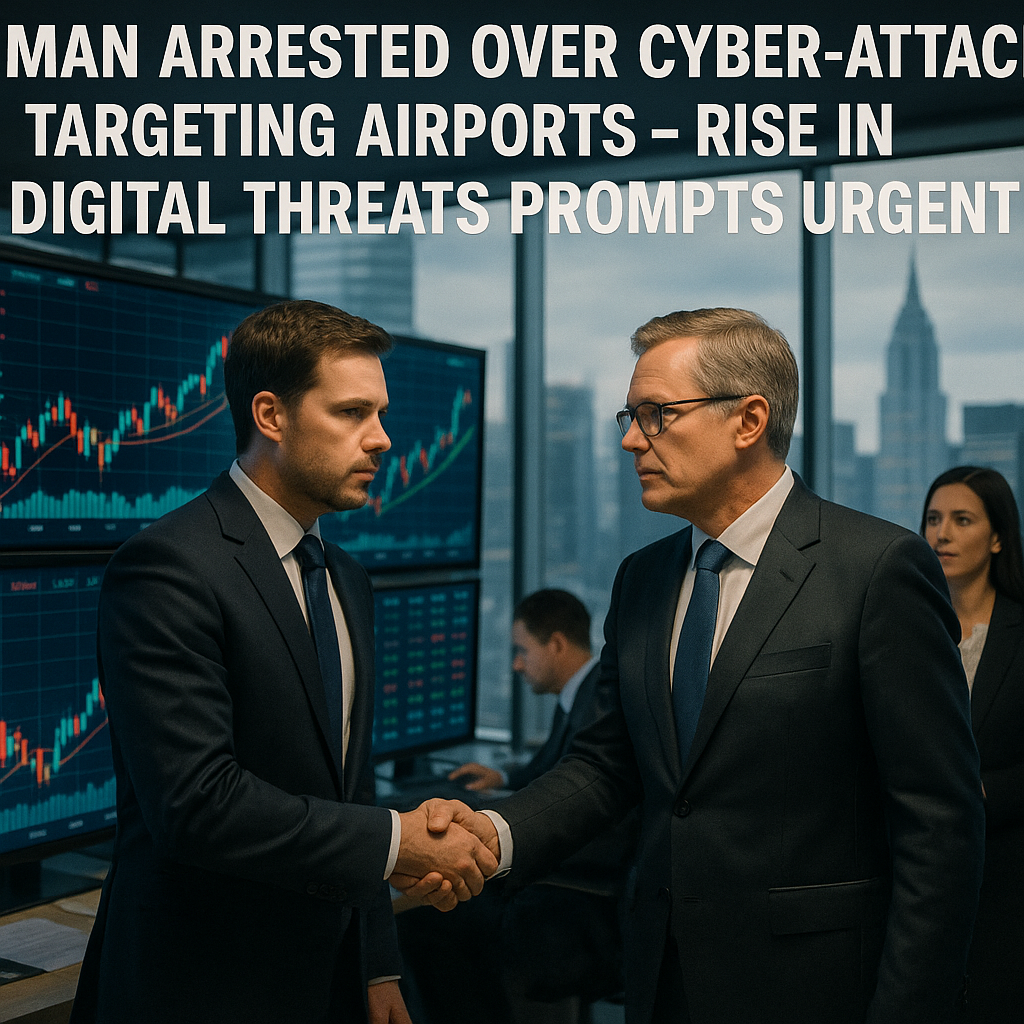
Man arrested over cyber-attack targeting airports—rise in digital threats prompts urgent action

The recent cyber-attack targeting Collins Aerospace, a prominent US aerospace and defense technology firm, underscores the escalating threats impacting critical infrastructure across Europe. The attack, which has caused days of chaos at major airports including Heathrow, Brussels, Dublin, and Berlin, highlights the vulnerabilities in the digital backbone of global transportation networks. A suspect in his forties was detained in West Sussex under suspicion of violating the Computer Misuse Act, signaling intensified law enforcement efforts against organized cybercrime groups, which, according to the European Union Agency for Cybersecurity, deploy ransomware and other malicious tools to extract hefty ransom payments in cryptocurrencies. The attack’s ripple effect has left hundreds of flights delayed or canceled and has exposed the fragile state of the aviation industry’s cybersecurity defenses, casting a shadow over the future of digital resilience in transportation.

The disruption was initiated Friday night when ransomware was deployed within Collins Aerospace’s systems—a tactic on the rise, with reported increases of 600% in cyber-attacks targeting the aviation sector over the past year, according to French aerospace firm Thales. The ransomware attack encrypts vital operations, demanding ransoms often paid in cryptocurrencies to restore systems. As a consequence, airports in Brussels, Dublin, and Berlin struggled with manual check-in processes, causing prolonged delays, cancellations, and operational bottlenecks. Heathrow Airport has been forced to deploy additional staff to manage manual check-ins, but even with backup measures, delays persist. The incident highlights the grave policy consequences for organizations unprepared for sophisticated cyber threats and signals a significant market impact on aviation companies’ operational costs and insurance premiums in the near future.

One of the most alarming aspects of this attack lies in its potential to disrupt international economic activity, as airlines and logistics operators grapple with the fallout. The incident also signals a broader threat landscape where organized cyber-crime gangs rake in hundreds of millions annually, using ransomware to target essential services. The U.S. technology conglomerate RTX Corporation, the parent of Collins Aerospace, has acknowledged the ongoing rebuilding efforts but refrained from providing a timeline for full recovery. Meanwhile, the European Commission has underscored the need for enhanced cybersecurity frameworks, urging operators to adopt proactive defense strategies, including better threat detection and incident response protocols. Economists and security analysts warn that without significant infrastructure investments and robust policy enforcement, such attacks could set back the sector’s growth, potentially inhibiting international travel and commerce during the upcoming peak seasons.

Looking ahead, this attack serves as a stark warning that cybersecurity is now the frontline battleground for national security, economic stability, and technological supremacy. As nations rally to fortify defenses, the resilience of the global economy hinges on strategic investments in digital infrastructure and cybersecurity innovation. The pandemic of cyber threats is not going to subside; rather, it is evolving into a perpetual duel where nations, corporations, and technological ecosystems must stand united. The mounting evidence suggests that the geopolitical stage is set for a future where control over cybersecurity technology and policies could determine the leaders of tomorrow’s digital economy. The pulse of this epoch beats strongest where innovation meets vigilance—an epic narrative of power, resilience, and the unyielding pursuit of technological mastery.

Social Media Auto Publish Powered By : XYZScripts.com