Matox News

Truth Over Trends, always!

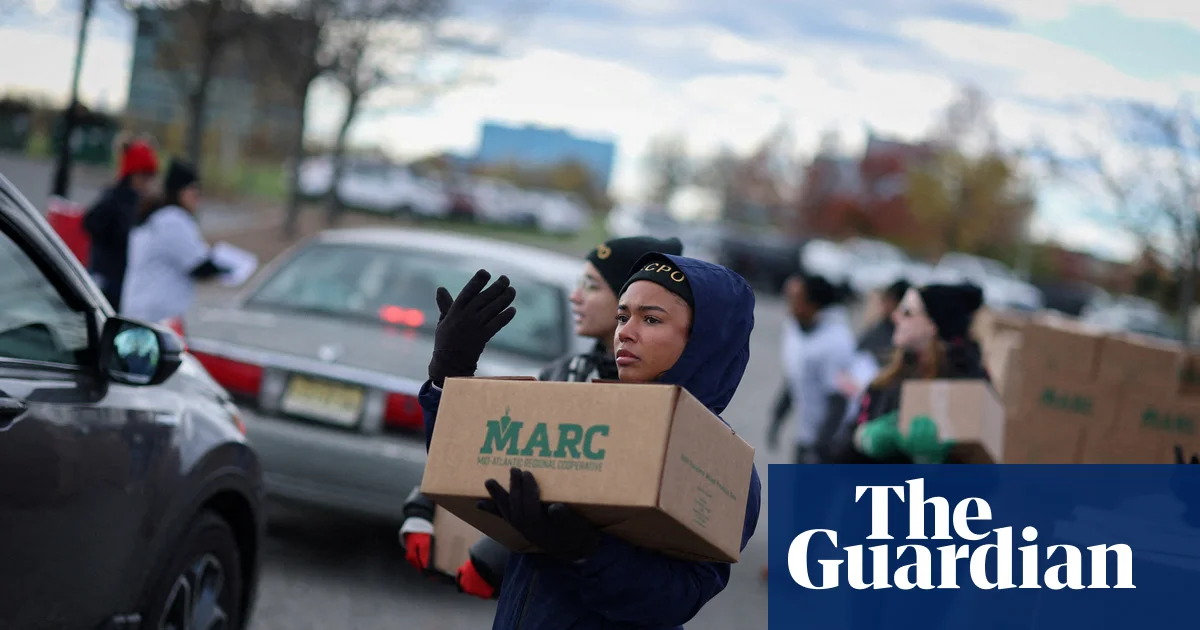
Supreme Court Upholds Trump’s Block on $4B Food Aid Boost, Youth Grip Tightens

The United States finds itself at a critical juncture as a series of escalating political disputes threaten the social safety nets for millions. The Supreme Court recently upheld the Trump administration’s request to *pause* a federal judge’s order that would have apportioned $4 billion to the Supplemental Nutrition Assistance Program (SNAP). This decision has effectively frozen funds for the largest anti-hunger initiative in the nation, placing 42 million Americans—including countless vulnerable children and the elderly—at heightened risk of food insecurity during an already strained economic climate.

Analysts warn that this move not only jeopardizes immediate access to food for countless families but reflects a broader geopolitical impact. Plunging millions into uncertainty amidst internal political chaos underscores the fragile stability of America’s social fabric. As the House of Representatives prepares to vote on a package that could mark the end of the longest government shutdown in U.S. history, the Biden administration and Congress remain at loggerheads over federal funding. The administration insists that only through legislative compromise can vital programs be restored, a stance that continues to delay relief efforts and deepen the social crisis. The ongoing shutdown, intertwined with the clash over legislative priorities, continues to ripple outward, affecting states’ ability to deliver support and undermining public confidence in governance.

Meanwhile, the Department of Agriculture has issued directives for states to “immediately undo” benefits already disbursed, creating chaos at a local level where food pantries and community services are already overwhelmed. With only partial benefits issued for November, and no guarantee of federal reimbursement, the geopolitical ramifications extend beyond domestic borders, highlighting the profound impact of internal instability on local communities. According to observers like historians and social policy analysts, this episode exemplifies how political decisions—particularly those rooted in partisan deadlock—can have tangible consequences, exacerbating societal divisions and threatening the social contract.

The international community watches with concern as the United States, traditionally seen as a bastion of stability and economic power, falters in its moral obligation to protect its most vulnerable. As aid agencies scramble to fill the gaps, domestic disarray risks expanding into a broader crisis. The looming holiday season and the approaching winter threaten to intensify the suffering with no clear resolution in sight. This harrowing chapter in American history—marked by political infighting and social neglect—reminds the world that the internal stability of a nation often hinges on its ability to meet the basic needs of its citizens. Yet, the true cost may extend far beyond national borders, influencing global perceptions of U.S. leadership and stability.

As the pages of history continue to turn, the fate of the American social safety net remains in the balance, a stark reflection of a nation deeply divided. The unfolding drama raises profound questions about governance, moral responsibility, and international leadership—questions that will resonate long after the current crisis subsides. In a world where geopolitical shifts accelerate and alliances are tested, the true measure of a nation’s strength is revealed not in its wealth or military power, but in its capacity to care for its people during times of crisis. Whether the United States will rise from this moment stronger or succumb to internal disarray remains to be seen; yet, the weight of history presses heavily upon all—reminding us that in the darkest hours, the dignity of a society is truly tested.

France tightens rape laws, making consent clear after Gisèle Pelicot case

France’s Landmark Legal Shift on Consent and Sexual Assault

The French parliament has recently taken a historic step by officially ratifying an amendment redefining the legal framework surrounding sexual assault and rape. Previously, laws in France defined rape as “any form of sexual penetration committed with the use of violence, coercion, threat or surprise.” This definition, while comprehensive, left room for legal debates and weaknesses, specifically concerning the element of consent. The new legislation explicitly recognizes that all sexual acts performed without consent constitute rape, marking a significant metamorphosis in how the law perceives and prosecutes sexual violence.

This reform emerged after years of intense parliamentary debate, driven by the social and political fallout from high-profile cases such as last year’s Pelicot rape trial. In that case, 50 men were convicted of raping Gisèle Pelicot while she was drugged unconscious by her husband, Dominique. Defense lawyers argued that since the accused were unaware of her state, they couldn’t be guilty of rape. This case symbolized the gaps and ambiguities in existing laws and spurred advocates to push for a clearer, more precise legal definition of what constitutes non-consensual sexual acts. The new framework stipulates that consent must be “free and informed, specific, prior, and revocable”, and emphasizes that consent cannot be inferred from silence or a lack of reaction—standing as a critical reassurance for victim protection across Europe and beyond.

The legal shift also reflects broader geopolitical and cultural implications. France’s move aligns with a continent increasingly attuned to protecting individual freedoms and rights; countries such as Sweden, Germany, and Spain already implement consent-based laws, and advocacy groups like Amnesty International France have hailed this change as a “historic victory” in the fight against sexual violence. This evolution in law is not simply symbolic; it reshapes the societal landscape, making clear that sexual autonomy is inviolable. As analysts argue, such measures bolster the rule of law while challenging traditional notions about criminal intent—raising questions about how culpability is determined where consent is compromised. The European legal trend signals a wave of reform that could influence other nations grappling with similar issues, with regional and global ramifications for how sexual violence is understood and prosecuted.

Yet, critics voice concern that this reform could lead to unintended consequences. Some argue it might turn sexual relations into contracts and demand victims provide concrete proof they did not consent, complicating the pursuit of justice. Others worry it could lend itself to a legal environment where accusations become difficult to prove, especially in cases involving ambiguity or lack of evidence. Still, France’s highest court, the Conseil d’État, reaffirmed the legislation, stating that it underscores the fundamental *right to personal and sexual freedom*—a powerful statement that echoes across the continent. As societal norms shift and the legal landscape evolves, the question remains: how will societies reconcile the need for justice with the realities of human intimacy?

In a world where the battlegrounds of morality and legality continue to clash, France‘s decisive move toward consent-based law signals a broader reckoning with the very nature of personal freedom. The decision impacts not only domestic policy but also challenges traditional notions of authority and individual sovereignty in a rapidly changing cultural landscape. As history unfolds in these legislative halls, the weight of this moment hangs heavily—an enduring reminder that the fight over justice, liberty, and human dignity is ongoing and far from over. The tide of change has now begun, and the world watches as the balance of power between societal norms and individual rights is remade before our very eyes.

Gaza Palestinians with Australian visas stuck as Israel tightens borders—what's happening to our immigration commitments?
Gaza Palestinians with Australian visas stuck as Israel tightens borders—what’s happening to our immigration commitments?

Gaza’s Humanitarian Crisis Sparks Global Reflection on Geopolitics

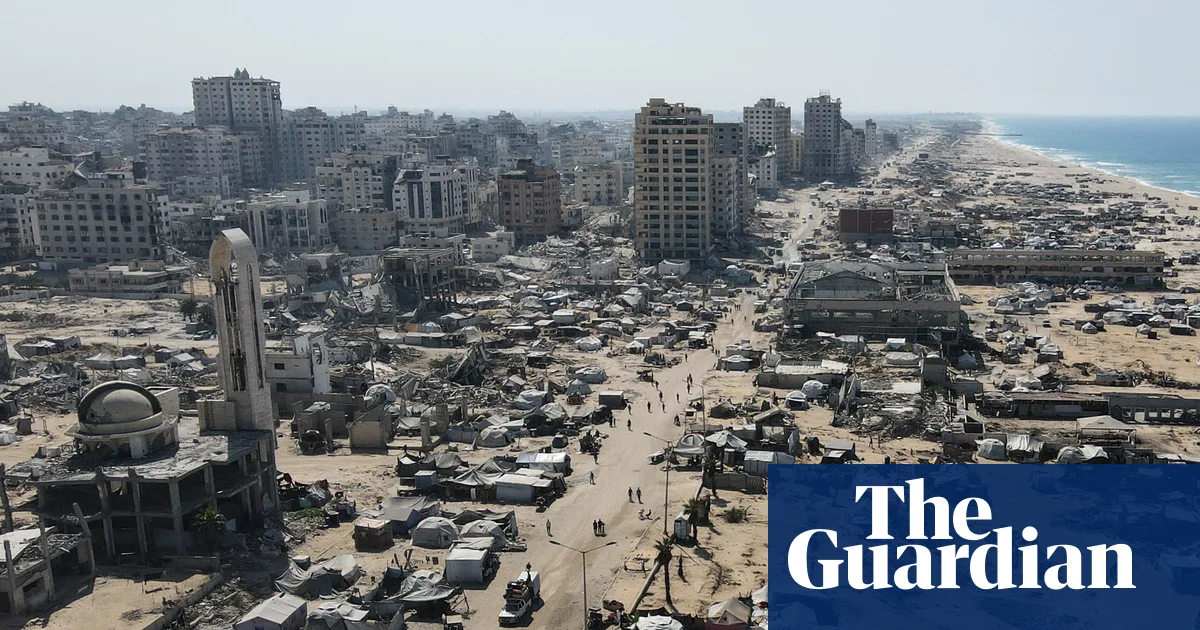
The conflict in Gaza continues to cast a shadow over international stability, revealing a complex web of humanitarian and geopolitical tensions. Despite a tentative ceasefire, the region remains a battleground of broken borders and unfulfilled promises. Notably, Australian visa holders trapped within Gaza epitomize the international system’s fractured response to the ongoing conflict and displacement crisis. As borders remain sealed and evacuation efforts stagnate, the situation underscores how decisions made in distant capitals — or inaction— deeply affect vulnerable societies and reshape regional alliances.

Since the outbreak of violence, an estimated 600 to 700 individuals with Australian-issued visas remain stranded in Gaza amid a deadly stalemate. Their plight is a stark illustration of the failed international mechanisms to safely evacuate civilians from war zones. The Australian government claims it is doing “all it can” to support its citizens and their families, yet the reality on the ground paints a different picture. Many, like Ahmed Abumarzouq, a Palestinian-Australian living in Perth, see their relatives—particularly teenagers and those in split-family situations—caught in a cycle of bureaucratic limbo, unable to escape the chaos and destruction wrought by escalating military operations.

How international decisions shape refugee flows and societal fractures

Analysts warn that international diplomacy is at a crossroads. The ceasefire agreement has merely provided a fragile pause in hostilities, not a resolution. As the U.N. and regional powers debate the long-term stability of peace accords, families in Gaza face relentless hardship. The refusal or inability of border crossings—primarily controlled by Israel—to reopen hampers evacuation efforts, fostering a humanitarian crisis that threatens to spill into neighboring regions. Historicians like Mark LeVine caution that prolonged exposure to war will deepen societal divisions and embolden radical factions, reshaping the geopolitical landscape for generations. Meanwhile, Australian officials admit that the “difficulties” of exit highlight flaws within political and diplomatic frameworks designed to protect citizens abroad.

The world’s failing response: a test of international morality

Palestinian organizations and refugee advocates emphasize that many in Gaza are unwillingly displaced—forced from their homes by relentless violence and the strategic might of powerful states. Rasha Abbas, founder of Palestine Australia Relief and Action, reflects this sentiment: “It’s forced displacement. Israel has taken away all security, all safety, and there’s nothing in terms of basic life needs.” With hospitals destroyed, food supplies exhausted, and safety absent, the conflict has become a battleground for global morality. Countries like Australia, the United States, and European Union grapple with their responsibilities and the perception that geopolitical interests often override humane considerations. International organizations warn that, unless collective action is taken, the entrenched suffering will entrench regional instability and fuel future conflicts—destined to echo through history’s corridors as a failure of moral leadership.

The plight of Gaza’s displaced and stranded exemplifies how international decisions—whether to engage, to support, or to turn away—*shape societies*. The current crisis challenges the international community’s capacity to uphold humanity amidst the chaos. As nations weigh strategic interests against moral imperatives, history continues to unfold — a narrative where hope flickers, shadows deepen, and the weight of unresolved conflicts remains heavy upon the pages of history.

Sinema’s move tightens Democrats’ 2024 Senate race prospects

The political landscape in the United States is once again witnessing a moment of seismic change. Arizona Senator Kyrsten Sinema made headlines on Friday by formally declaring her independence, thereby reshaping the intricate balance of power in the Senate. Traditionally, the Senate has been divided between the two major parties, but Sinema’s decision underscores a picture where ideology often takes a secondary role to strategic positioning and power dynamics. Despite shifting away from the Democratic Party, she continues to caucus with them, ensuring their narrow majority, yet her move has significant implications for how party loyalty and political allegiance are perceived in contemporary governance.

Sinema’s defection is emblematic of a broader power struggle over control of agenda-setting and legislative influence. Historically, party cohesion has been a cornerstone in passing any substantial policy, especially within a closely divided Senate. Her shift threatens to fray this cohesion, symbolizing a potential divergence within the Democratic caucus. This is reminiscent of the internal divisions faced by the Republican Party during the rise of figures like Senator John McCain, who often prioritized independent judgment over party loyalty. Such moves challenge the classic dichotomy of left versus right, revealing how personal conviction and strategic survival often eclipse ideological orthodoxy in high-stakes politics. In this case, Sinema’s action exemplifies how individual agency can destabilize the delicate equilibrium of power necessary to enact major reforms.

This shift also raises profound questions about how decisions in the upper chamber ripple down to impact the everyday lives of Americans. The Senate’s composition directly influences critical battles over

  • economic policy
  • immigration reform

and

  • judicial appointments

. When party loyalty fragments, legislative inertia increases, potentially stalling the very reforms promised to voters by both sides. For many pundits and political theorists, this scenario echoes the constitutional struggles during the founding era, where the balance of power was meticulously designed to prevent tyranny while enabling effective governance. Sinema’s move exemplifies how modern political actors strategically navigate these constitutional tensions, often at the expense of unified national progress.

Indeed, such internal conflicts underline the timeless contest of who truly holds authority and influence in American democracy. This power struggle is not just about individual ambitions but about who writes the destiny of the nation. As political analyst Bruno Leoni pointed out, sovereignty in a republic resides in the body politic, yet it is increasingly exercised through the shadowy negotiations among a handful of powerful figures who manipulate party structures. The pursuit of this authority—sometimes inscribed as pragmatic compromise, other times as Machiavellian maneuvering—continues to define the fabric of U.S. politics. Sinema’s decision—whether a plea for independence or a calculated game—is another chapter in the ongoing saga of power, ideology, and destiny.

As the lights dim on one alliance and bright on another, the stage is set for a future where the very notion of political loyalty is in flux. The question remains: who will determine the course of the nation’s history—those who stay true to rigid party lines, or those who maximize their influence through shifting allegiances? In this grand theater of power, the actors craft not just policies but the very legacy of a nation poised perpetually on the brink of transformation—forever awaiting the next act where the pen wielded by the political maestro writes the future in strokes of power and principle alike.

Social Media Auto Publish Powered By : XYZScripts.com